



The Best Fly Lines For Beginners | How to Choose

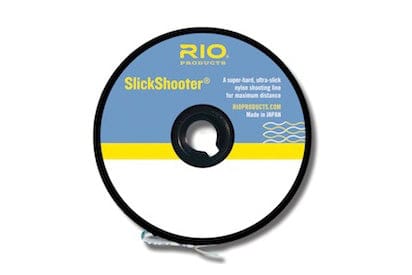
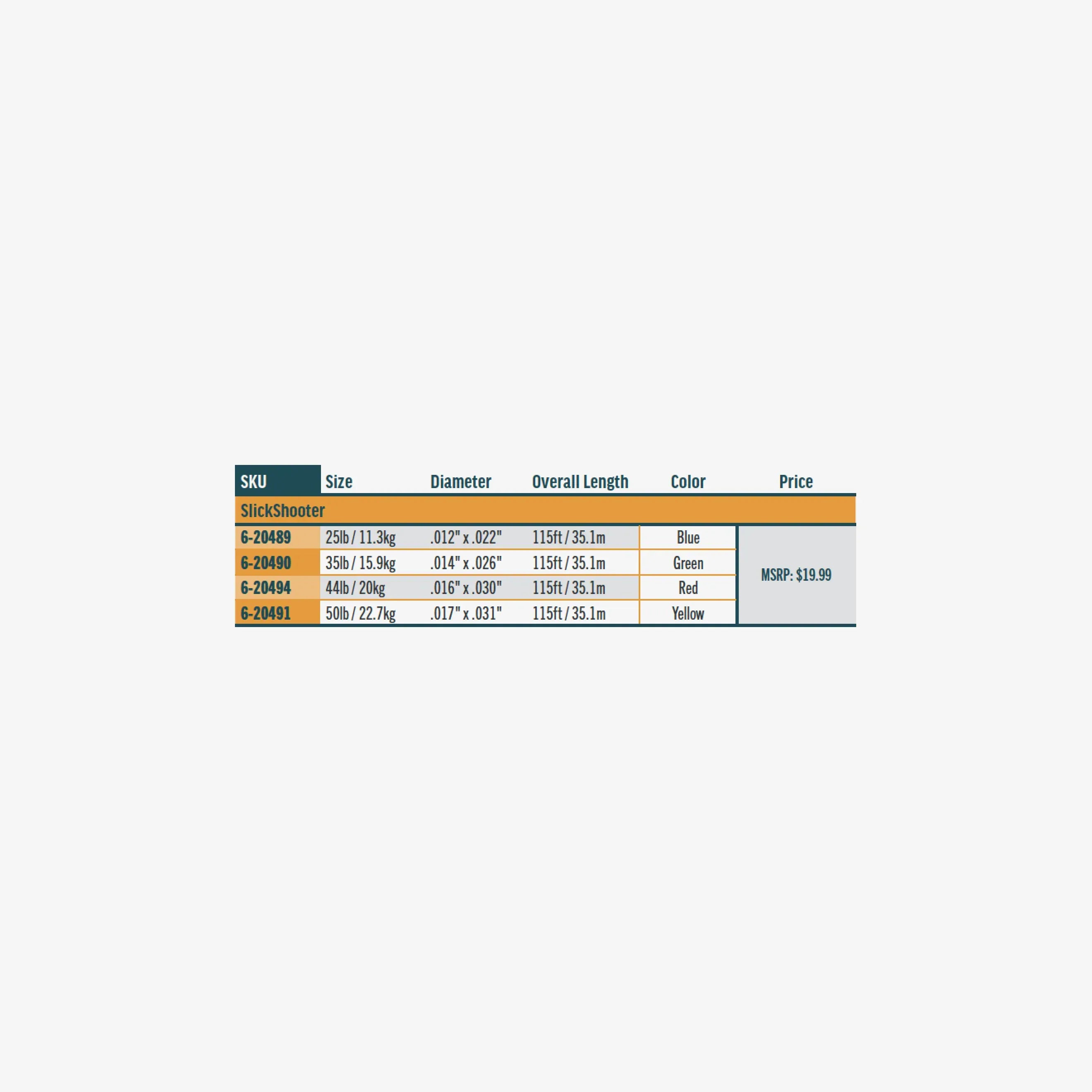


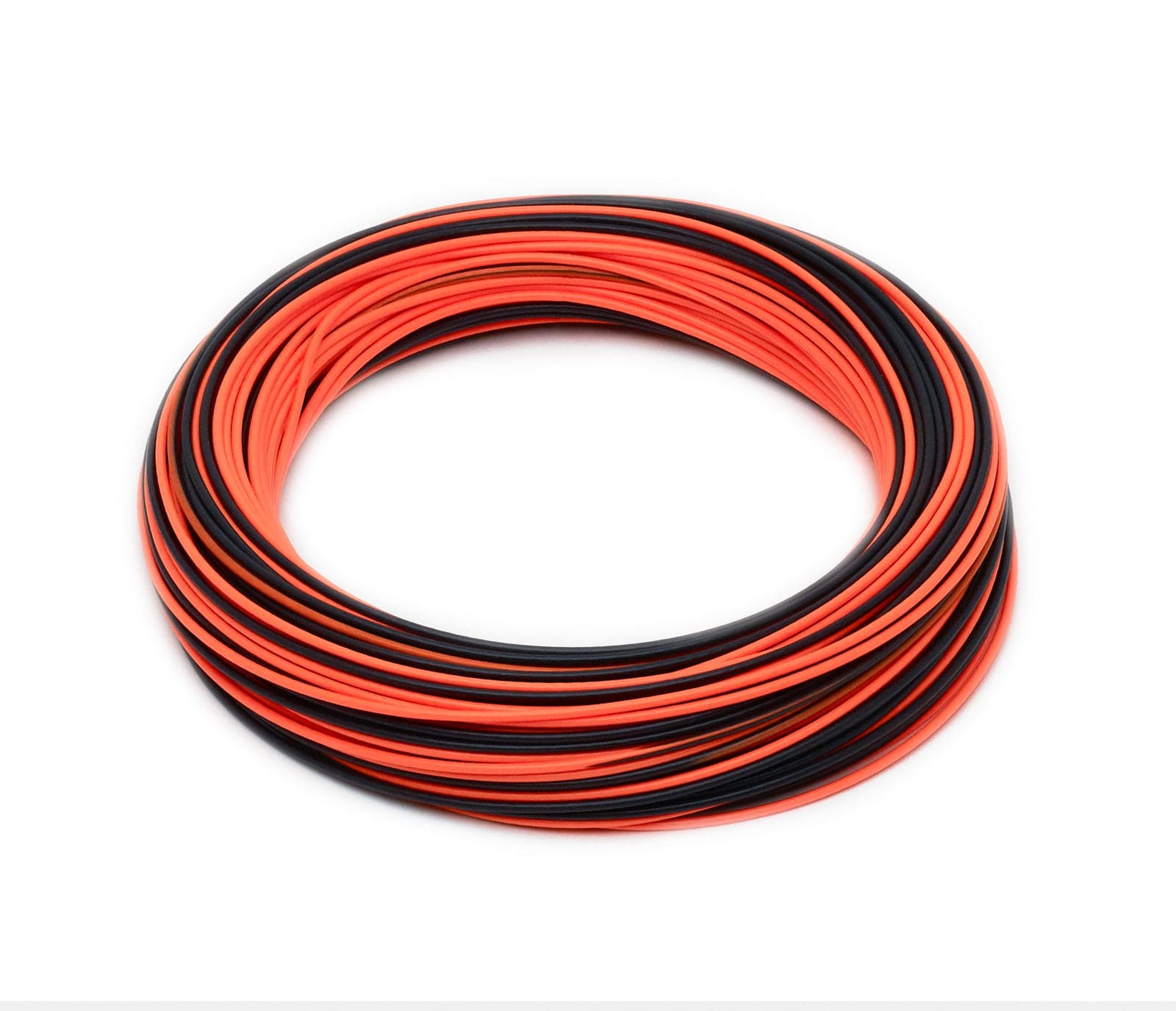
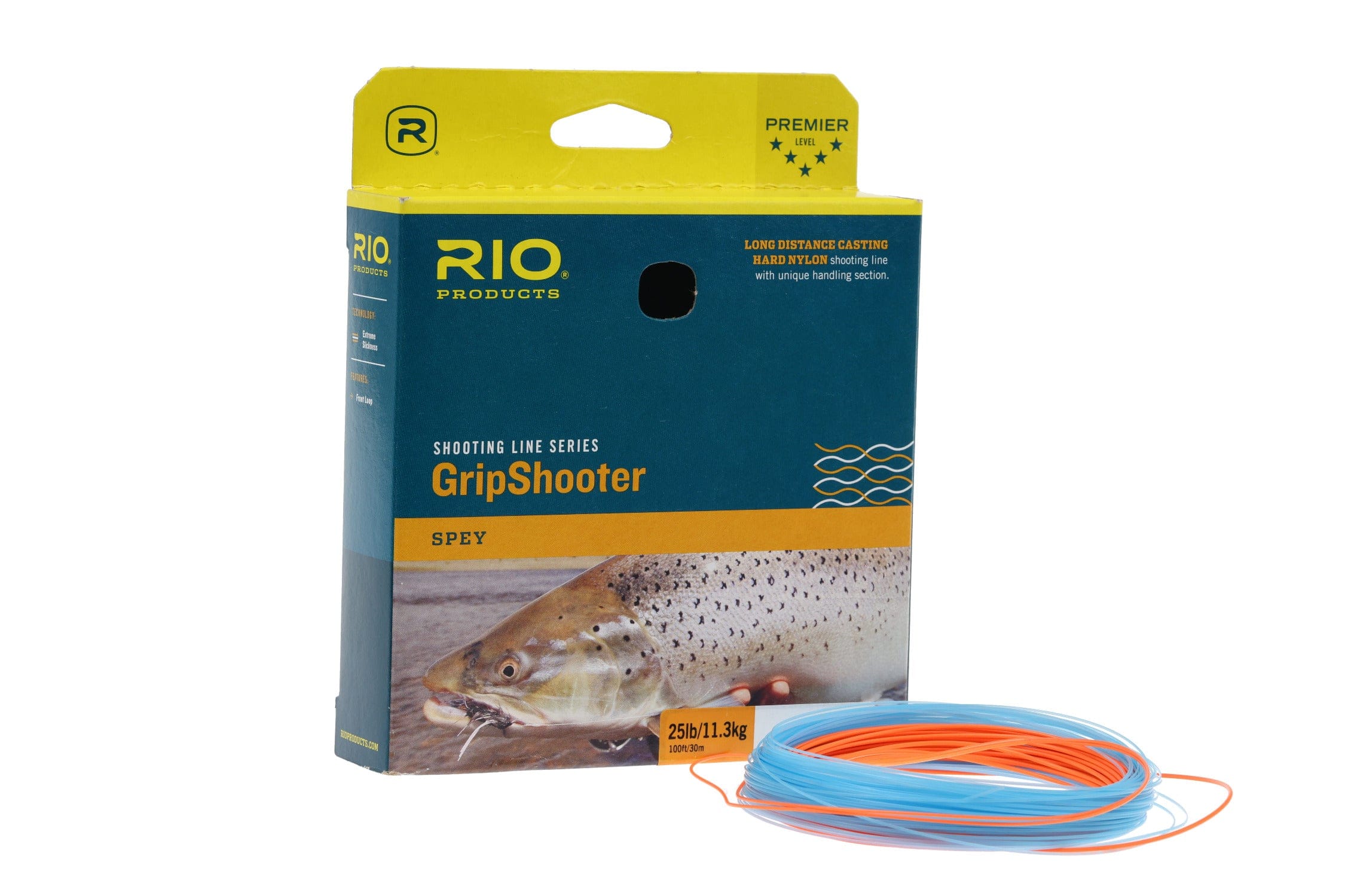
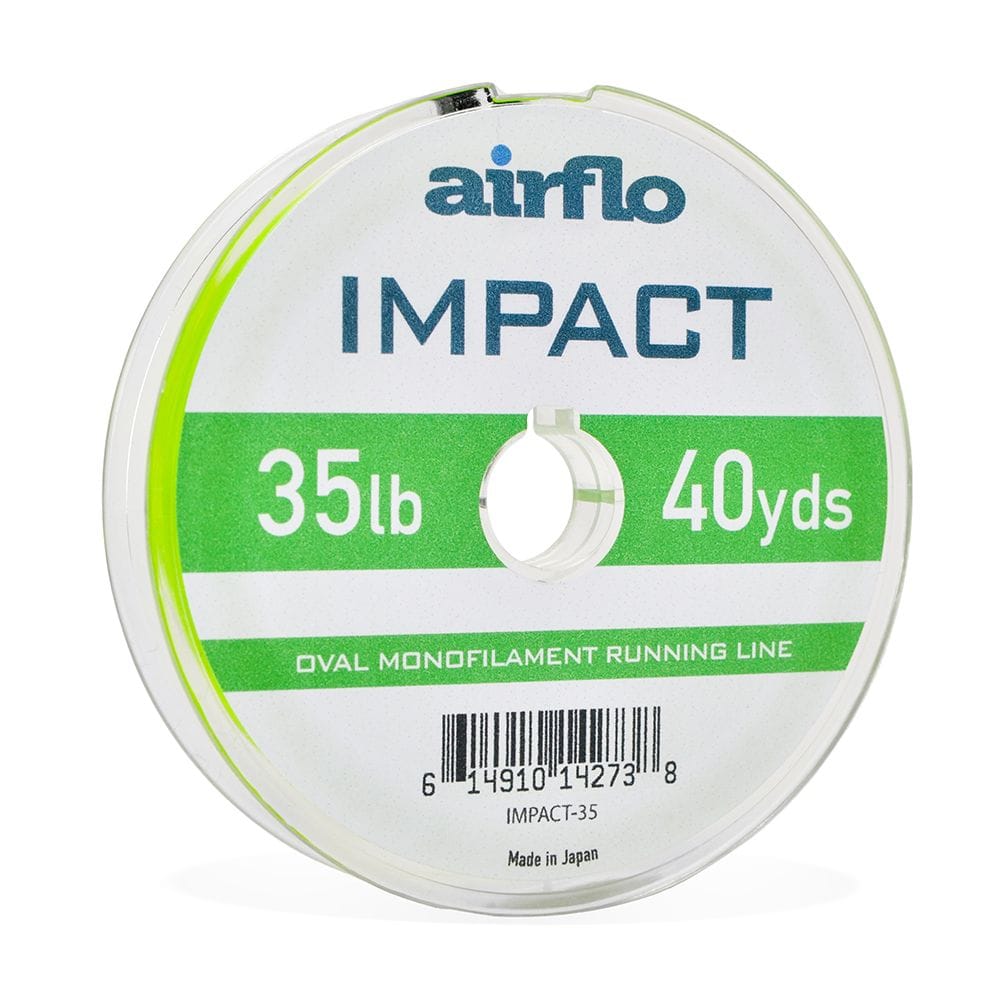


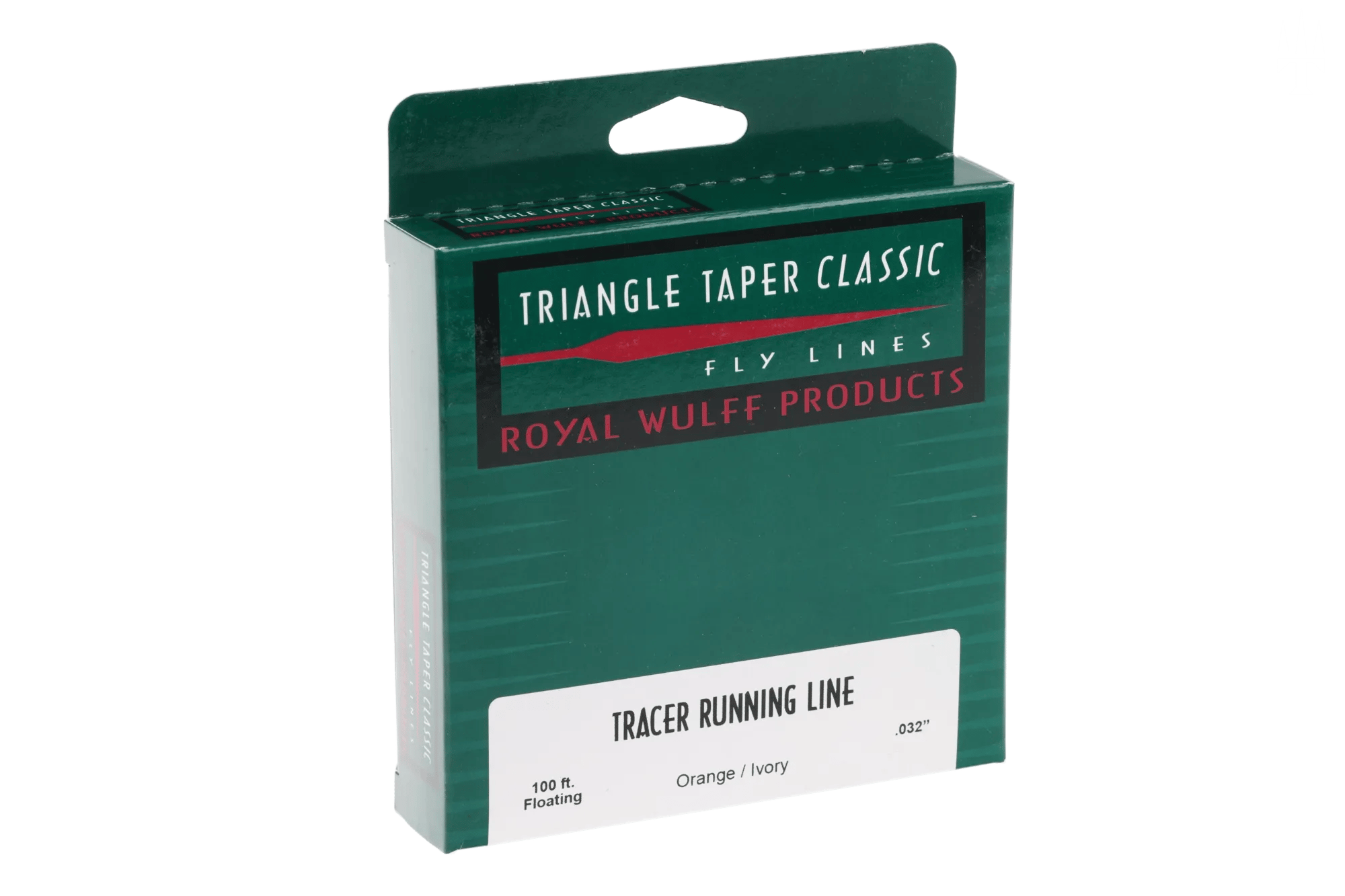
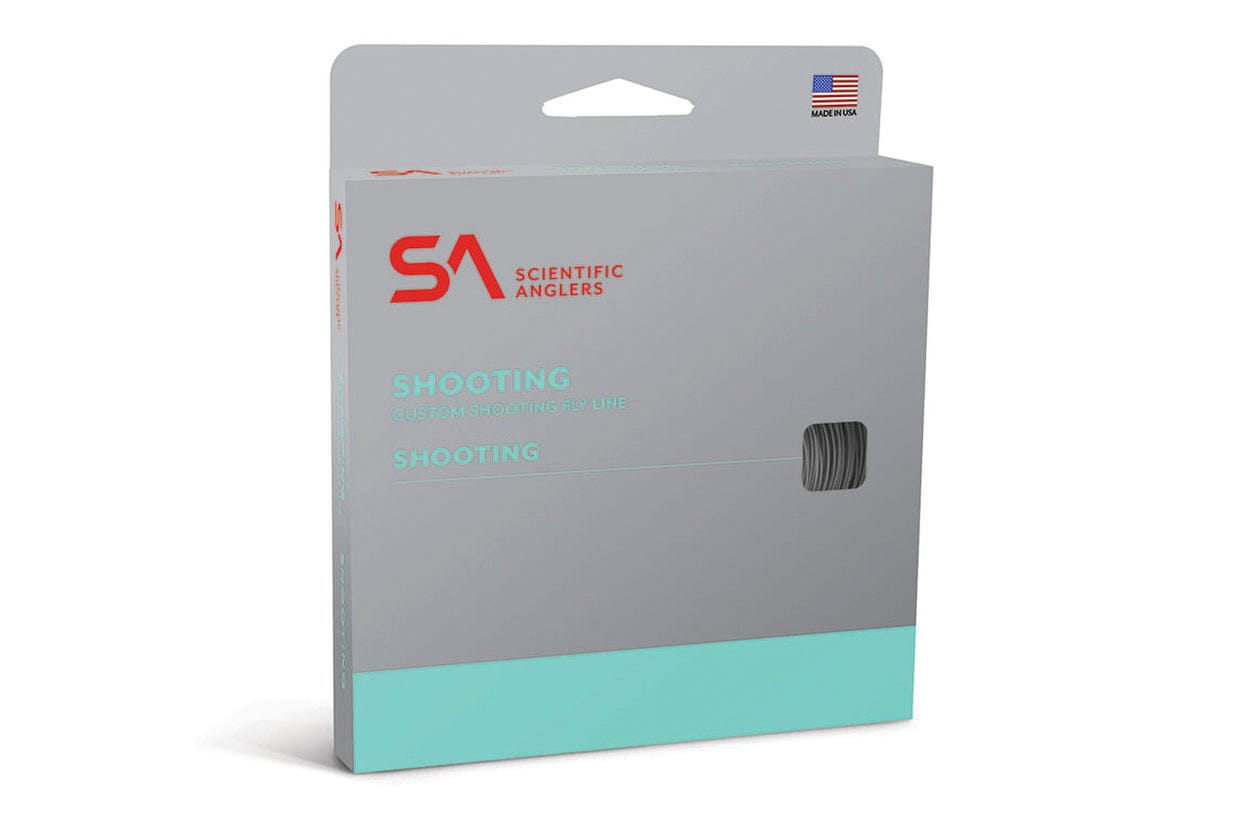
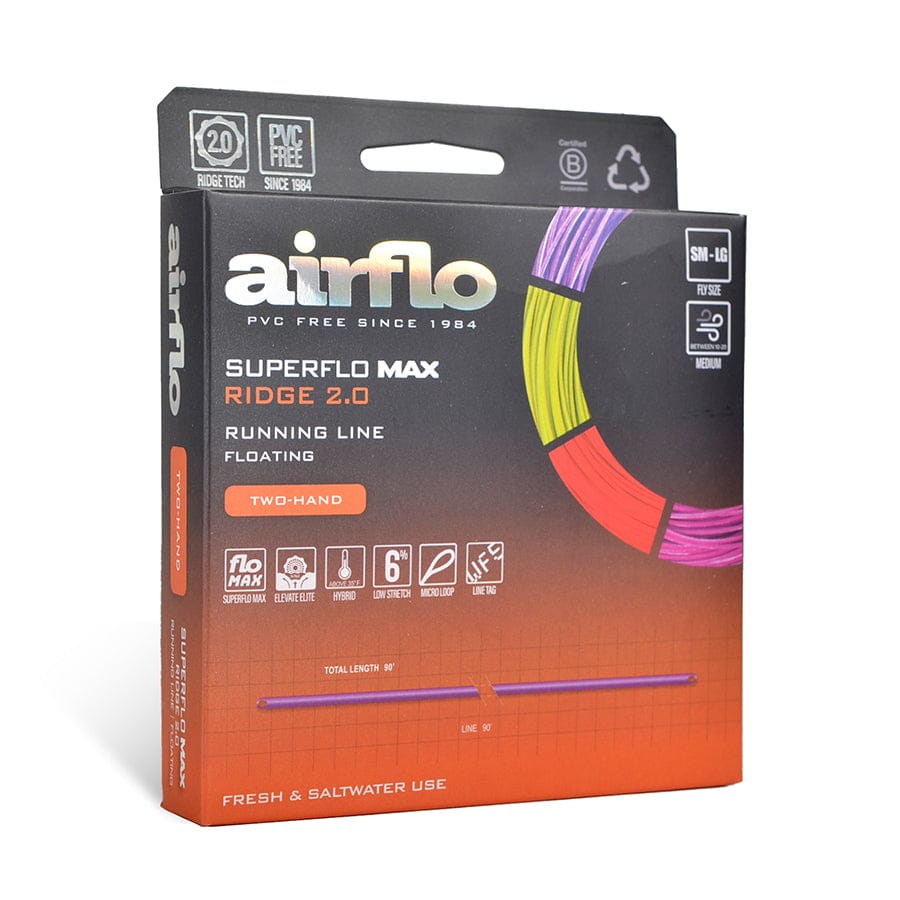
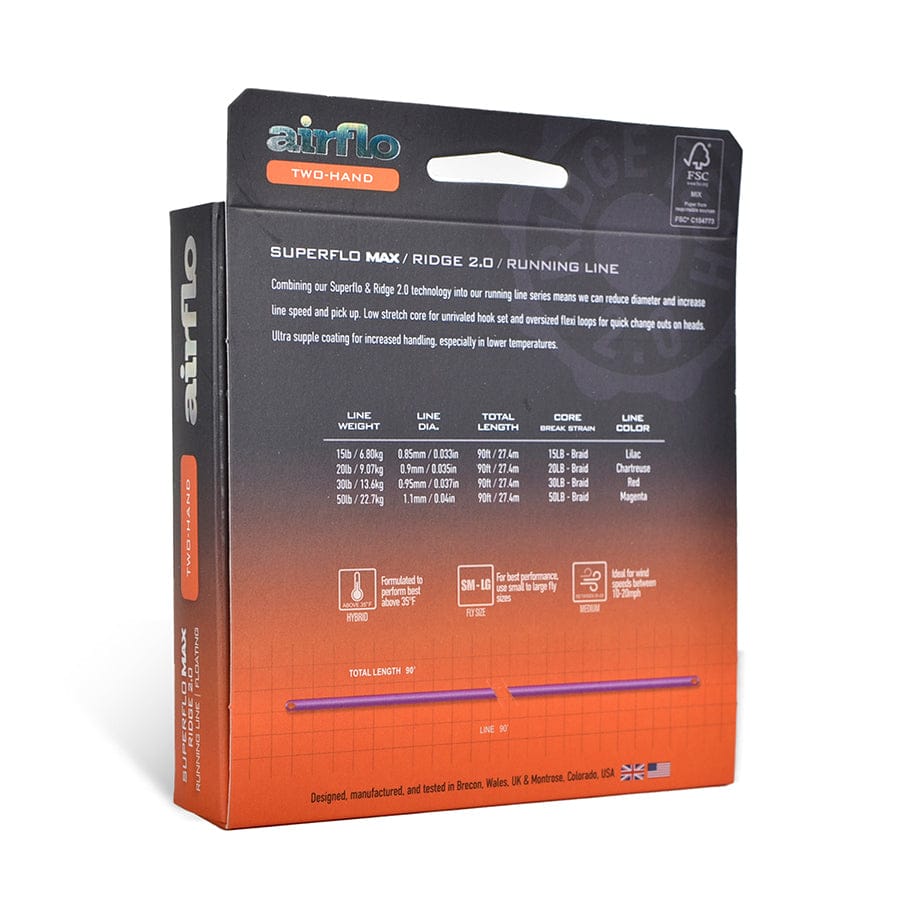
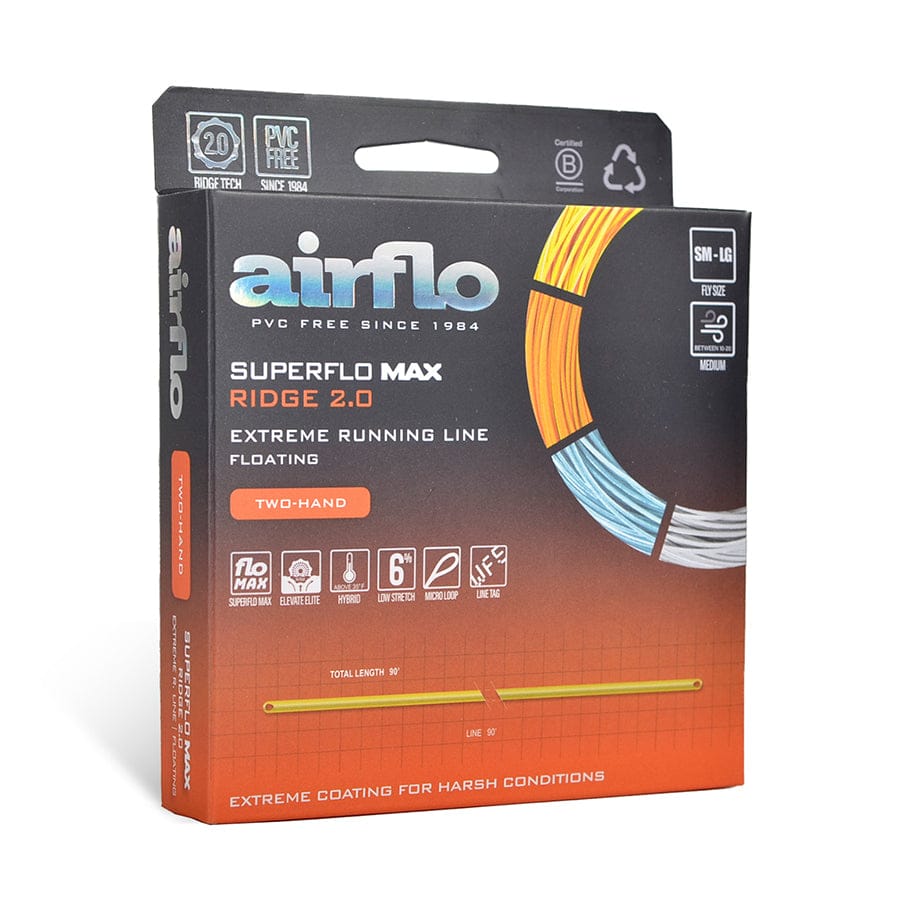
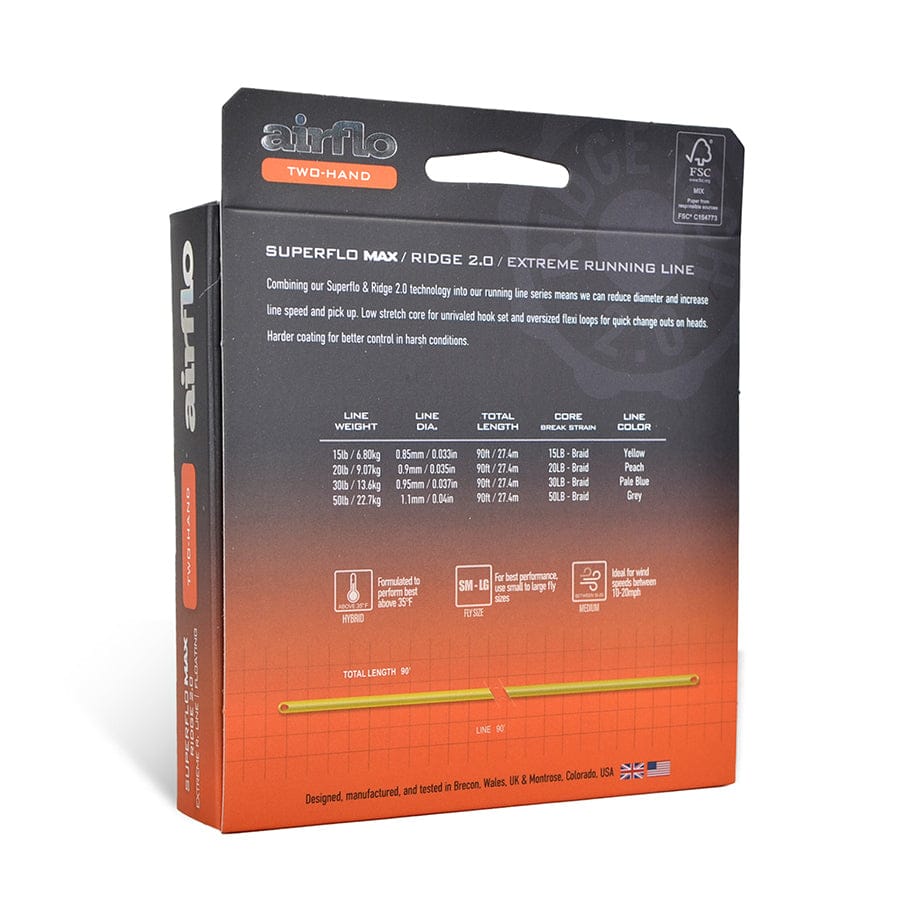
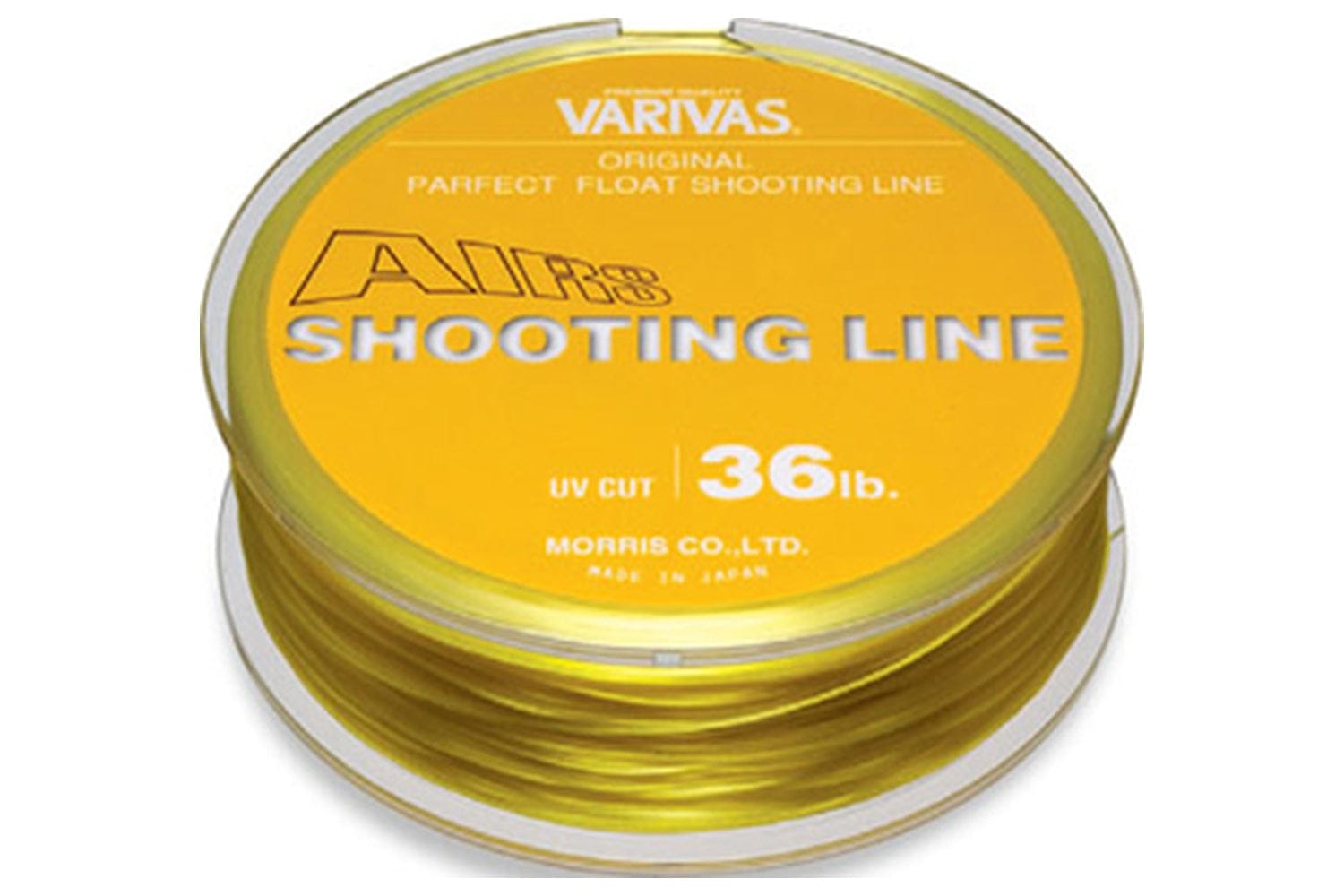
Running Line Quick Picks
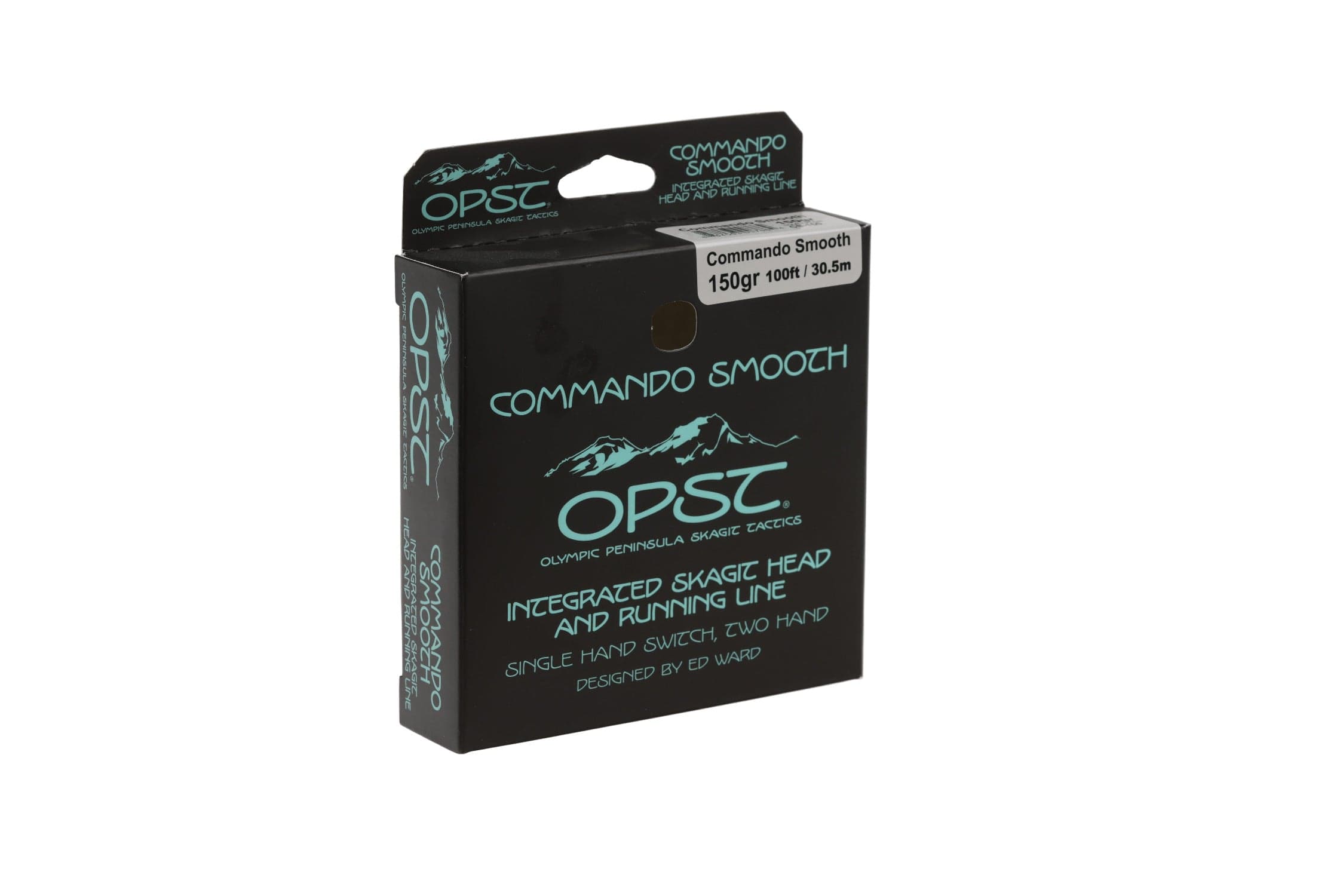
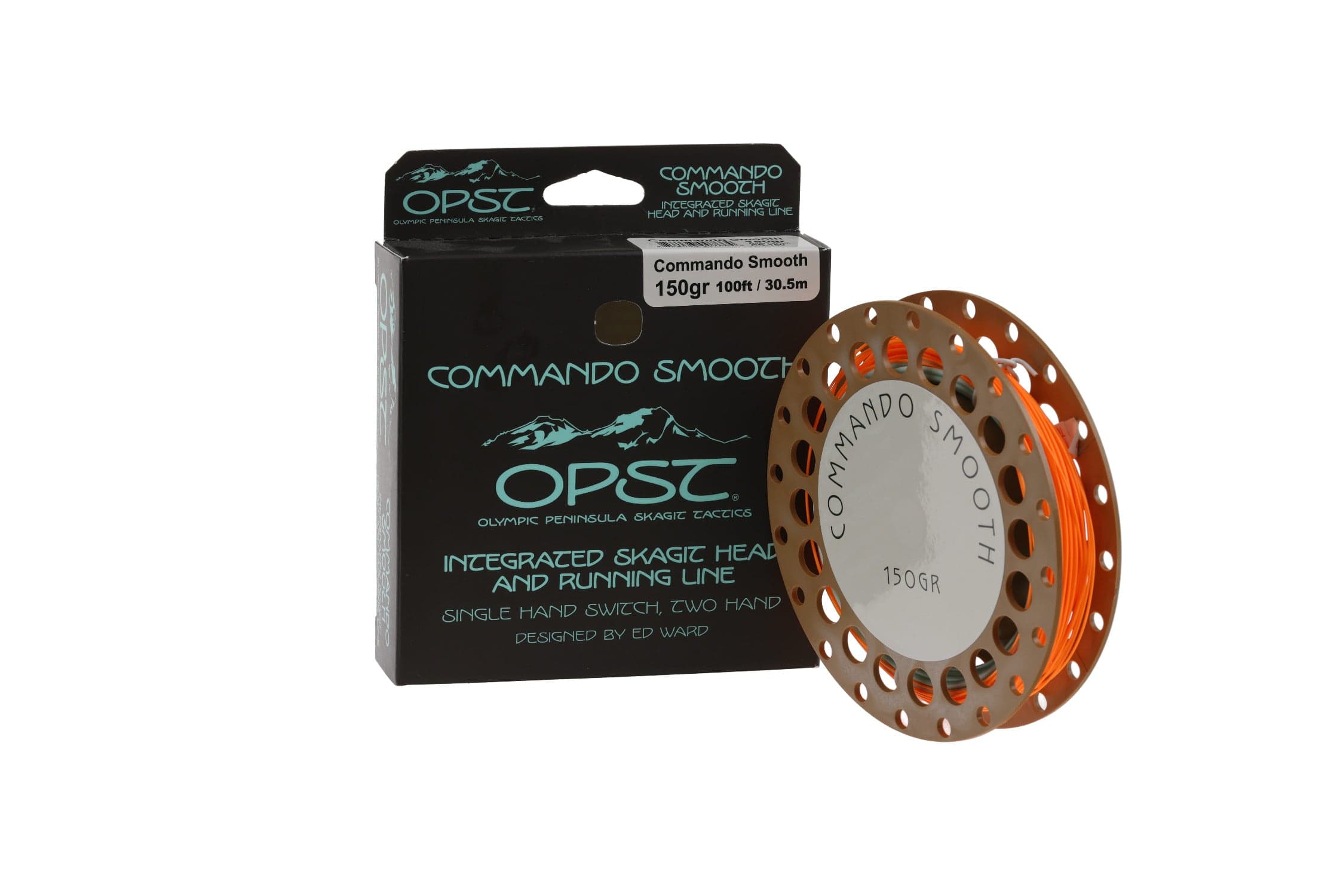
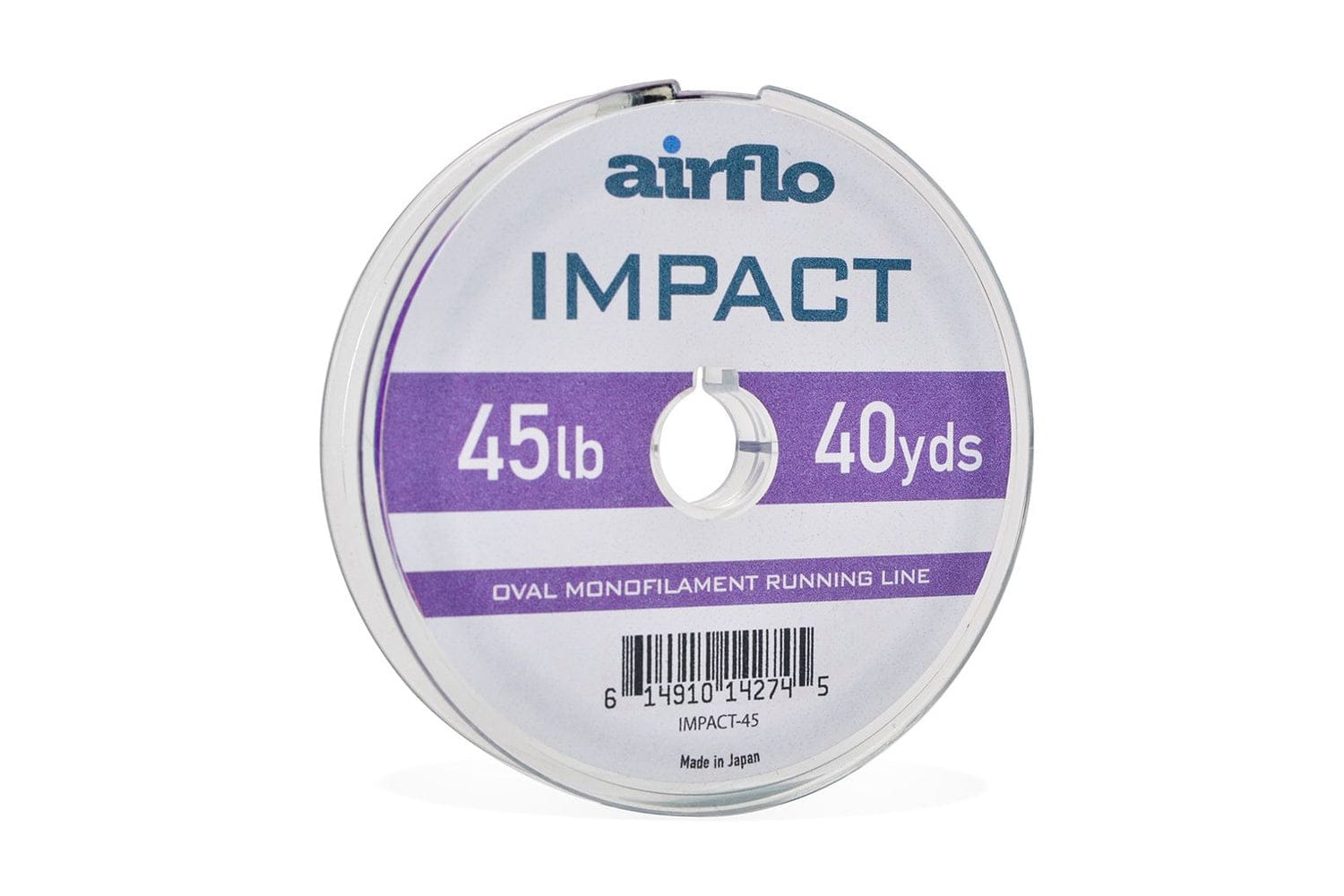
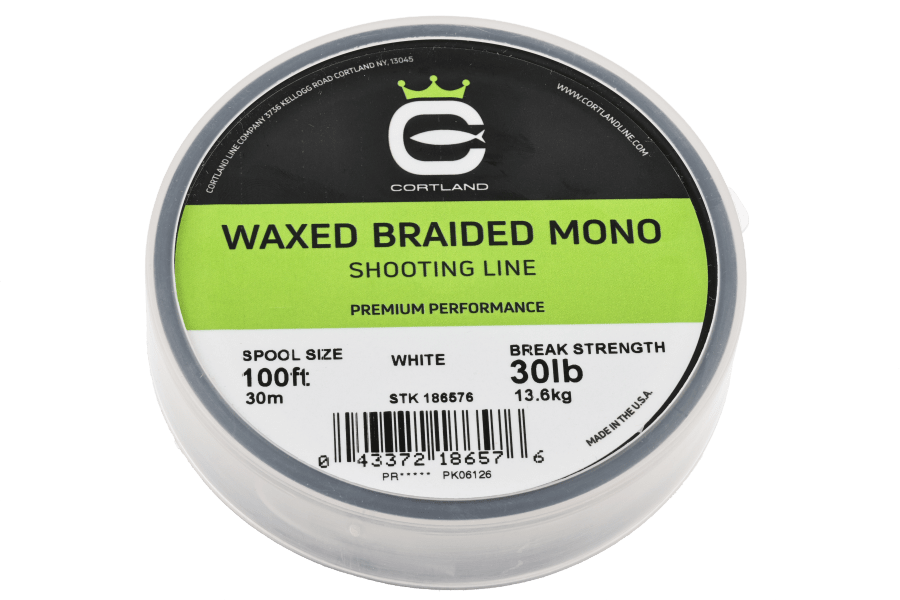
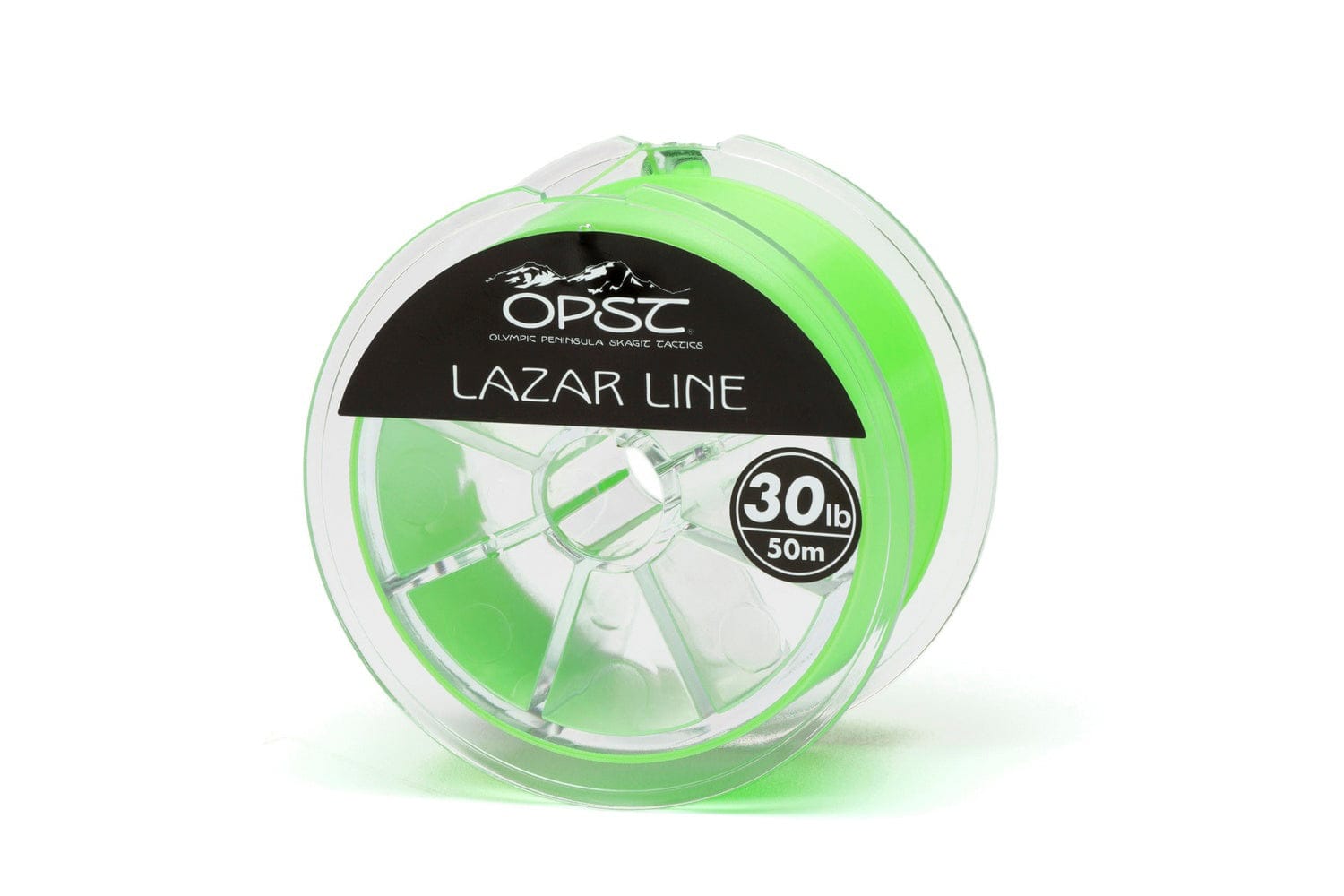
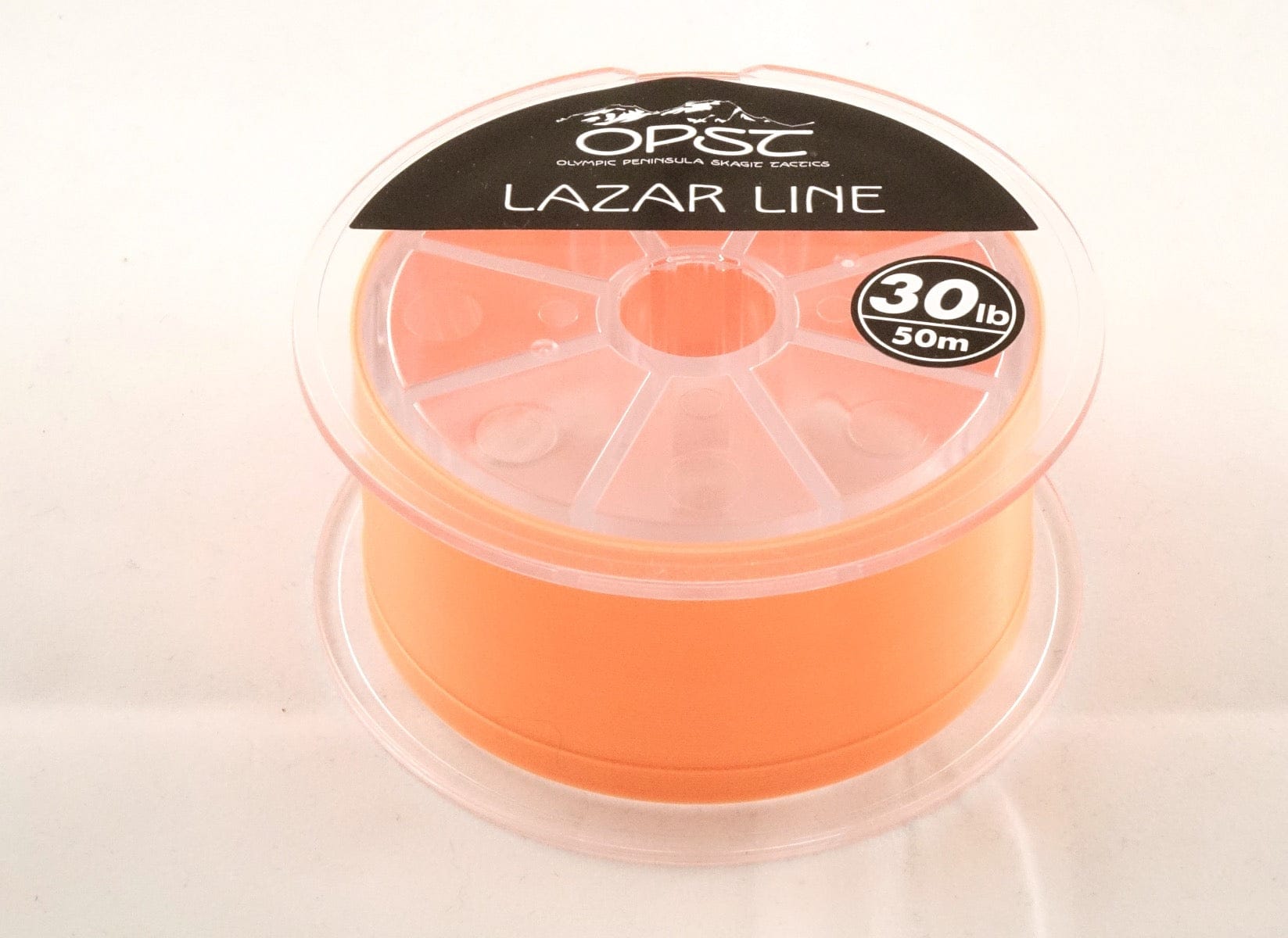
Best Monofilament: OPST Pure Skagit Lazar Running Line - A favorite among Skagit anglers for its exceptionally low memory and slick finish. This hydrophobic mono shoots incredibly far and stays manageable even in cold water.
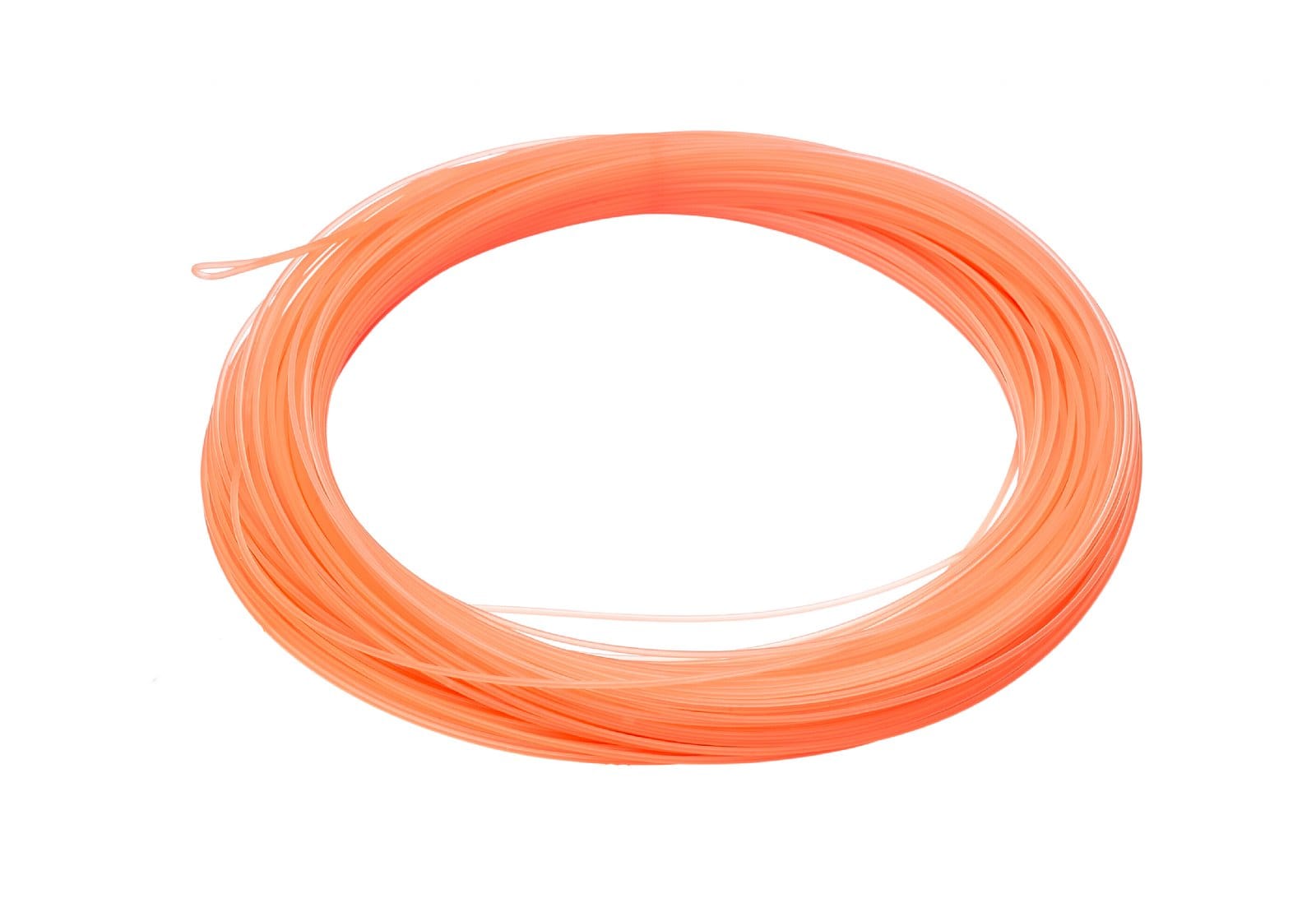
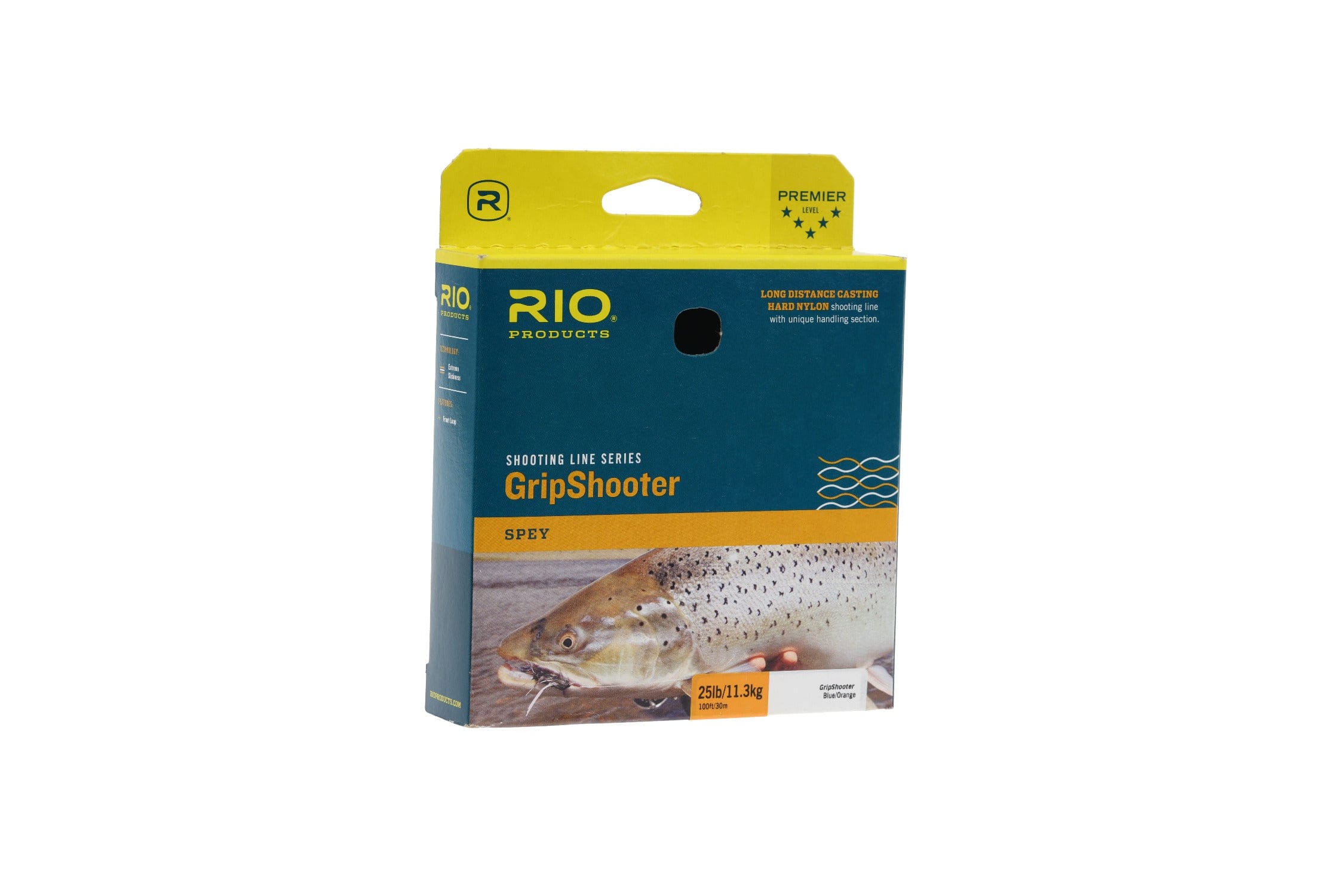
Best Hybrid Design: Rio GripShooter Fly Line - Combines the distance of monofilament with a coated handling section. This design gives you the grip you need for mending and casting while still offering mono-level shooting performance.
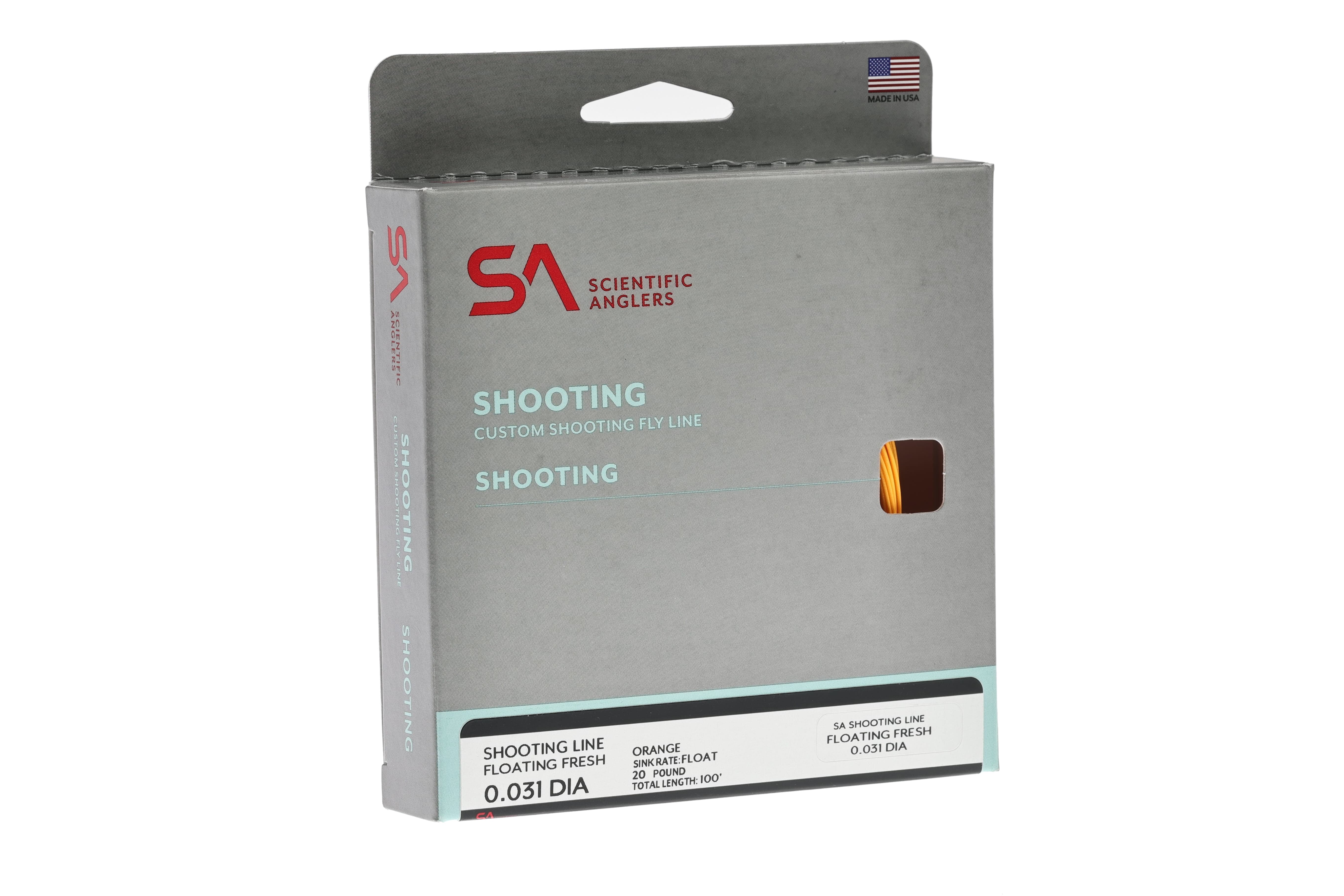
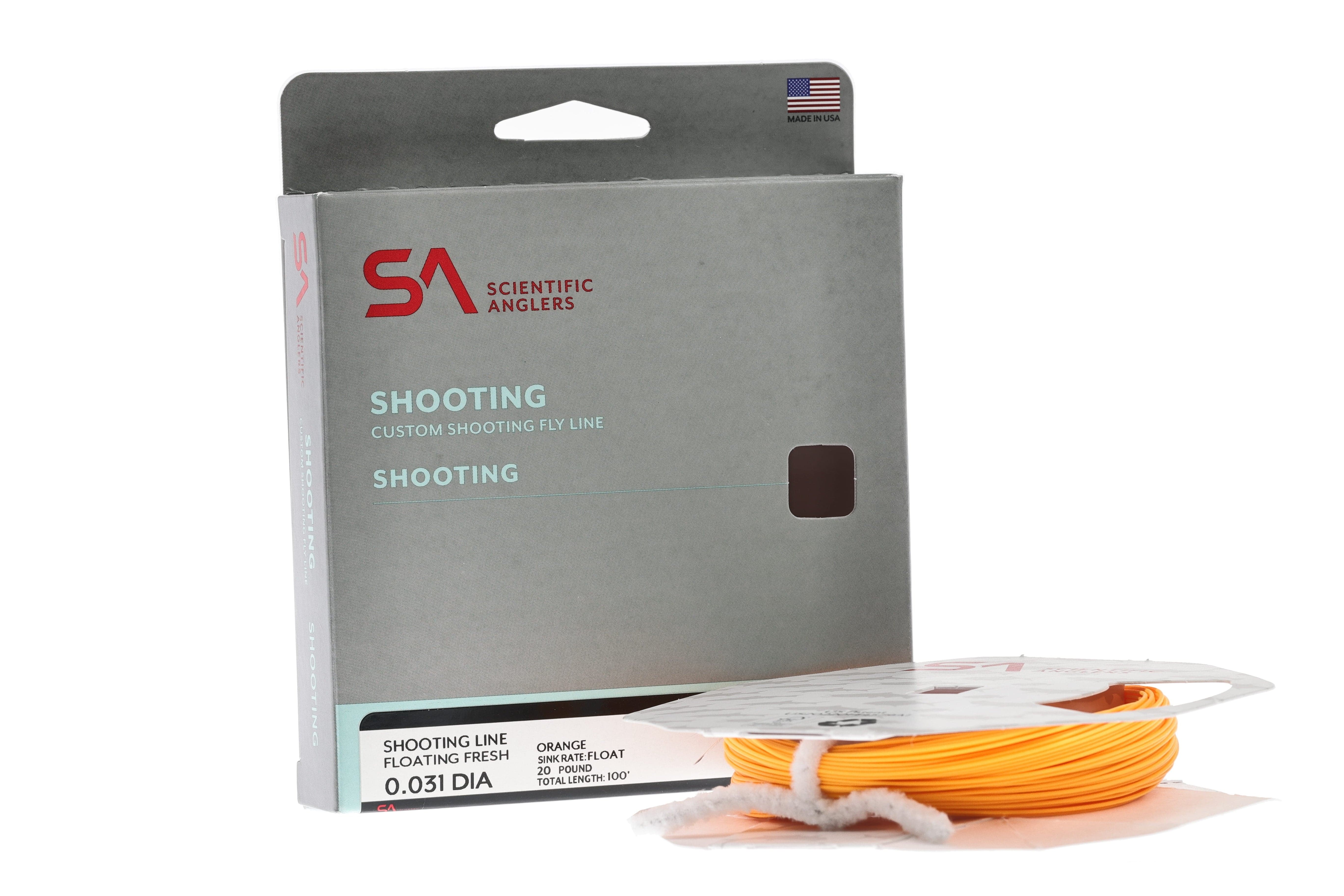
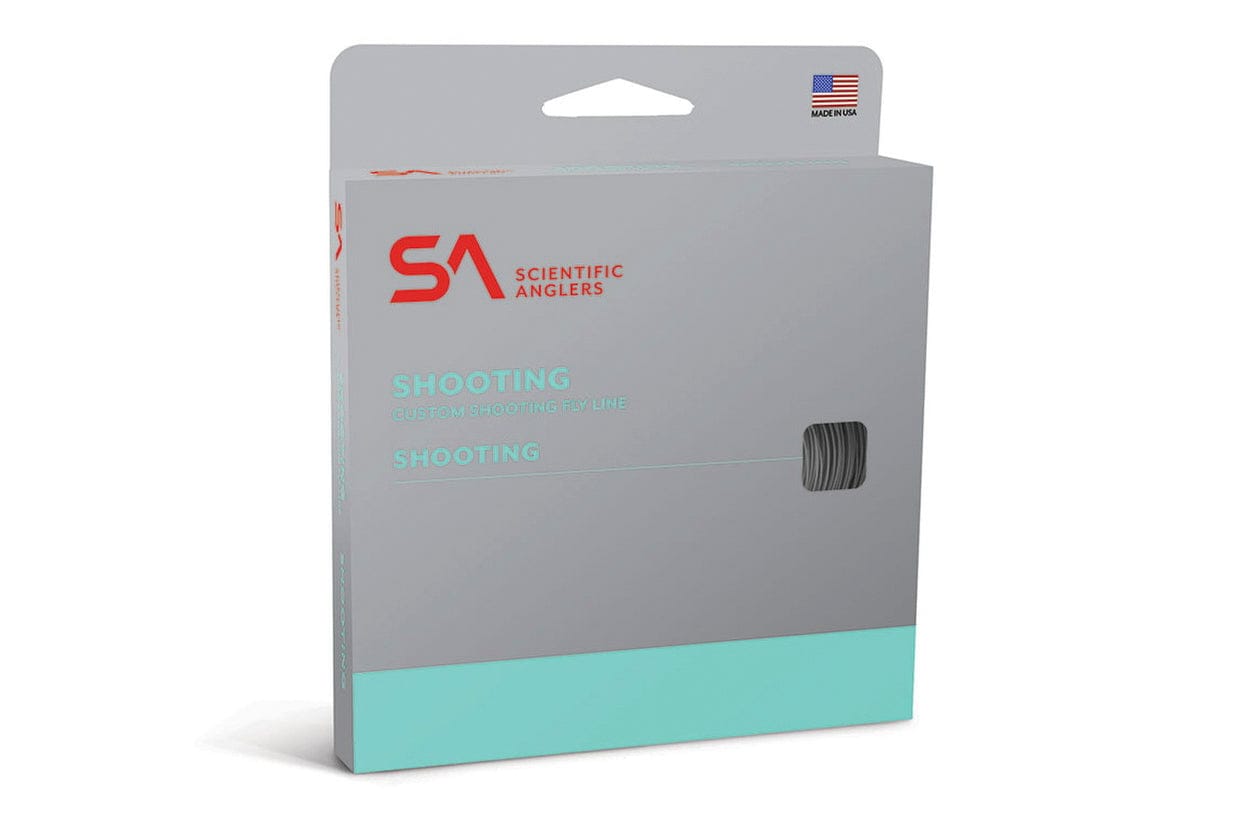
Best Flat Mono: Scientific Anglers Absolute Flat Mono - Features a unique rectangular profile that significantly reduces line twist. The flat shape also provides better finger traction than round mono, making it easier to hold during the cast.
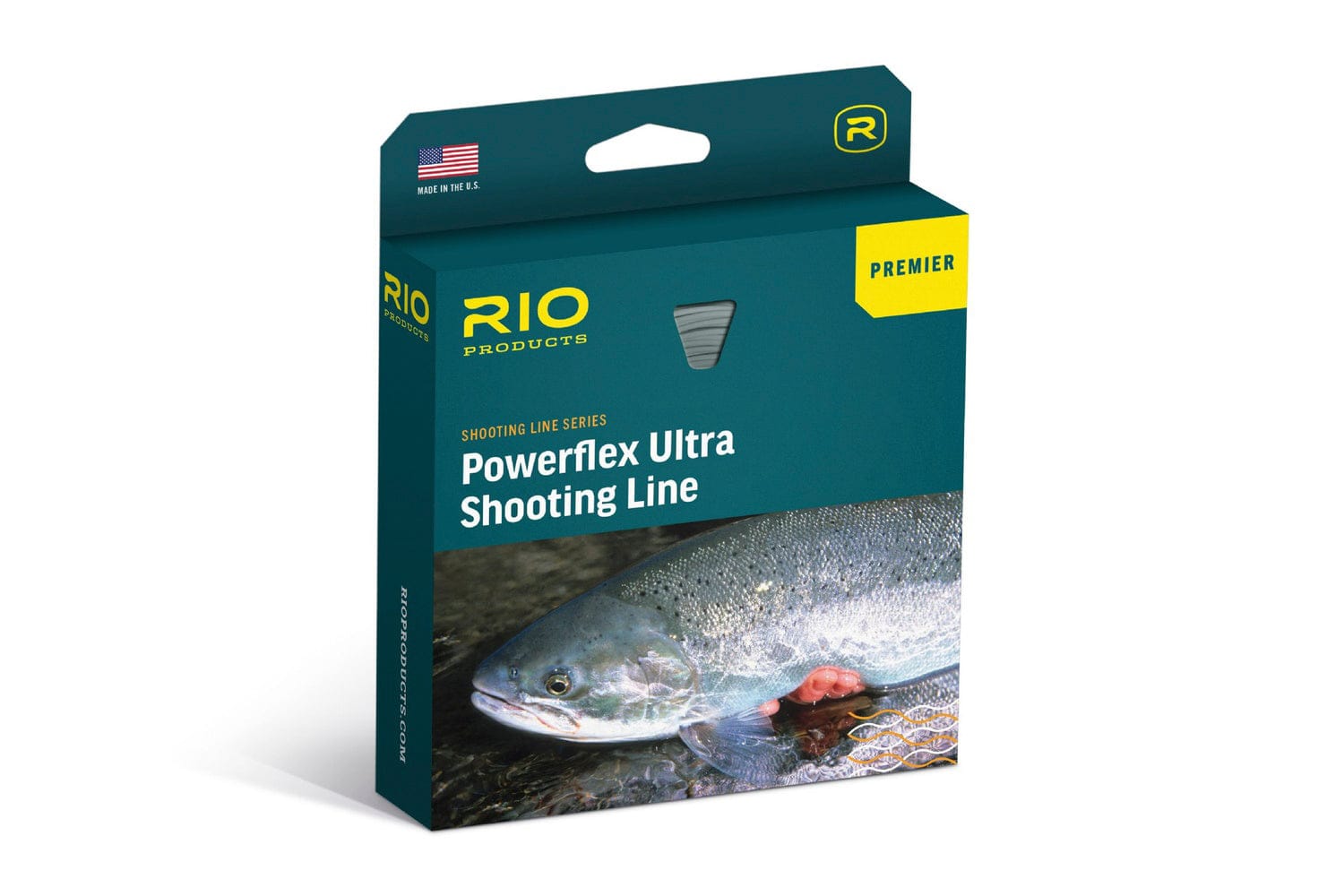
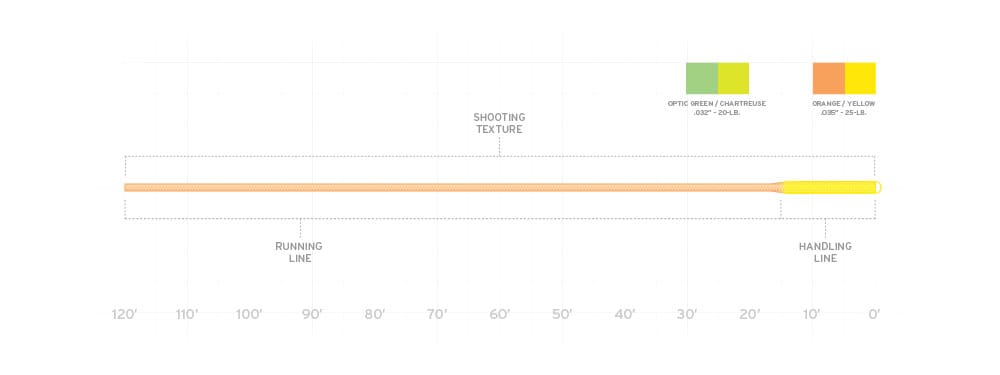
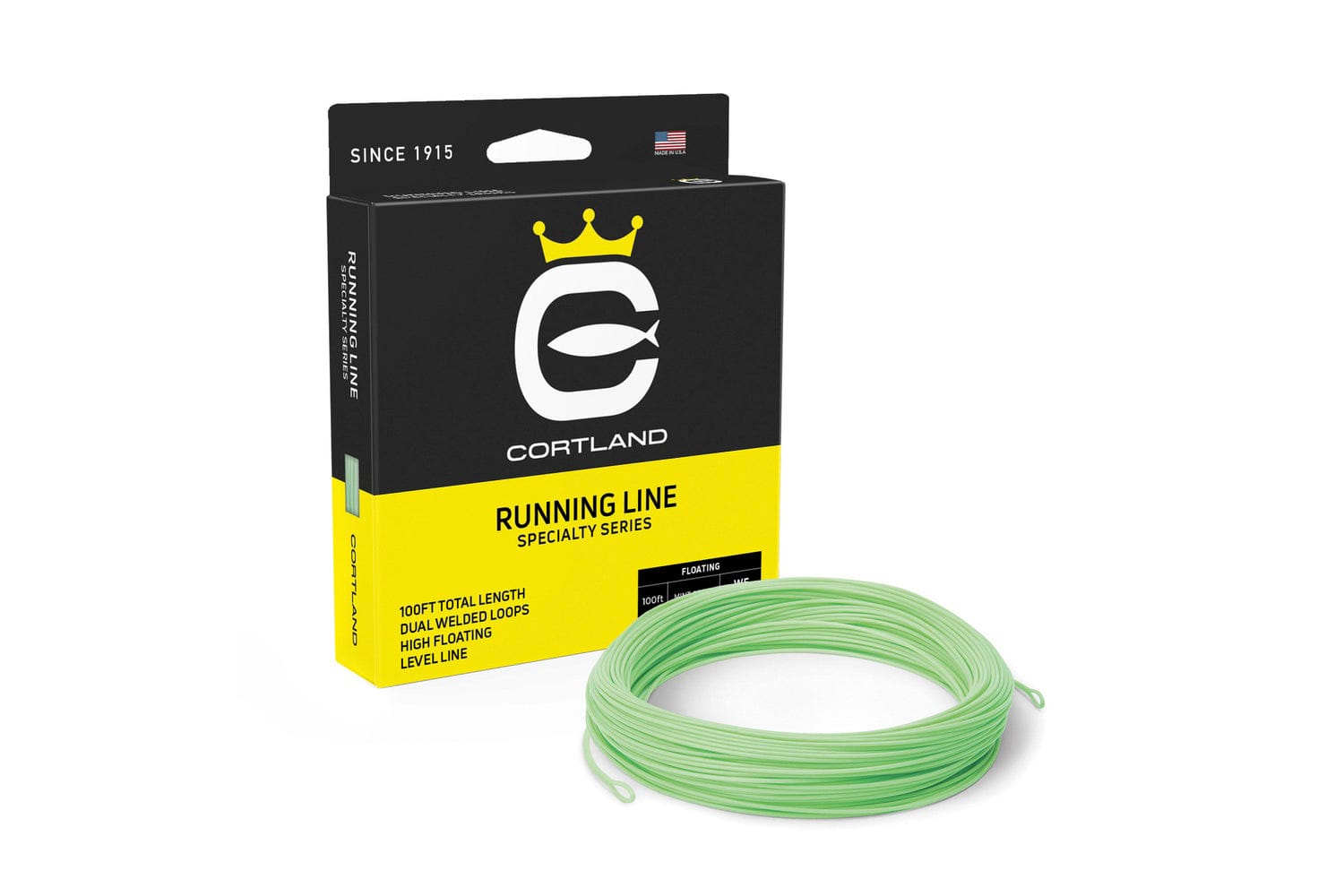
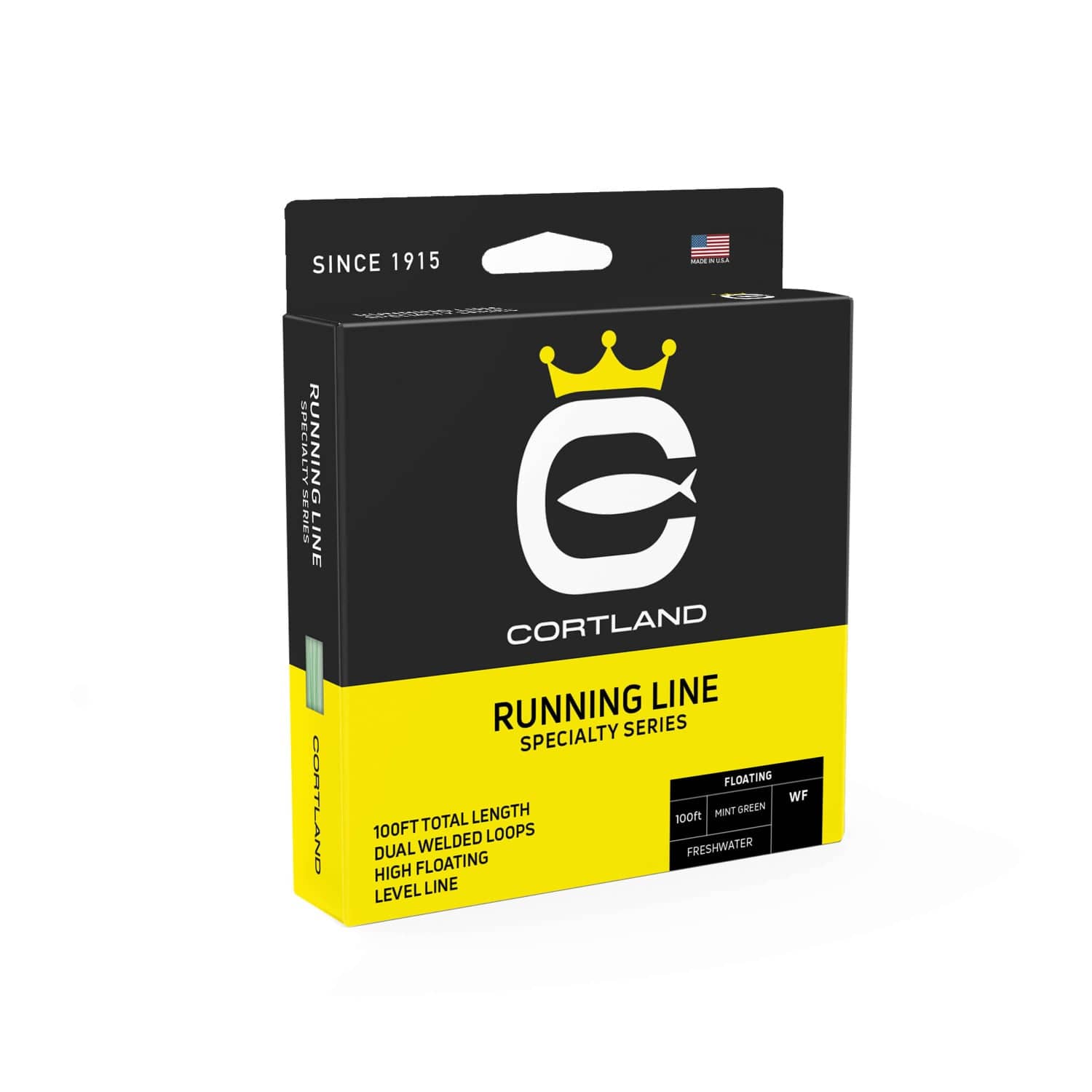
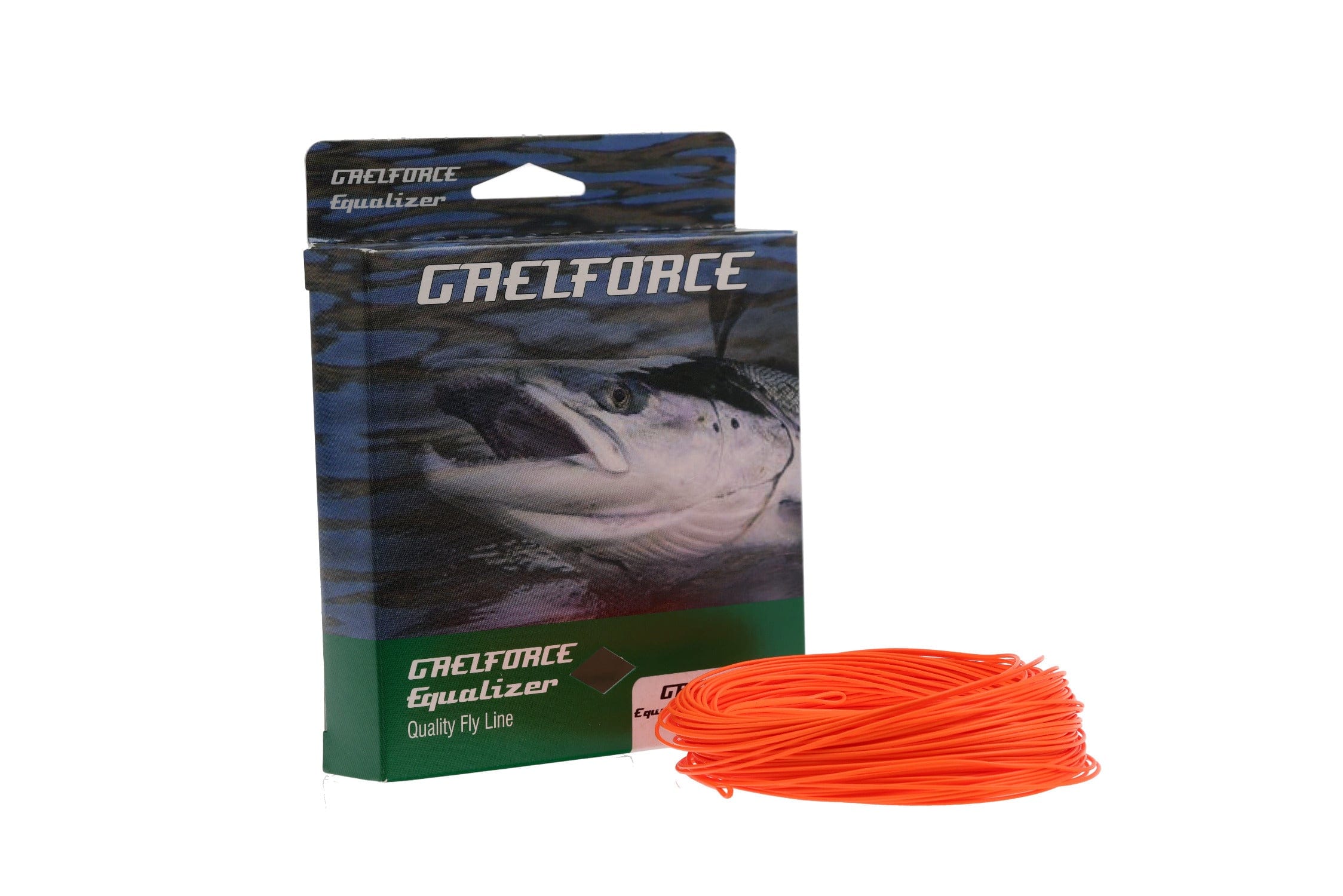
Best Traditional Coated: Rio Powerflex Ultra Shooting Line - Ideal for anglers who prefer the feel of a standard fly line. This coated option floats high, handles easily, and is less prone to tangling than monofilament alternatives.
How to Choose Running Line
Selecting the right running line is a balance between casting distance, line management, and grip. The running line connects your backing to your shooting head (Skagit or Scandi) and is the section of line you hold and release during the cast.
Material: Monofilament vs. Coated
Monofilament: Mono running lines, like the OPST Lazar Line or Rio SlickShooter, are extremely thin and slick. They offer the least resistance in the guides, allowing for maximum casting distance. However, they can be slippery to hold, especially with cold hands, and may require stretching to remove memory.
Coated: These lines feature a core and a PVC or polyurethane coating, similar to a standard fly line but level in diameter. They are easier to grip, mend, and manage than mono, making them a great choice for beginners or anglers fishing in freezing conditions. The trade-off is slightly more friction, which can reduce maximum casting distance.
Shape and Profile
Round: The traditional shape for most running lines. Round mono shoots well but can sometimes twist during long days of casting.
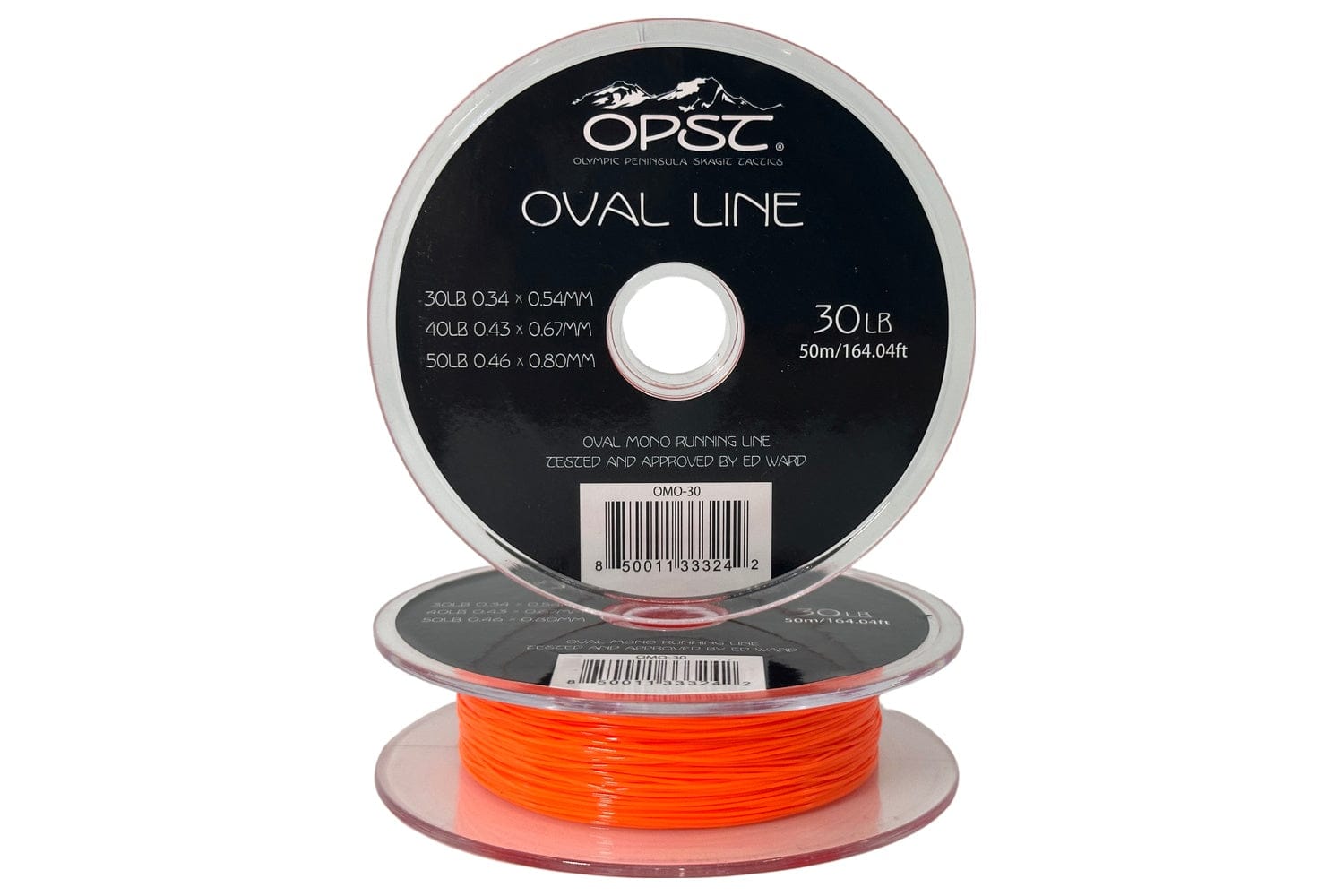
Flat or Oval: Lines like the Scientific Anglers Absolute Flat Mono are designed with a non-round profile. This shape helps prevent the line from rolling and twisting, reducing tangles. It also offers a wider surface area for your fingers to grip.
Diameter and Strength
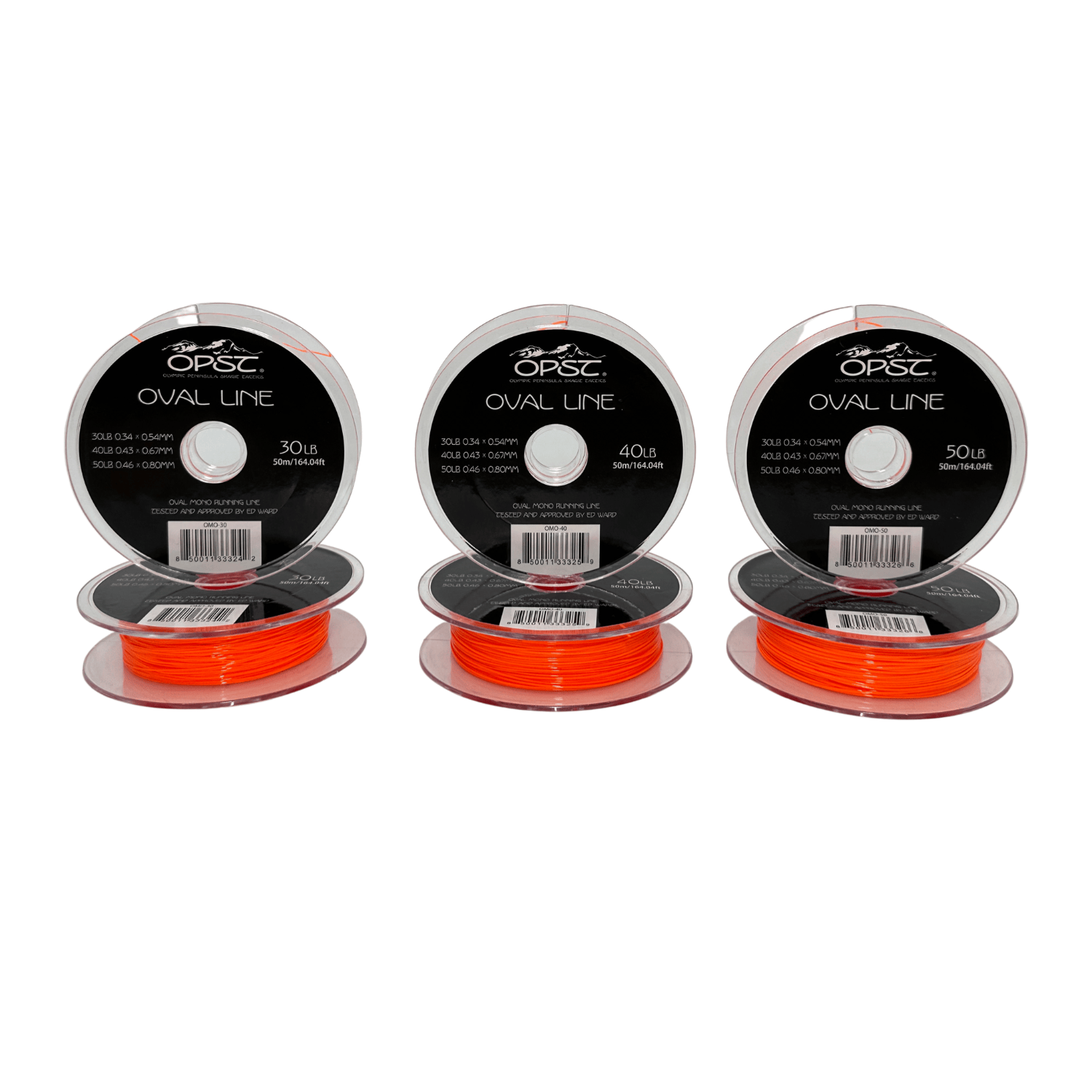
Running lines typically range from 20lb to 50lb test. Thinner lines (20-30lb) create less drag and shoot further, making them ideal for Trout Spey and lighter switch rods. Thicker lines (40-50lb) are easier to handle, tangle less, and help turn over heavy Skagit heads on larger Spey rods.
Care & Maintenance
Stretching: Monofilament running lines often develop memory (coils) while on the reel. Before fishing, pull off your casting length and give it a firm stretch to straighten it out.
Cleaning: Dirt and algae buildup will increase friction and reduce shooting distance. Clean your running line periodically with mild soap and water or a specialized line cleaner.
Inspection: Running lines drag across rocks and gravel constantly. Inspect them regularly for nicks or abrasions that could cause a break on a big fish.
Complete Your Setup
Related Gear
Shooting Heads - Pair your running line with the perfect Skagit or Scandi head for your rod.
Backing - Ensure you have reliable backing connecting your running line to the reel spool.
Running Line FAQs
Q: What is the difference between running line and shooting line?
A: The terms are often used interchangeably. Both refer to the thin, level line behind the shooting head that allows for long-distance casting. Some manufacturers use "shooting line" for monofilament and "running line" for coated options, but the function is the same.
Q: Which running line is best for beginners?
A: A coated running line or a hybrid like the Rio GripShooter is often best for beginners. The added thickness and coating make it easier to handle, grip, and manage compared to slick monofilament.
Q: Do I need a specific reel for running line?
A: No, but you need a reel with a full frame (caged) design if you use thin monofilament running lines. Thin mono can slip between the spool and frame of open-frame reels, causing jams.
Q: How do I connect running line to my backing and shooting head?
A: Most modern running lines come with large welded loops on the front end for a loop-to-loop connection with the shooting head. The back end connects to your backing, usually via a loop-to-loop or a nail knot.