



























Fly Fishing Flies Explained (Streamers, Nymphs, Dry Flies & More)
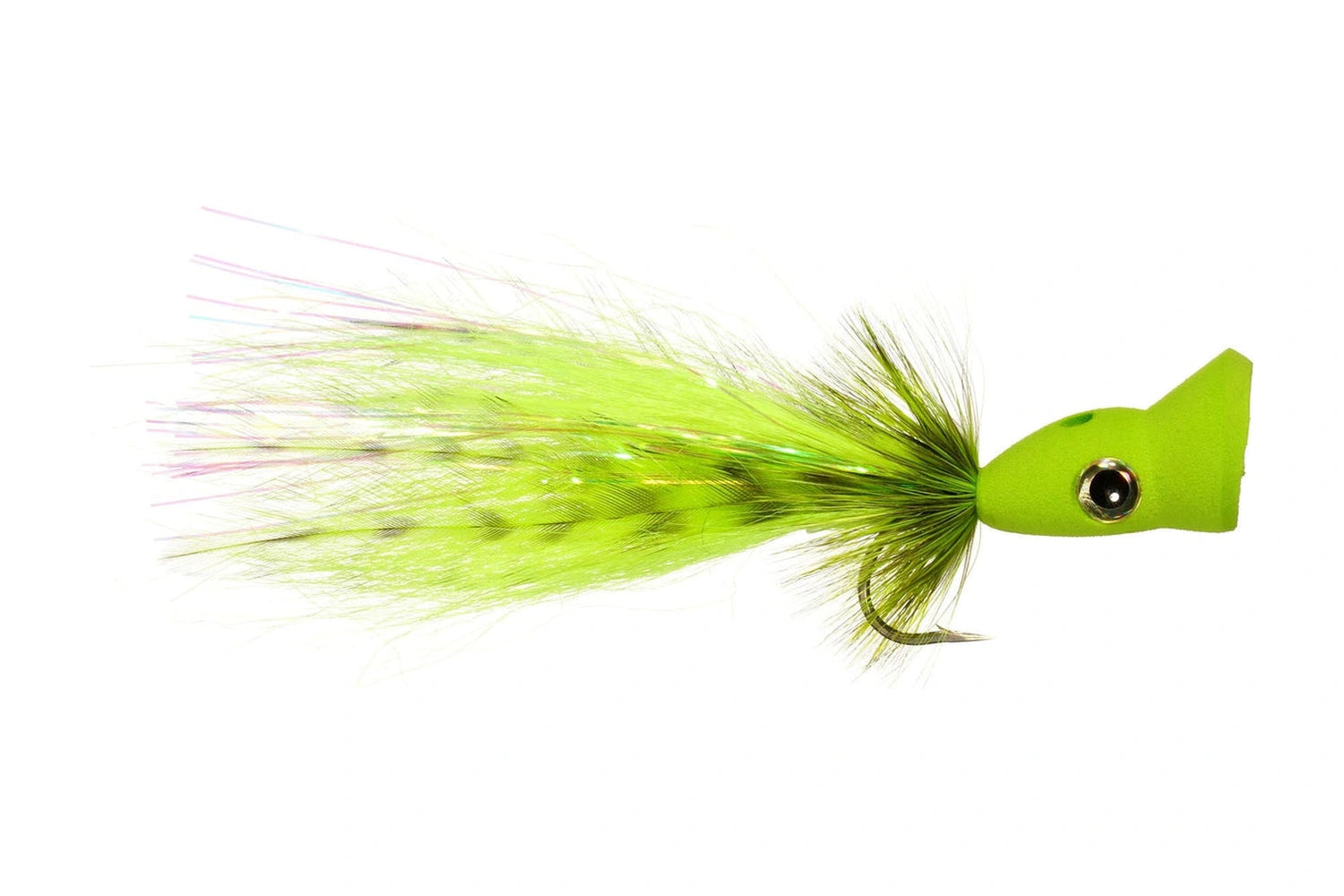
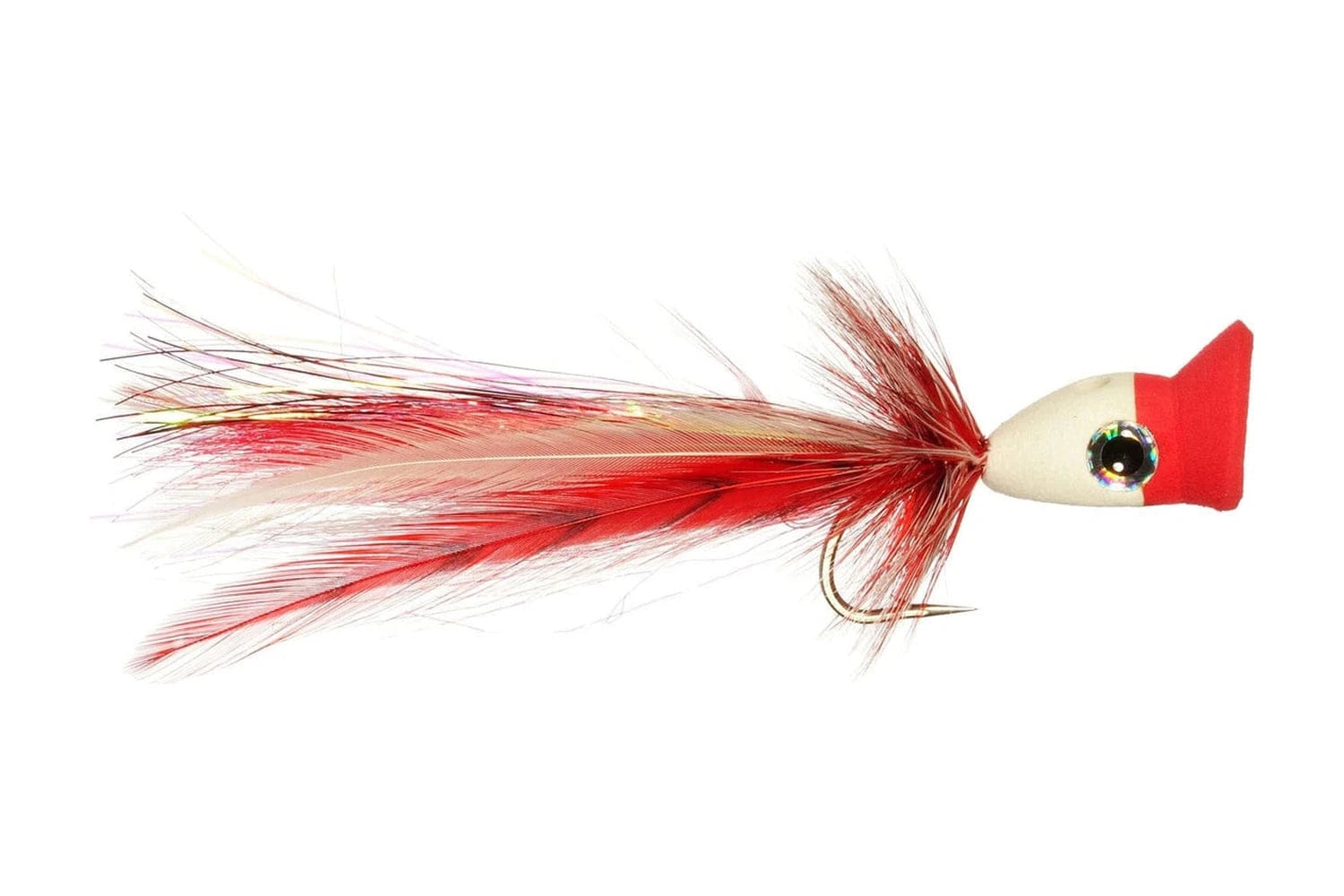
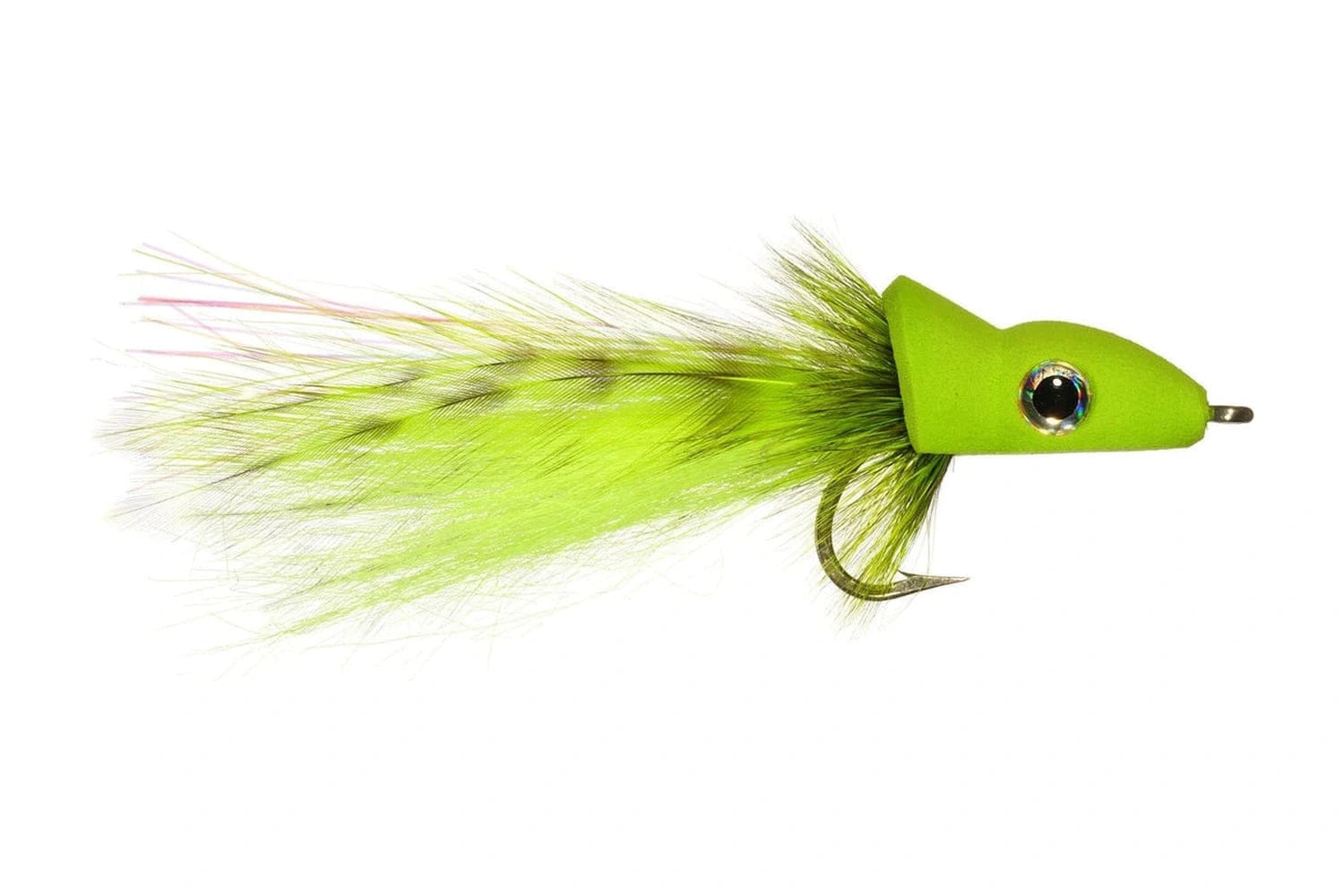
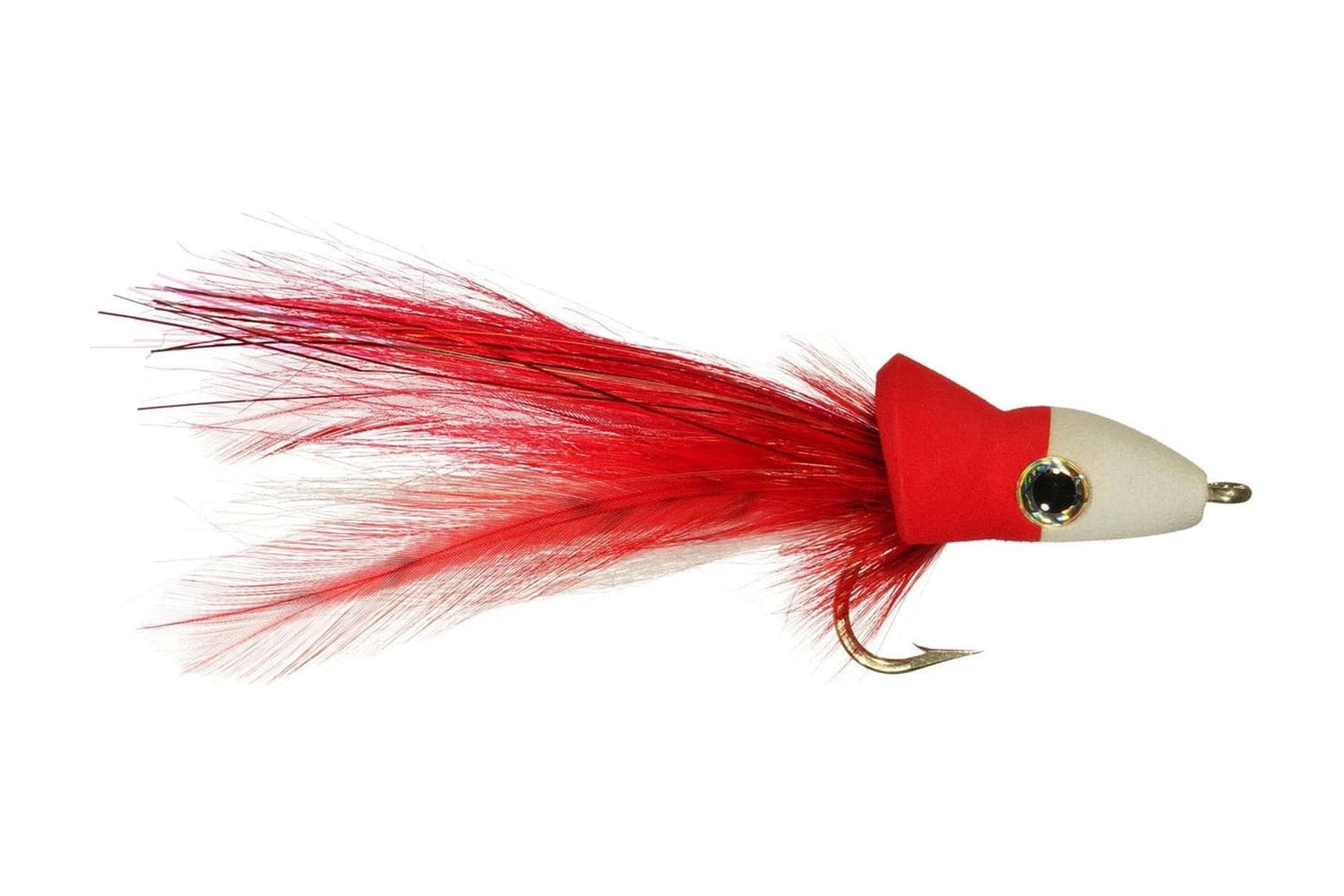

Rainy's Flies Quick Picks
- Best All-Around: Rainy's Flies - Best if you want one place to start for proven freshwater and saltwater patterns. The collection is small and curated, so it’s easy to grab confidence flies without overthinking it.
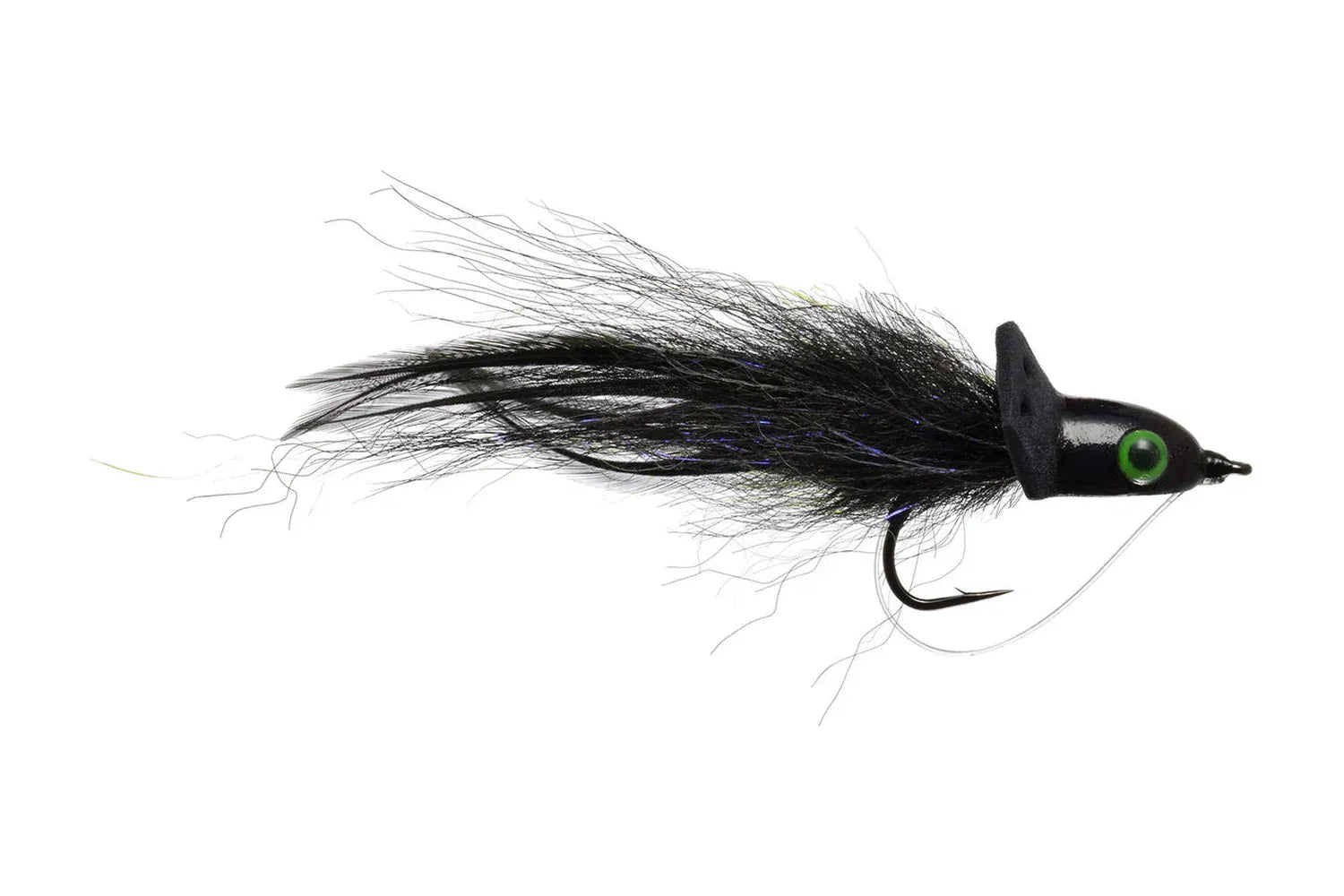
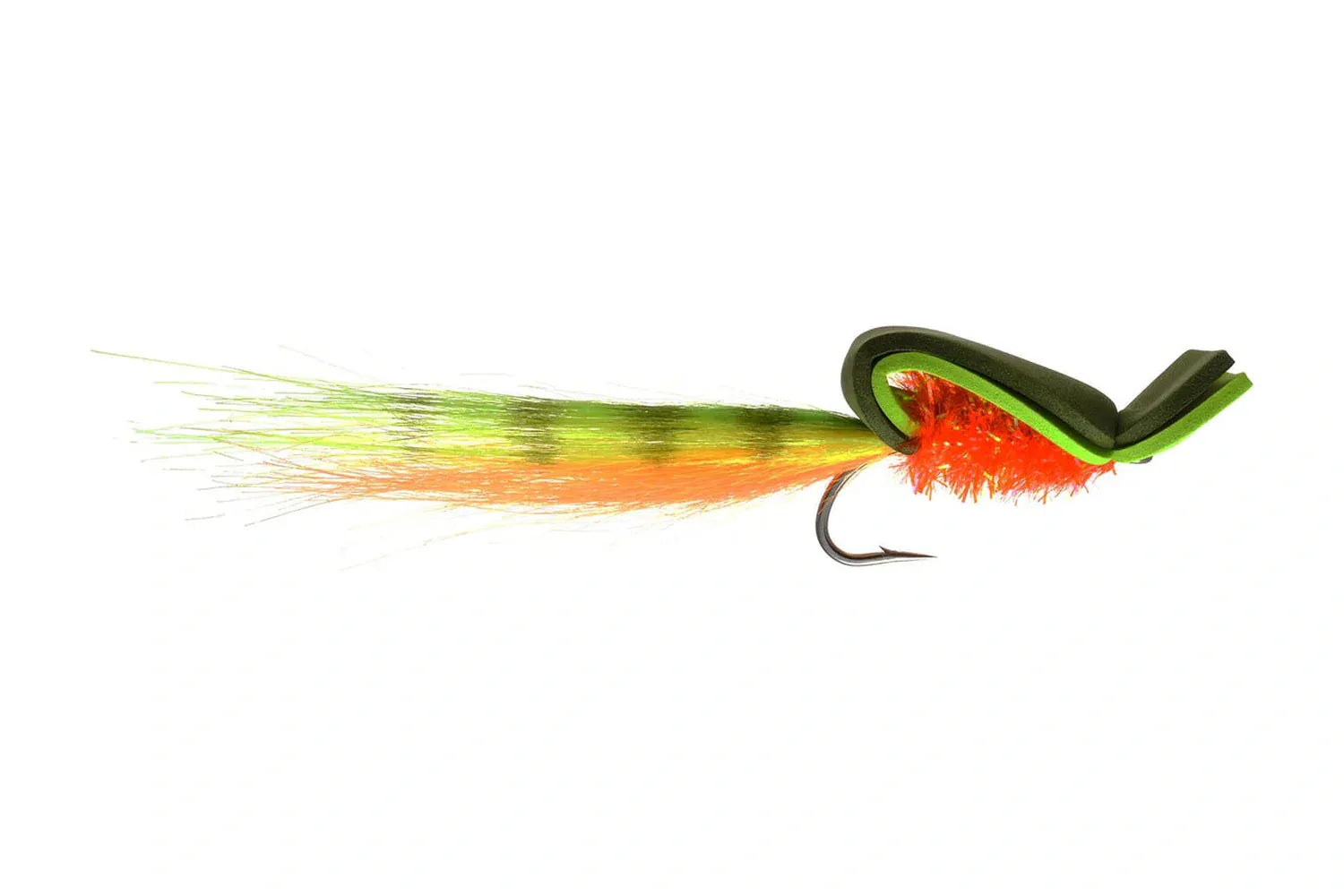
- Best for Saltwater Poppers: Rainy's CF Gurgler Fly - Great for anglers who want a surface fly that’s easy to fish and fun to watch. It’s a clean, buoyant “gurgler-style” profile that pushes water on a strip and draws attention fast.
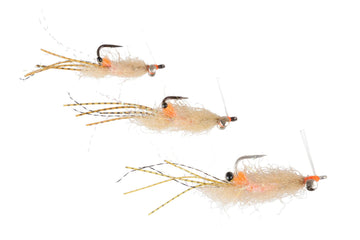
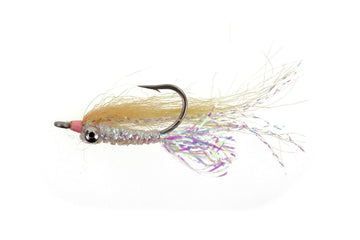
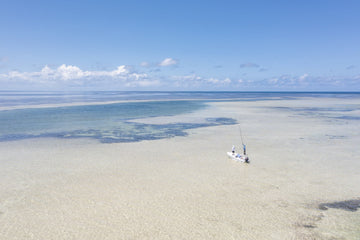
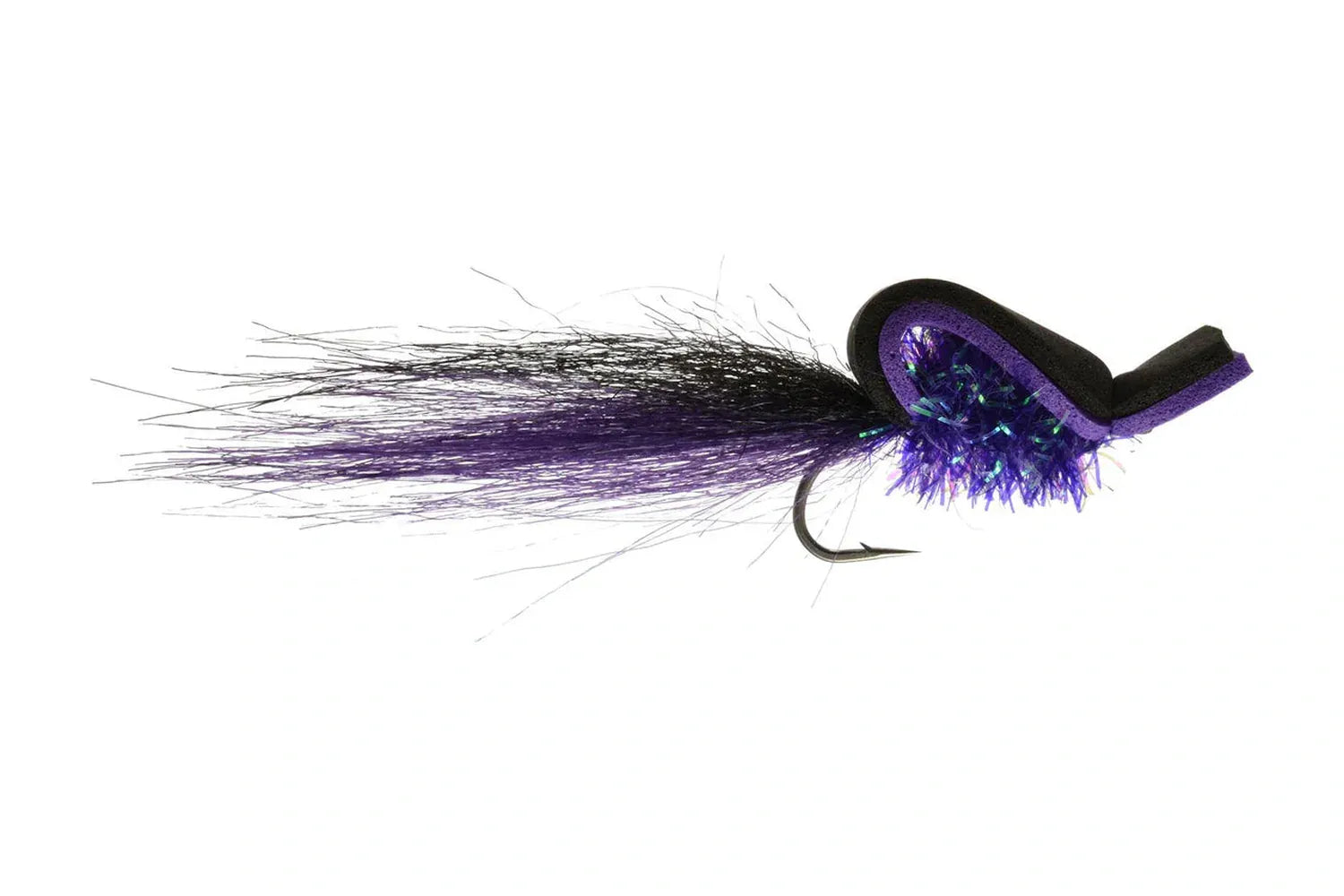
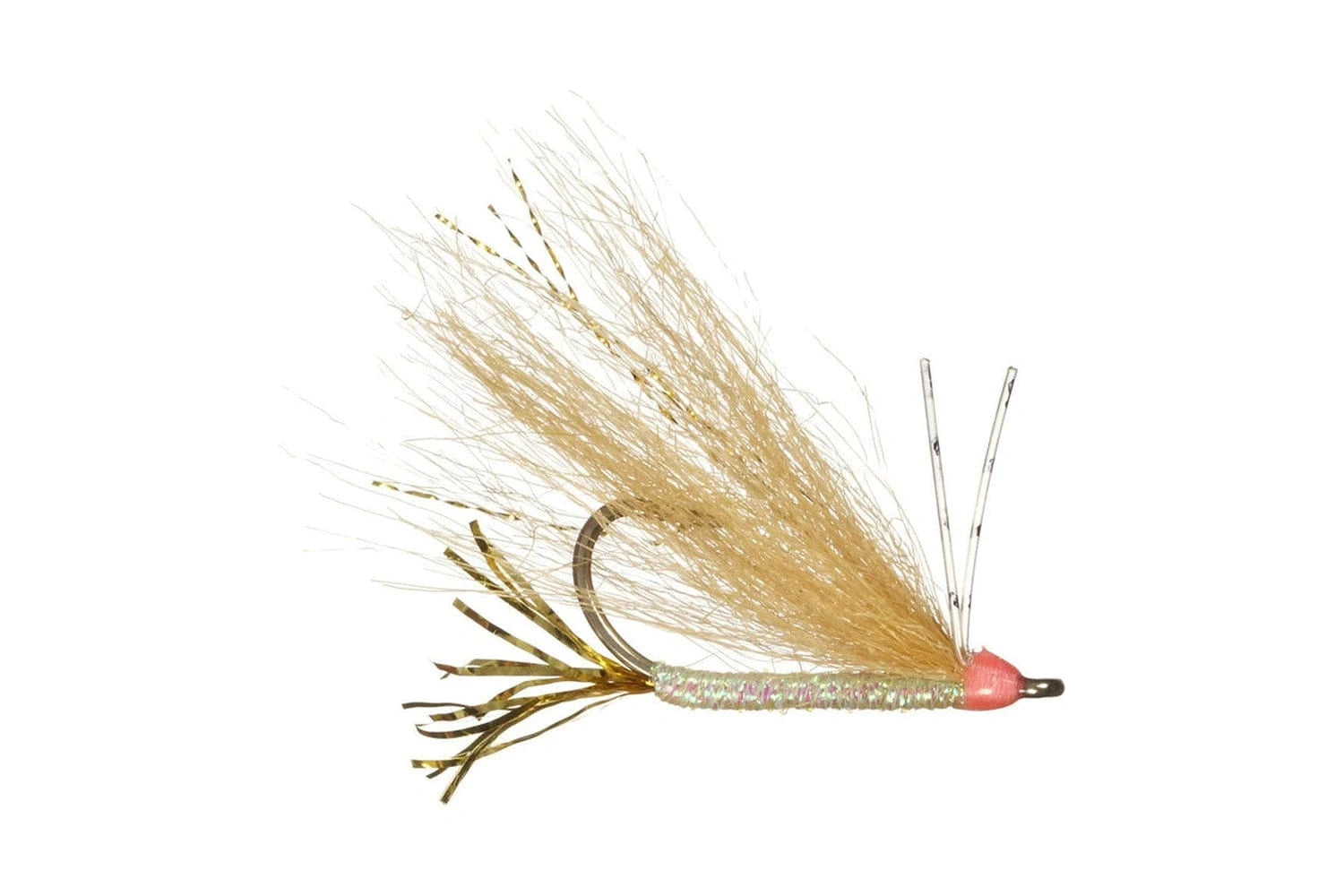
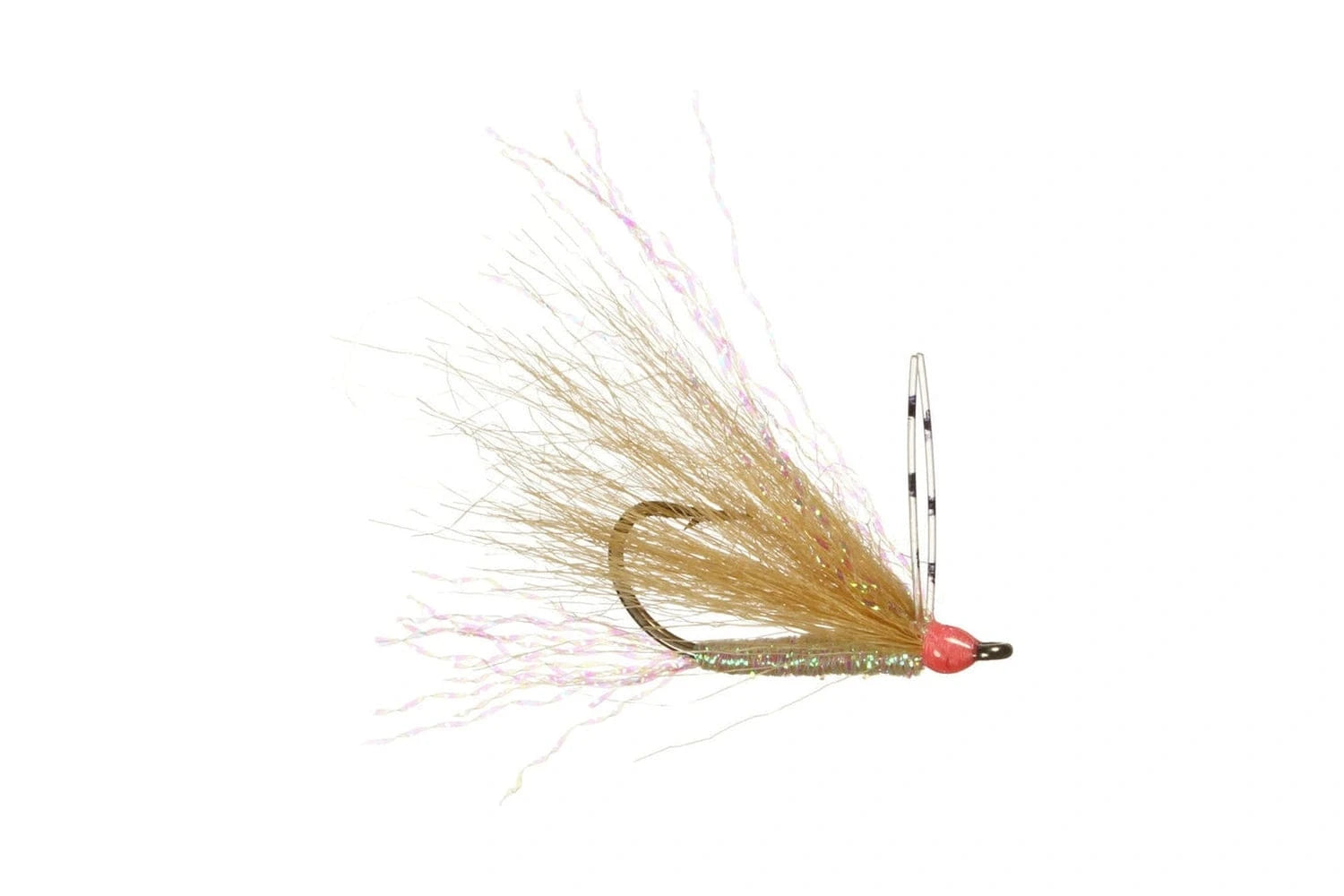
- Best for Bonefish Flats: Rainy's Skinny Water Gotcha Fly - A smart pick for shallow, clear flats where you need a lighter, quieter presentation. Fish it when bonefish are cruising skinny water and a heavy fly would land too hard or hang up.
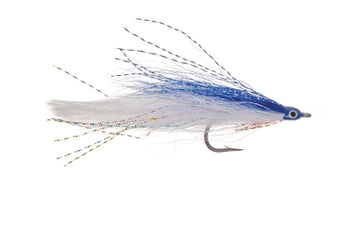
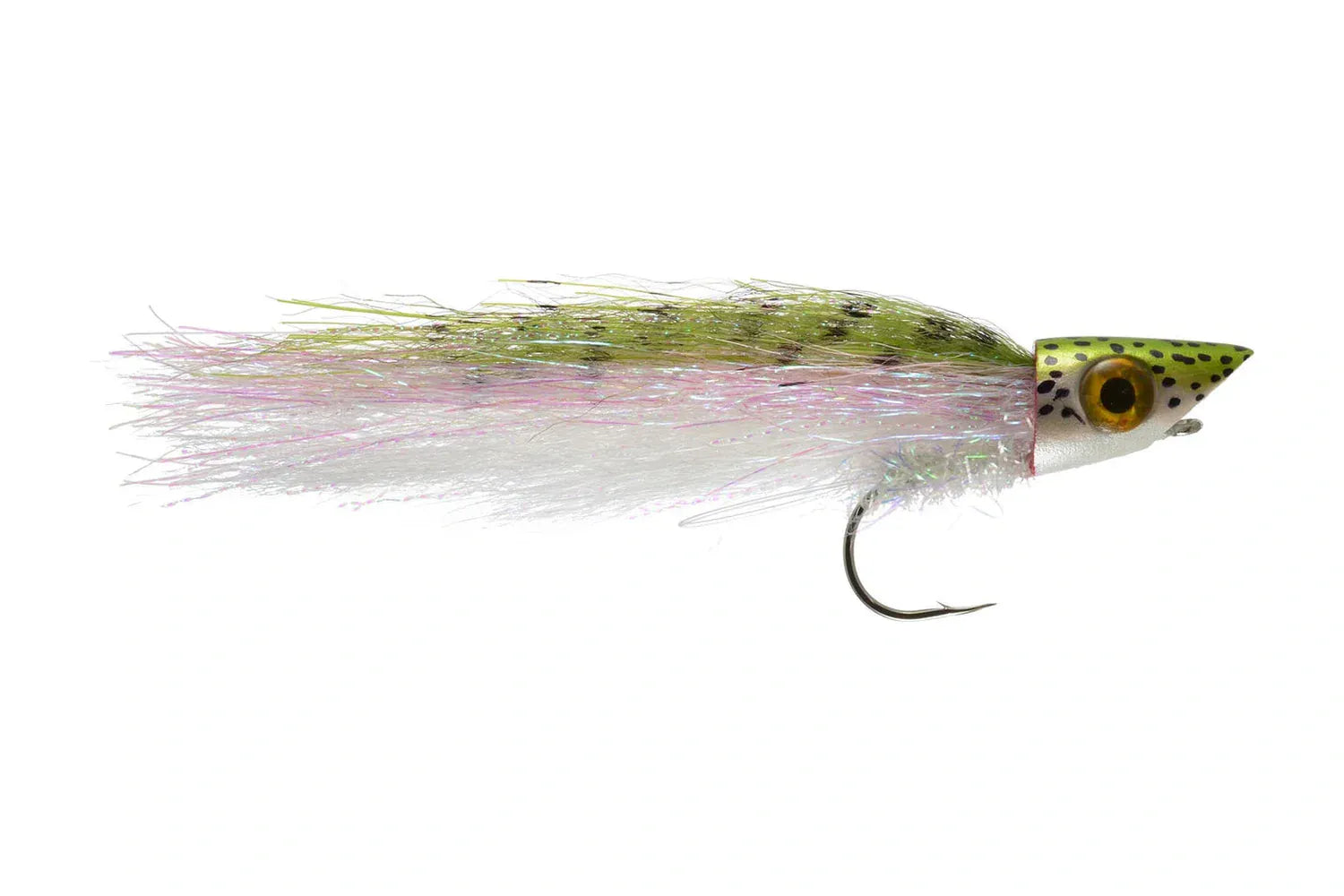
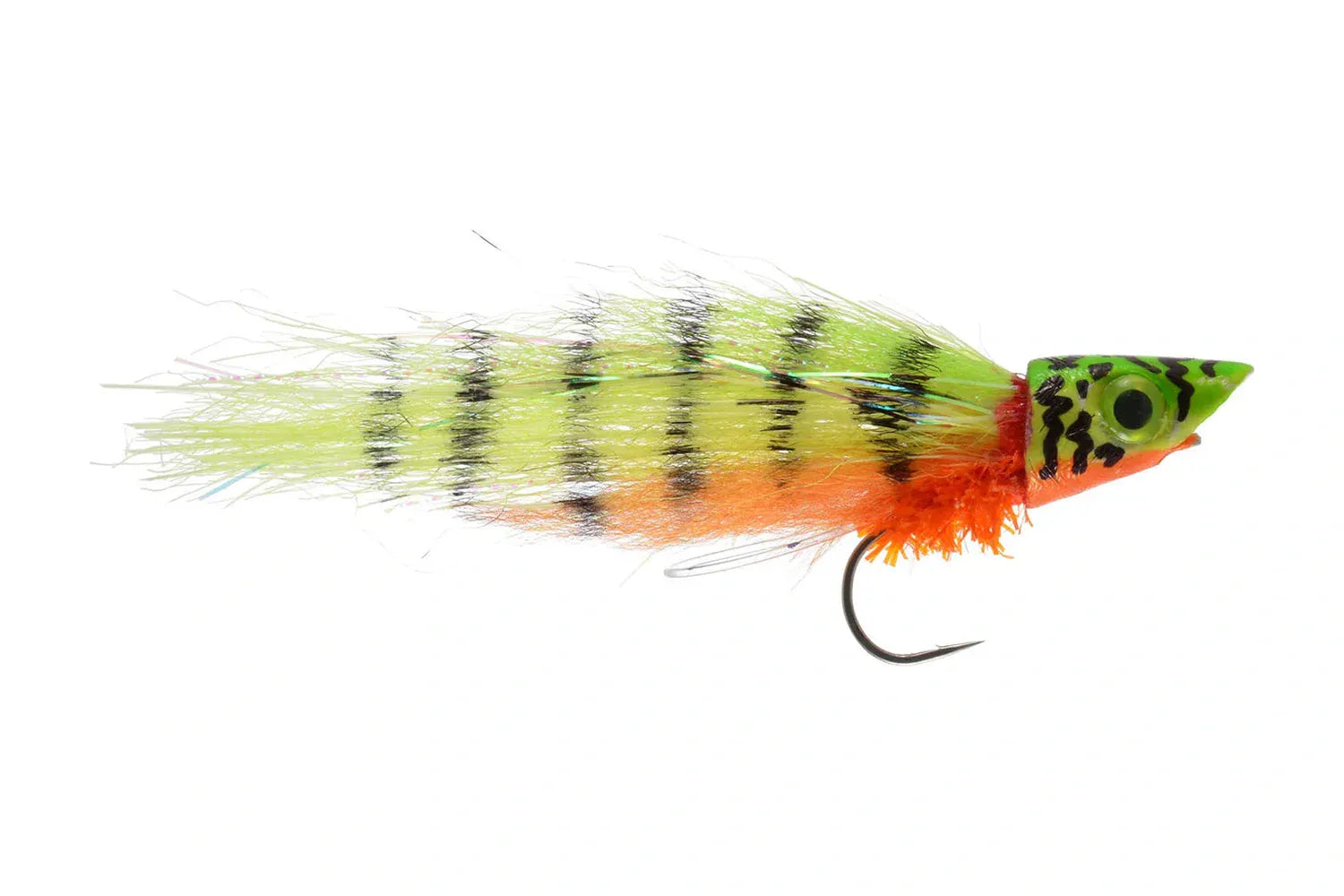
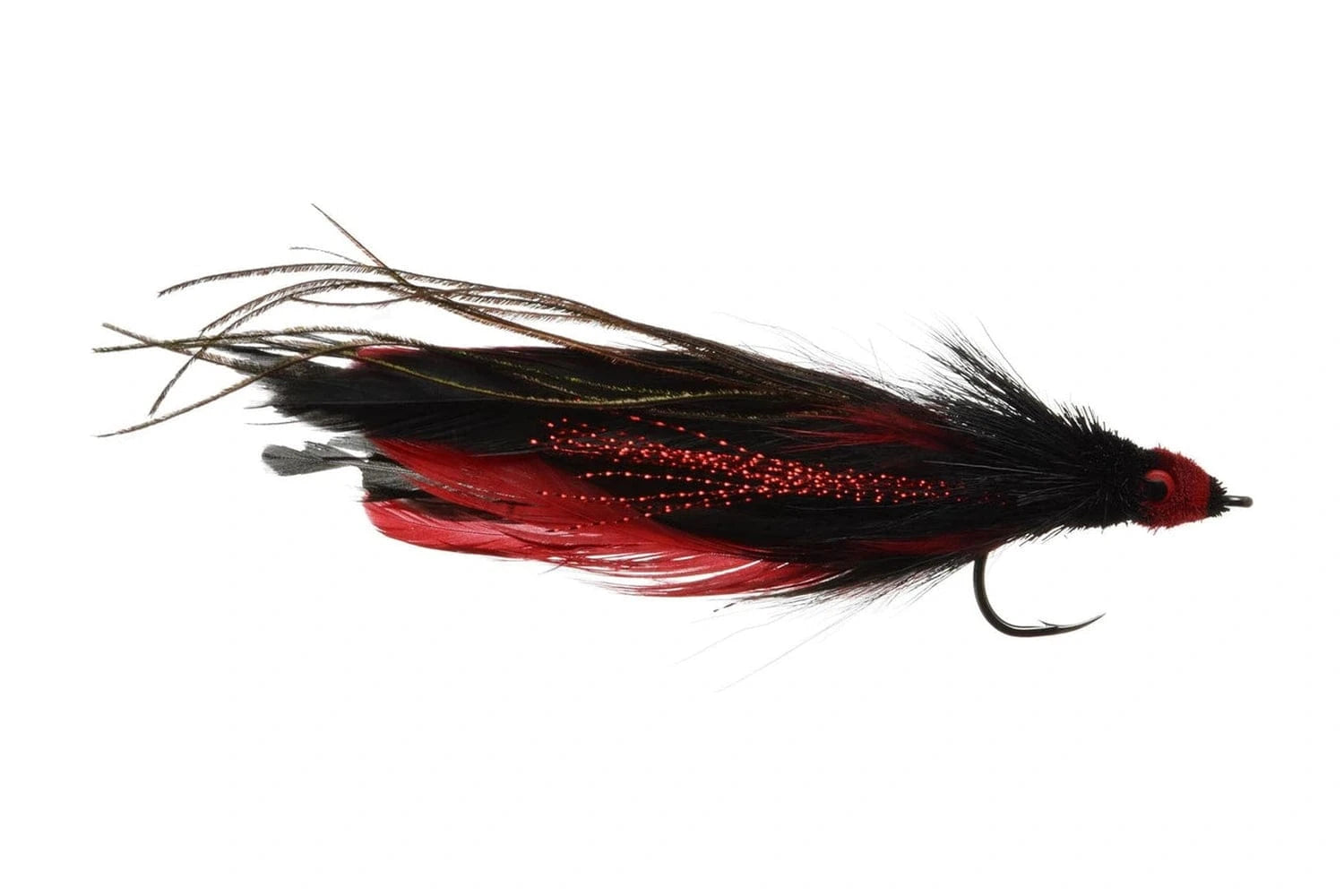
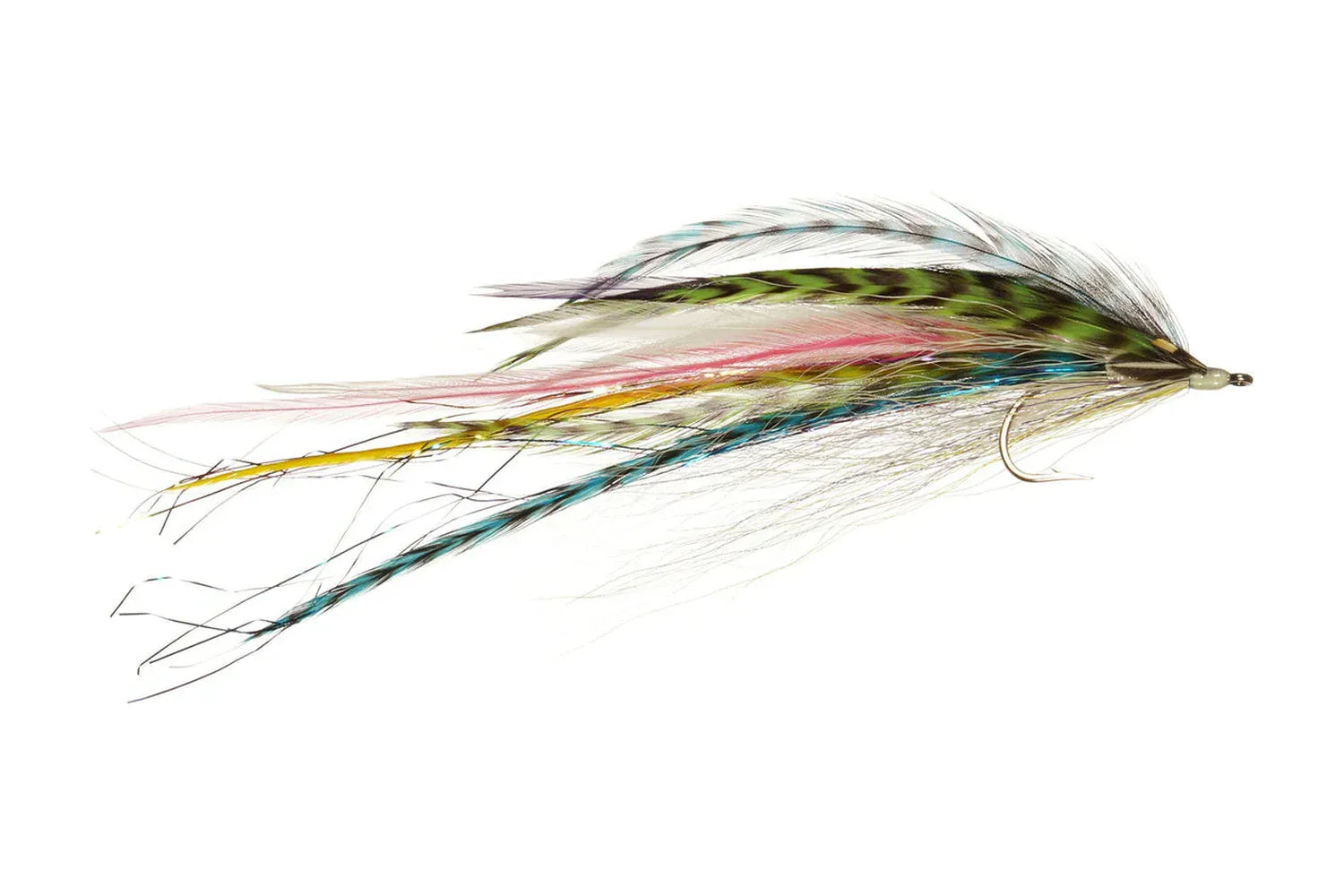
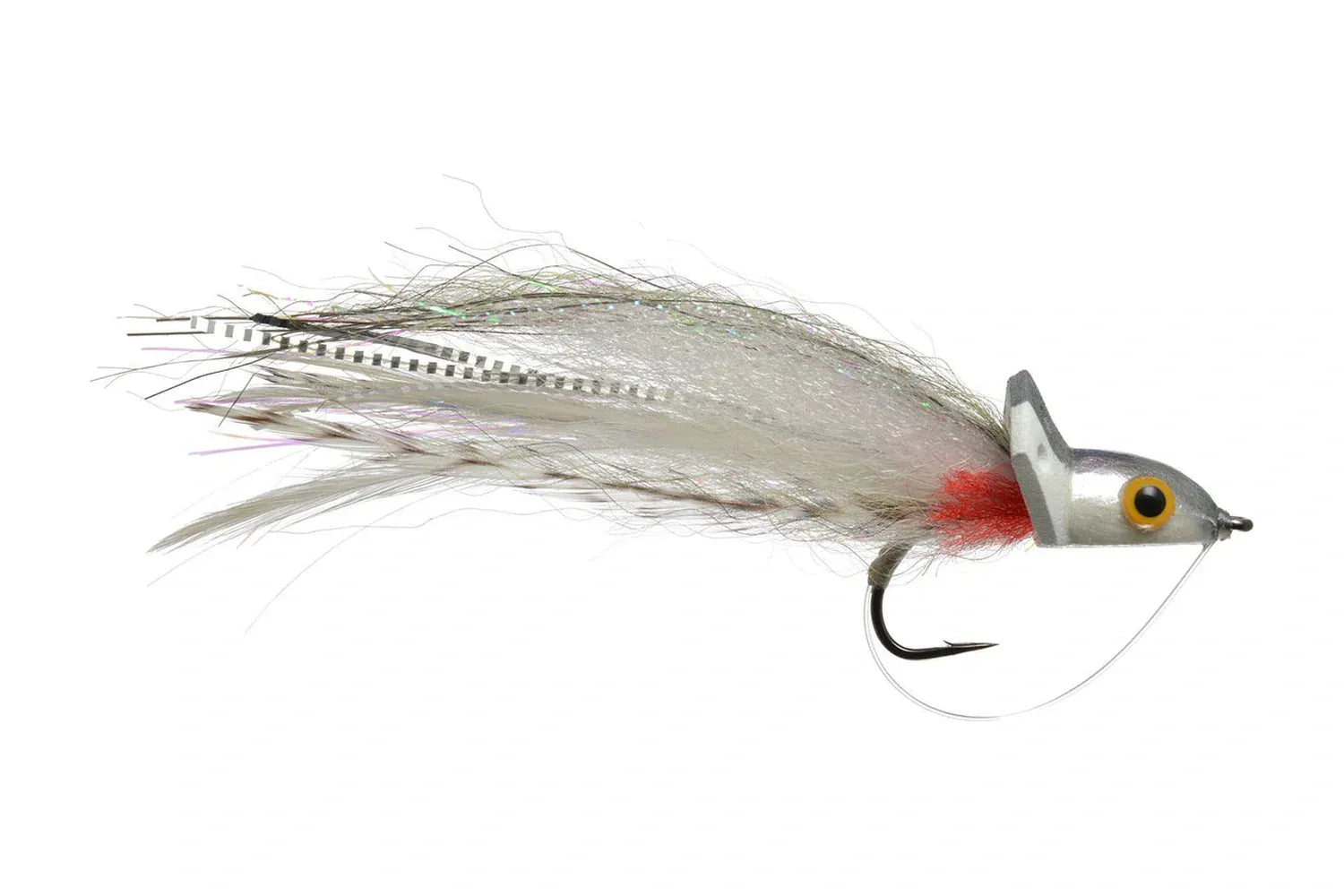
- Best Baitfish Profile: Rainy's Cordeiro's Flat Mack Fly - Built for anglers targeting predators keyed on baitfish silhouettes. The flatter profile helps it read like a real baitfish from a distance, especially on a steady strip.
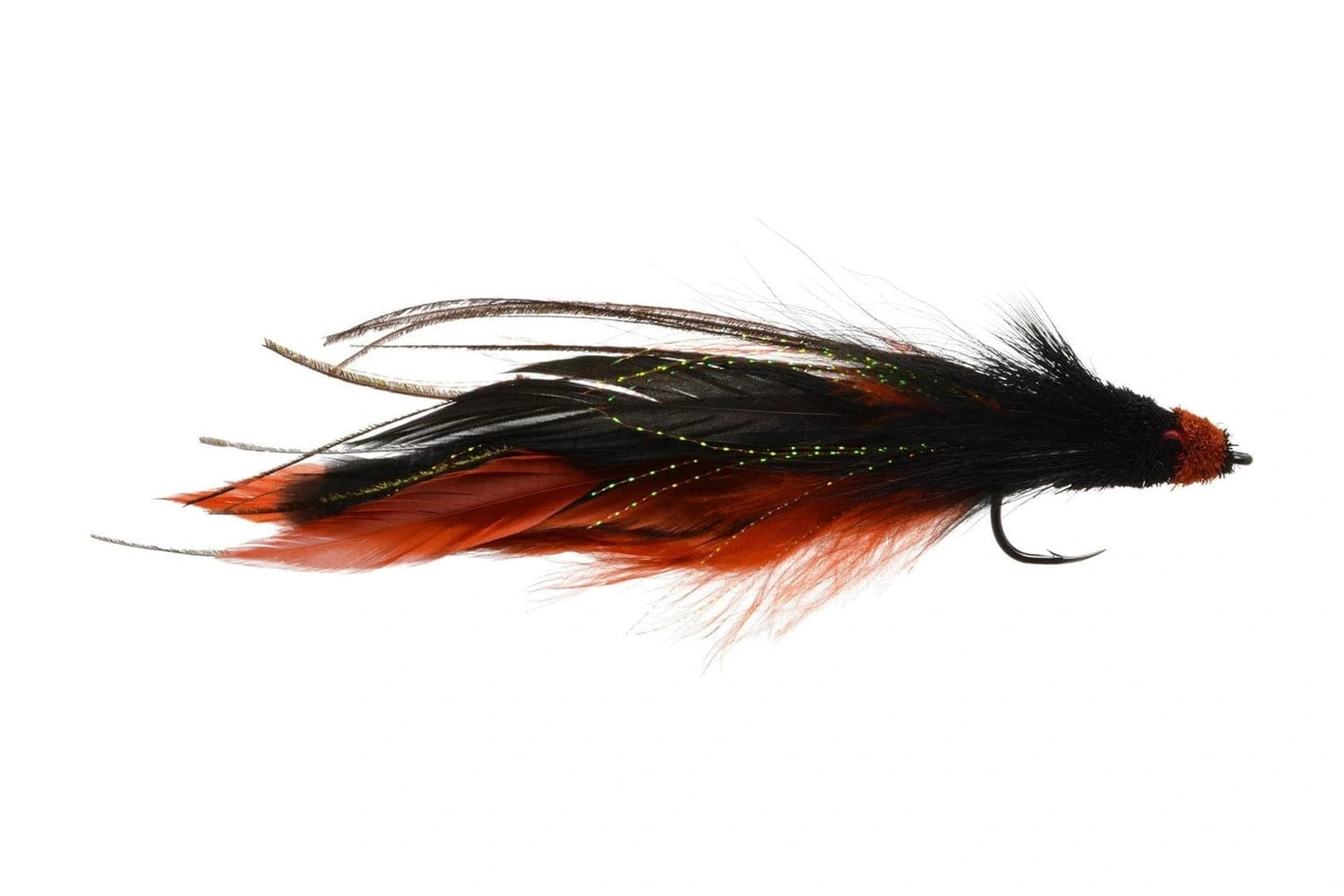
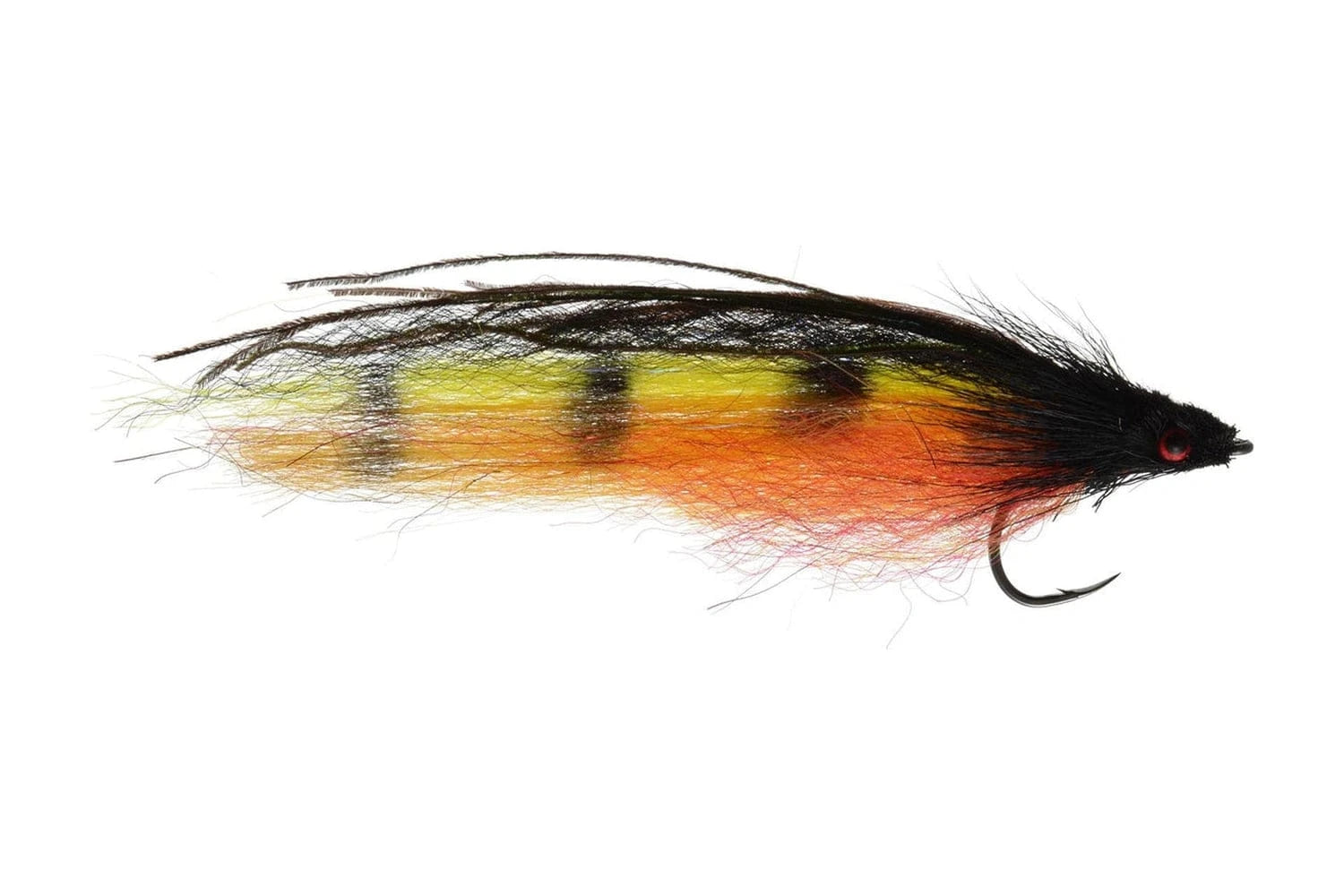
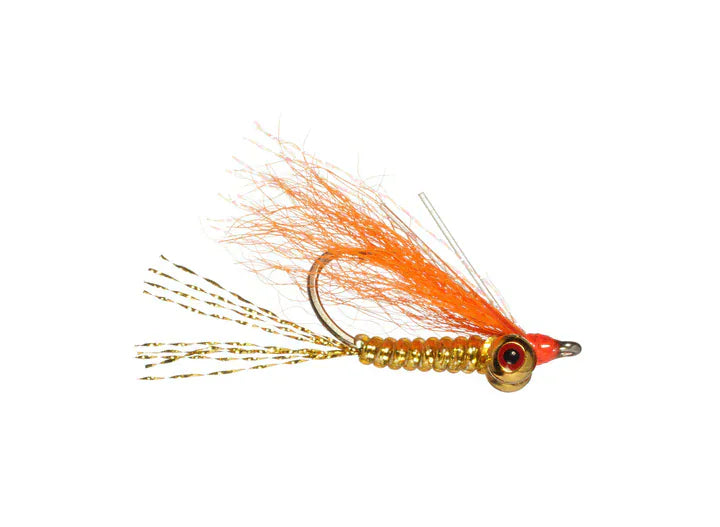
- Best for Big Predators: Rainy's TK's El Dorado Deceiver Fly - A strong option when you need a larger, more aggressive baitfish pattern for hard-charging fish. Fish it on an intermediate or sinking line to cover water and trigger reaction eats.
How to Choose Rainy's Flies
Match the job: surface, mid-column, or bottom
Action: Start by deciding where the fish are feeding. If you’re seeing surface pushes or chasing bait near the top, lean into gurglers and poppers. If fish are suspended, baitfish patterns are a better fit; if fish are pinned low, choose something that gets down quickly and stays there.
Shallow flats vs. deeper water
Best for: In skinny water, lighter patterns that land softly and ride hook-point-up tend to fish cleaner around grass and sand. When you move to deeper edges, channels, or faster current, pick flies that carry enough weight or water displacement to stay in the zone.
Pick one confidence color, then add one contrast color
Action: For baitfish flies, choose a natural “match” (think subtle, local-forage tones), then add a brighter or darker option for low light, stained water, or aggressive fish. This two-color approach keeps your box simple while still covering a lot of conditions.
Avoid common mistakes
Avoid if: Don’t default to oversized patterns in calm, clear water, especially on flats. Also avoid bringing only surface flies; a small lineup should include at least one baitfish-style option for when fish won’t come up.
Materials & Durability
- Rinse after saltwater: Give flies a quick freshwater rinse and let them dry fully to slow down corrosion and keep materials from matting.
- Dry before closing boxes: Store flies in a ventilated box or leave the box cracked open overnight to prevent rust and mildew.
- Brush, don’t crush: Use a small toothbrush or dubbing brush to revive synthetic fibers after fish and transport.
- Check the hook point: If the fly bounces off a fingernail instead of sticking, touch it up with a hook hone.
Complete Your Setup
Related Gear
- Fly Fishing Flies - Round out your box with hatch-specific options, backups in different sizes, and proven staples.
- Fly Selections - An easy way to get a pre-built starting point for a species, destination, or season.
- Leaders - The right leader helps turn over wind-resistant flies and improves presentation in clear water.
- Tippet - Dial in sink rate, stealth, and abrasion resistance without rebuilding your whole leader.
Related Guides
- Fly Fishing Flies Explained
- The 10 Best Flies For Early Season Trout
- How to Choose the Best Trout Flies for Small Streams
Rainy's Flies FAQs
Q: What are Rainy's Flies best used for?
A: On this page, Rainy’s is focused on larger, saltwater-leaning patterns like baitfish flies and surface flies. They’re a solid choice when you want flies that cover water and draw attention.
Q: Are Rainy's Flies good for beginners?
A: Yes, especially the more “active” patterns like gurglers, where your retrieve helps make the fly work. If you’re new, start with one surface option and one baitfish option and fish them with simple strips.
Q: How do I choose a Rainy's fly for bonefish?
A: Prioritize a pattern designed for skinny water when fish are shallow and spooky, then step up to heavier flies for deeper edges or wind. Match the fly’s size and sink rate to the depth you’re actually seeing fish in.
Q: What’s the difference between a gurgler-style fly and a popper?
A: A gurgler generally creates a subtler “push” and wake on the surface with shorter strips. A popper is built to make a louder pop and bigger disturbance, which can be useful in chop or when fish want noise.
Q: Do I need a special leader for these flies?
A: For larger flies, shorter and stiffer leaders usually turn over better, especially in wind. For shallow flats and wary fish, longer leaders can help keep the fly line farther from the fish.
Q: Can I use these flies in freshwater?
A: Some baitfish-style patterns and surface flies translate well to bass, pike, and other freshwater predators. Just match the hook size and fly bulk to your rod weight and the fish you’re targeting.
Q: How many Rainy's Flies should I bring on a trip?
A: Plan on multiples of your confidence patterns, surface flies and baitfish flies can take a beating. A practical starting point is 2, 4 of each “go-to” pattern in the sizes you expect to fish.
Rainy's Warranty & Resources
Flies are consumable, and warranty coverage varies by retailer and item type. Review Trident’s current returns and fly policy before ordering, especially for flies that aren’t individually packaged.