

What's the BEST 20lb Tippet? We Tested Over 30 to Find Out!


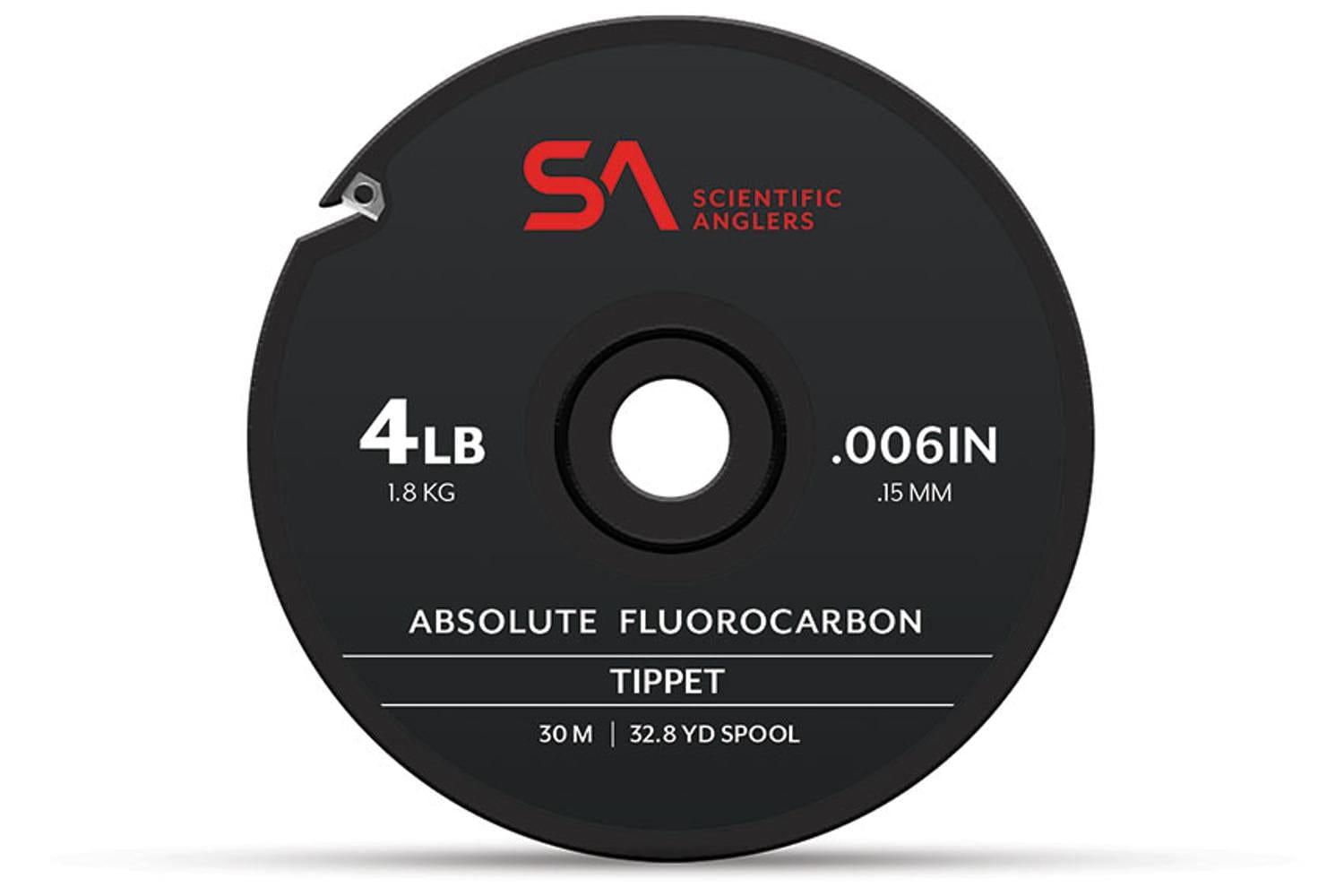
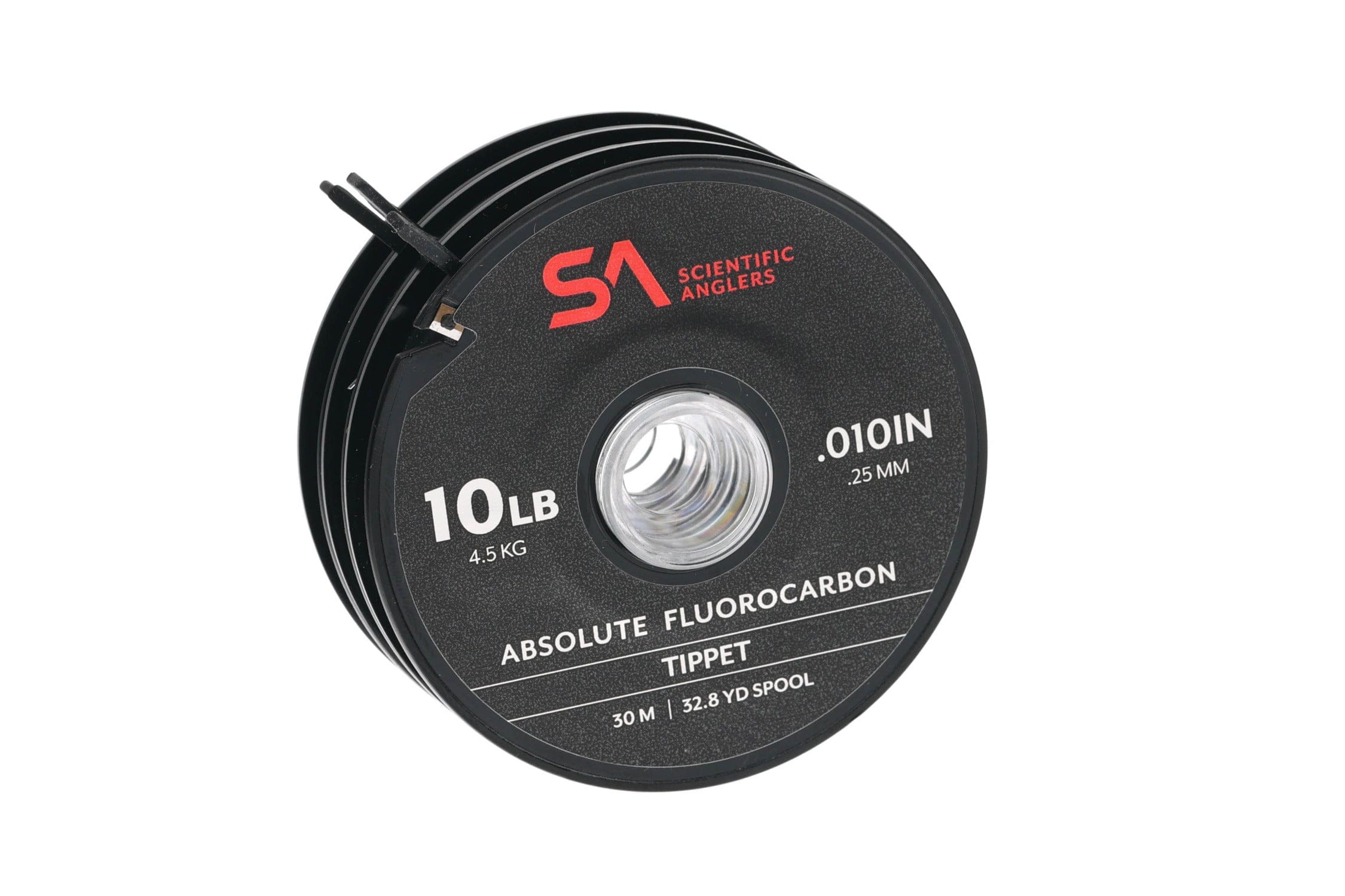
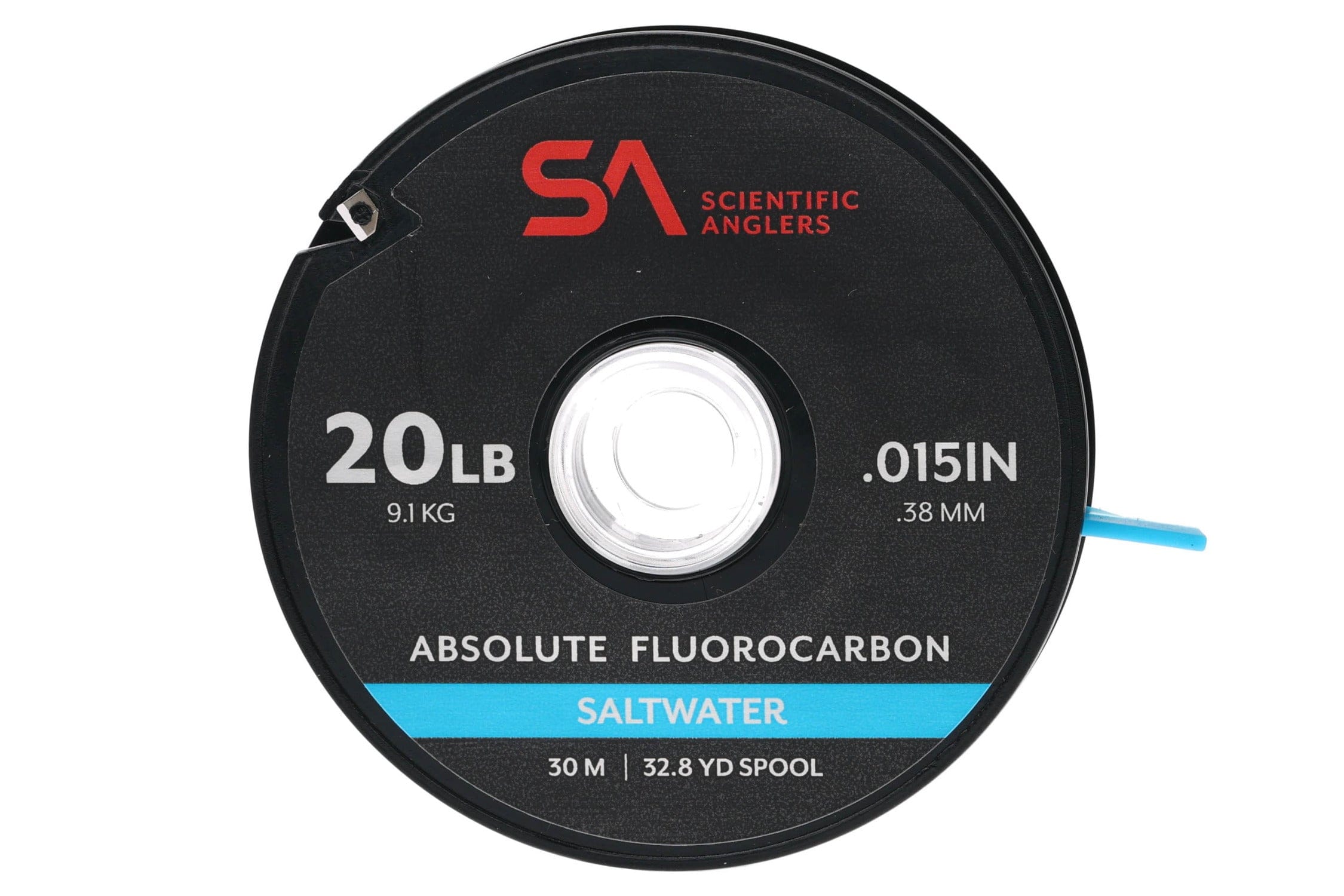
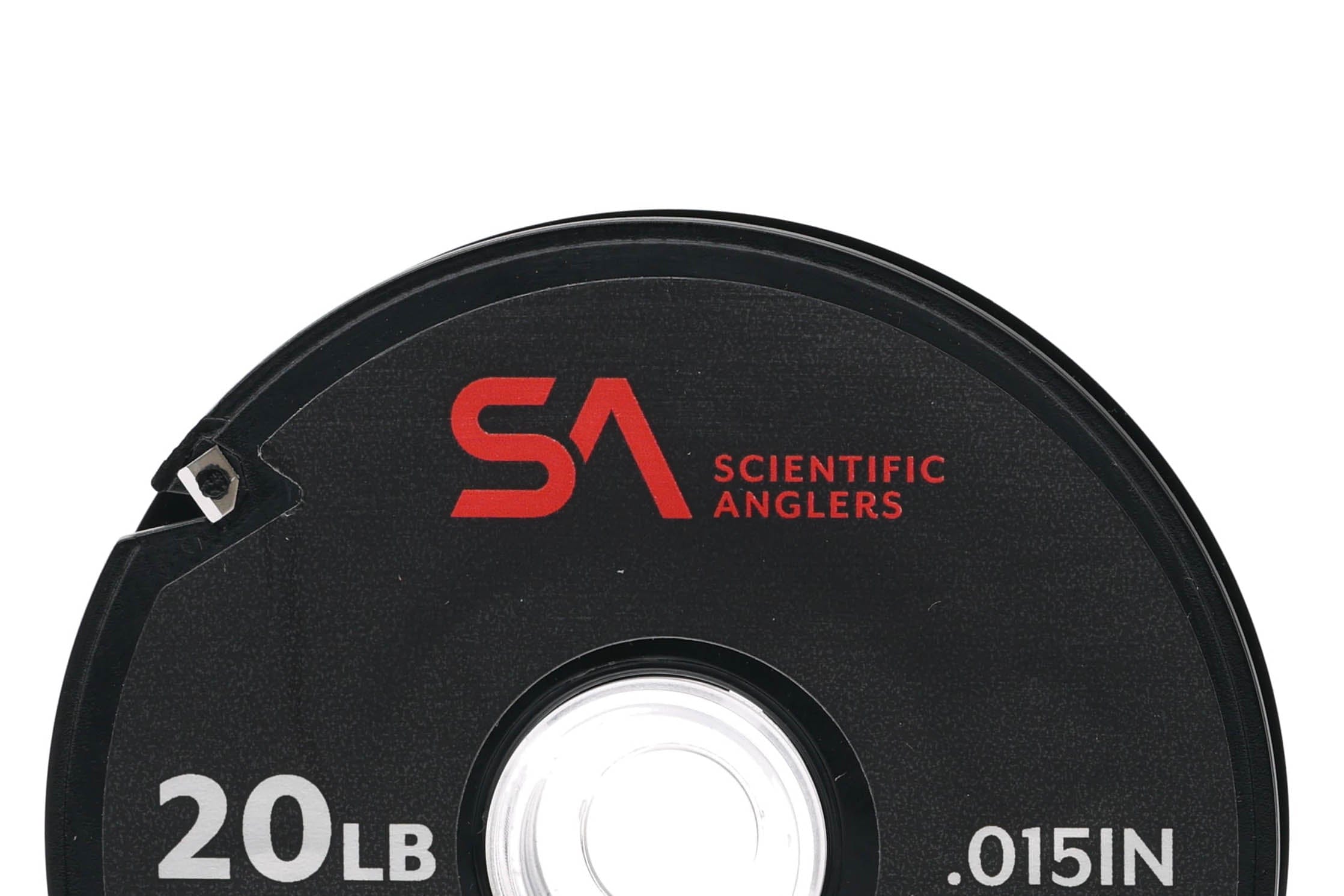

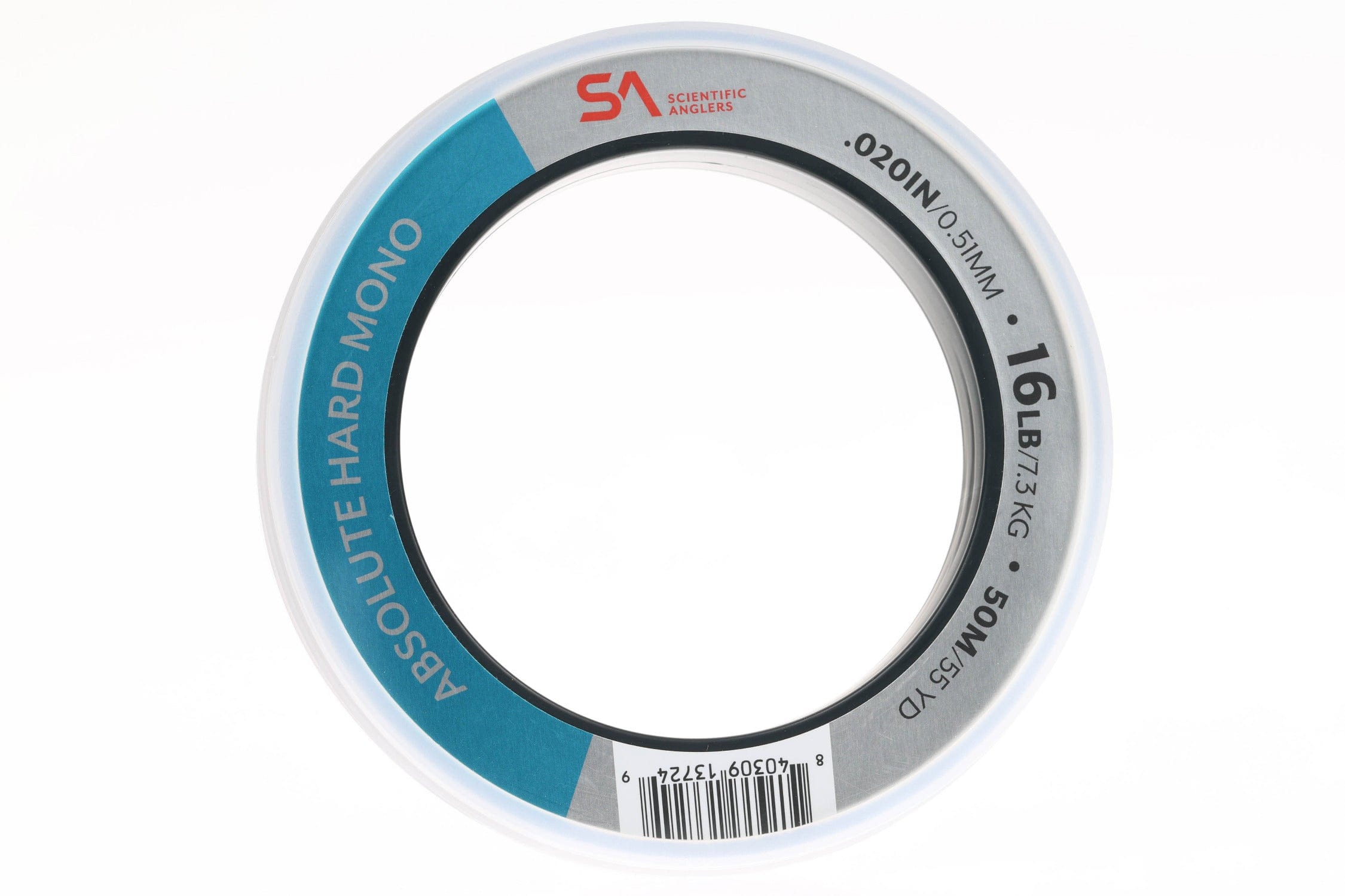

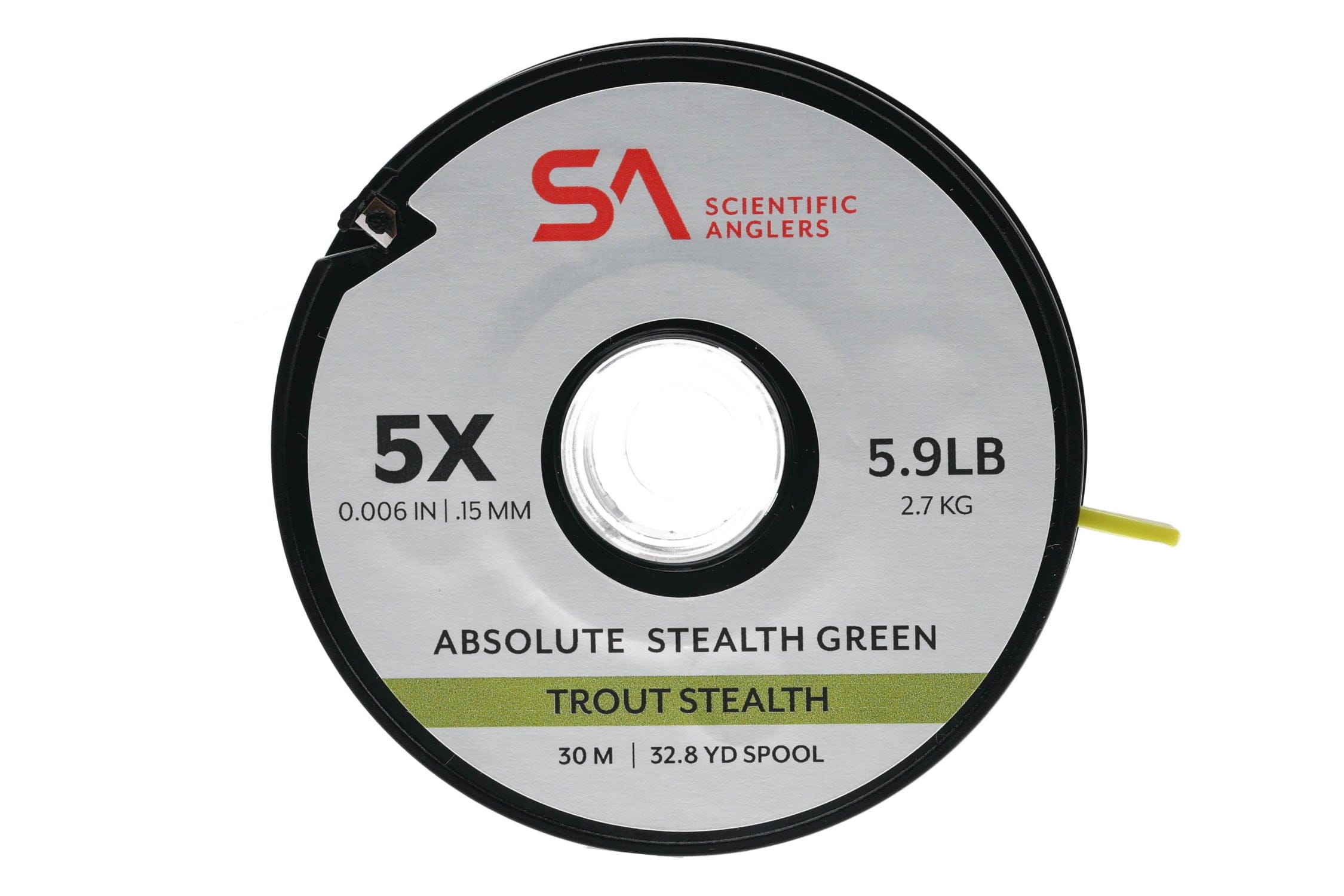
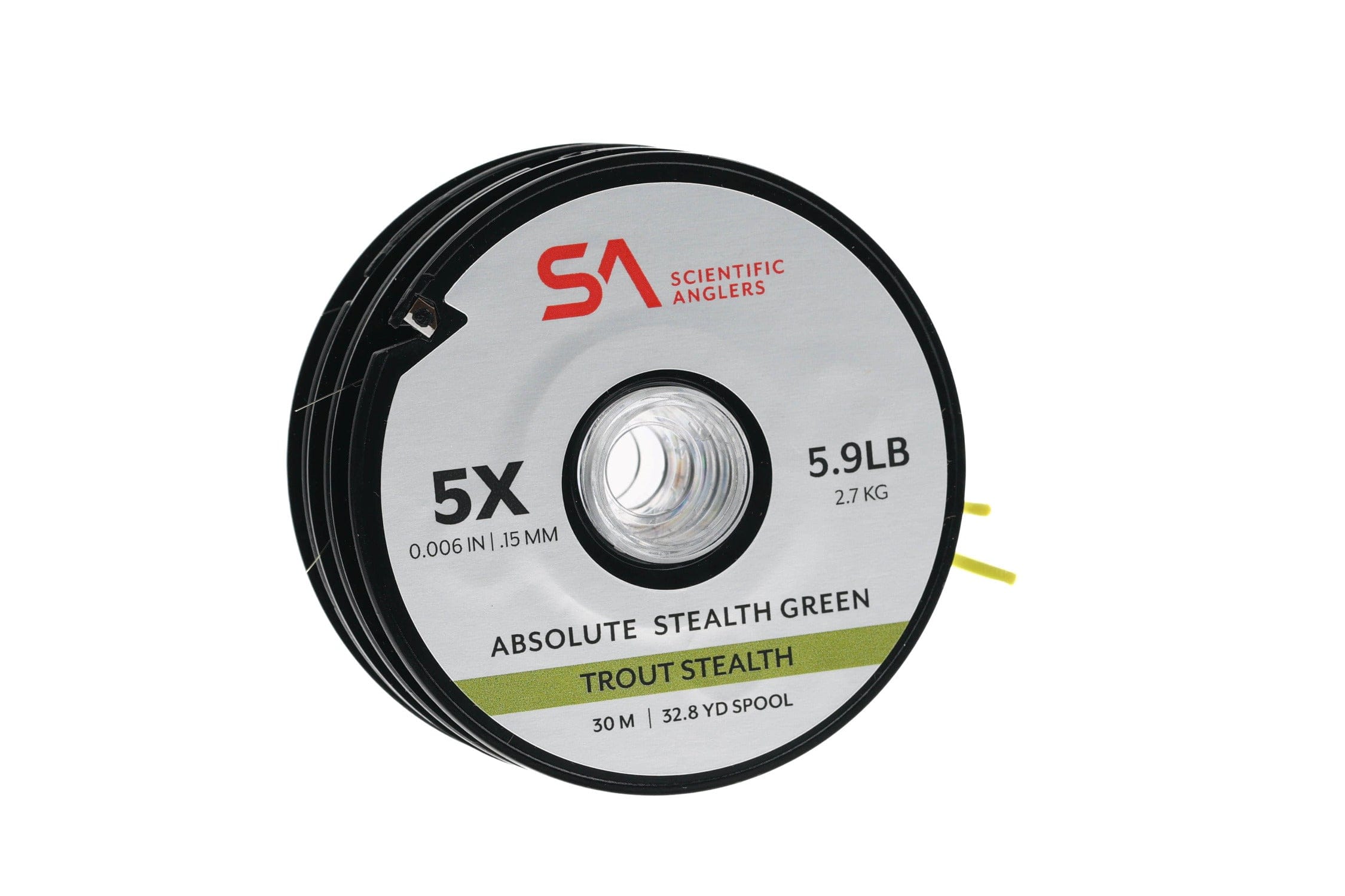
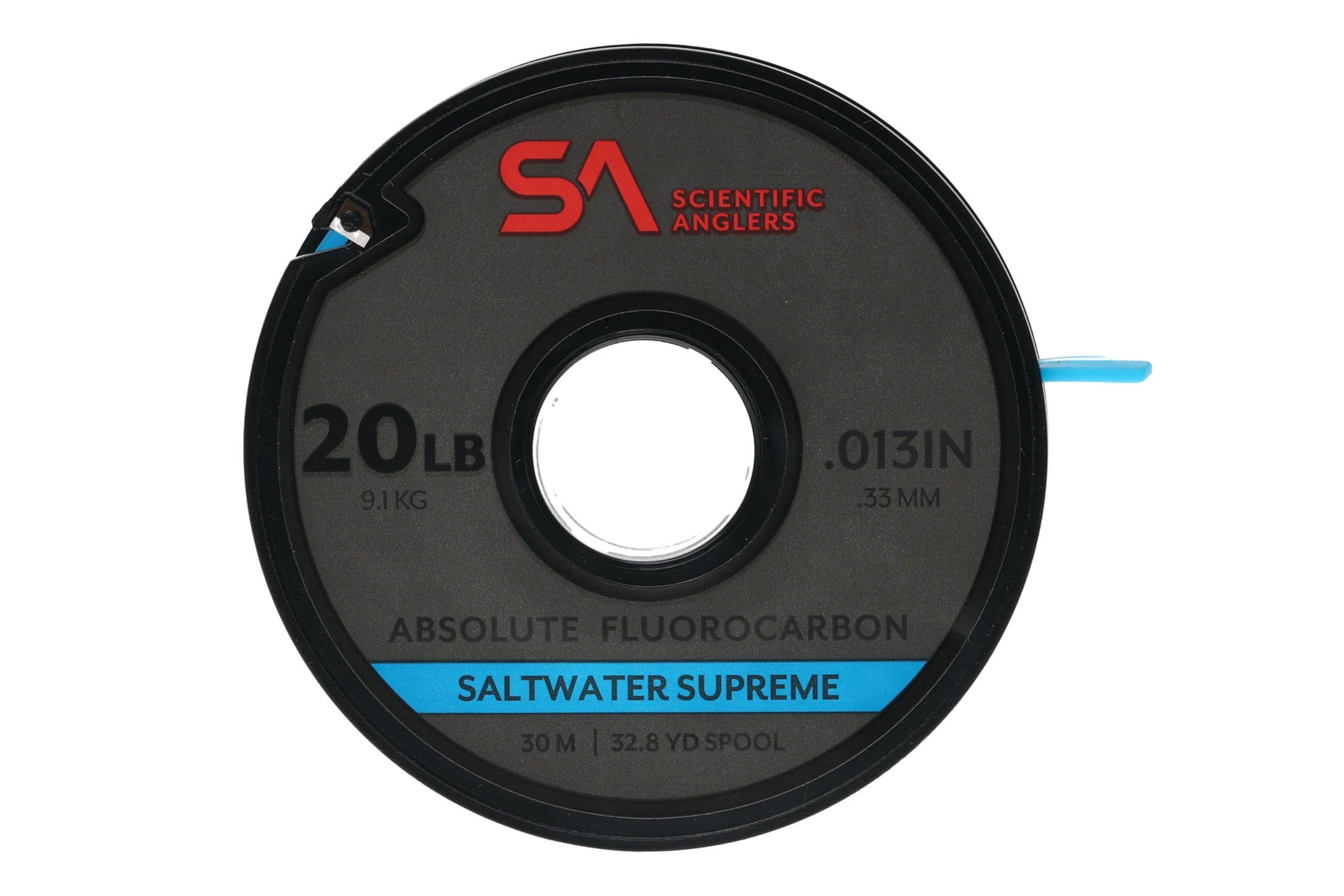
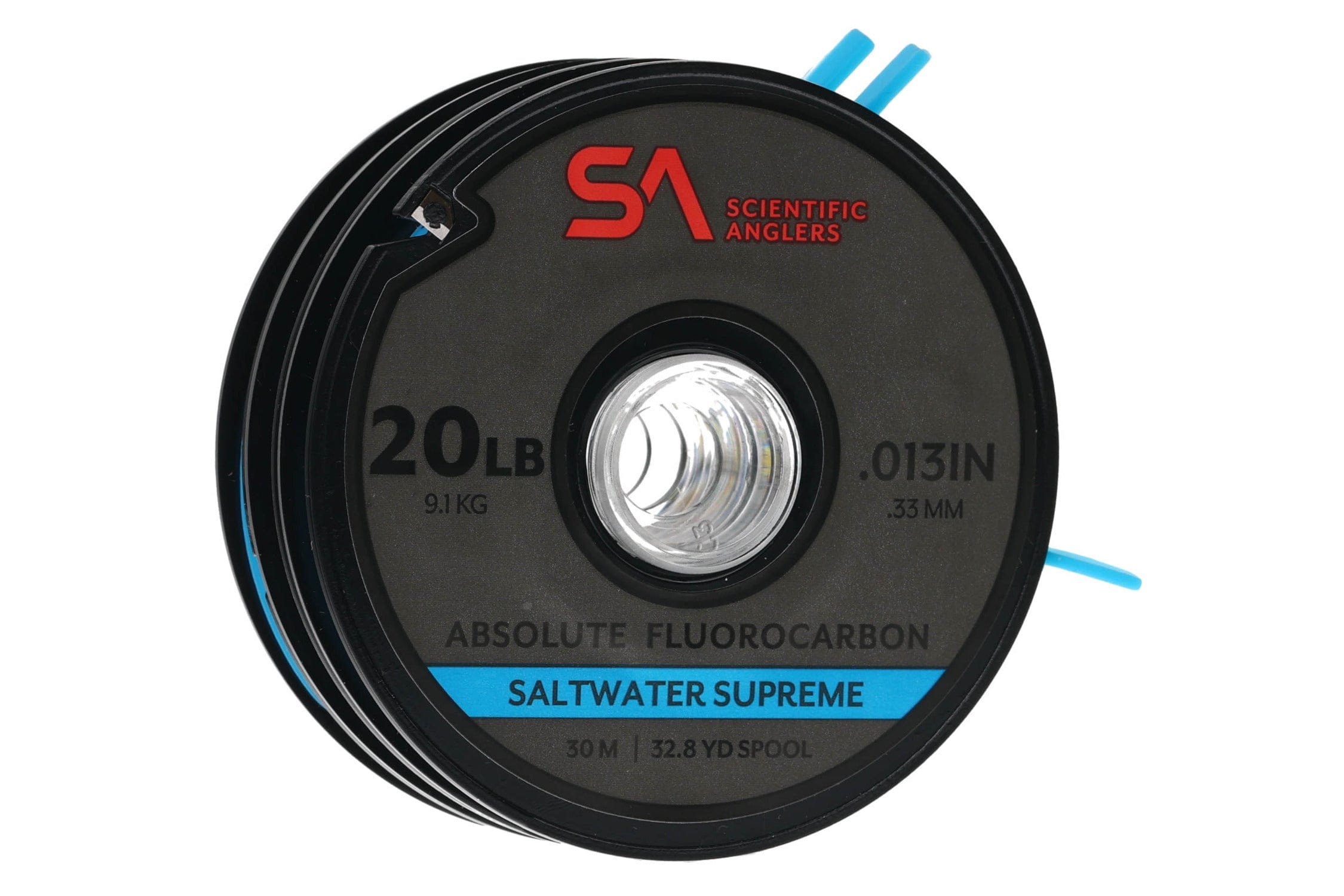
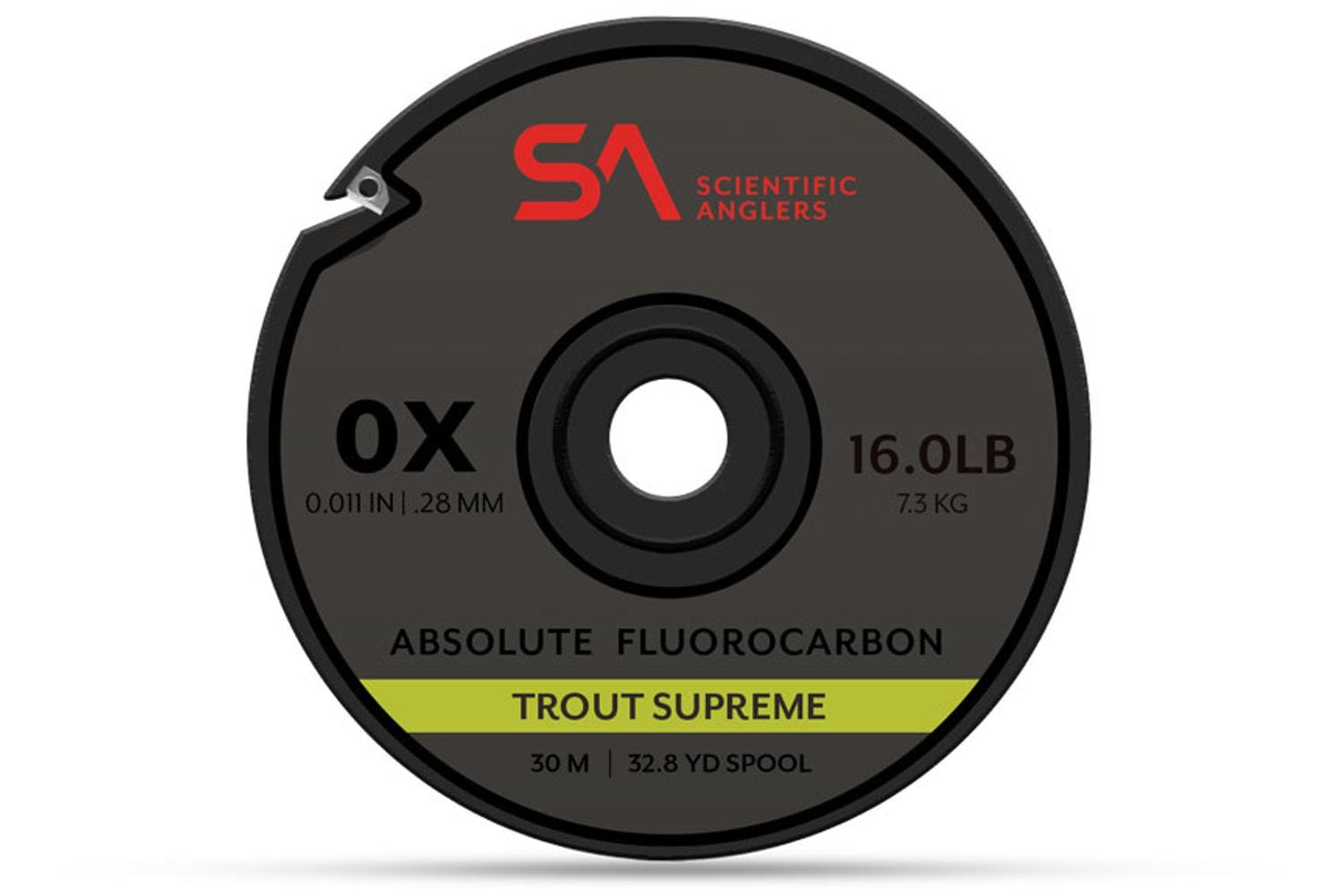
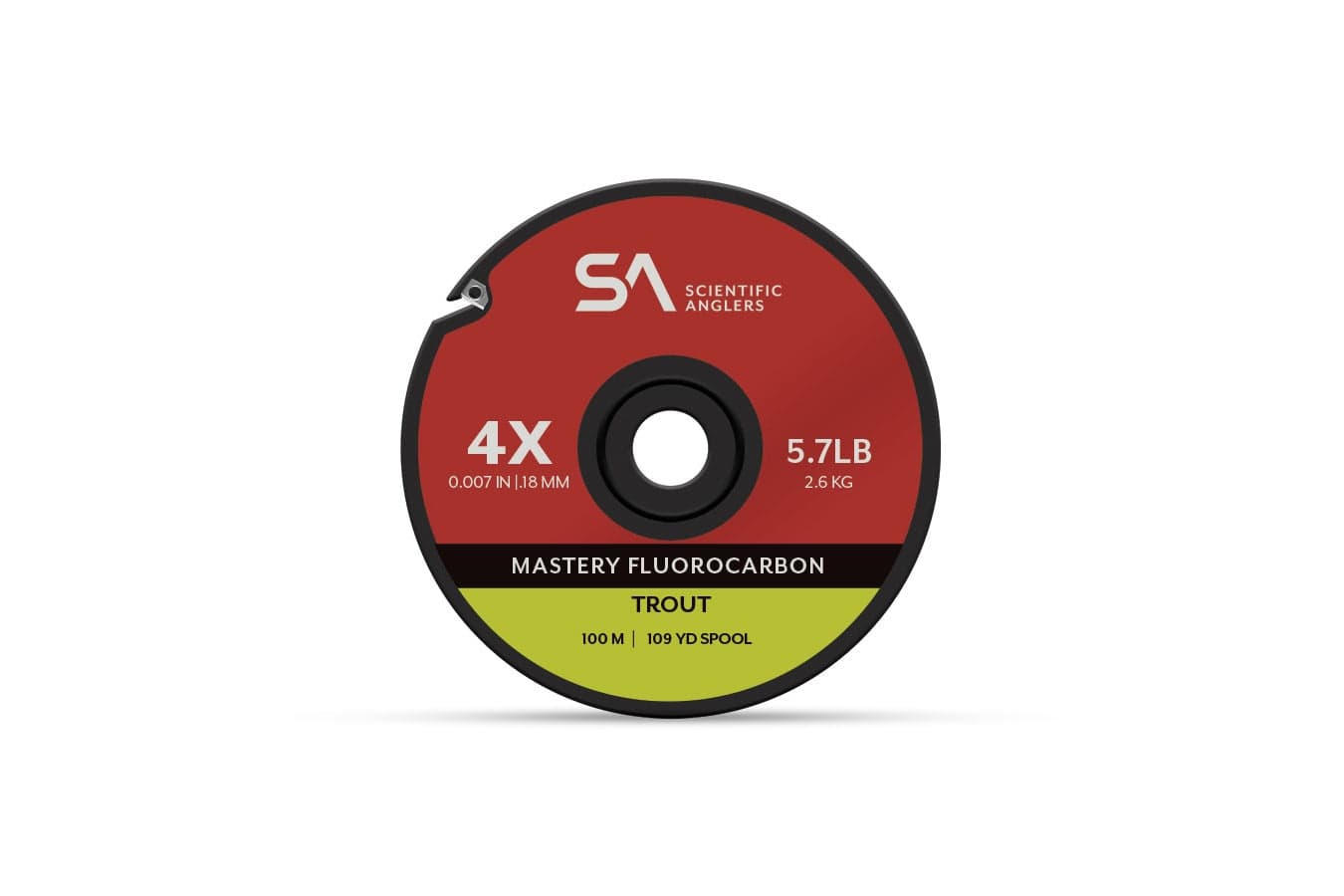
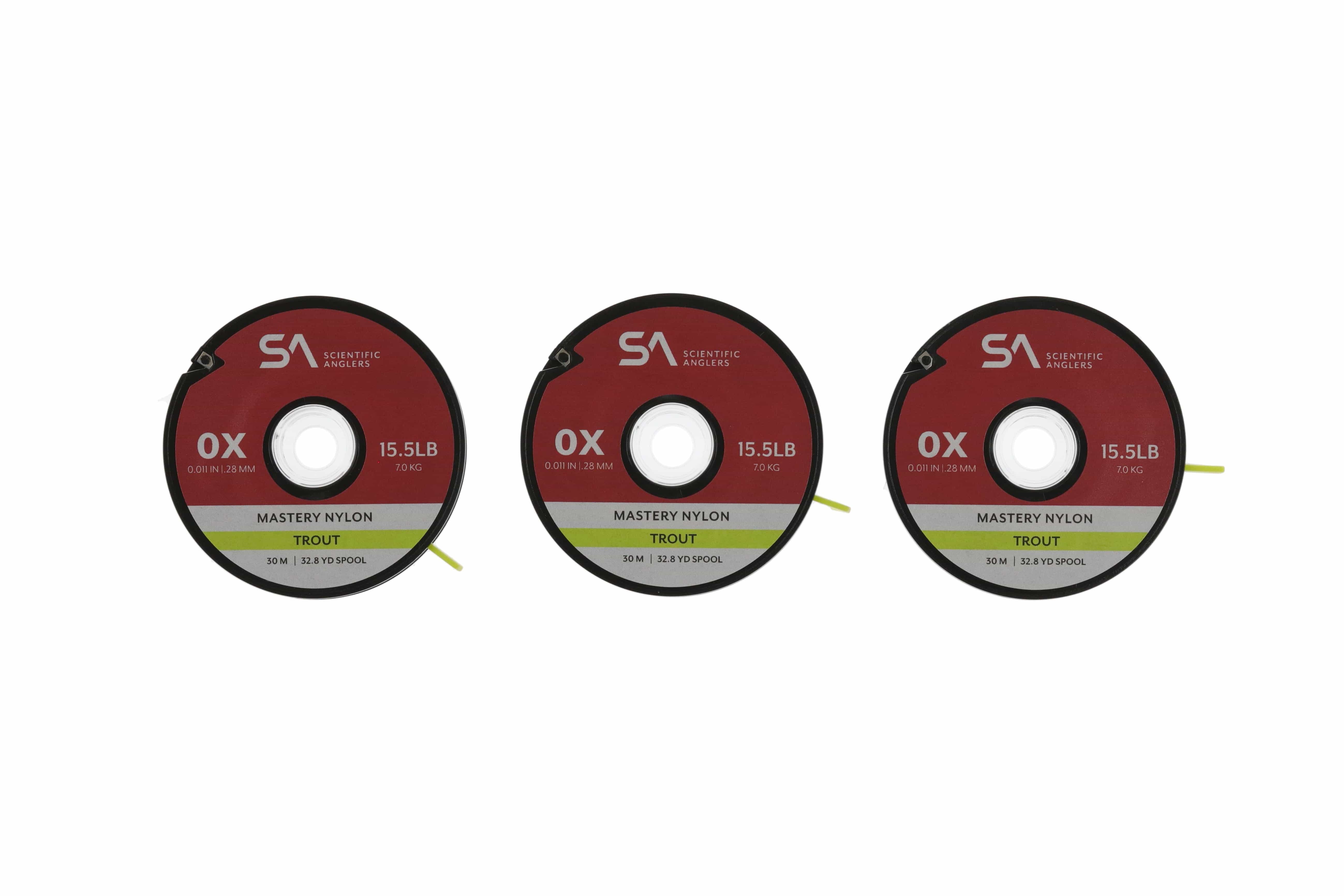
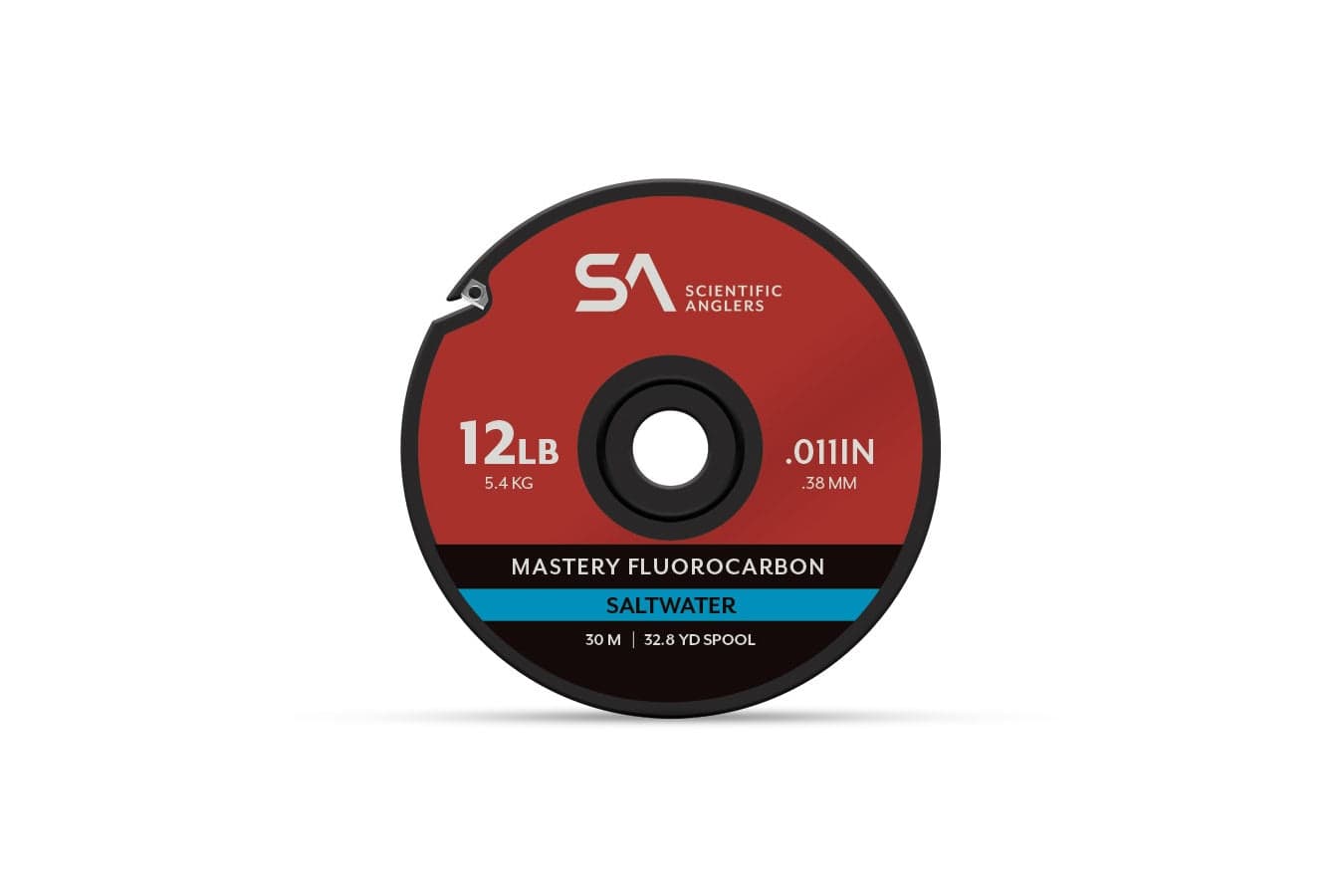
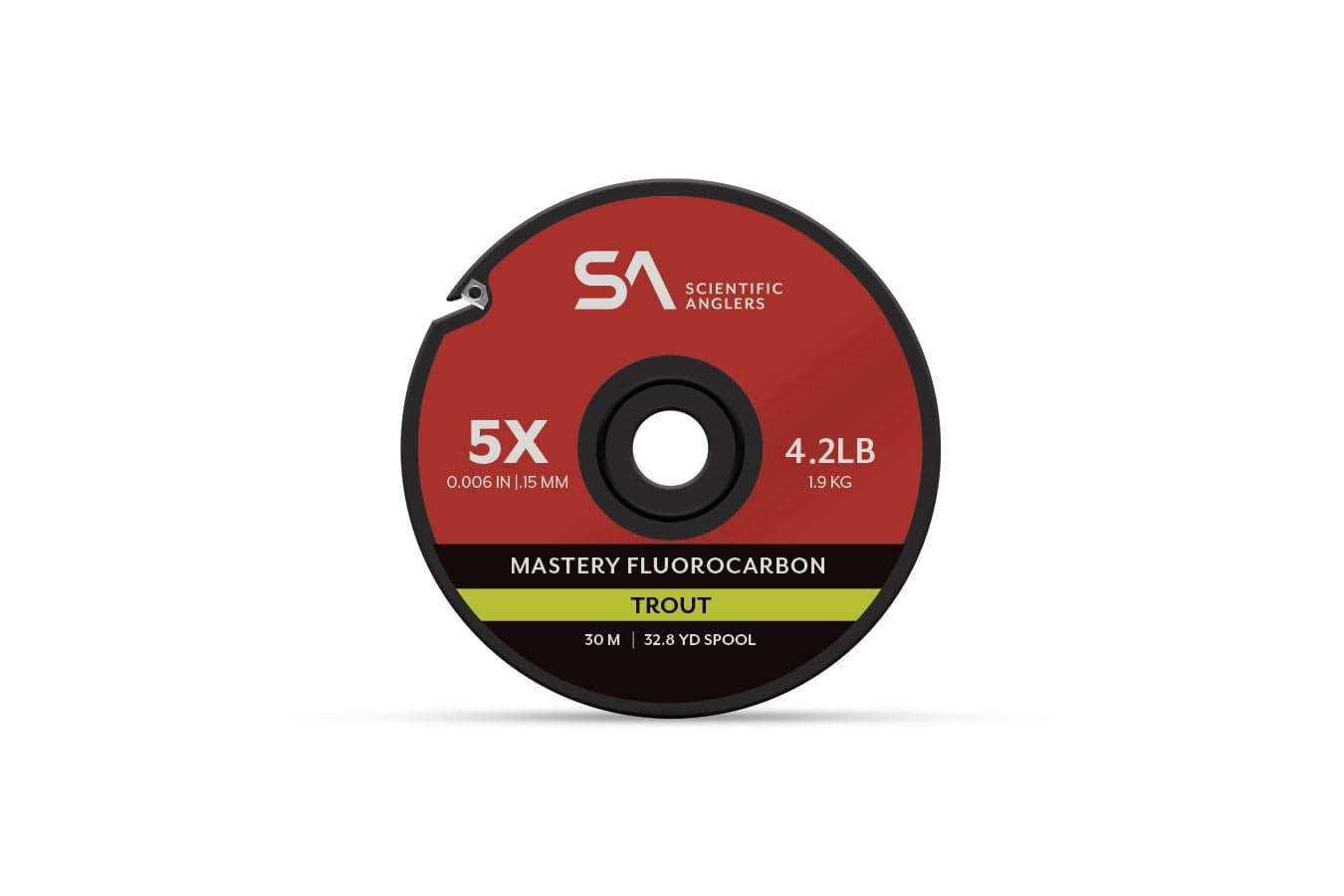
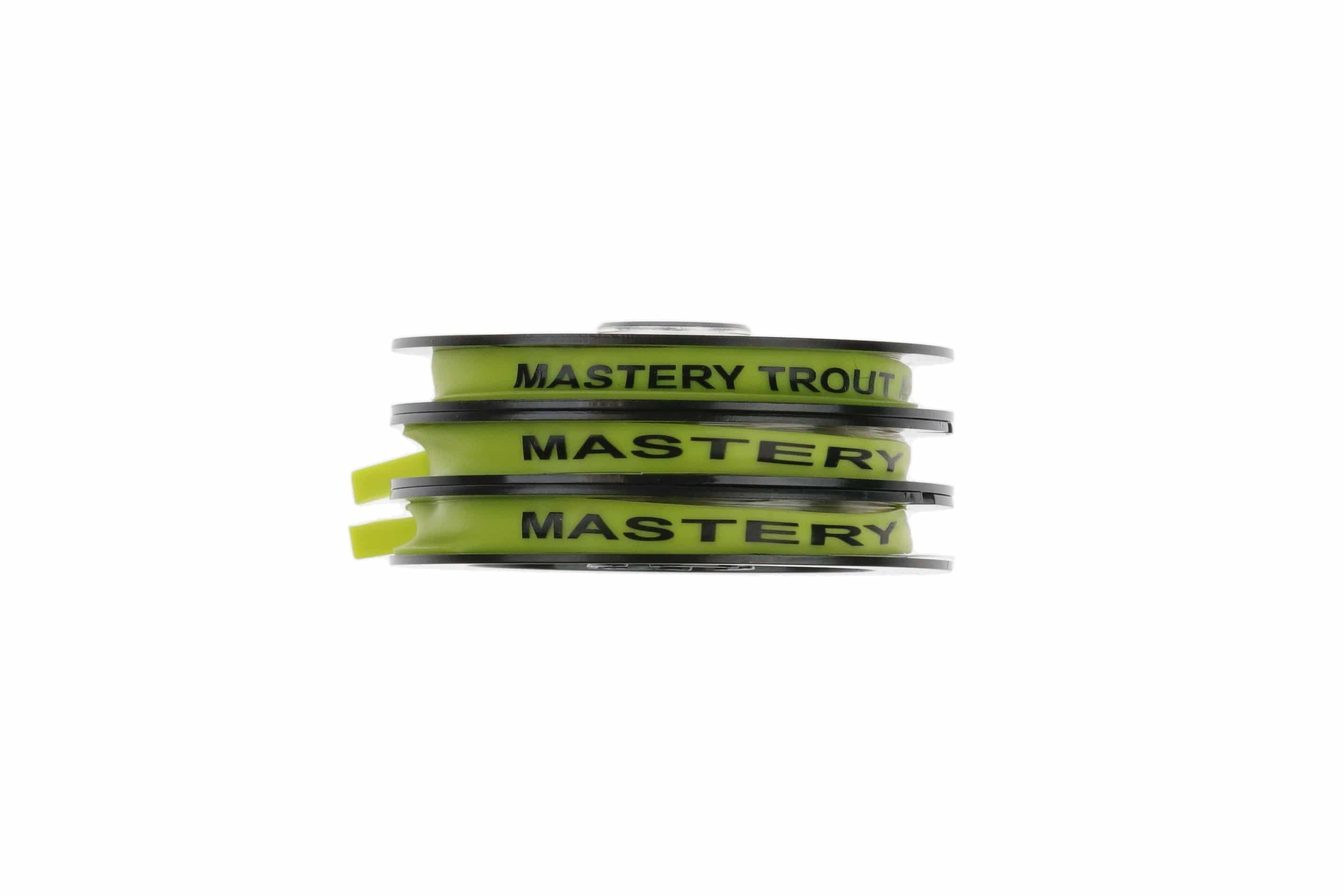
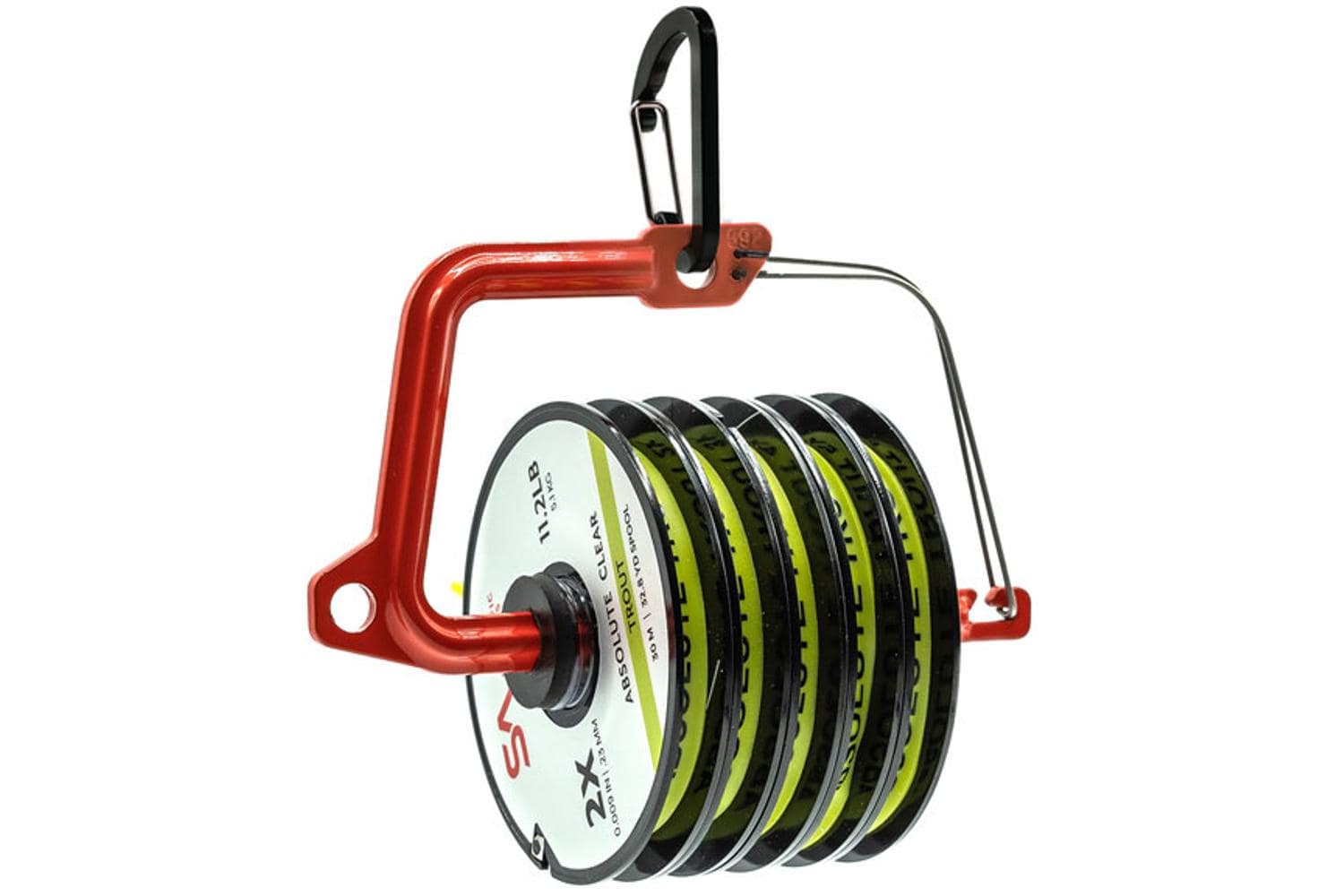
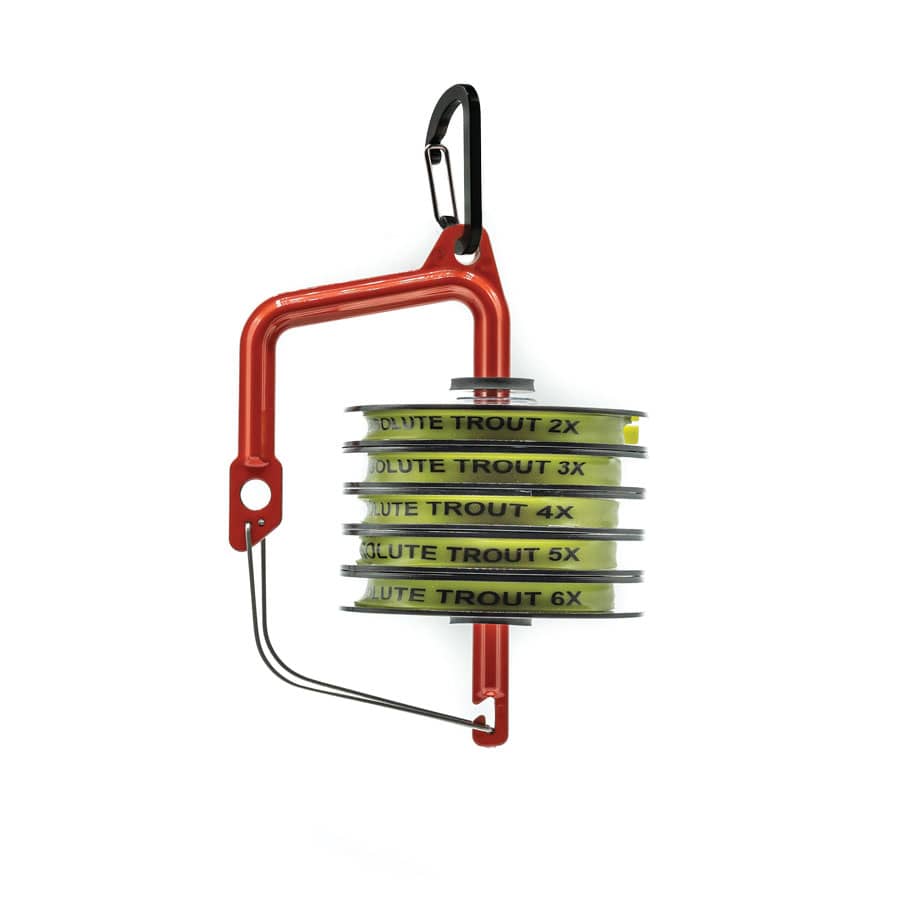


Scientific Anglers Tippet Quick Picks
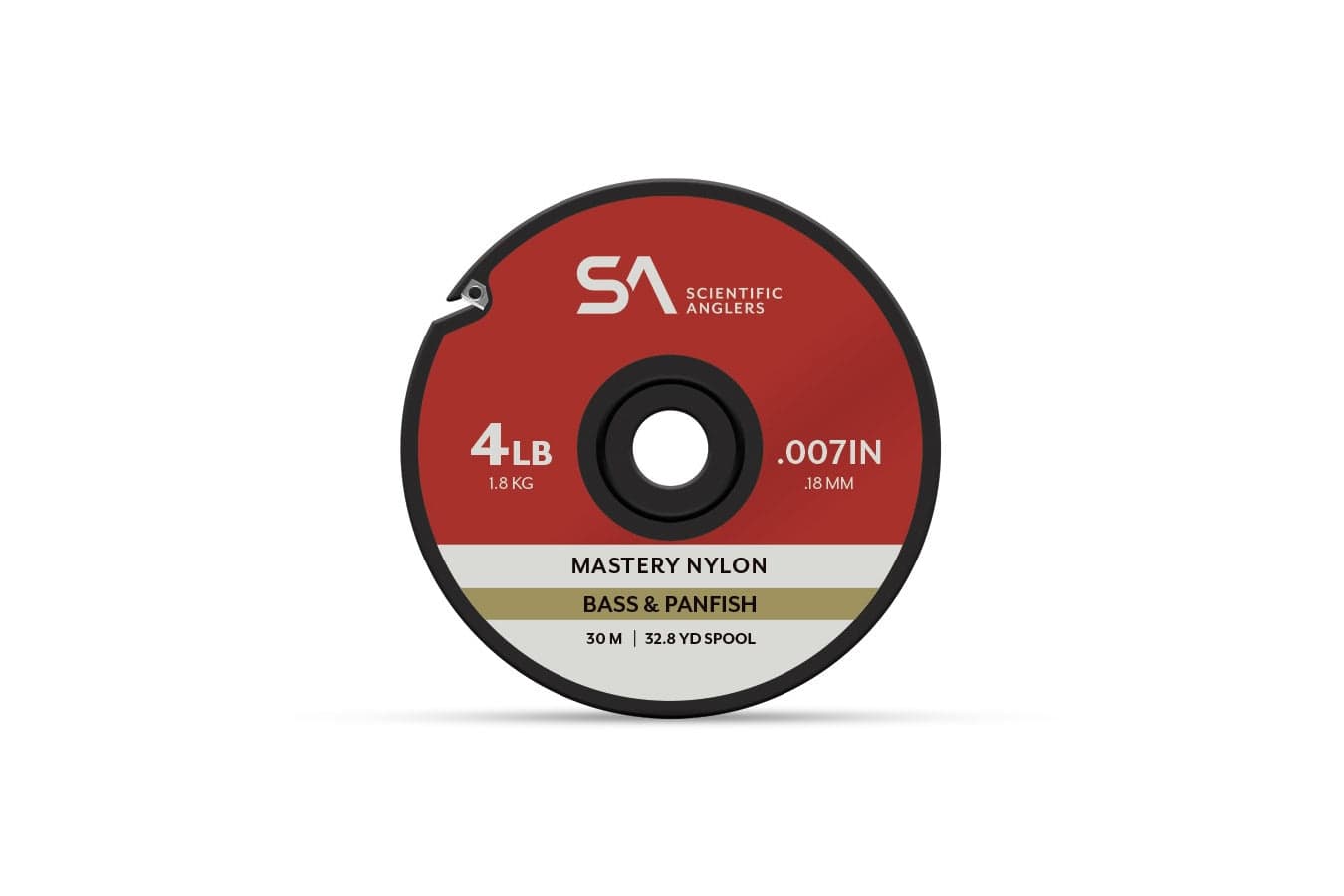
- Best All-Around: Scientific Anglers Absolute Trout Tippet - Built for everyday trout rigs, from dries to indicators, when you want a supple drift and reliable knots. Offered in a wide size range (including half sizes) and available in both 30m and 100m spools for easy restocks.
- Best for Nymphing & Streamers: Scientific Anglers Absolute Fluorocarbon Trout Tippet - A go-to for subsurface trout fishing when sink rate, abrasion resistance, and low visibility matter most. It’s fluorocarbon-focused for cleaner drifts at depth and confidence around rocks and wood.
- Best Premium Fluorocarbon: Scientific Anglers Absolute Fluorocarbon Trout Supreme Tippet - Ideal for technical trout scenarios where you’re pushing light diameters and still want toughness. A strong choice for clear water, pressured fish, and repeated contact with the riverbed.
- Best for Saltwater Flats: Scientific Anglers Absolute Fluorocarbon Saltwater Tippet - Designed for saltwater leaders where abrasion resistance and turnover help when casting larger flies in wind. Great for building shock sections and finishing tapered leaders for flats species.
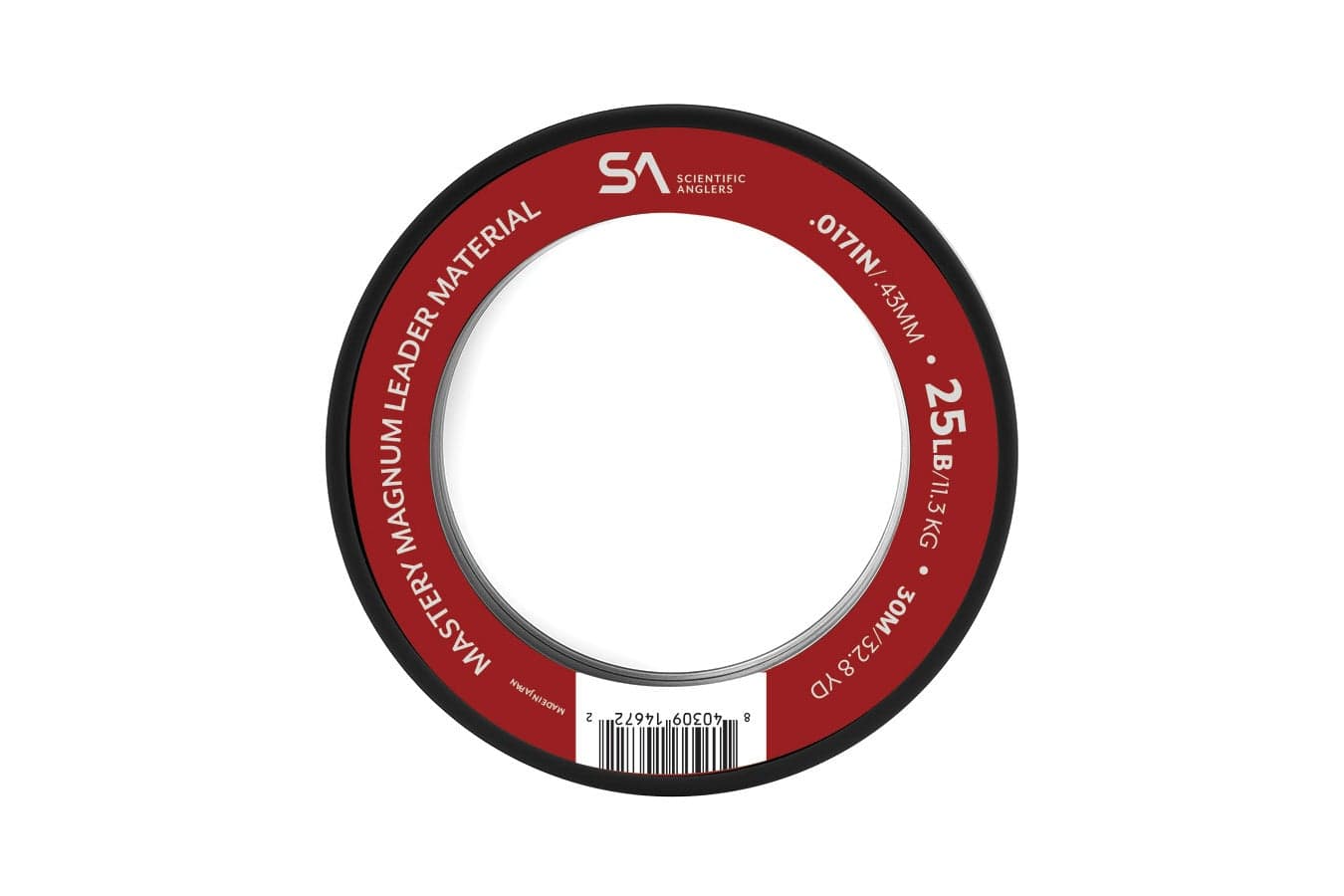
- Best Heavy-Duty / Big Flies: Scientific Anglers Mastery Magnum Tippet - Built for high-pound-test fishing when you’re throwing oversized flies and pulling hard on fish. A solid option for warmwater, jungle trips, or any scenario where “trout tippet” simply isn’t enough.
How to Choose Scientific Anglers Tippet
Nylon vs. Fluorocarbon (what changes on the water)
Action: Pick nylon when you’re fishing the surface or need a more forgiving connection; pick fluorocarbon when you’re fishing subsurface or around abrasion. Nylon tends to be more supple for drag-free drifts, while fluorocarbon is known for sinking faster and holding up well around rocks and structure.
Best for: Dry flies, emergers, and light indicator rigs (nylon); nymphing, streamers, stillwater, and many saltwater leaders (fluorocarbon).
Choosing size (X vs. lb test)
Action: For trout sizes, the “X” rating is your shorthand for diameter: higher X = thinner tippet for smaller flies and spookier fish. For saltwater and heavy freshwater, lb test is typically the clearer way to match species, fly size, and structure.
Common mistakes: Going too heavy for small dries (kills drift and eats) or too light around structure (break-offs and frequent re-rigging). If you’re unsure, start at 4X, 5X for general trout and adjust from there based on fly size and water clarity.
Match stiffness to your presentation
Action: If your leader is hinging or your fly isn’t turning over, you may need a stiffer tippet or a thicker step-down. If you’re getting drag or micro-drag on small dries, a more supple trout-focused nylon can help the fly float and drift naturally.
Spool system & organization
Action: If you carry multiple sizes, spool features matter more than people think. SA’s system is designed for quick identification and on-the-water convenience, so you spend less time digging for the right diameter and more time fishing.
Why Trident Carries Scientific Anglers
Scientific Anglers builds a tippet lineup that covers real-world fishing: technical trout sizes, durable fluorocarbon options, and heavy-duty materials for bigger flies and tougher species. It’s an easy system to stock, organize, and fish across freshwater and saltwater without overthinking it.
Compatibility
- Leader connection: Tippet should match (or step down from) your leader’s terminal diameter for smooth turnover and fewer weak points.
- Knot choice: Use a knot you can tie perfectly every time, then wet it and snug it down smoothly to reduce heat and friction.
- Check for damage: After a fish, snag, or rock contact, run your fingers over the last few feet and re-tie if you feel nicks.
- Sun & heat: Store spools out of direct sunlight and excessive heat; don’t leave them baking on a dashboard.
- Leader longevity: If you change tippet often, a tippet ring can help you preserve leader length and taper.
Complete Your Setup
Related Gear
- Scientific Anglers Leaders - Pair SA tapered leaders with SA tippet for a simple, consistent leader system.
- Fly Fishing Tippet - Compare materials across brands if you’re dialing in a specific technique or budget.
- Fly Fishing Leaders - Stock up on trout, saltwater, and specialty tapers to match your local water.
- Nippers & Zingers - A sharp nipper makes light-tippet rigging faster and cleaner, especially in cold weather.
- Pliers & Forceps - Helpful for quick fly removal, debarbing hooks, and managing toothy or jumpy fish.
Related Guides
- The Ultimate Tippet Shootout: 5x
- The Ultimate Tippet Shootout: 20lb
- How To Setup A Fly Reel
- How To Tie The Mil Spec Perdigon
- How to Tie the Top Secret Midge Fly
Scientific Anglers Tippet FAQs
Q: What is tippet in fly fishing?
A: Tippet is the final section of line between your leader and the fly. It’s the piece you replace most often, and it heavily impacts presentation, stealth, and break strength.
Q: Is Scientific Anglers tippet nylon or fluorocarbon?
A: Both. This collection includes nylon (mono/copolymer) and fluorocarbon options, plus specialty materials for saltwater and heavy-duty applications.
Q: Should I use nylon or fluorocarbon tippet for trout?
A: Use nylon often for dry flies and surface presentations where suppleness helps reduce drag. Use fluorocarbon more often for nymphing and streamers where sink rate, abrasion resistance, and low visibility are helpful.
Q: What tippet size should I start with for trout?
A: A common starting point is 4X, 5X for general trout fishing, then adjust based on fly size, water clarity, and fish size. Smaller flies and spooky fish usually push you to 6X, 7X; bigger flies push you toward 3X and heavier.
Q: Is Scientific Anglers tippet good for beginners?
A: Yes, especially if you want a straightforward lineup that covers most fishing you’ll do. Start with a trout-focused nylon for dries and a fluorocarbon option for nymphs, then expand once you know your local water.
Q: How often should I replace tippet?
A: Replace it anytime you feel abrasion, nicks, or wind knots in the last few feet. If you’ve been breaking off fish or snagging a lot, it’s usually worth cutting back and re-tying more often.
Q: What’s the difference between “trout” tippet and “saltwater” tippet?
A: Trout sizes are typically managed by X-diameter and focus on delicate presentation. Saltwater tippet is usually chosen by lb test and is used to handle bigger flies, tougher mouths, and abrasive structure.
Scientific Anglers Warranty & Resources
Most tippet is considered consumable tackle, so it typically isn’t covered like rods or reels. For product and material details, Scientific Anglers’ own technical pages are the best place to reference specs and intended use.
Learn More from Scientific Anglers
- Absolute Leader and Tippet - Overview of the Absolute material system and lineup.
- Absolute Tippet - Specs and intended applications for the Absolute nylon tippet.
- Absolute Fluorocarbon Tippet - Specs and intended applications for the Absolute fluorocarbon tippet.
