



Choosing A Spey Line Is Hard... Let's Make It Easier


Traditional Spey Fly Lines Quick Picks
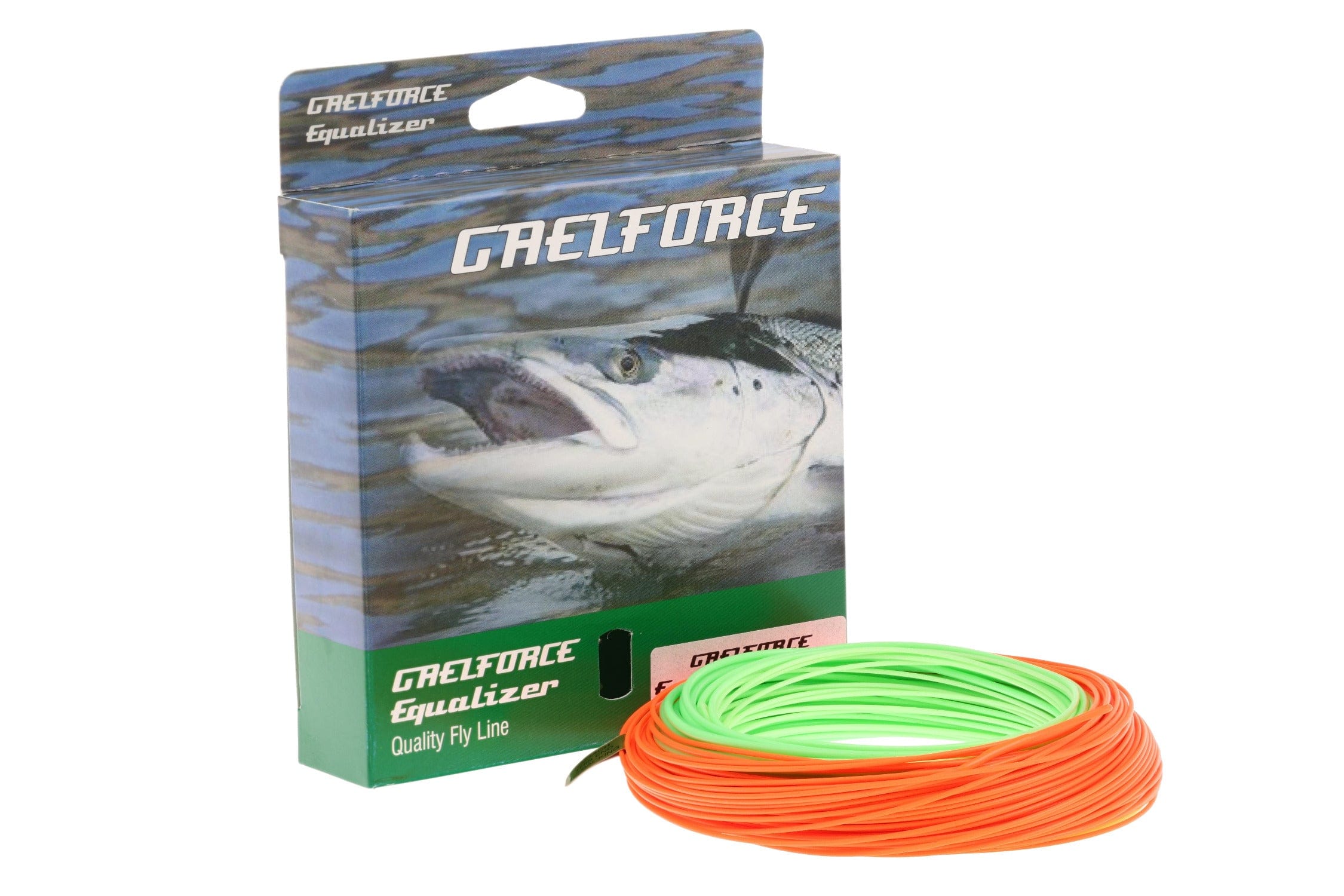
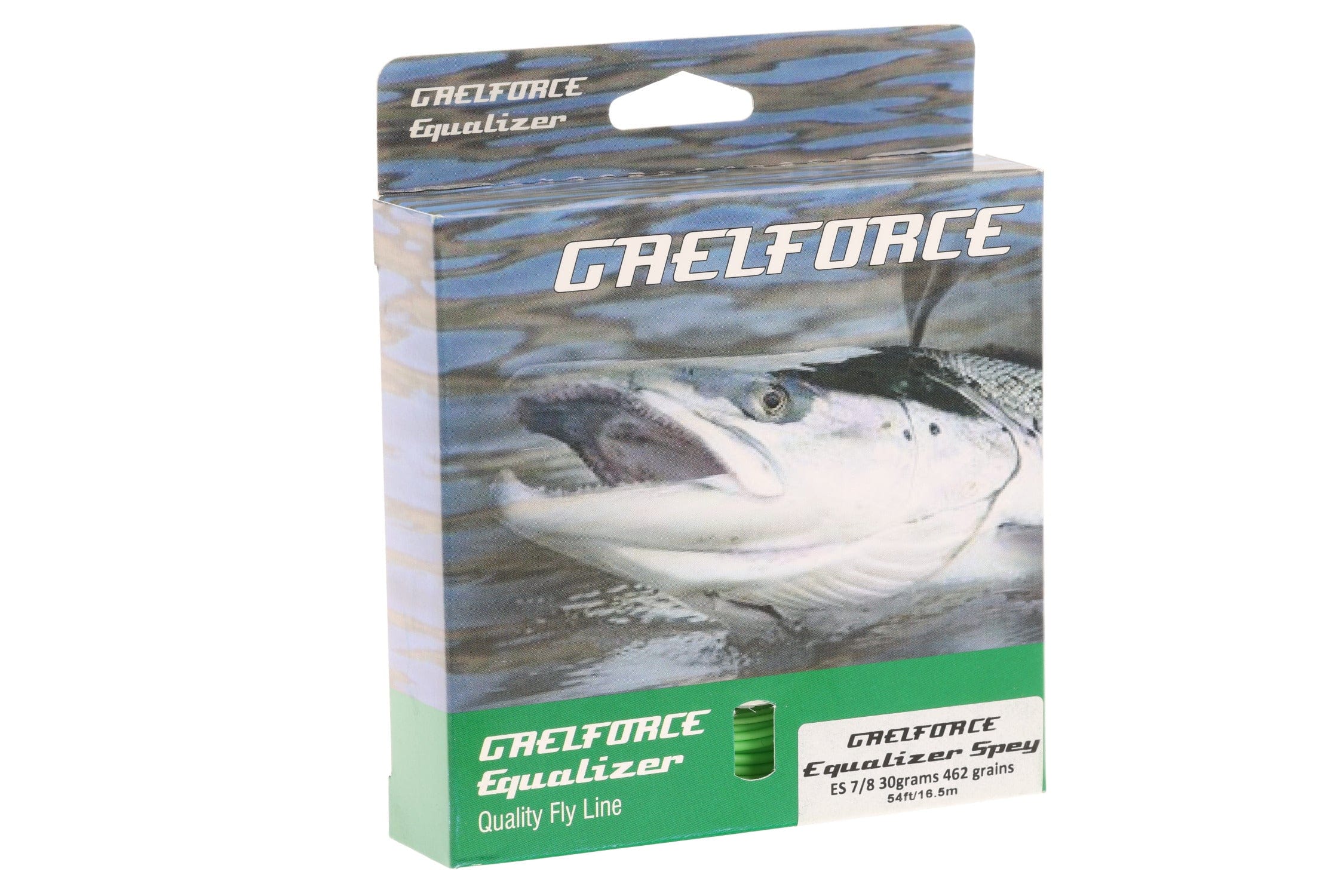
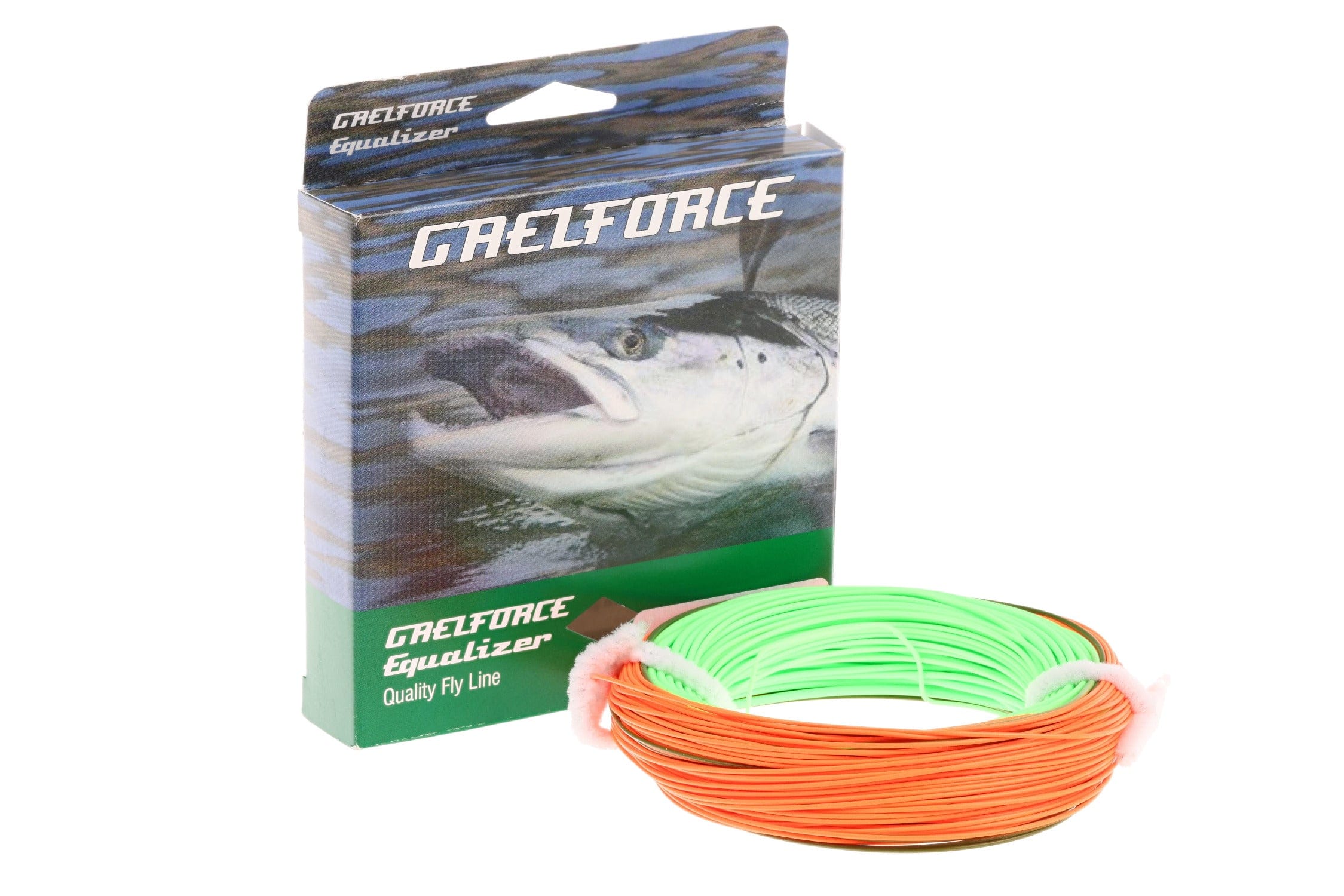
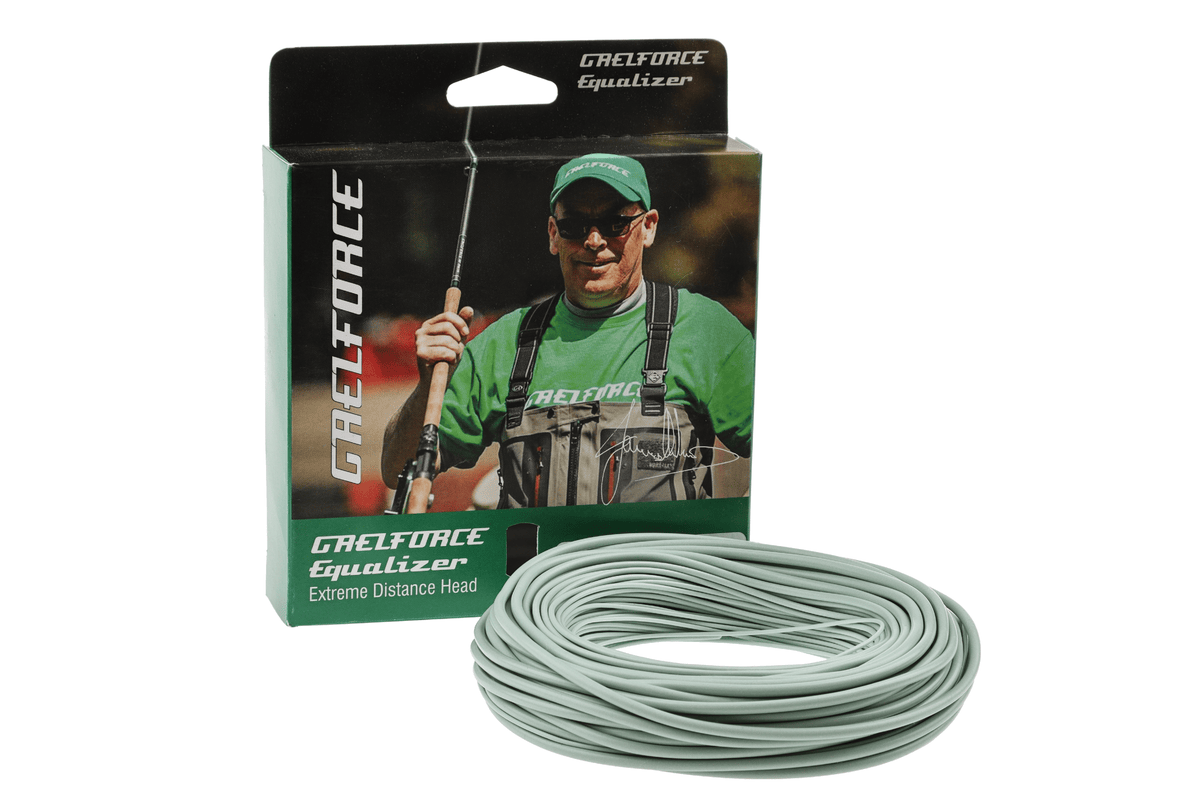
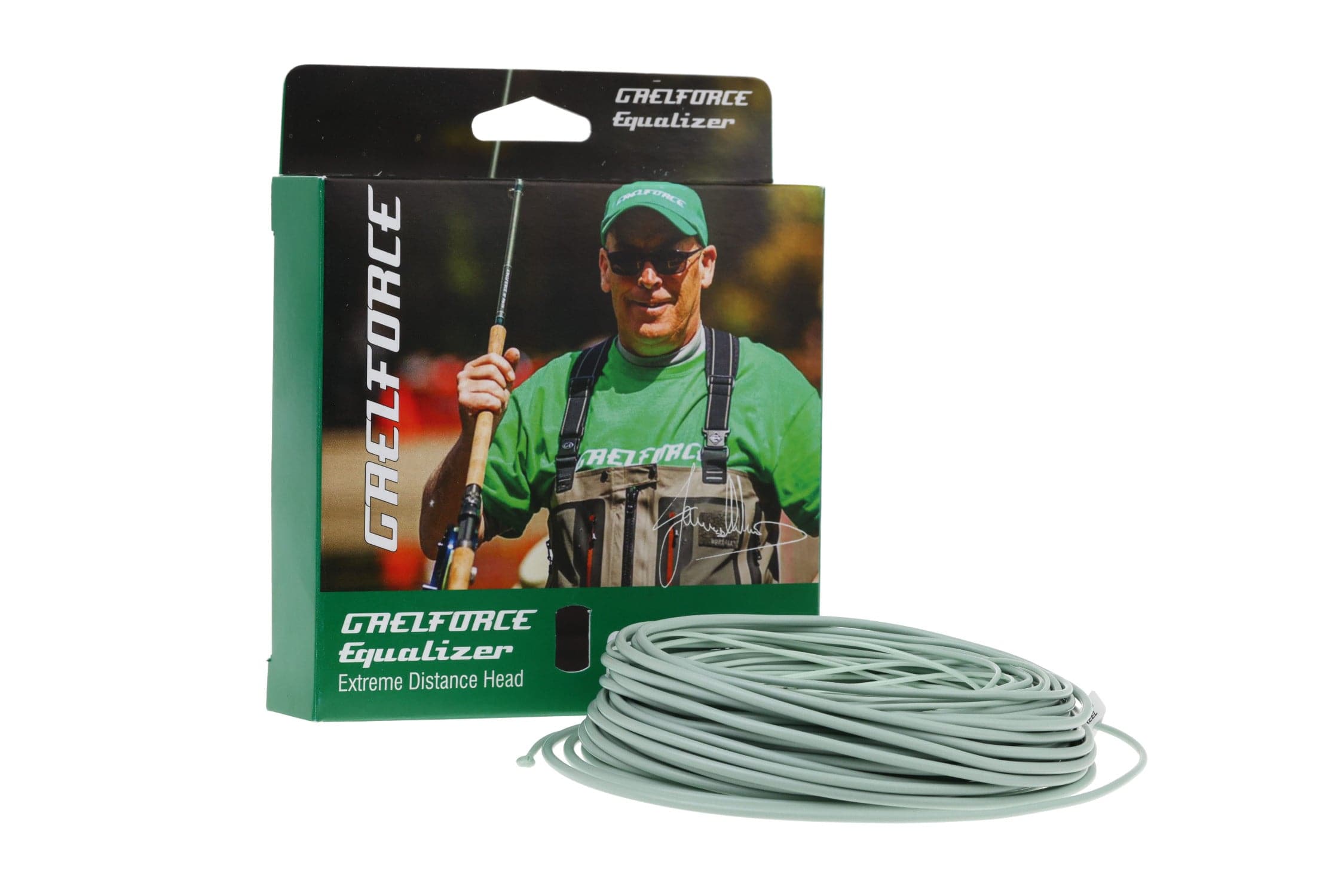
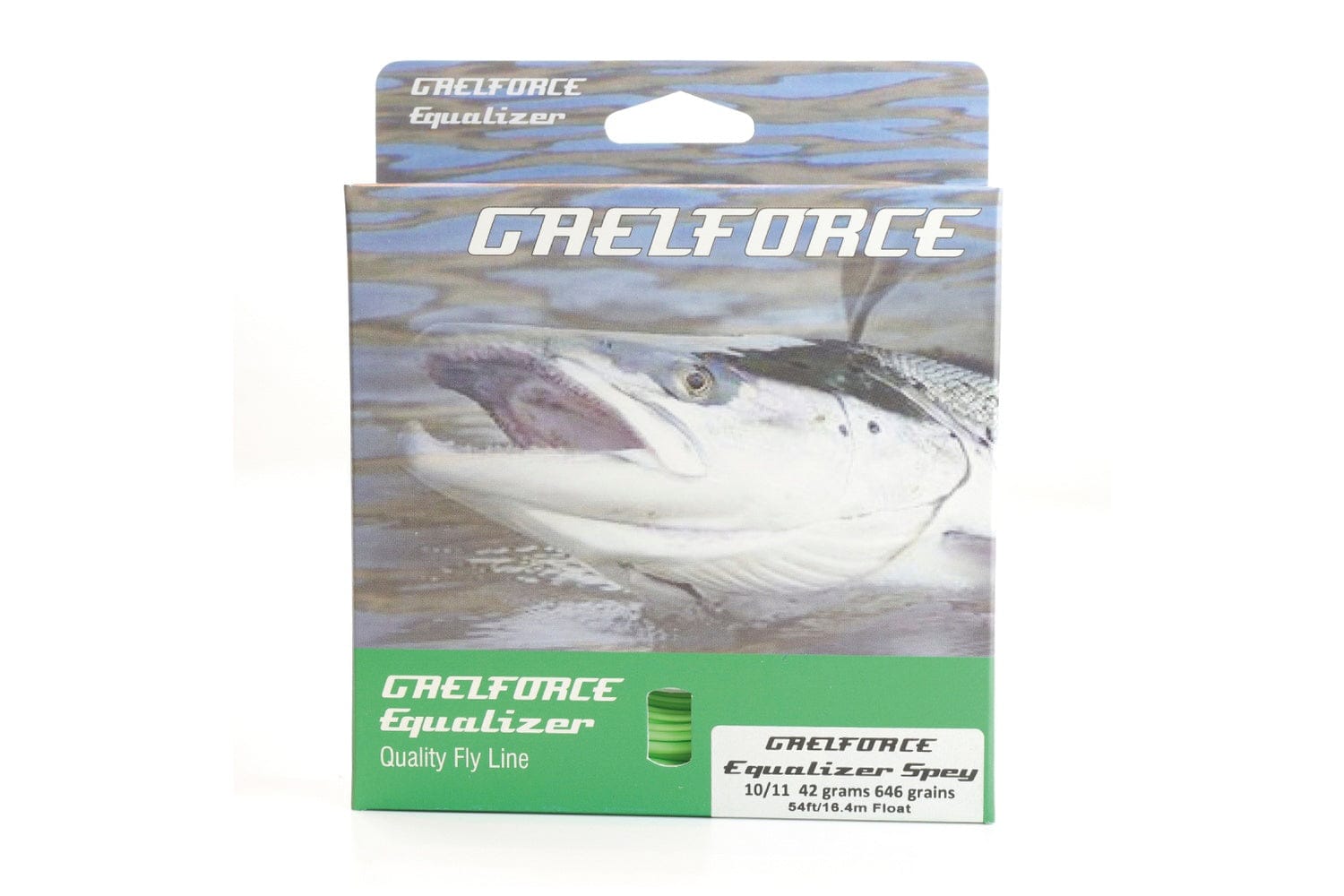
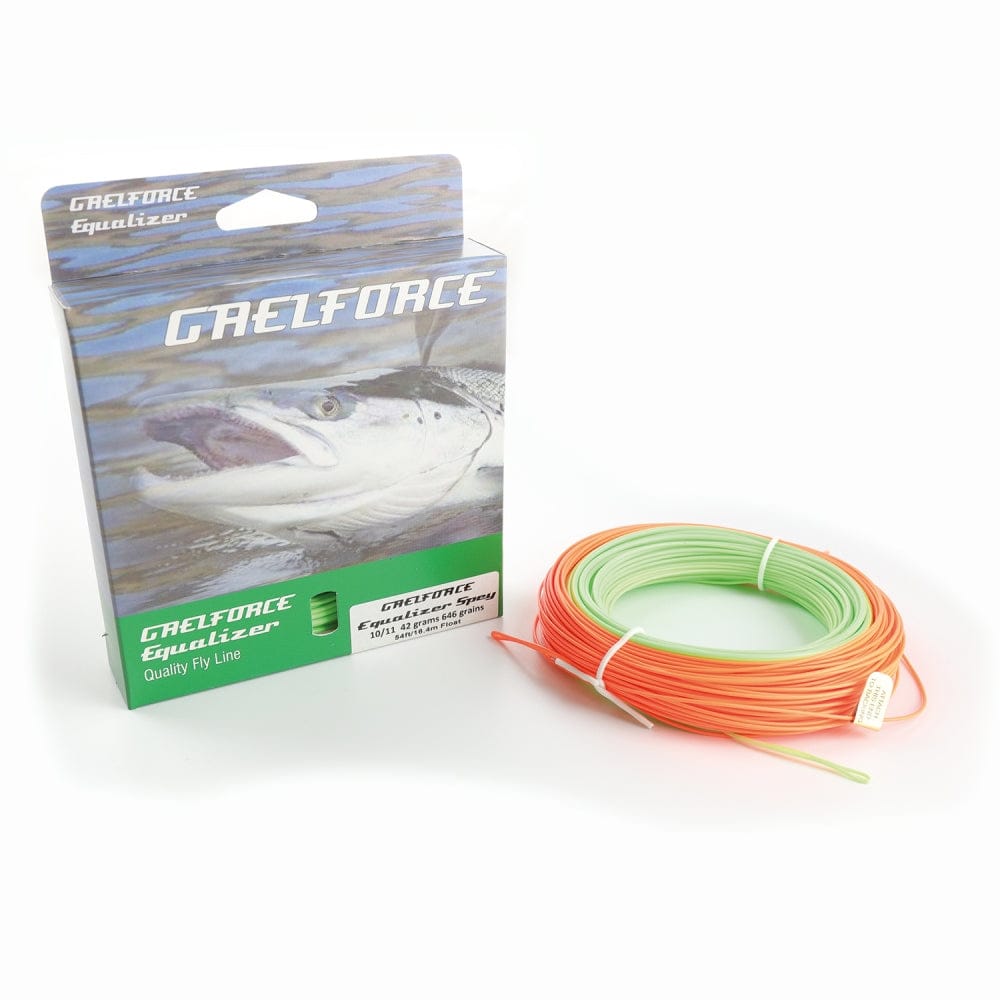
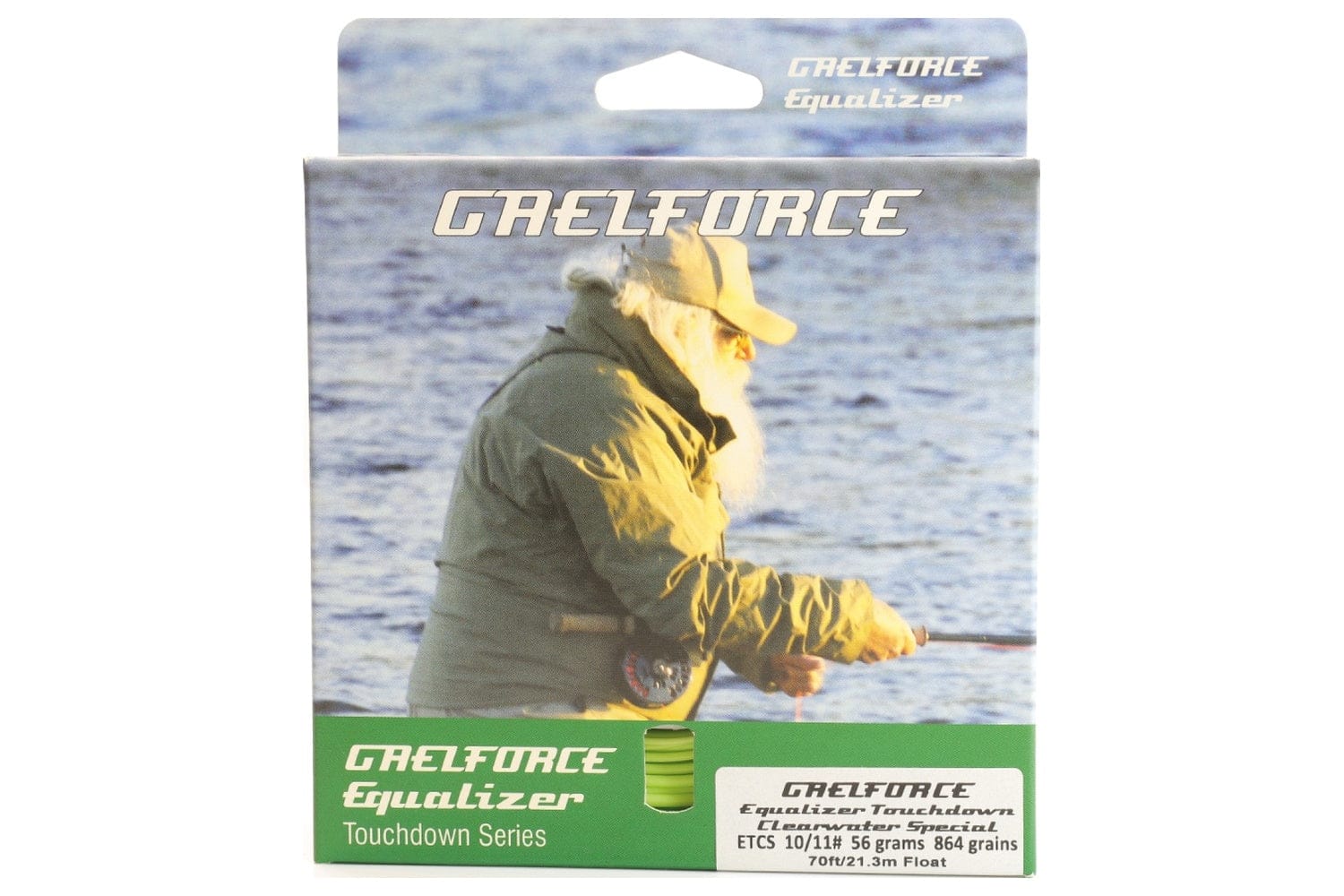
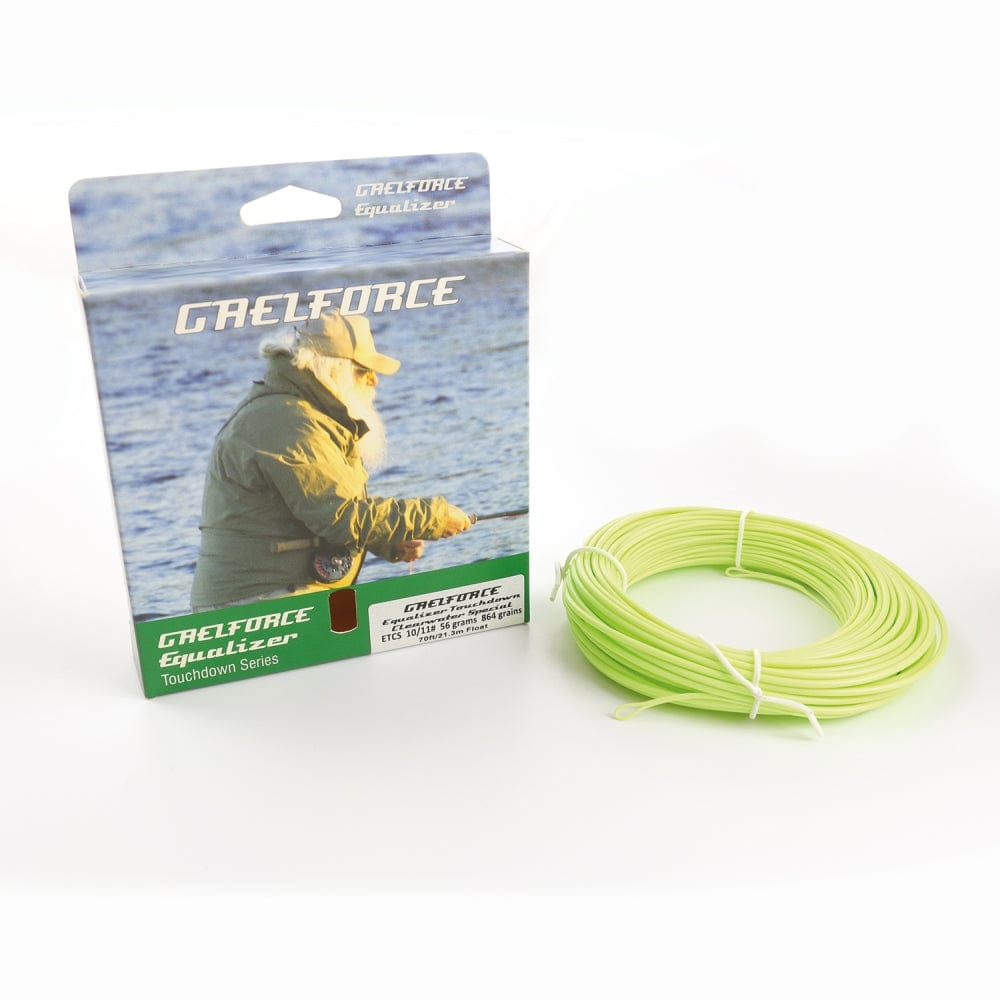
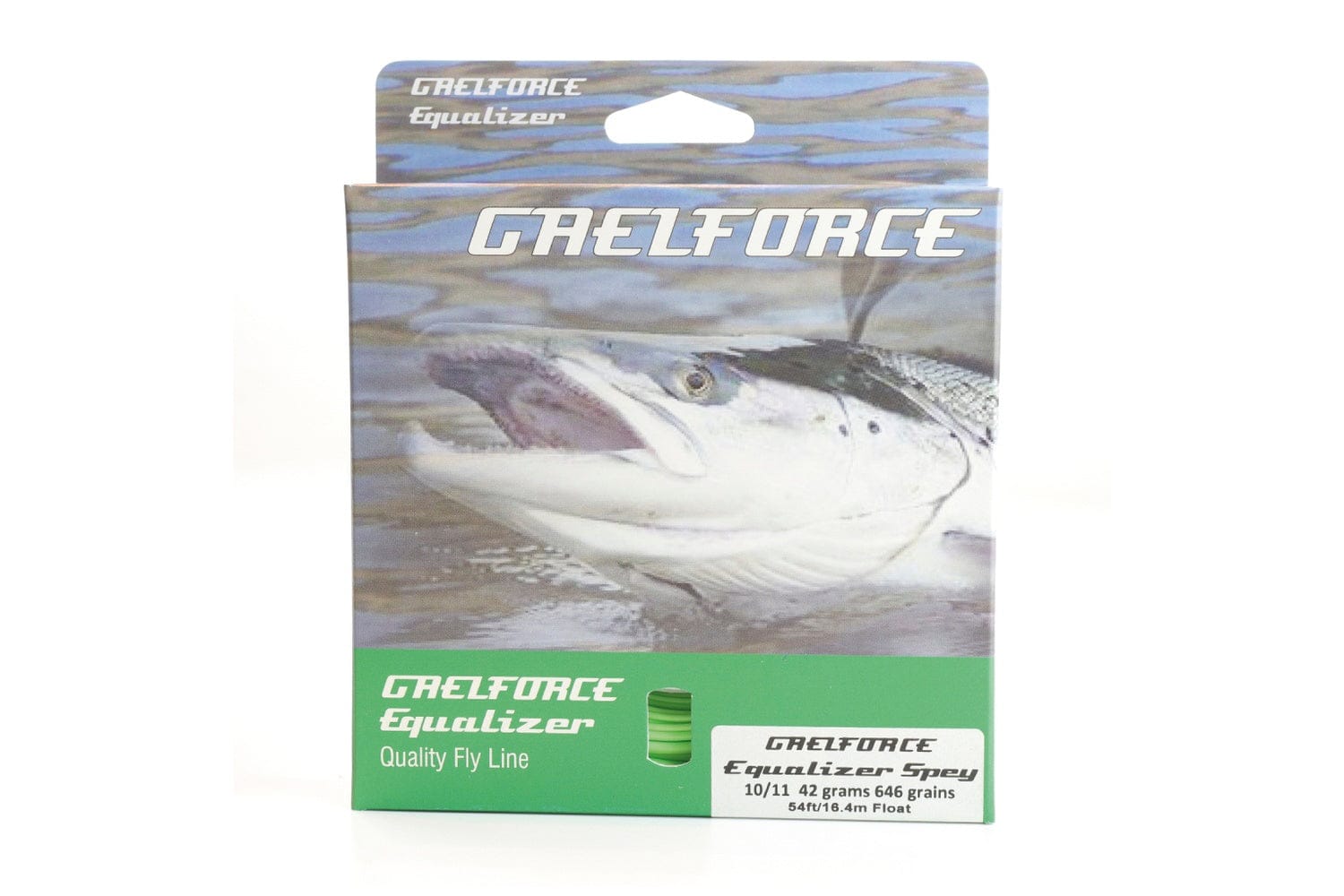
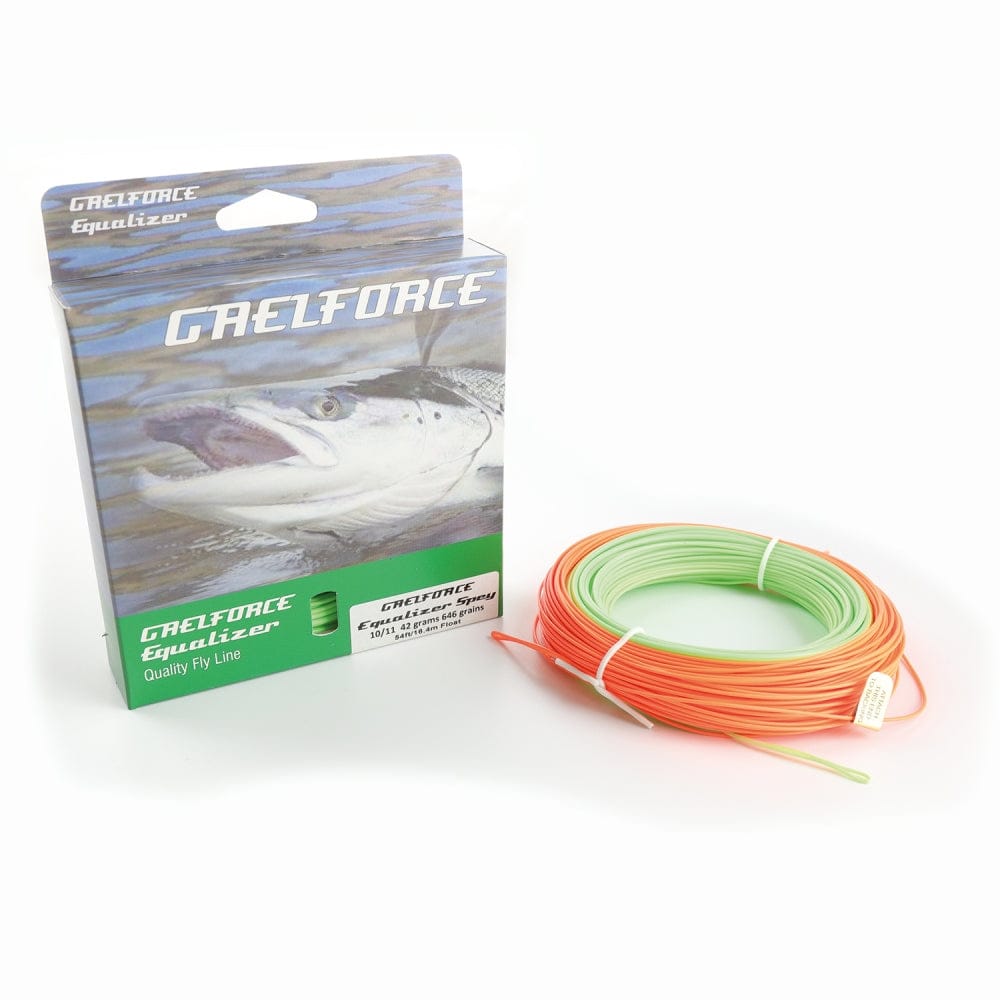
Best All-Around Fishing Line: Gaelforce Equalizer Spey Fly Line - 54ft - A versatile mid-belly line that balances distance with manageability for general salmon and steelhead angling. The 54-foot head loads 13-foot to 14-foot rods deeply without requiring excessive backcast space.
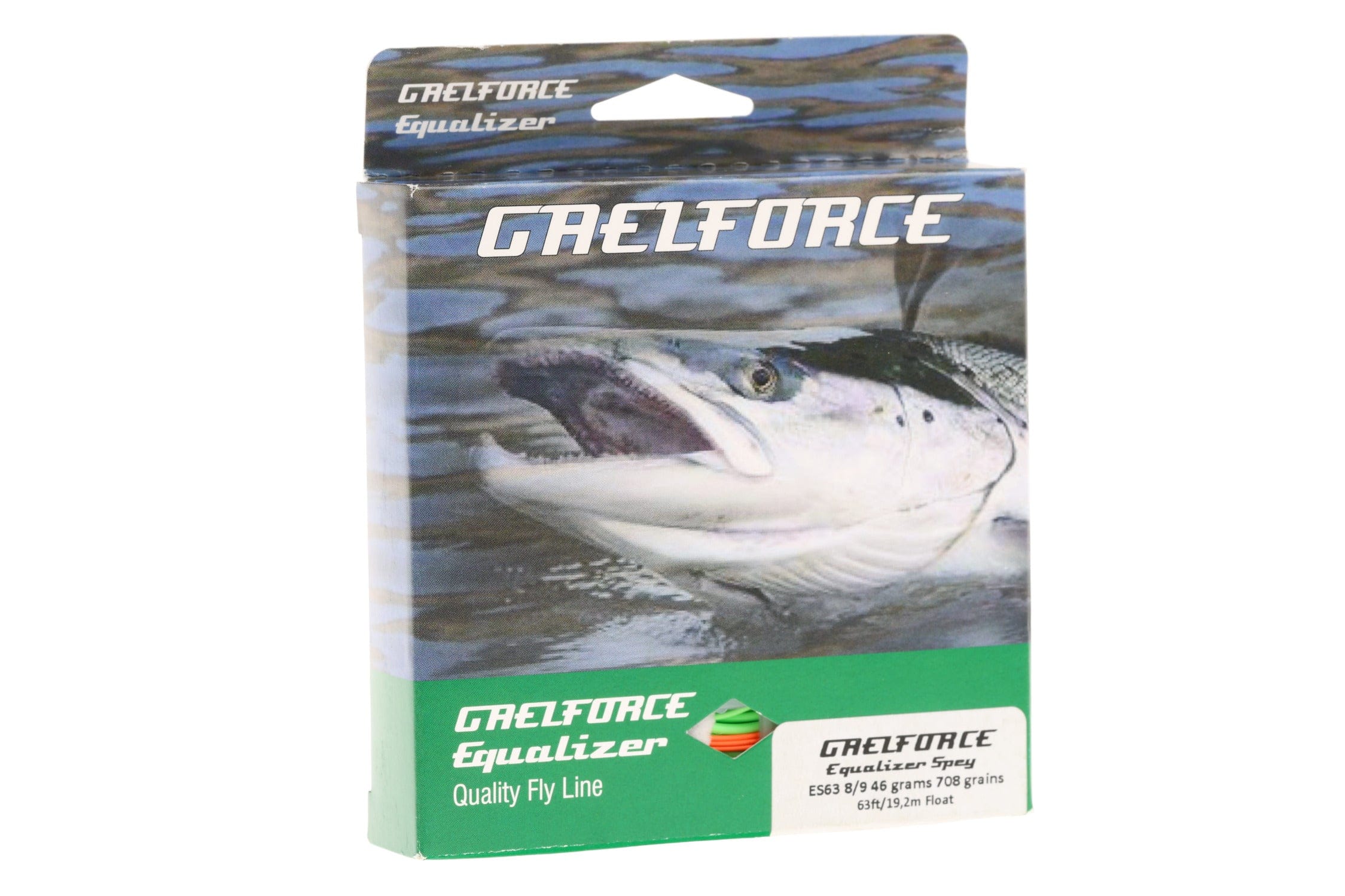
Best for Long Distance: Gaelforce Equalizer Spey Fly Line - 63ft - Designed for larger rivers and longer rods, this line offers incredible mending control and casting range. Its extended head length eliminates the need to strip line between casts, increasing your fishing efficiency.
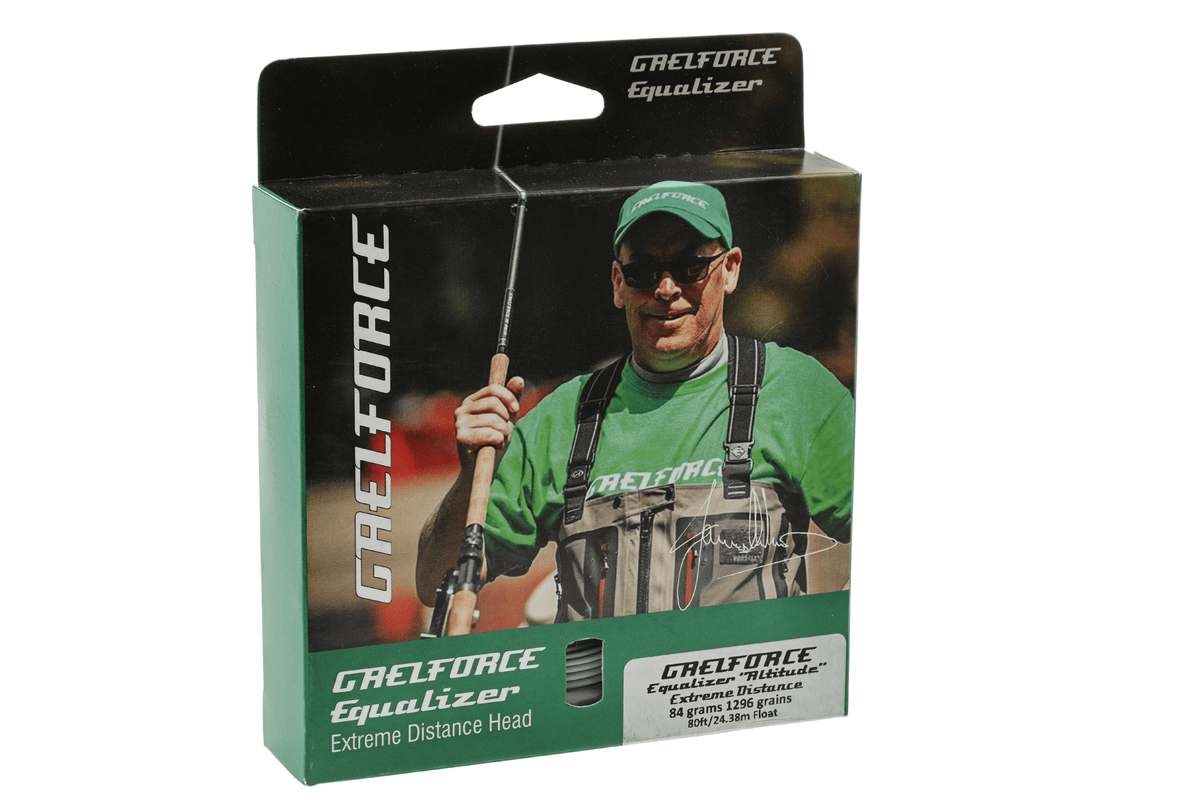
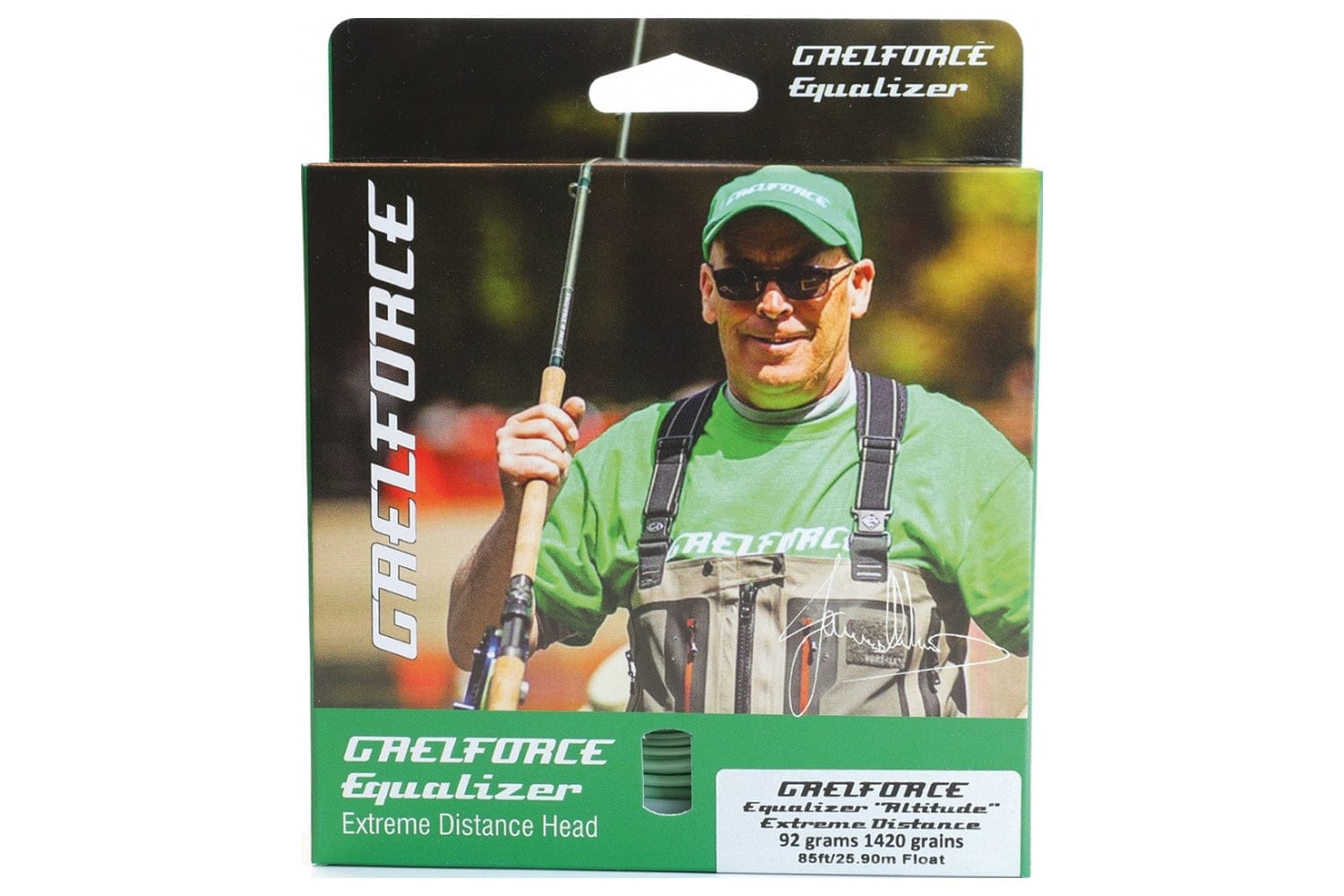
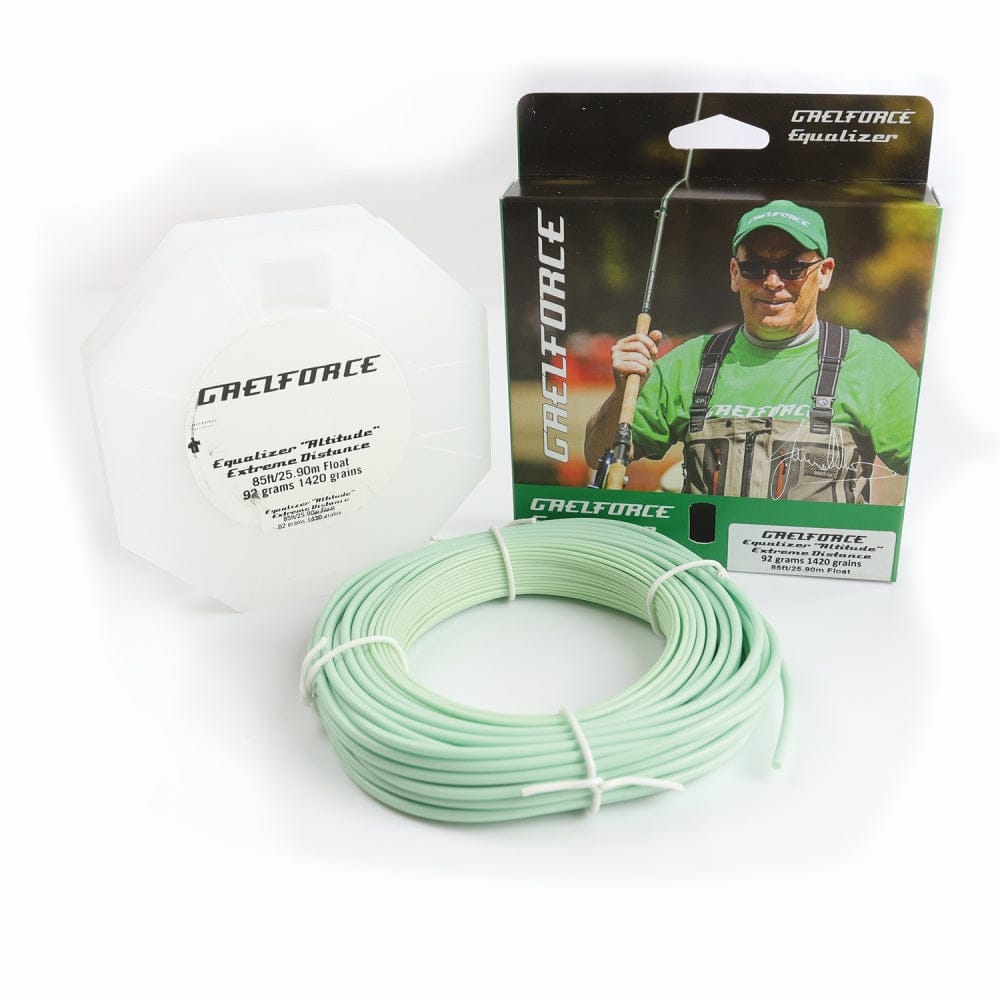
Best Shooting Head: Gaelforce Equalizer Altitude Extreme Distance Head - A powerful competition-style head built for maximum distance casting. This head pairs with your preferred shooting line to launch flies across the widest runs.
How to Choose Traditional Spey Fly Lines
Traditional Spey lines, often called mid-belly or long-belly lines, are the classic choice for two-handed fly fishing. Unlike short Skagit or Scandi heads, these lines feature long, integrated heads ranging from 50 to over 80 feet. They are designed for "touch-and-go" casts (like the Single Spey and Snake Roll) and excel at covering water efficiently on large rivers.
Head Length and Rod Match
The most critical factor in choosing a traditional line is matching the head length to your rod and skill level. A general rule is that the head should be roughly 3.5 to 4 times the length of your rod for comfortable fishing.
50ft - 55ft Heads (Mid-Belly): Ideal for 13ft to 14ft rods. These are the most user-friendly traditional lines, offering the casting elegance of a long line while remaining manageable for anglers transitioning from shooting heads. They are perfect for general fishing scenarios.
60ft - 80ft+ Heads (Long-Belly): Best suited for 14ft to 16ft+ rods. These lines require refined casting technique and significant open space behind you for the D-loop. They offer superior line control (mending) at distance and are often used in casting competitions or on massive rivers like the Clearwater or Thompson.
Integrated vs. Heads
Integrated Lines: Most traditional Spey lines come as a complete, integrated unit where the head transitions seamlessly into the running line. This eliminates the "clunk-clunk" of loop-to-loop connections moving through the guides, allowing you to bring the line deep inside the rod tip for close-range work or extend it fully for long casts.
Shooting Heads: Some modern long-belly options are sold as heads only. These allow you to customize your running line setup (e.g., using mono for less friction) but require managing a connection loop. These are often preferred by competition casters or anglers who want to swap heads quickly.
Fishing Application
Best for: Swinging traditional wet flies and hair-wing patterns on a floating line or with long poly-leaders. The long taper lands flies delicately and allows you to mend line far out in the swing, keeping your fly in the zone longer.
Avoid if: You are fishing heavy sink tips and massive intruders (use Skagit) or fishing small, brushy streams with zero backcast room (use Scandi or Skagit).
Compatibility
Leaders: Traditional lines rely on a long leader to anchor the cast. Use tapered leaders or poly-leaders in the 10ft to 15ft range to ensure proper turnover.
Rod Action: These lines pair best with rods that have a progressive or "Spey" action that bends deep into the blank, rather than ultra-fast tip-flex rods.
Reel Capacity: Because these lines are thick and long, they take up significant spool space. Ensure your reel has adequate volume, often requiring a size up from what you would use for a shooting head system.
Complete Your Setup
Related Gear
Spey Rods - Full-length two-handed rods (13ft+) are essential for handling these long lines.
Spey Reels - Large arbor reels with the capacity to hold bulky long-belly lines and backing.
Leaders - Long tapered leaders are required to anchor your cast effectively.
Related Guides
Traditional Spey Fly Lines FAQs
Q: What is the main advantage of a traditional Spey line?
A: Efficiency and line control. Because the head is long, you don't need to strip in 30 feet of running line after every cast; you simply lift, set, and cast again. The long head also allows you to mend line at distance, controlling the speed of your fly's swing.
Q: Can I use sink tips with these lines?
A: Generally, no. Traditional Spey lines are designed for floating work or use with sinking poly-leaders. They do not have the mass concentration required to turn over heavy T-material or tungsten sink tips.
Q: Is a traditional Spey line good for beginners?
A: It has a steeper learning curve than Skagit lines because the longer head requires more precise timing and a larger D-loop. However, learning on a mid-belly line (50-55ft) teaches excellent fundamentals that translate to all other forms of casting.
Q: Why are Gaelforce lines so popular in this category?
A: Gaelforce, designed by expert caster James Chalmers, is widely considered the gold standard for modern traditional lines. They are engineered with precise tapers that offer the casting feel of classic lines but with modern materials that float higher and shoot farther.