

Fly Fishing Flies Explained (Streamers, Nymphs, Dry Flies & More)
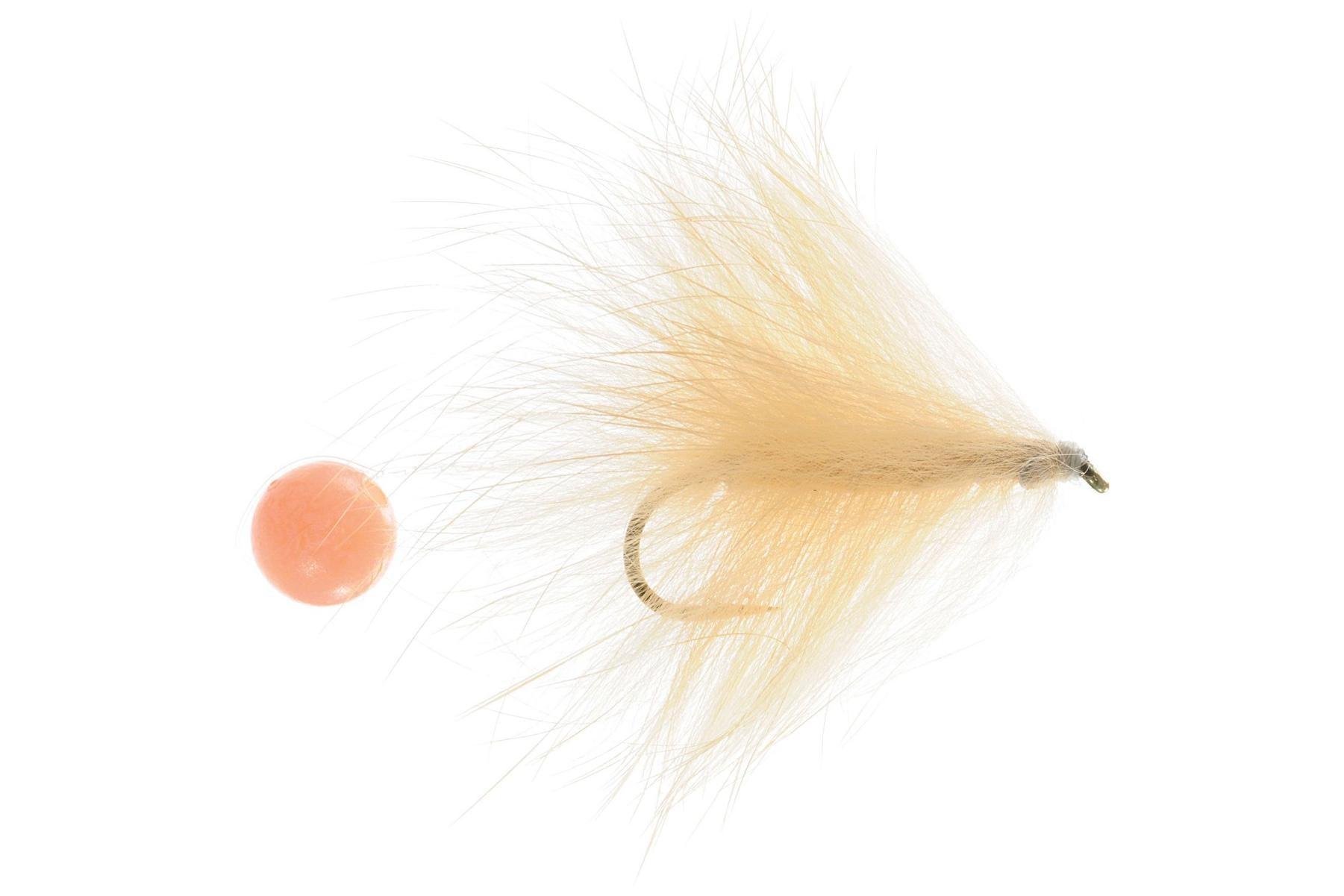
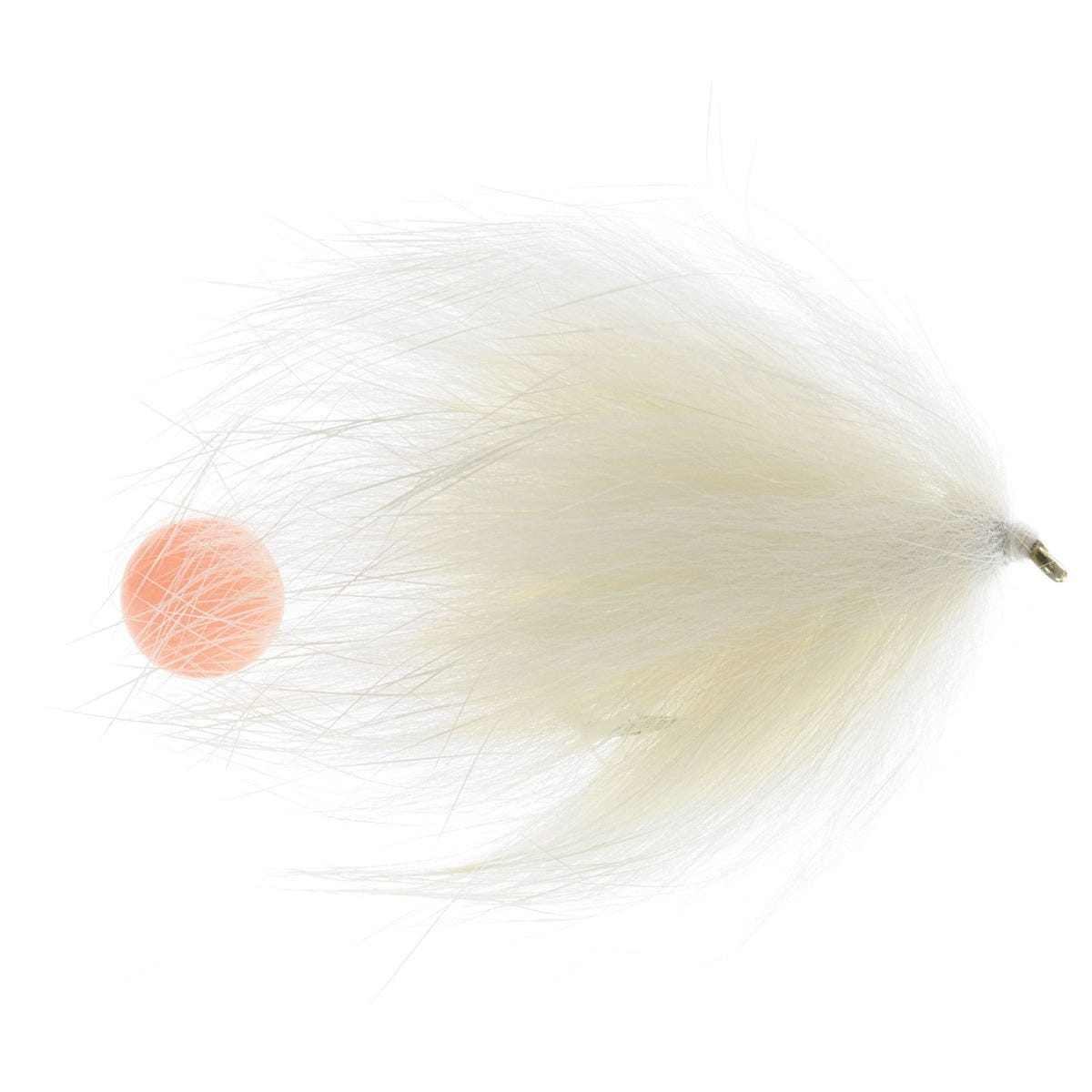
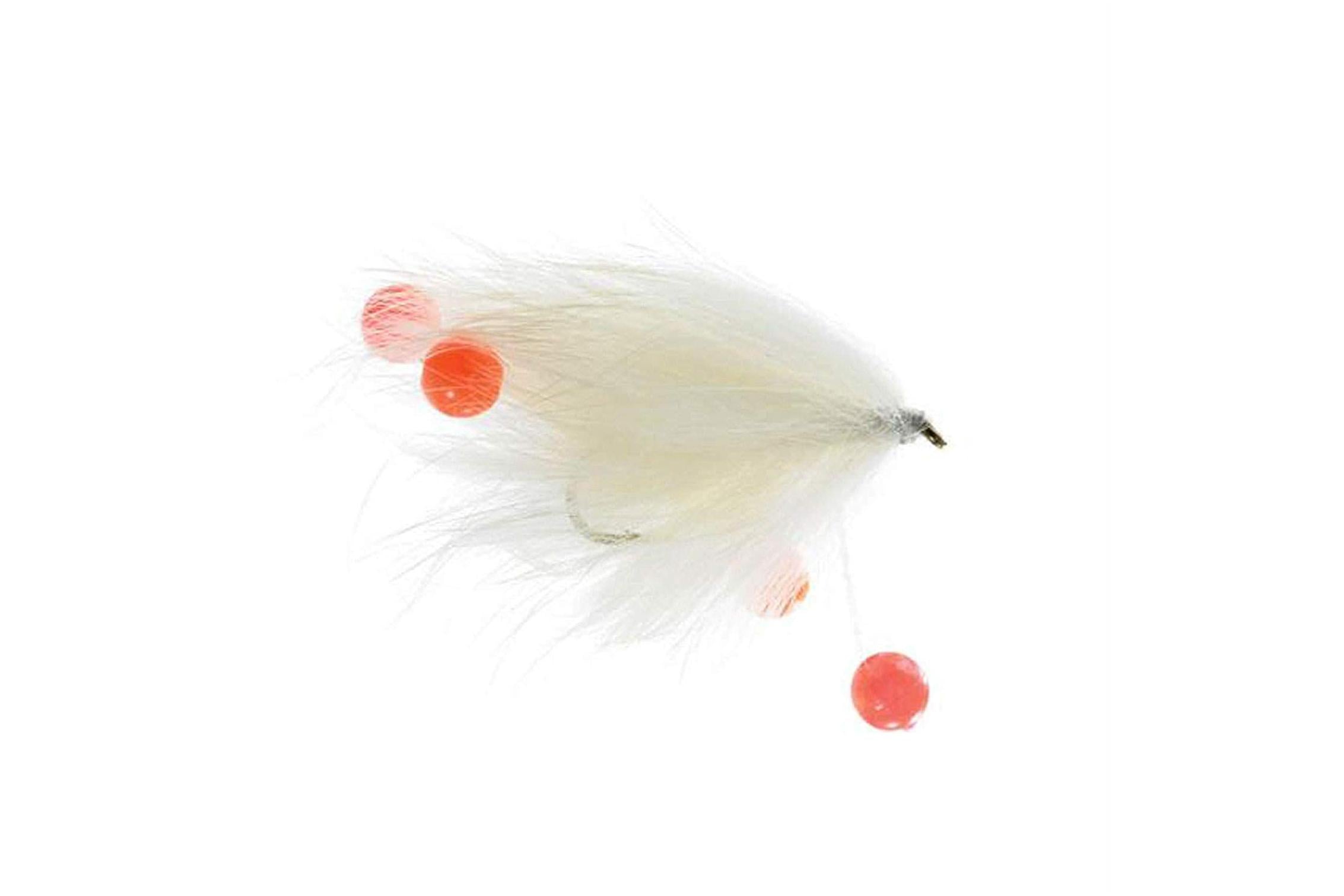
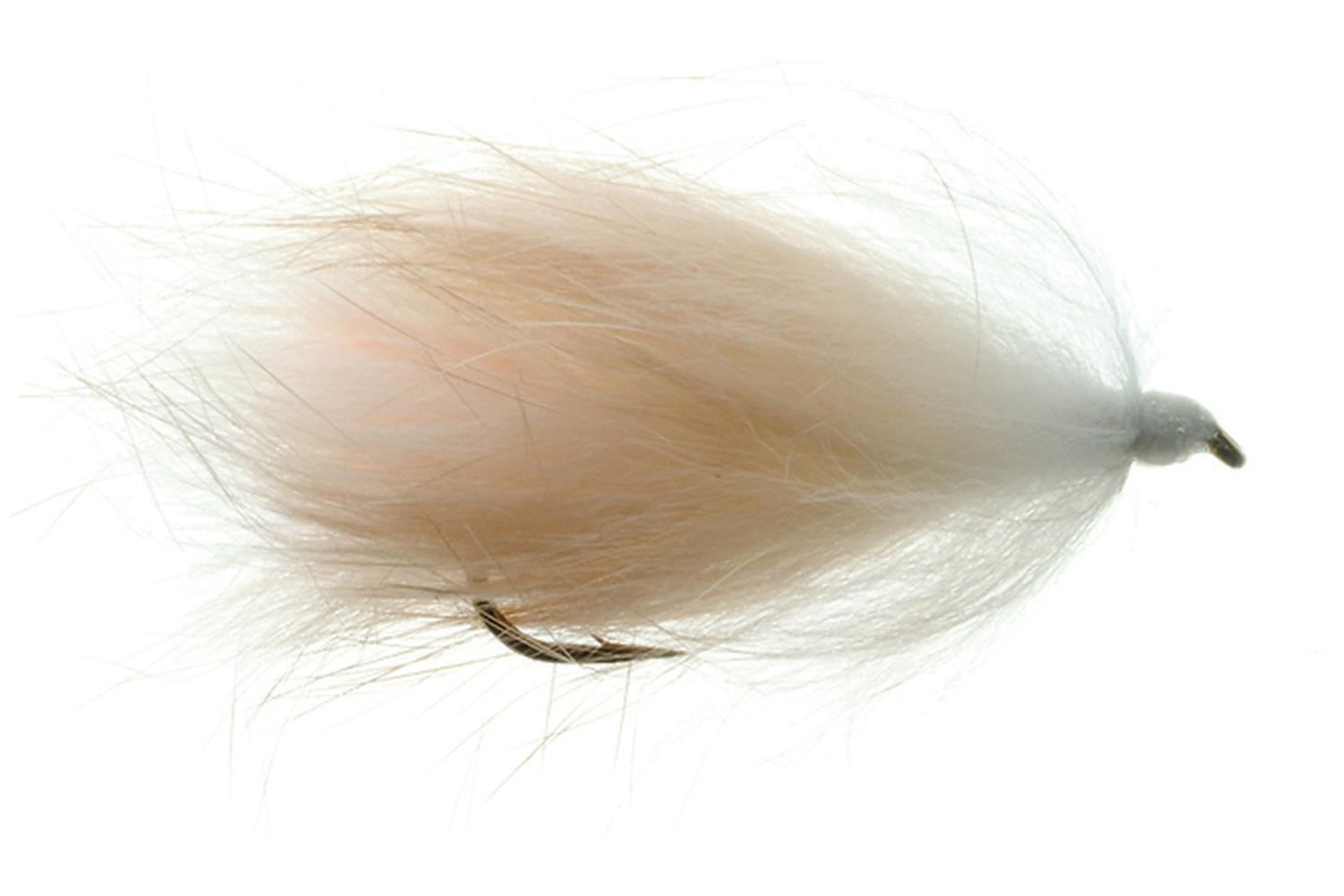
Flesh Flies Quick Picks
- Best All-Around: Twofer Flesh Fly - For anglers who want one confidence pattern for Alaska, the PNW, or any salmon-run river. The trailing egg adds a second trigger, so it fishes well when trout and steelhead are looking for “flesh + eggs.”
- Best for Off-Color Water: Choker Fly - For days when flows are up, visibility is down, and you need something fish can find. It combines a flesh profile with egg accents, giving you a bold, high-contrast target.
- Best Simple Option: Flesh Fly - For anglers who want a straightforward, no-frills flesh imitation to match the bite. It’s a clean, easy-to-fish profile when trout are keyed on drifting chunks.
How to Choose Flesh Flies
When to fish them
Best for: Post-spawn salmon systems, when spawned-out fish are in the river and trout/steelhead are stationed behind them. This is the classic “flesh bite” scenario, and it shows up in Alaska, Great Lakes tributaries, and many Pacific Northwest waters.
Presentation: dead-drift vs. swing
Action: Start by dead-drifting flesh flies under an indicator when fish are holding in softer seams and walking-speed current. As fish get more aggressive (or when you want to cover water), swing them like a small streamer through tailouts and riffle edges.
Avoid if: You’re trying to match a technical insect hatch on a spring creek, flesh flies shine when fish are focused on salmon food sources, not tiny bugs.
Color selection (it matters more than most anglers think)
Action: Carry at least two tones: a cleaner light/cream for “fresh” chunks and a peachy/tan option for a slightly older, more washed-out look. Rotate colors as the spawn progresses and as water clarity changes.
Where to put it in the water column
Action: Flesh often fishes best close to the bottom but not dragging constantly. Use leader length, split shot, and/or your fly’s inherent weight to tick occasionally. If you’re snagging every drift, you’re too deep; if you never tick, you’re usually too high.
Materials & Durability
- After a fish: Check the hook point and bend, rocks and big trout mouths can dull or tweak hooks quickly.
- After a snag: Inspect thread wraps and any “egg” accents for tears; replace the fly once it loses its profile.
- Drying flies: Let wet patterns air-dry outside the box when possible to help prevent rust and keep materials from matting.
- Storage: Use a deeper fly box compartment for bulkier patterns so materials don’t get crushed.
Complete Your Setup
Related Gear
- Egg Flies - A natural pairing during salmon runs; fish eggs alone or as a dropper behind a flesh pattern.
- Steelhead Flies - Round out your box with swing flies, nymphs, and other spawning-season staples.
- Leaders - Dial in turnover and drift control, especially when indicator fishing heavier rigs.
- Tippet - Match strength and abrasion resistance to bigger fish and rough, salmon-river structure.
Related Guides
- The Best Flies for Alaska Trout Fishing
- Fly Fishing Flies Explained
- How to Choose the Best Steelhead Flies
- How To Tie The Nuke Egg
- How To Tie The Y2K Egg Fly
Flesh Flies FAQs
Q: What are flesh flies in fly fishing?
A: Flesh flies are patterns meant to imitate drifting pieces of decomposing salmon flesh after the spawn. They’re most commonly used for rainbow trout and steelhead in rivers with strong salmon runs.
Q: When should I fish flesh flies?
A: Fish them during and especially after salmon spawning, when spawned-out salmon are present and trout/steelhead are feeding behind them. This is often a late-summer through fall deal in Alaska, and a key window in Great Lakes tributaries and some PNW rivers.
Q: How do I fish flesh flies, indicator or swing?
A: Both work. Dead-drift under an indicator when fish are holding and feeding selectively; swing them through riffles and tailouts when you want to cover water or when fish are more aggressive.
Q: What size tippet should I use for flesh flies?
A: Start with a stronger trout/steelhead-appropriate tippet than you’d use for tiny nymphs, then adjust based on fly size, current, and fish size. Abrasion resistance matters around rocks, salmon carcasses, and woody structure.
Q: What colors of flesh flies should I carry?
A: A small range goes a long way, light/cream for a cleaner look and peach/tan for a more “aged” look. If the river is off-color, a more visible option can help fish locate the fly.
Q: Are flesh flies only for Alaska?
A: No. They’re a strong choice anywhere salmon runs occur, including the Great Lakes and many Pacific Northwest fisheries, when trout and steelhead are feeding behind spawning fish.
Q: Should I fish a flesh fly with an egg?
A: It’s often a smart move during the spawn because fish may be keying on both food sources. Patterns that incorporate egg elements can be excellent “searching” options when you’re not sure what they want first.
Q: Do I need weighted flesh flies?
A: Not necessarily. Many anglers control depth with split shot and indicator placement; the goal is to get the fly near the feeding zone without constantly dredging bottom.