



























Scud Fly Pattern | Fly Tying Tutorial
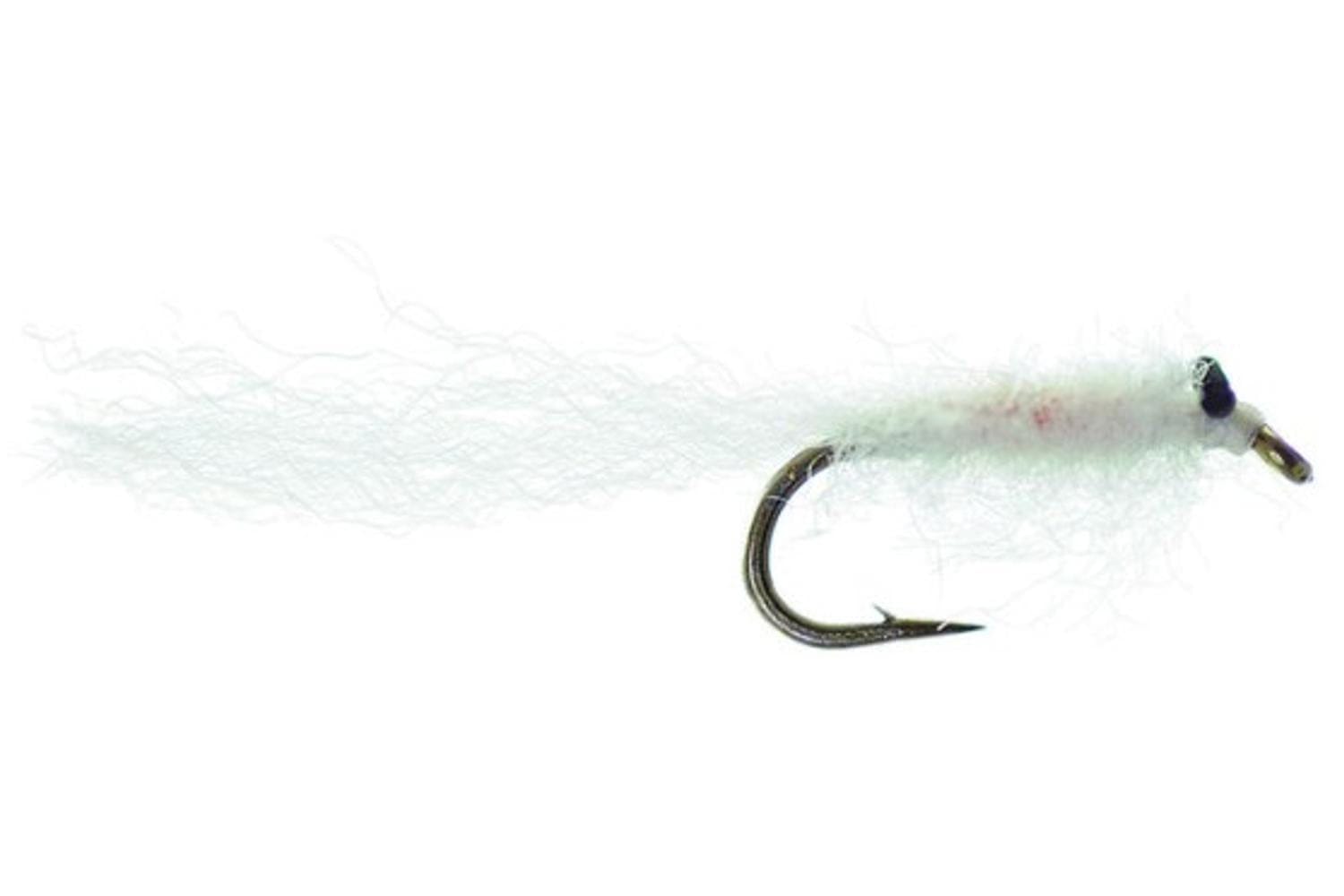
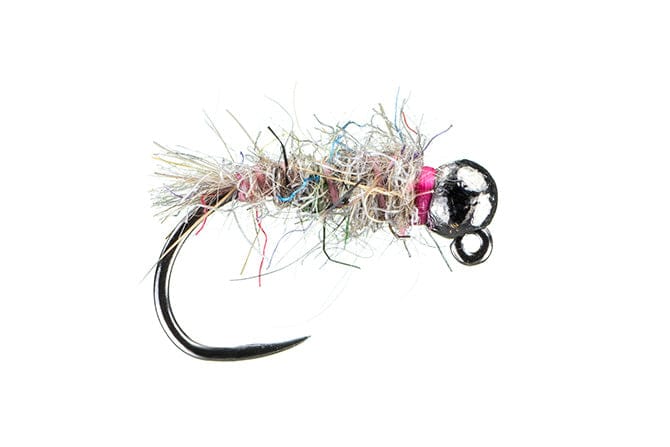
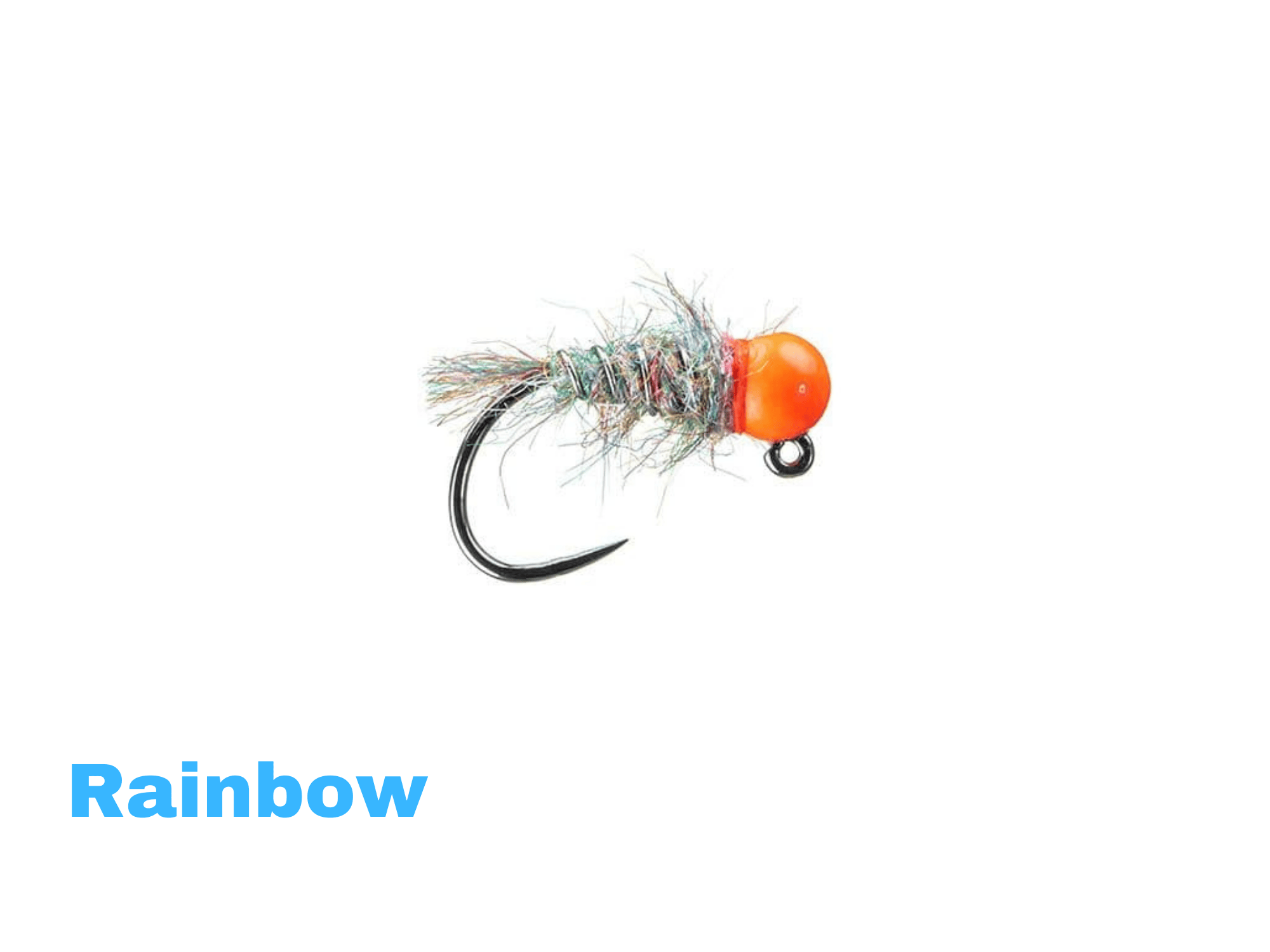
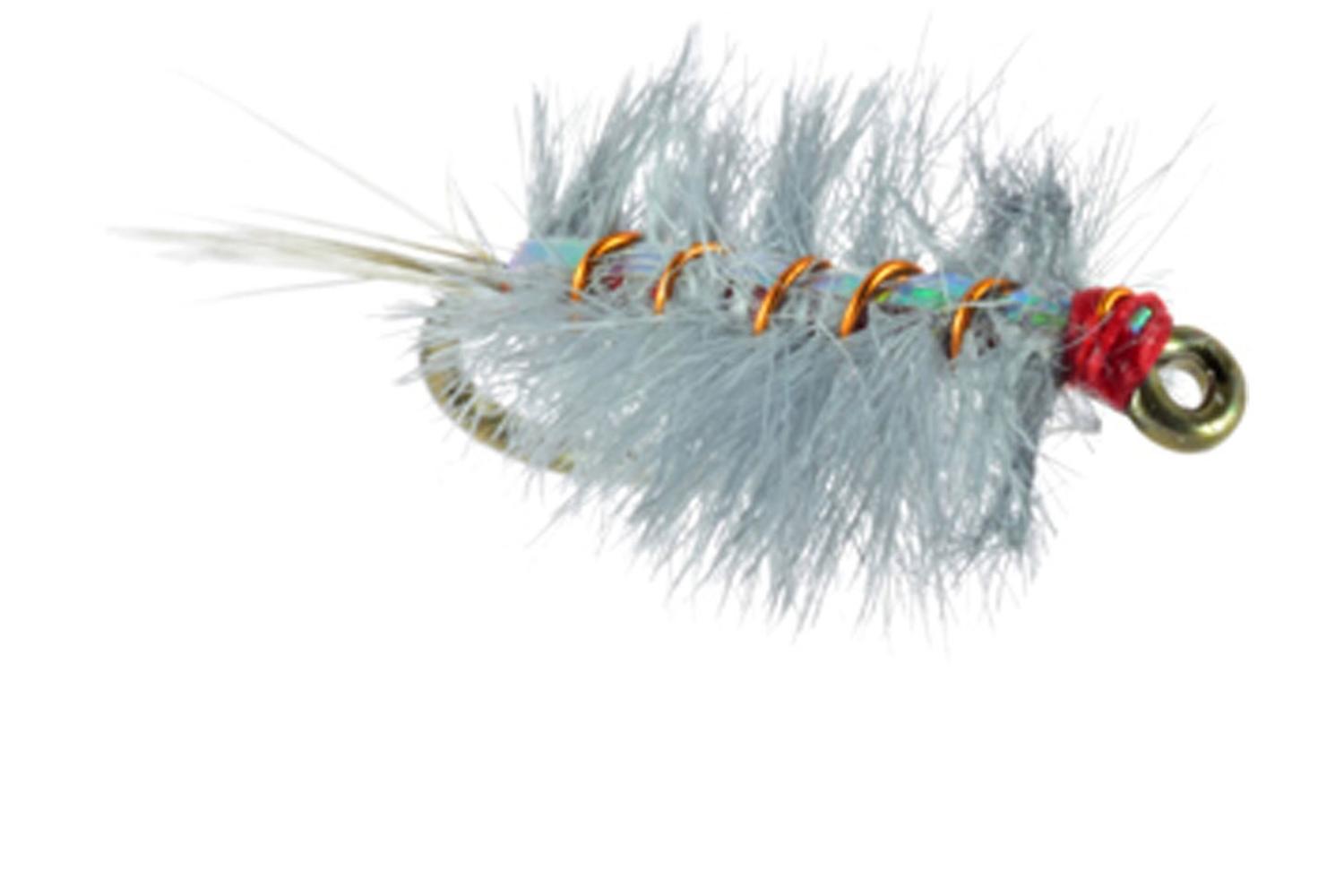
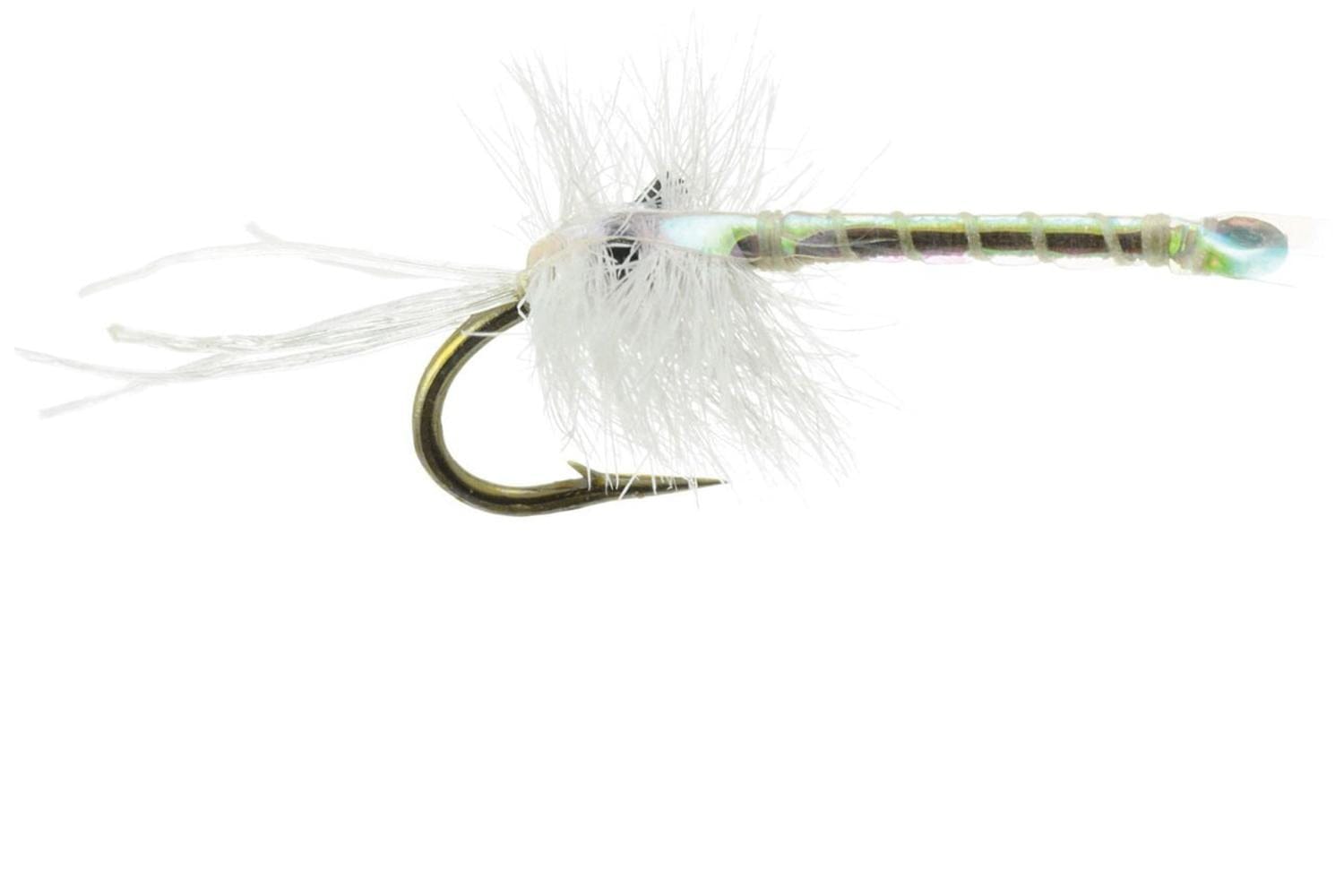
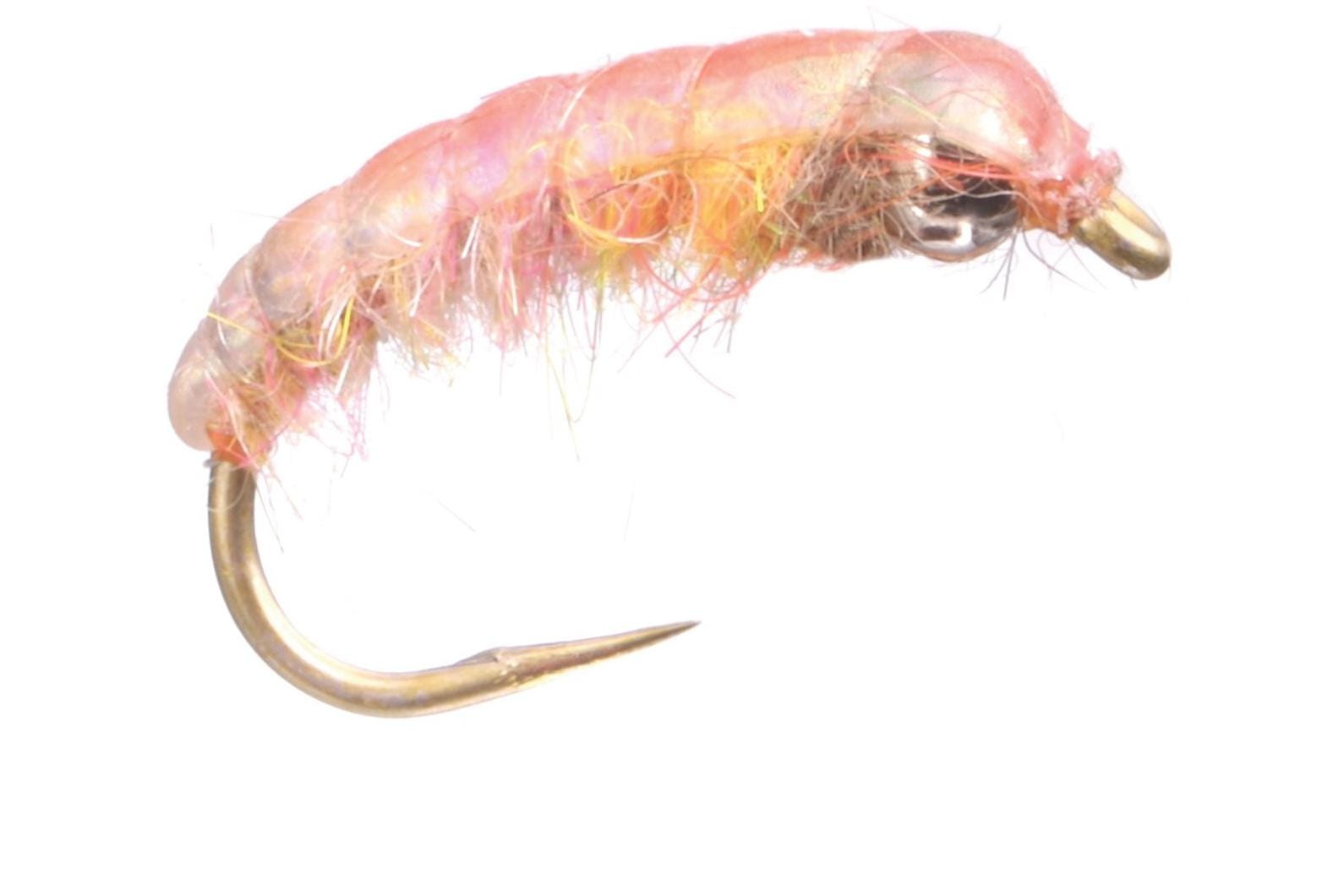
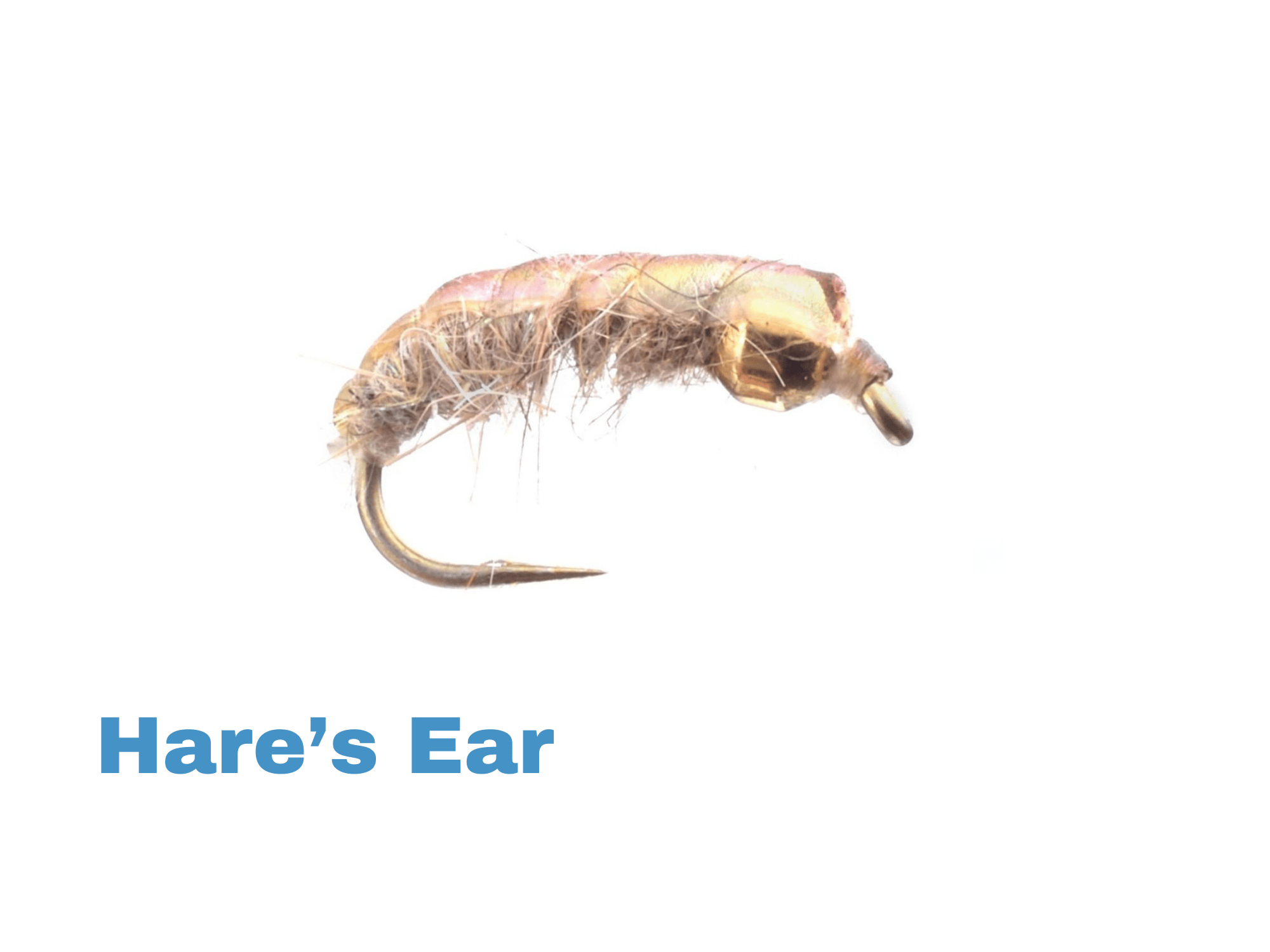
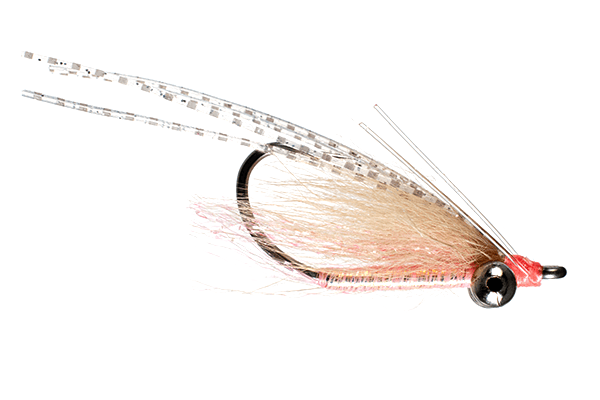
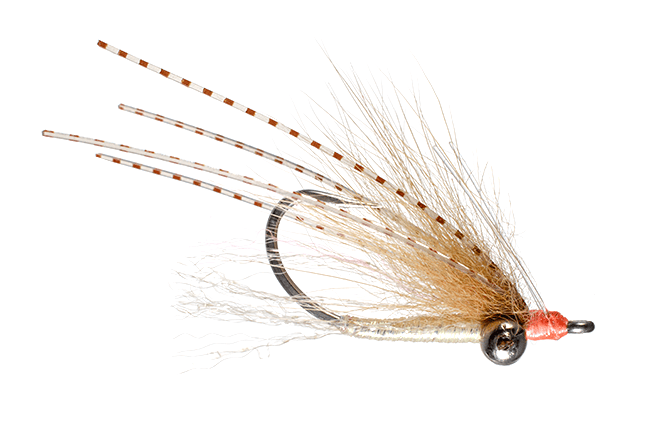
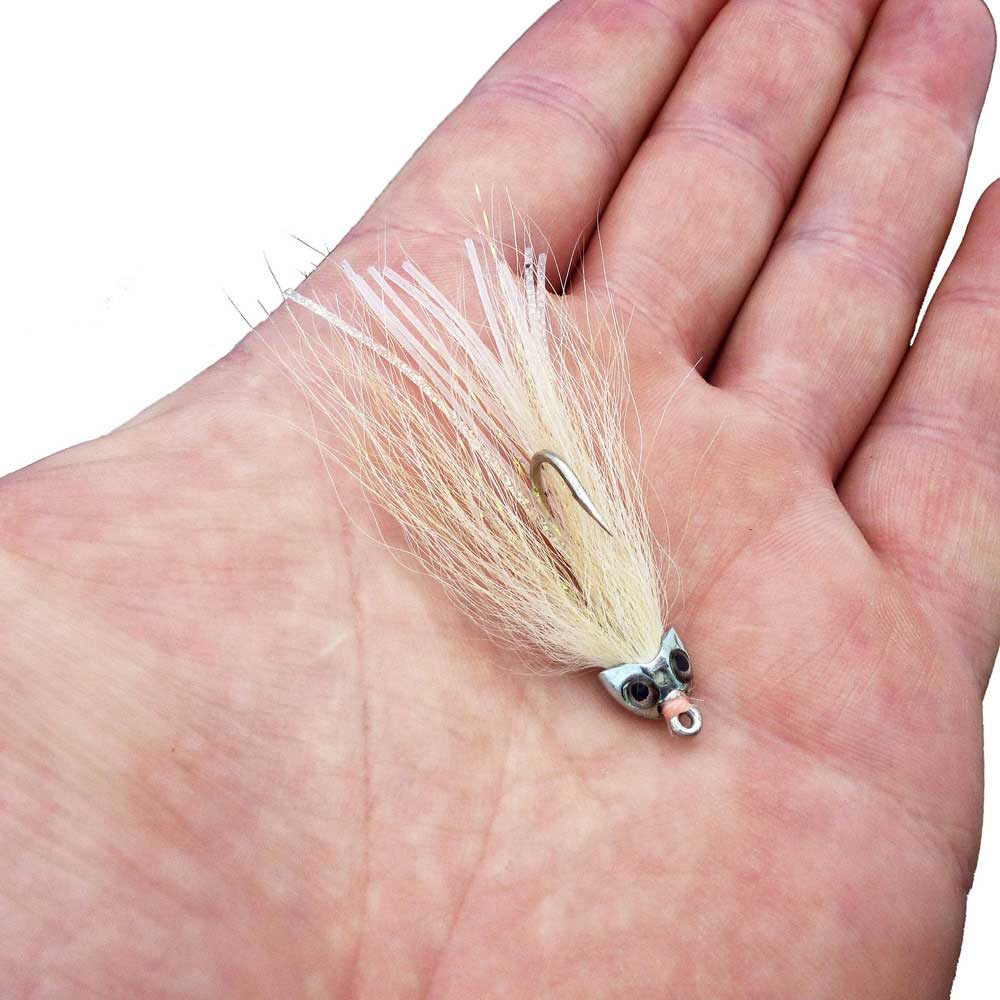
Scuds and Shrimp Quick Picks
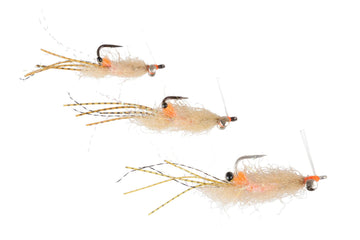
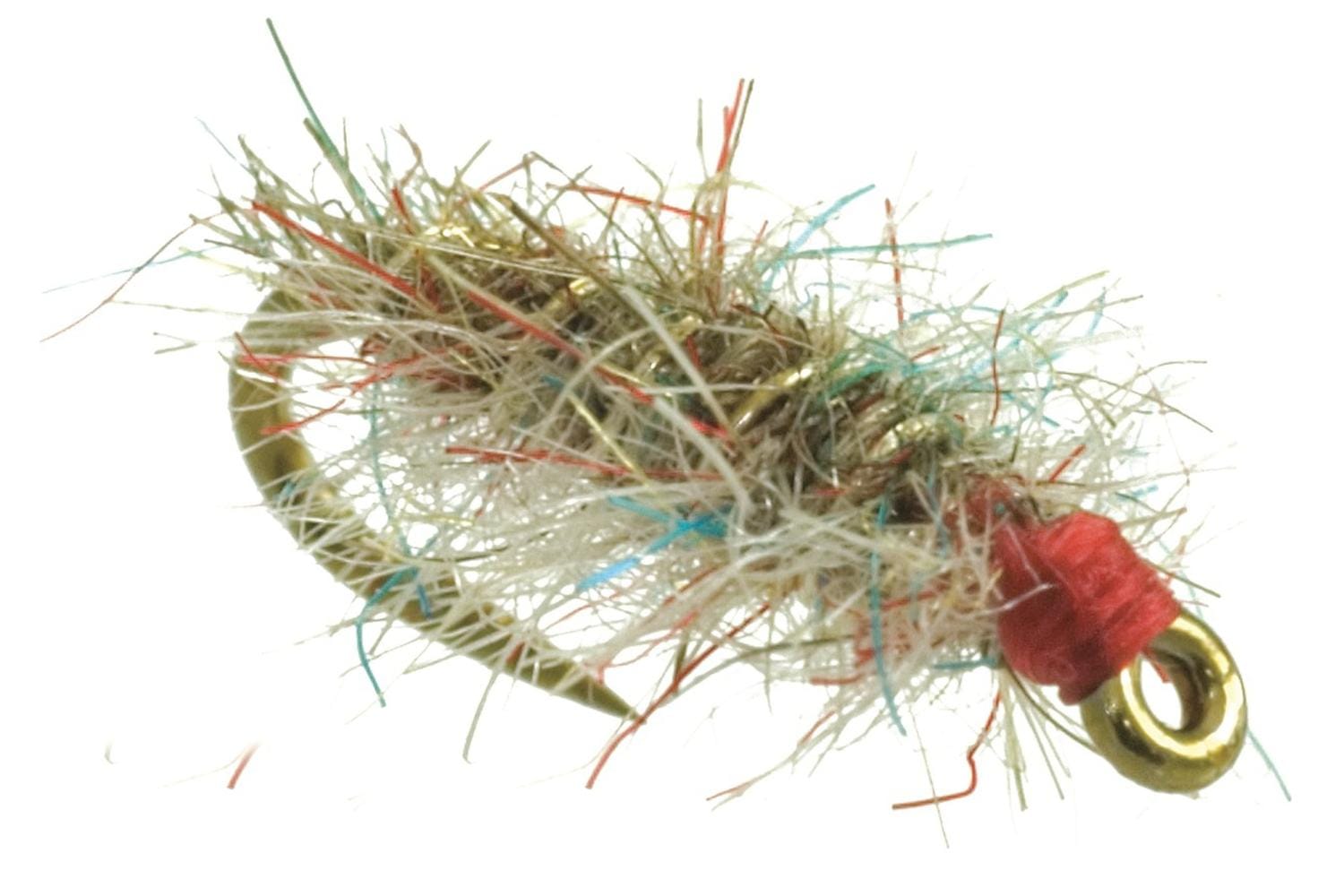
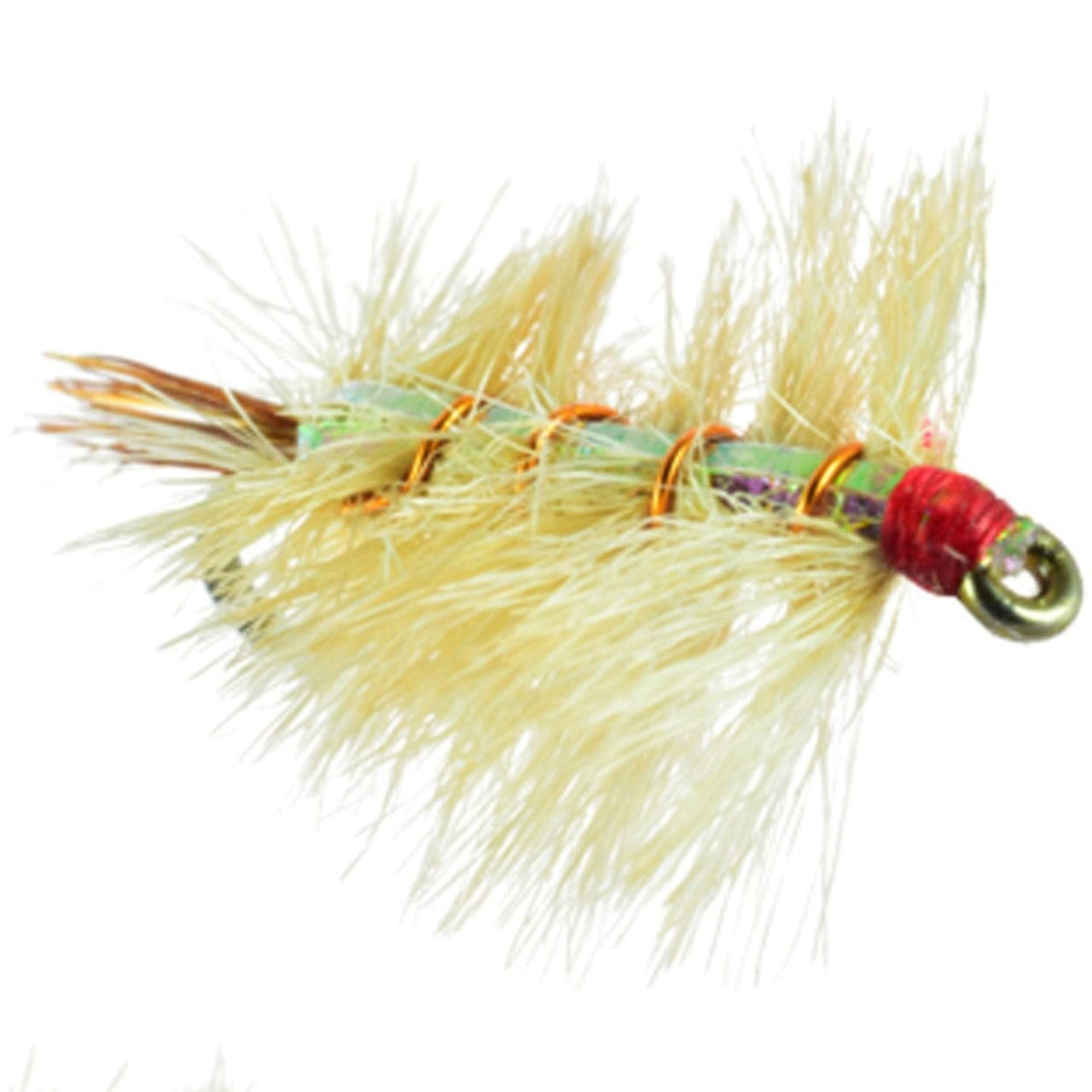
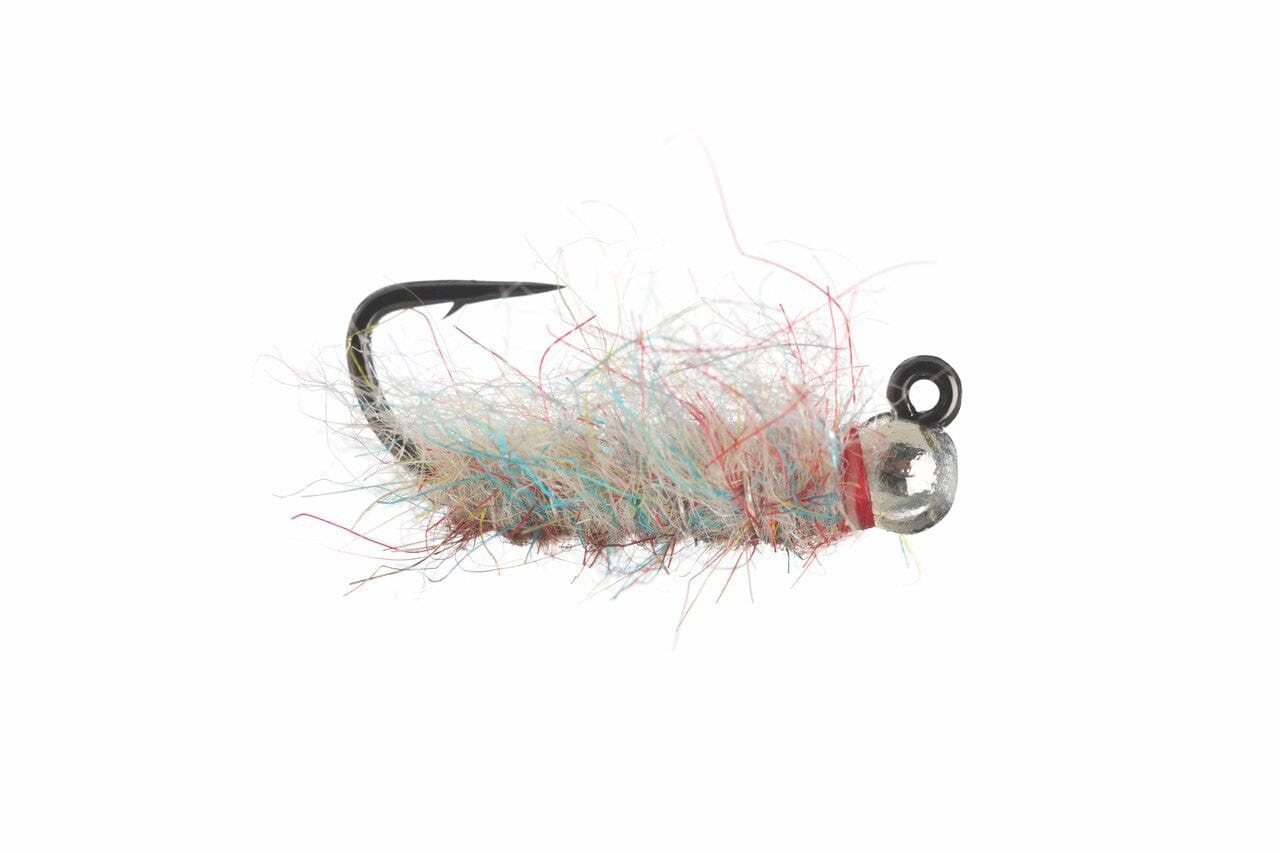
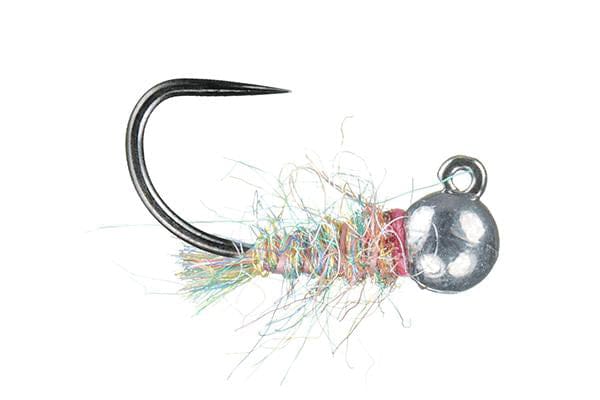
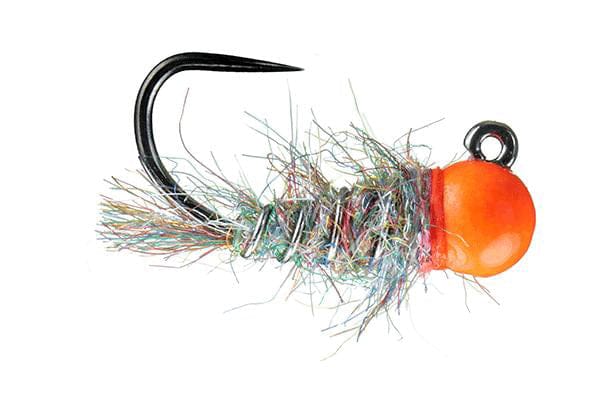
- Best All-Around: Ray Charles Fly - A go-to sowbug/scud-style nymph when you want a buggy profile that works across a lot of tailwaters. It’s especially useful as a trailing fly in a two-fly rig when fish want something smaller and subtle.
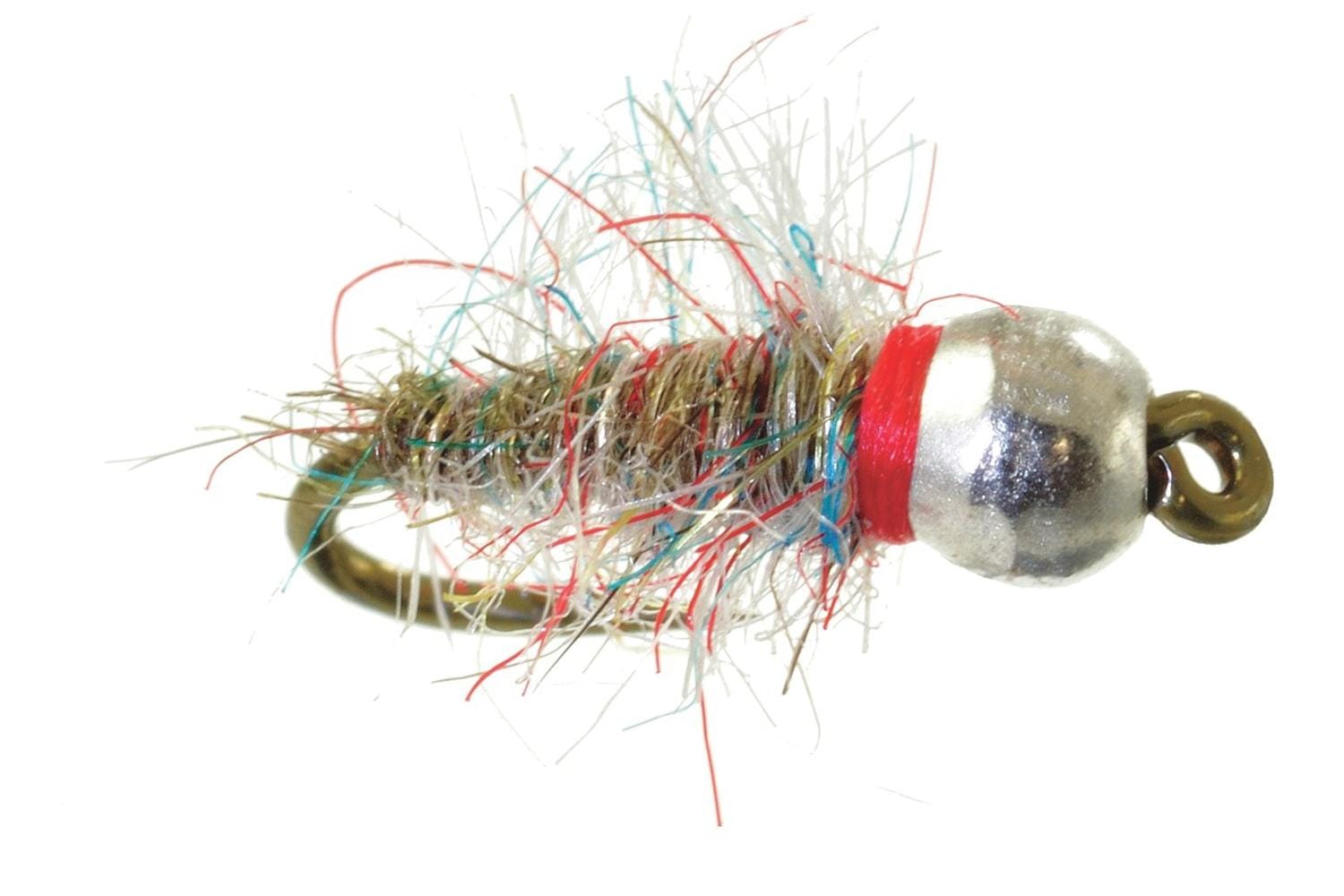
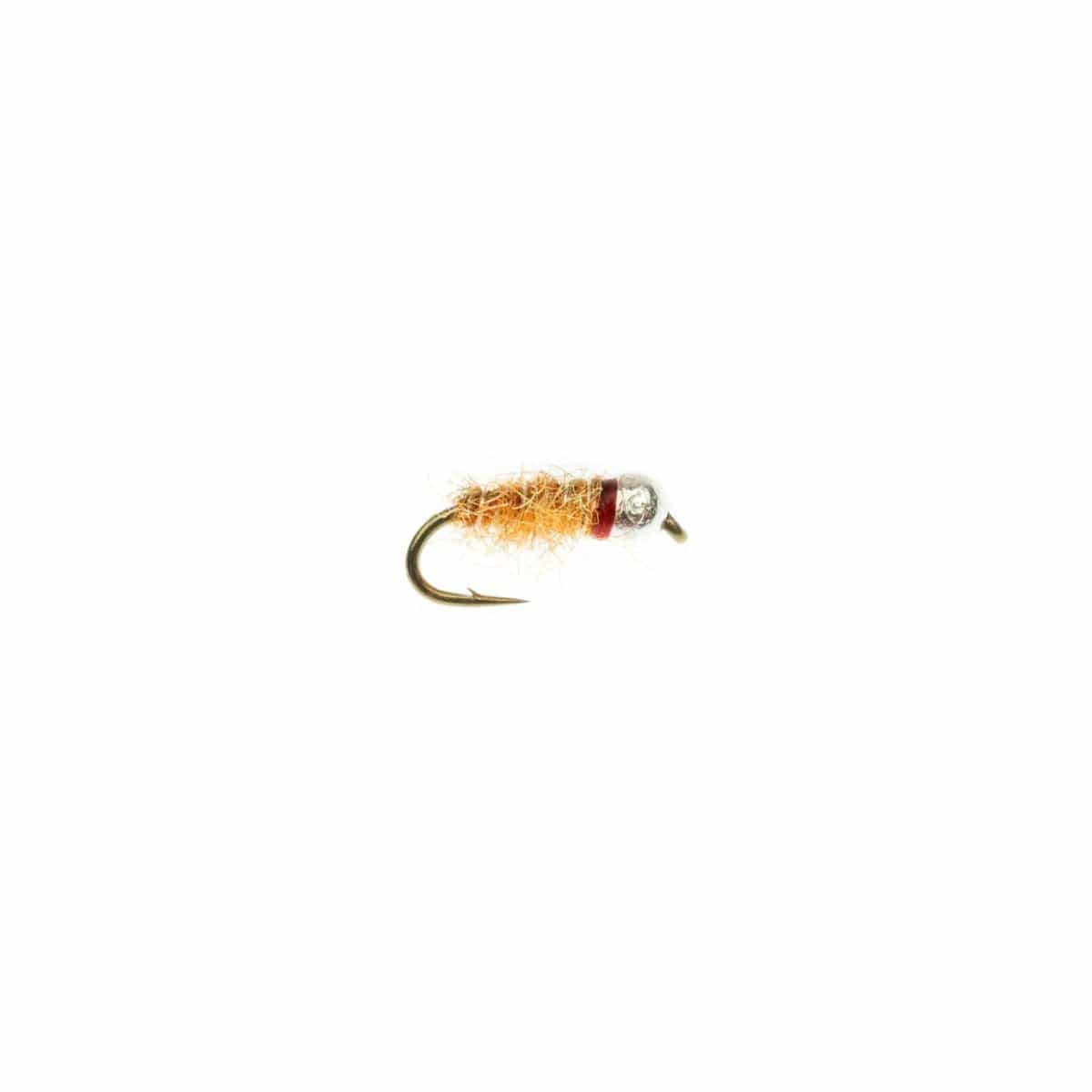
- Best for Getting Deep: Tungsten Tailwater Sowbug Fly - Great when your flies need to hit the bottom fast in heavier current or deeper runs. The tungsten bead helps you build a clean “anchor + dropper” setup without overloading your indicator with split shot.
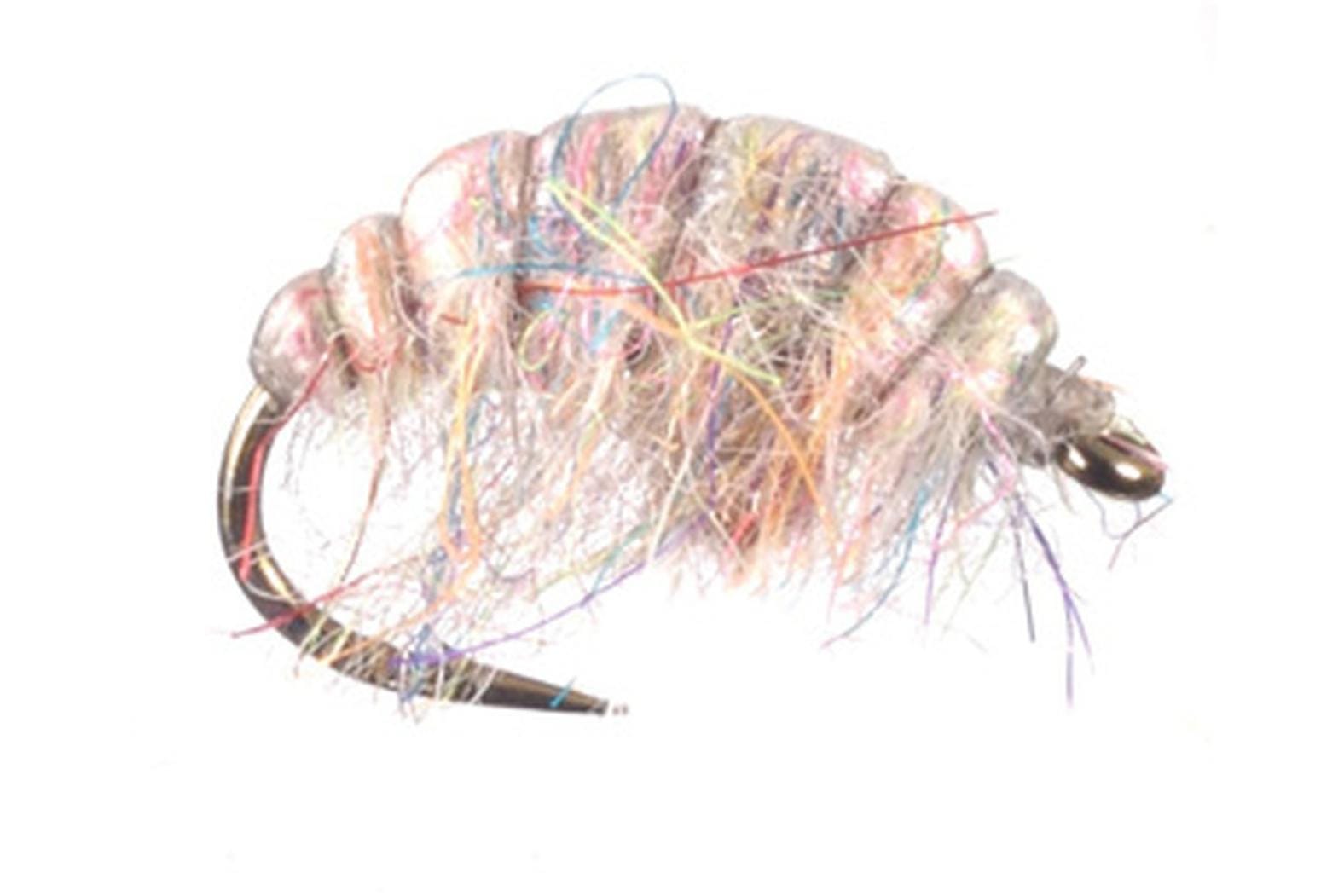
- Best Realistic Scud Profile: Hunchback Scud Fly - A strong choice for spring creeks, weedy flats, and tailwaters where trout are eating actual scuds. The curved/arched shape gives a convincing silhouette when fish are keyed in on crustaceans.
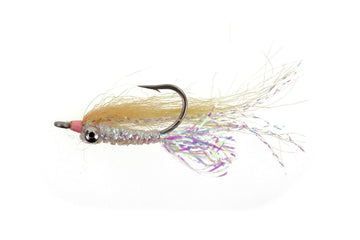
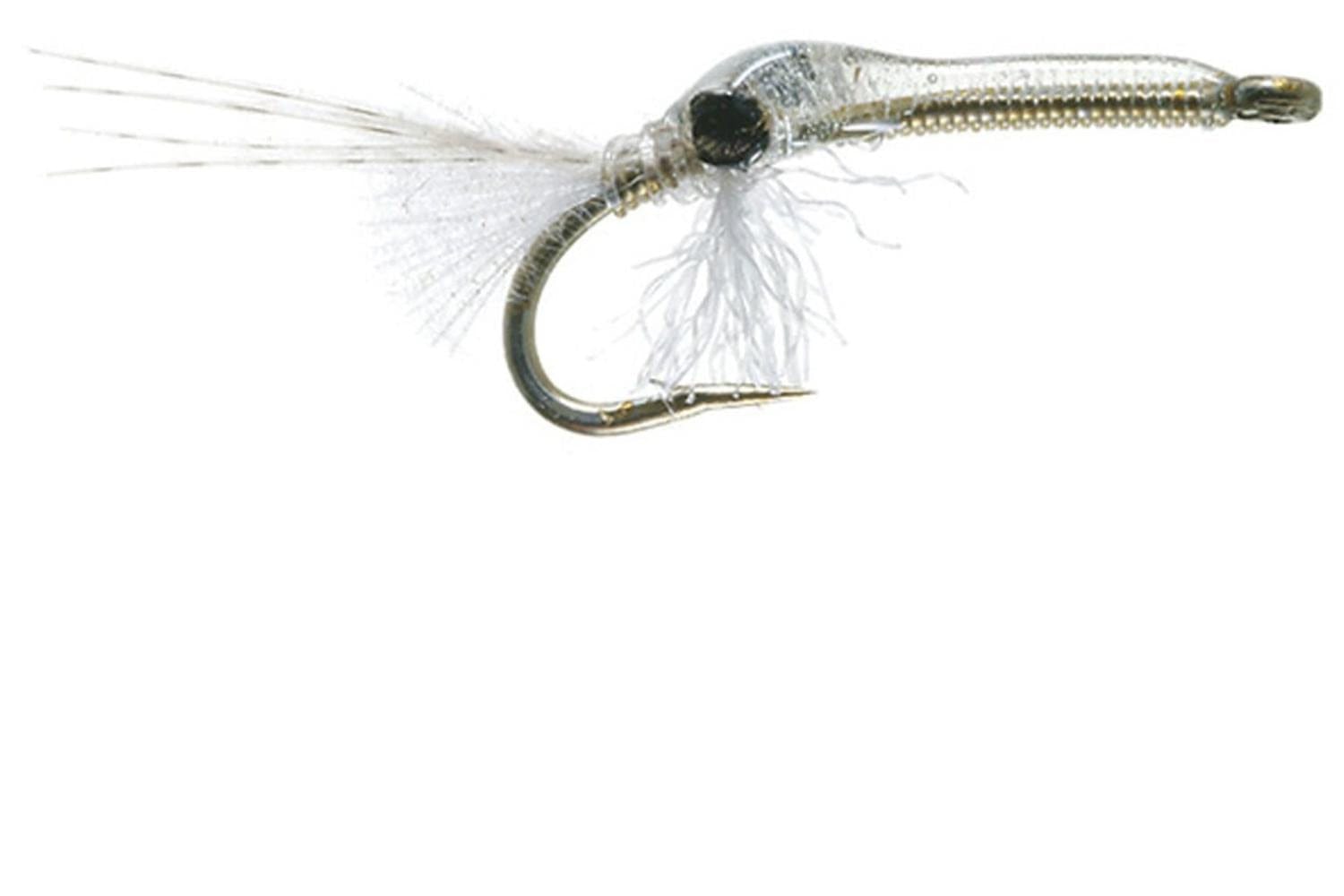
- Best Mysis Option: Charlie's Airhead Mysis Fly - Built for rivers below dams where mysis shrimp get flushed and trout sit on the conveyor belt. It’s a simple, confidence pattern for cold water and early-season nymphing when you want a pale, milky look.
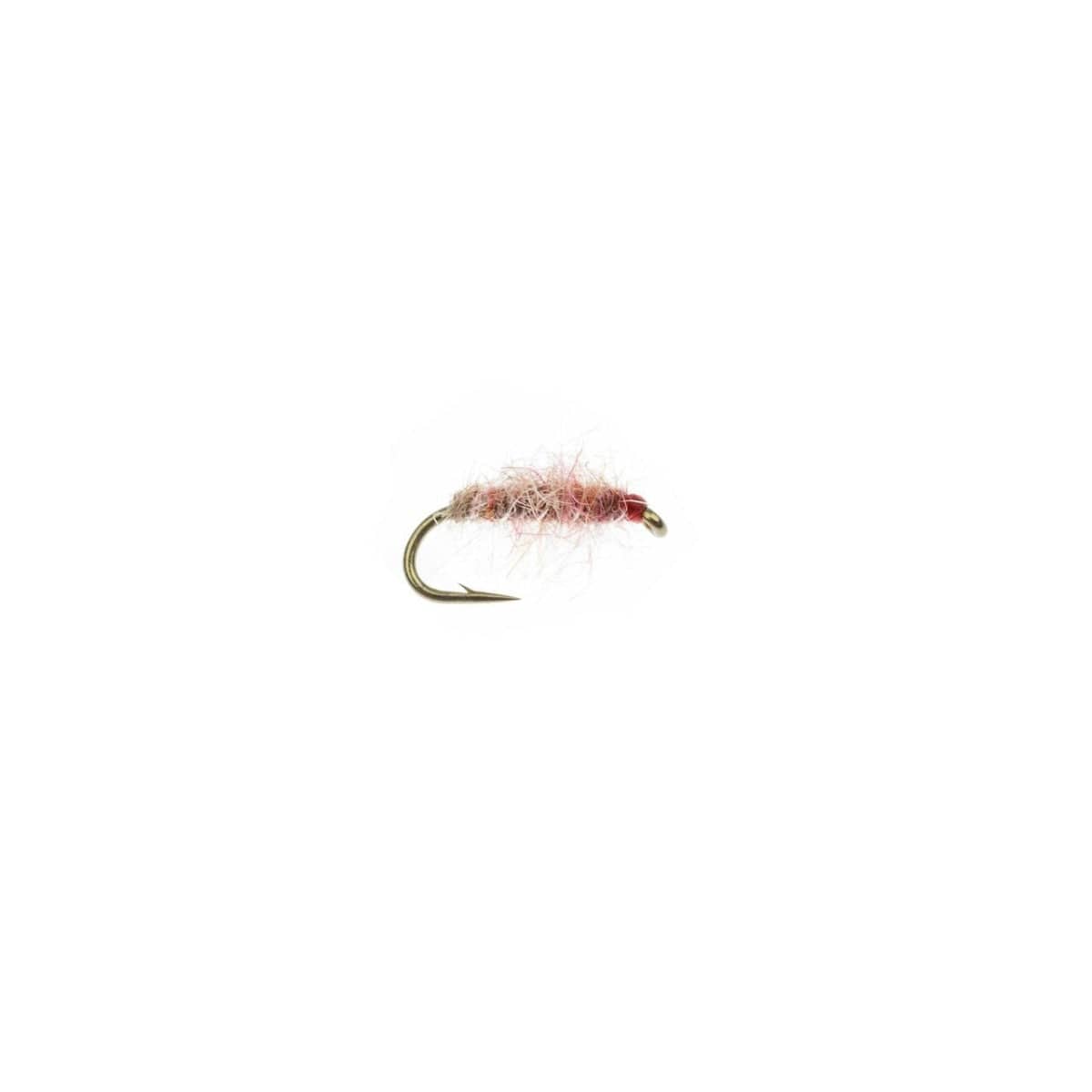
- Best Point Fly for Tight-Line Rigs: Bottom Roller Fly - A reliable “get down and stay down” pattern for Euro/Czech-style presentations in fast, deep slots. Fish it as the heavy point fly and trail a smaller sowbug or mysis 16, 20 behind it.
How to Choose Scuds and Shrimp Flies
Match the crustacean (scud vs sowbug vs mysis)
Action: Start by thinking about what’s actually in the system, scuds/sowbugs in weed beds and vegetation, or mysis shrimp below dams. Scud and sowbug patterns overlap a lot, but mysis imitations tend to be paler and more translucent for that “shrimp flushed from the reservoir” look.
Pick the right weight for the lane you’re fishing
Best for: Heavier/tungsten patterns when you need to tick bottom in faster tailwater runs, deeper buckets, or winter holding water. Lighter versions can be better in slow inside seams, spring creeks, and skinny flats where fish inspect the drift and you don’t want your fly plowing.
Avoid if: You’re constantly snagging, often it’s not the fly, it’s too much weight or too short a leash between split shot and fly. Reduce weight, lengthen tippet, or switch to a hook-point-up jig style when possible.
Color and size: stay simple, then fine-tune
Action: Carry a small range of the core crustacean colors, olive/tan/gray as the baseline, plus a couple brighter options (orange/pink) for stained water or when you want more visibility. For most tailwaters, size 14, 18 covers a lot of scud and sowbug situations, while mysis often shine in the smaller end of that range.
Rigging and presentation (what actually makes these patterns work)
Action: These are nymphs, fish them dead-drifted on contact (tight line) or under an indicator. In weedy rivers, focus on edges of vegetation mats and slower “weed lanes.” Below dams, concentrate on the first few prime runs and softer seams where shrimp and scuds naturally tumble.
Materials & Durability
- Dry your flies after fishing: Open your fly box at home (or in the truck) so wet nymphs can fully dry and hooks don’t rust.
- Check the hook point: Tailwater rocks can roll points quickly, touch up with a small hook hone if you’re bouncing bottom.
- Keep weighted flies separated: Tungsten beads can chip paint and crush softer bodies; dedicate one row/compartment to heavier “point fly” patterns.
- Retire chewed patterns: If the profile is gone (especially on mysis and scuds), keep it as a backup but start with a fresh one when fishing gets technical.
Complete Your Setup
Related Gear
- Nymph Flies - Build a full subsurface box with mayflies, midges, caddis, and stoneflies to complement scuds and shrimp.
- Euro Nymphing & Jigs - Add hook-point-up options when you’re tight-lining deep runs or trying to cut down snags.
- Tippet - Dial in drift, depth, and abrasion resistance for tailwater rocks and weed edges.
- Fly Tying Materials - If you want to match local scuds/sowbugs exactly (or burn through flies fast), tying your own can keep your box full.
Related Guides
- How To Tie A Scud Fly Pattern
- How to Tie the Bob's Ultra Shrimp Pattern
- How to Tie a Rainbow Warrior Nymph
Scuds and Shrimp FAQs
Q: What are scuds and shrimp flies used for in fly fishing?
A: These are subsurface patterns that imitate small freshwater crustaceans (scuds, sowbugs, mysis) trout eat year-round, especially in tailwaters and spring creeks. They’re usually fished dead-drifted under an indicator or with tight-line nymphing.
Q: When should I fish scud and sowbug patterns?
A: Any time trout are feeding near the bottom around weeds, moss, or vegetation, scuds and sowbugs can be in play. They’re especially consistent in winter and early spring when bug hatches are lighter and fish lean on steady food sources.
Q: How do I know if I need a mysis shrimp pattern?
A: Mysis are most relevant below certain dams/reservoir outlets where shrimp get flushed downstream. If local reports mention “mysis,” or you’re seeing pale/translucent shrimp in the drift, it’s worth fishing a dedicated mysis imitation.
Q: What size scud fly should I start with?
A: If you’re unsure, start in the middle, sizes around 14, 18 cover a lot of tailwater scud/sowbug scenarios. If fish are selective, size down; if you need a bigger profile or faster sink, size up or switch to a heavier version.
Q: Should scuds and shrimp be my top fly or bottom fly in a two-fly rig?
A: Often, a heavier “anchor” fly goes on point with a smaller scud/sowbug/mysis trailing 12, 24 inches behind. If fish are eating crustaceans aggressively, you can also put the scud pattern on point and trail a small midge.
Q: What colors should I carry for scuds and sowbugs?
A: Olive, tan, and gray are the core “match the naturals” options. A couple brighter colors (orange/pink) can be useful in off-color water or when you want a little extra visibility and contrast.
Q: Are scuds and shrimp flies good for beginners?
A: Yes, these are straightforward dead-drift patterns, and trout eat them consistently in the right water. The biggest learning curve is depth control: getting the fly in the bottom third of the water column without hanging up every drift.
Q: How are scuds different from sowbugs in fly selection?
A: In practice, the patterns overlap a lot and both fall under “tailwater crustaceans.” If you’re not sure which you have, carry a couple body shapes (more curved scud profiles and more oval sowbug profiles) and let the fish tell you.