




















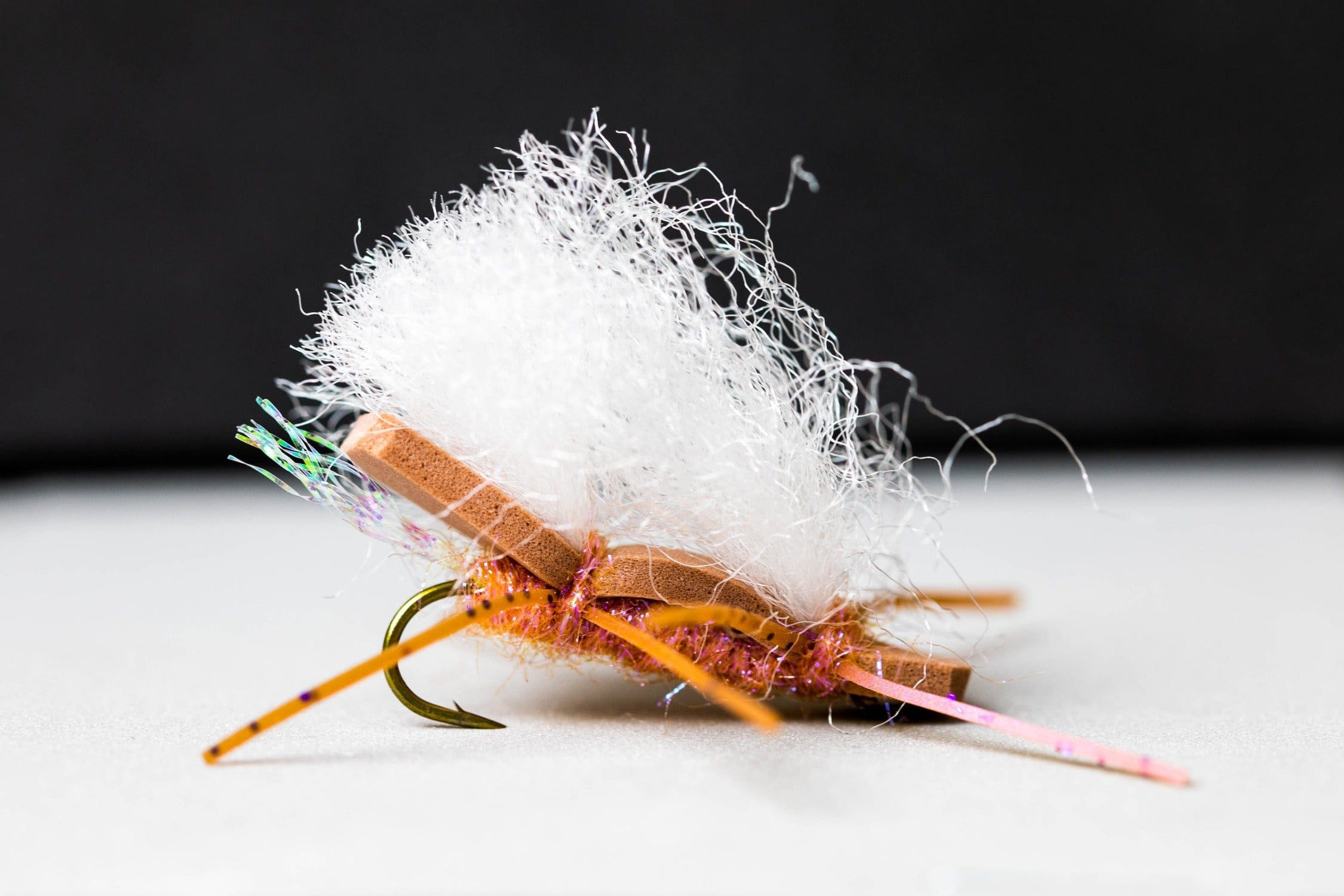
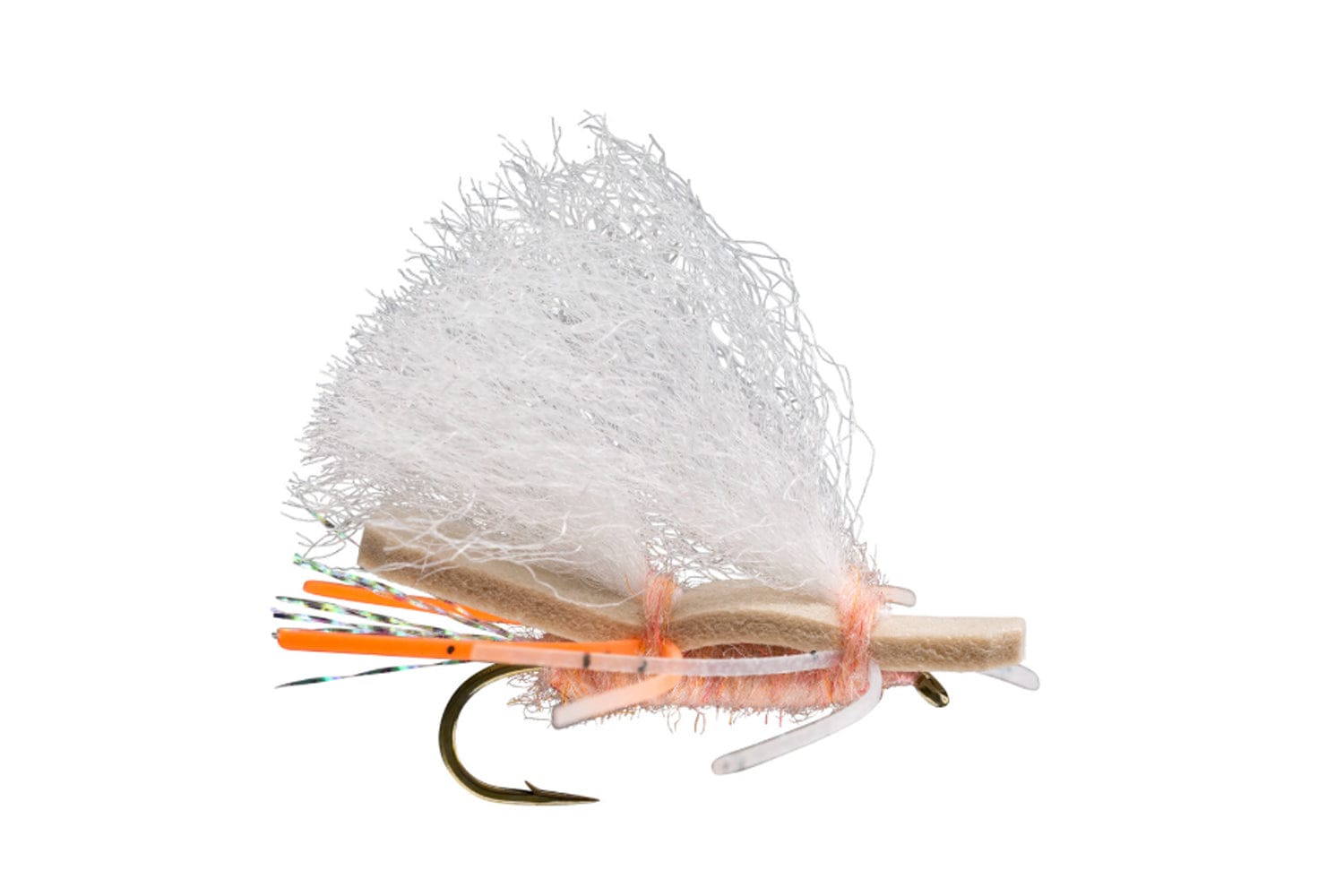
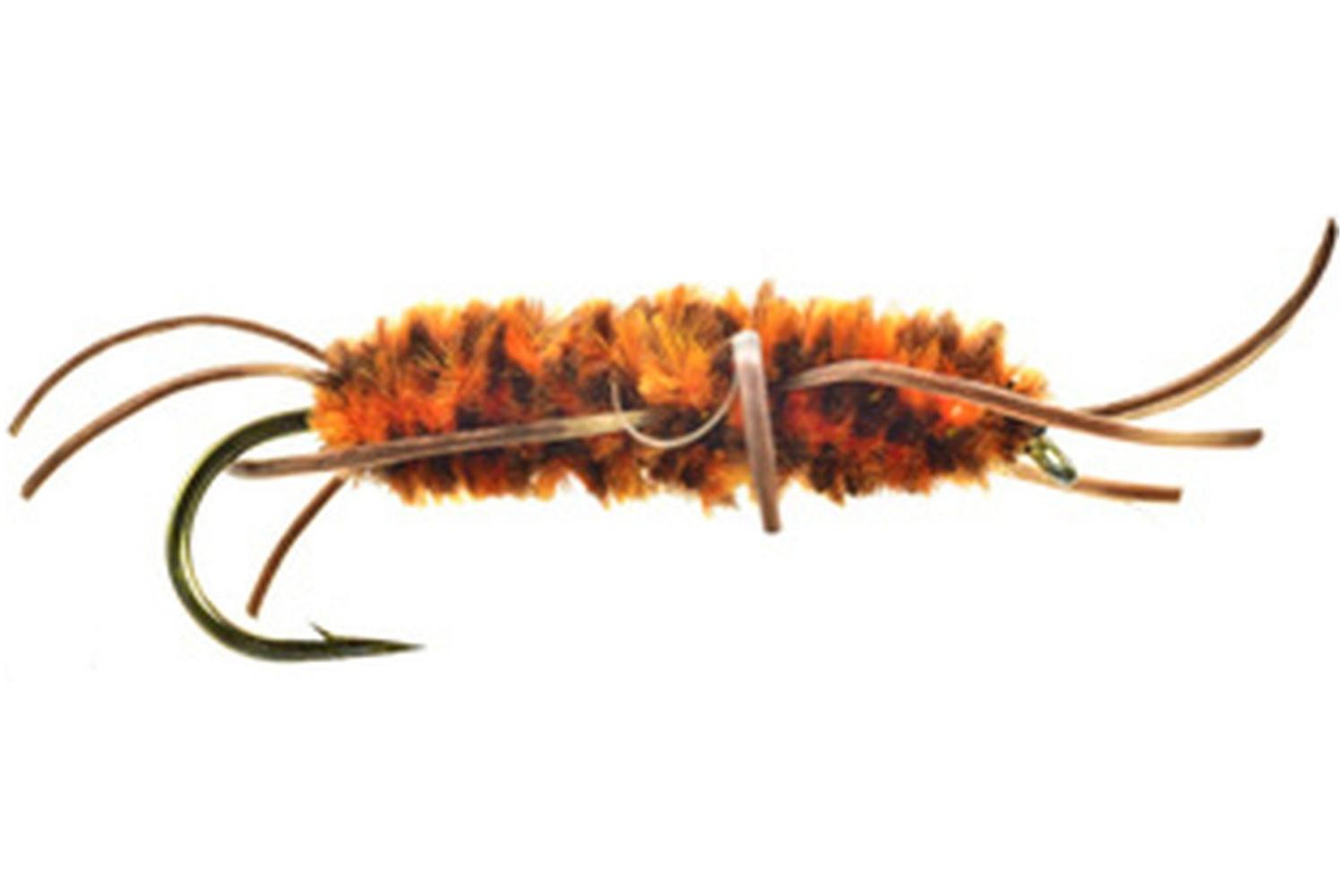


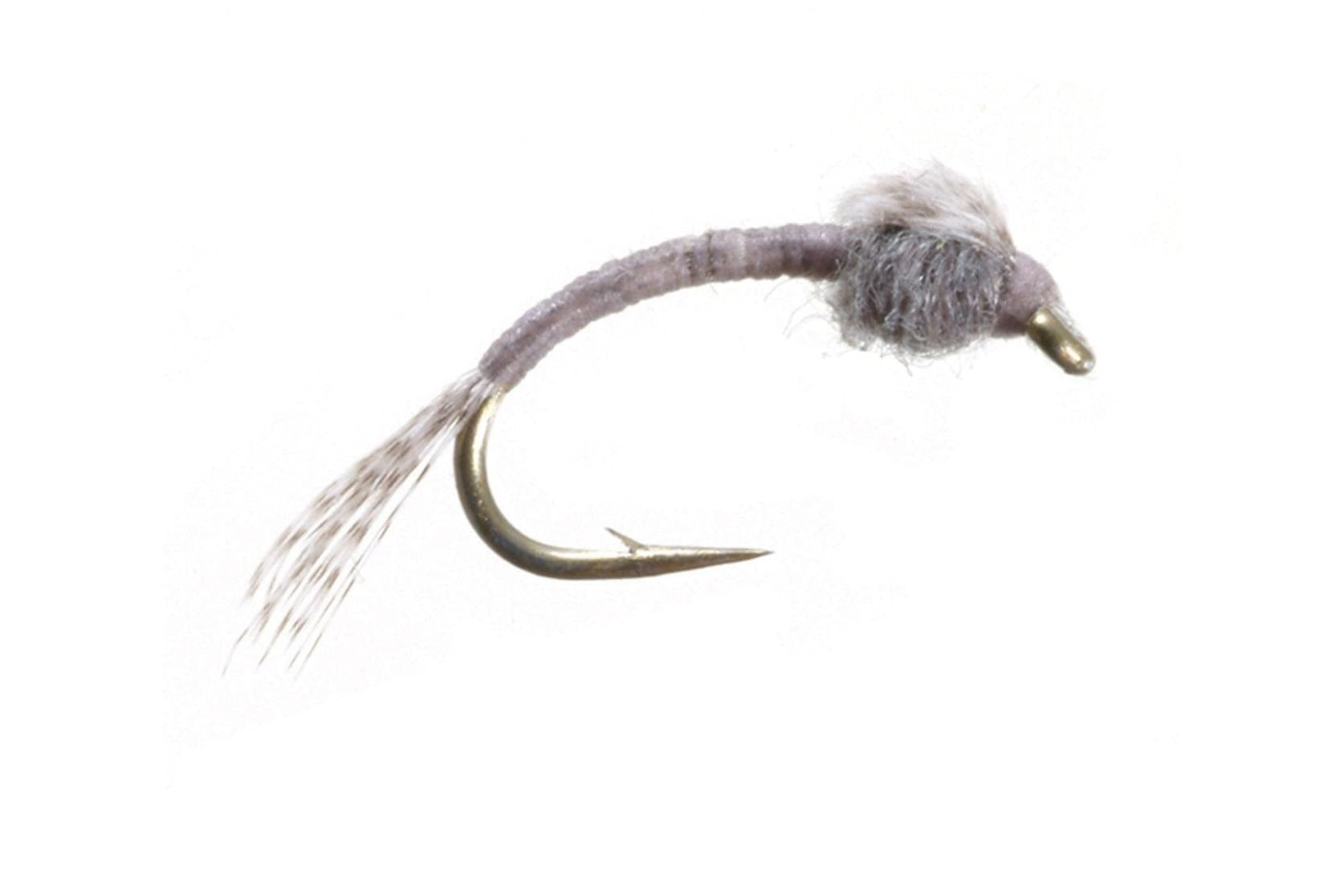
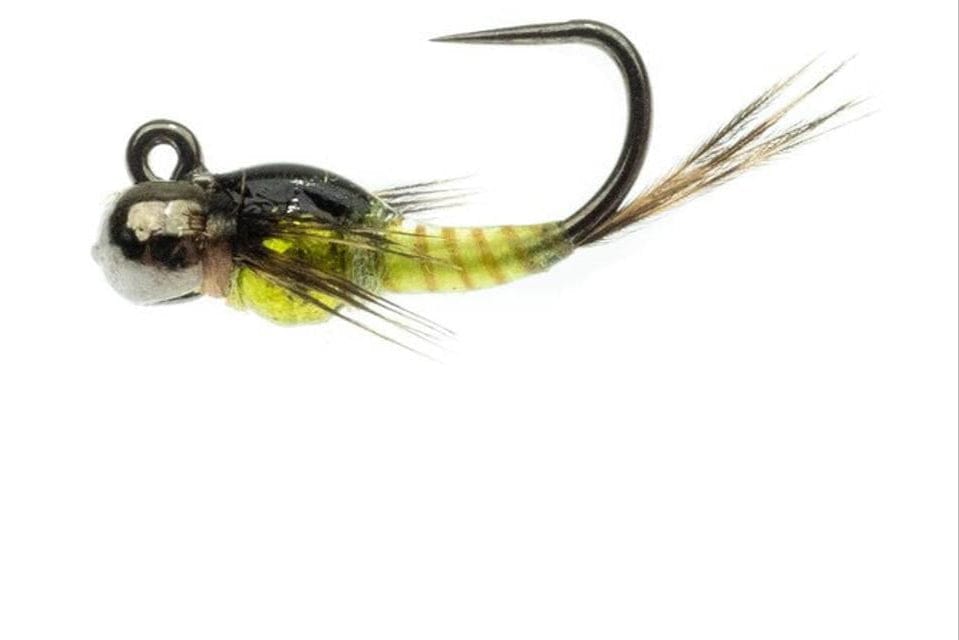
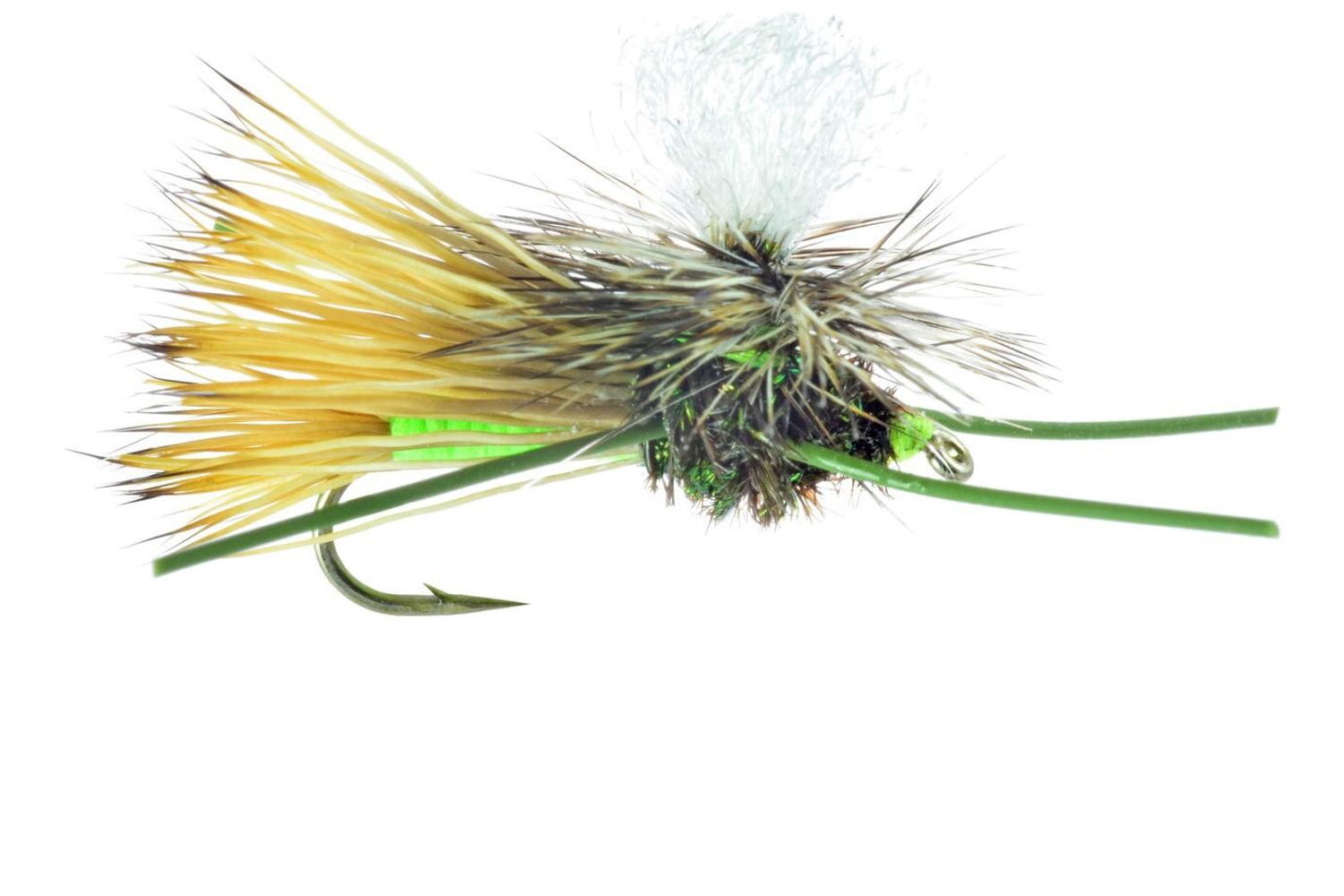
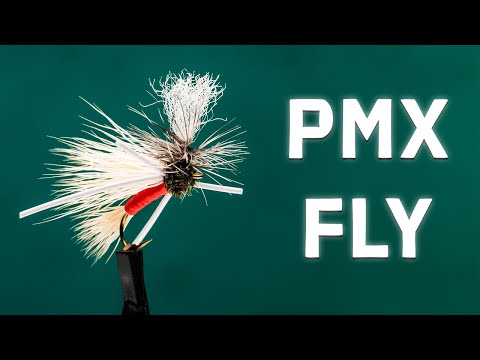
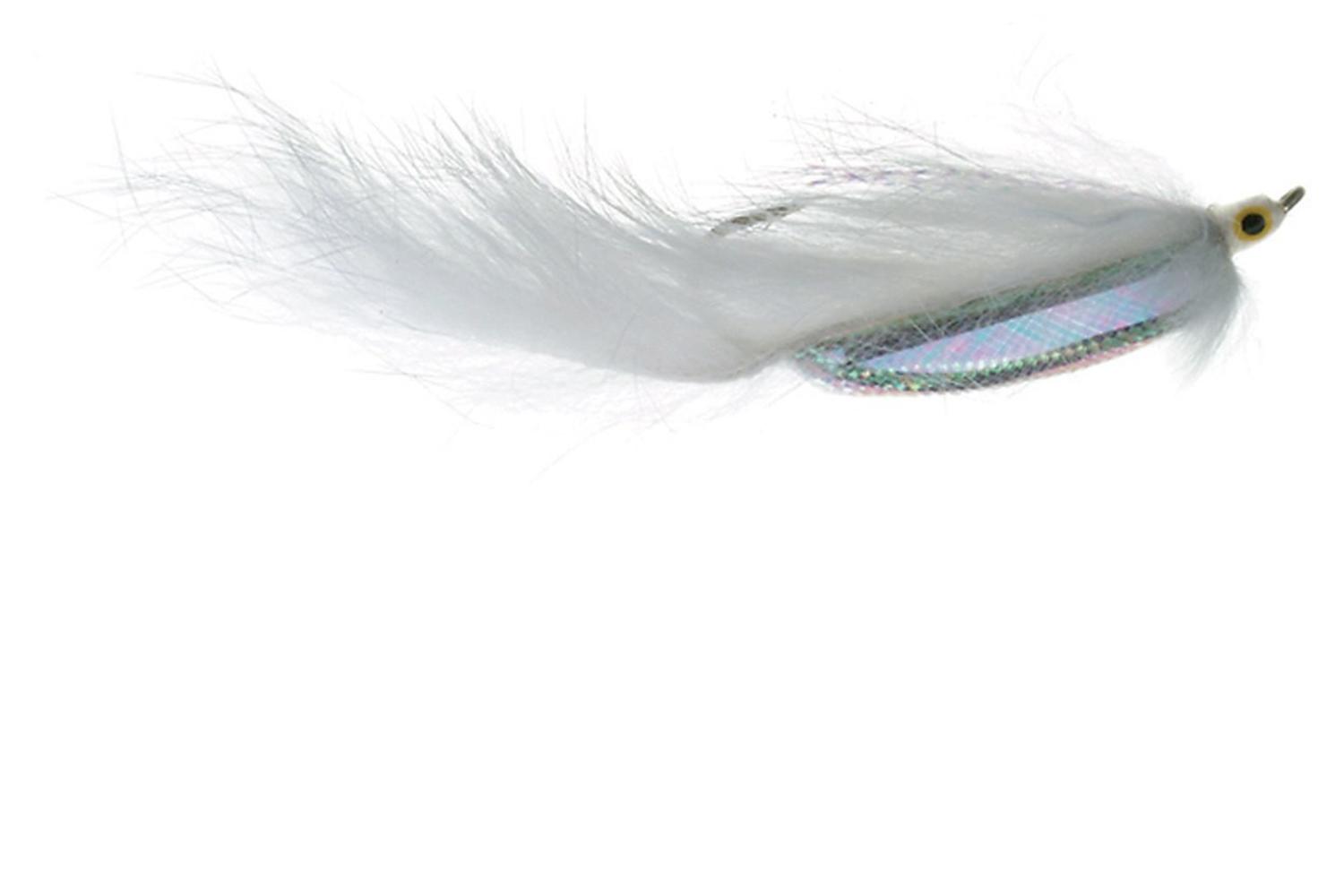
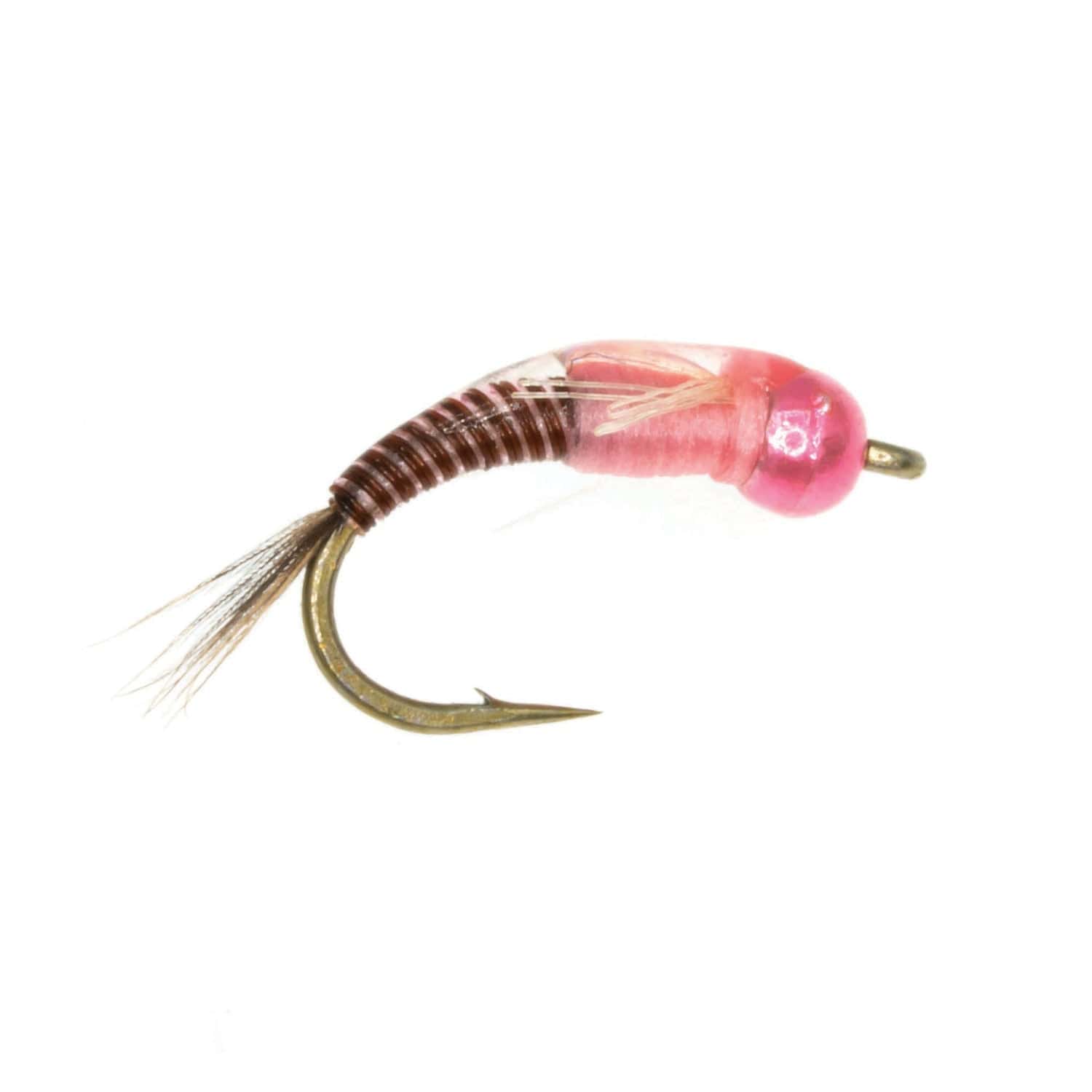
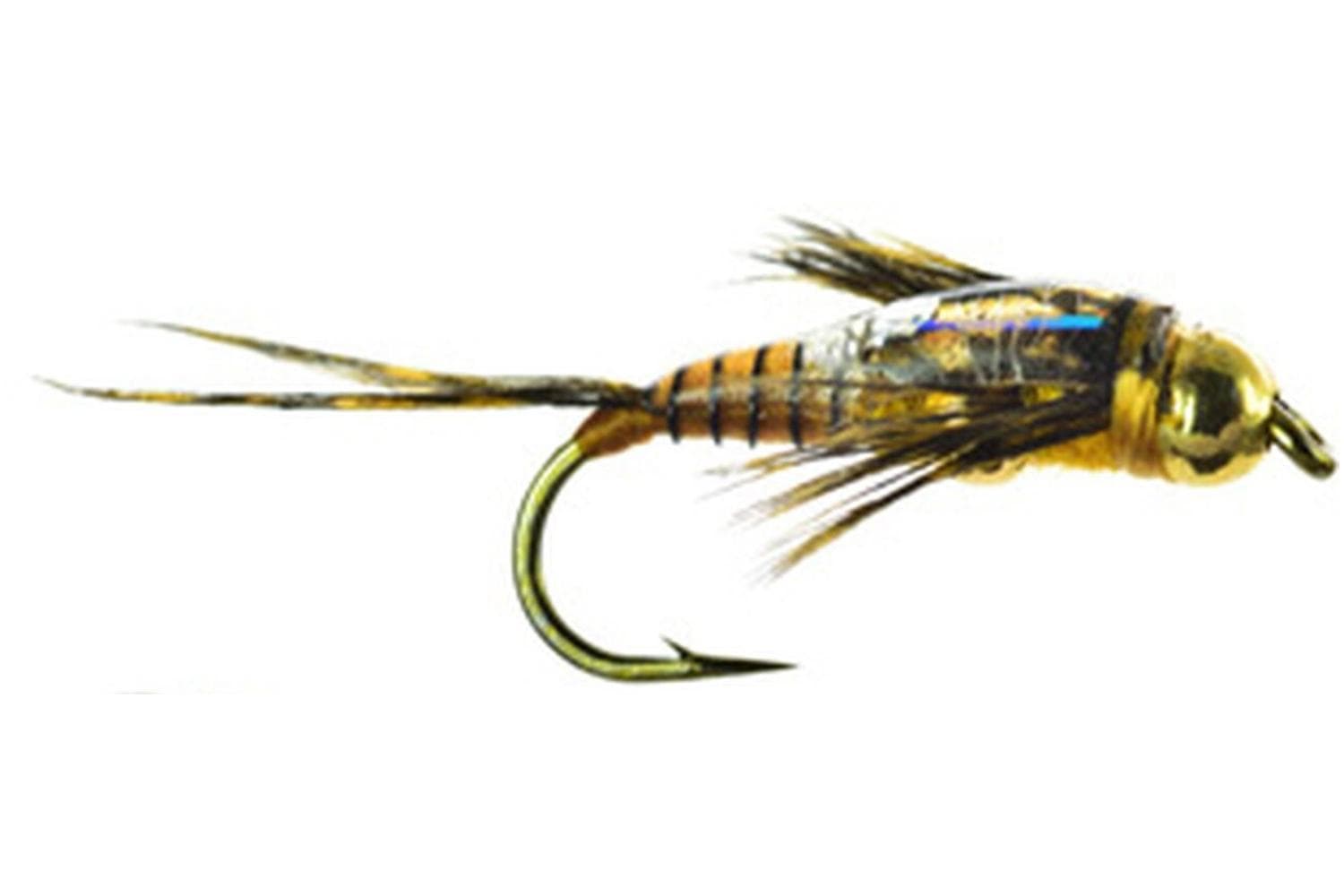
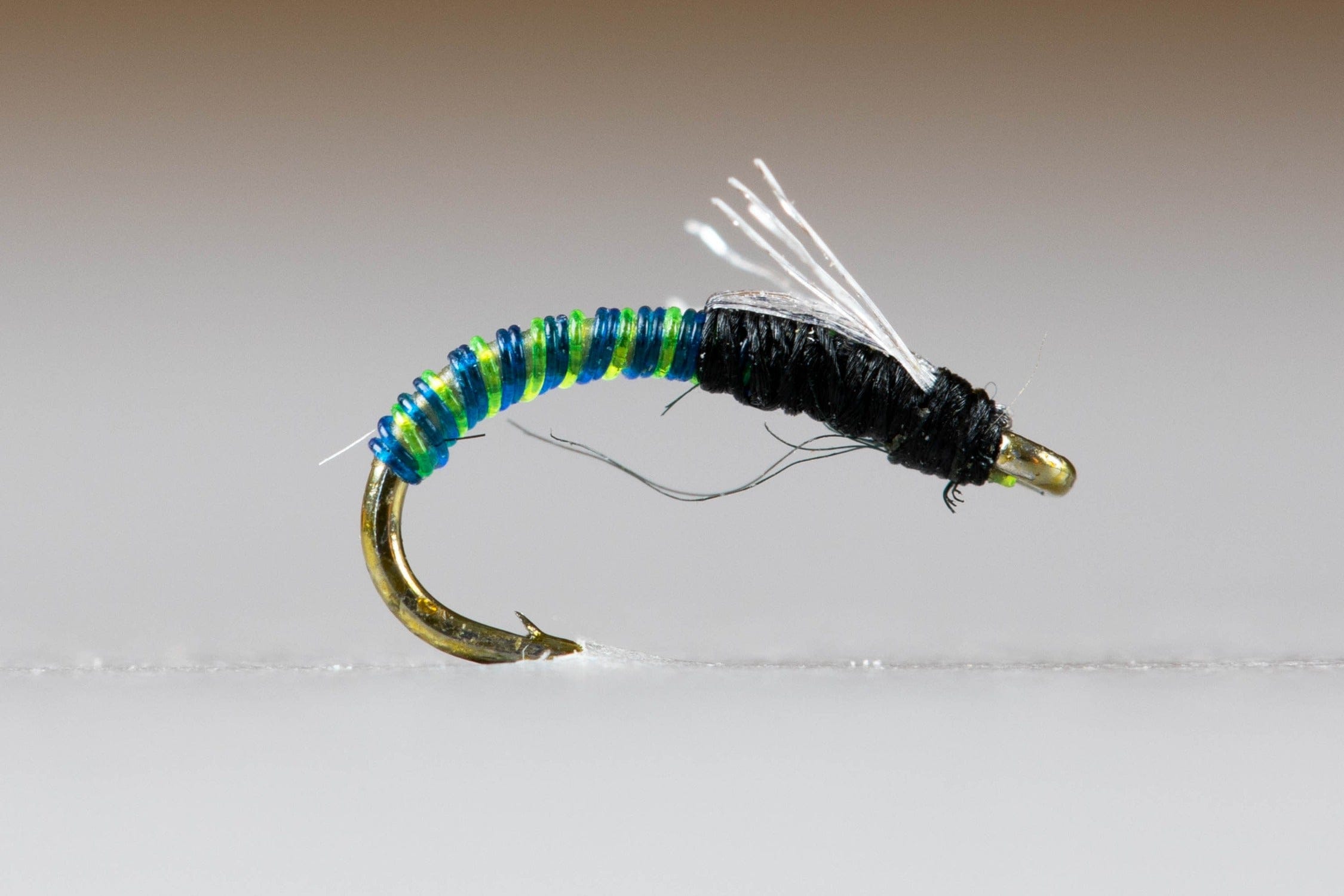
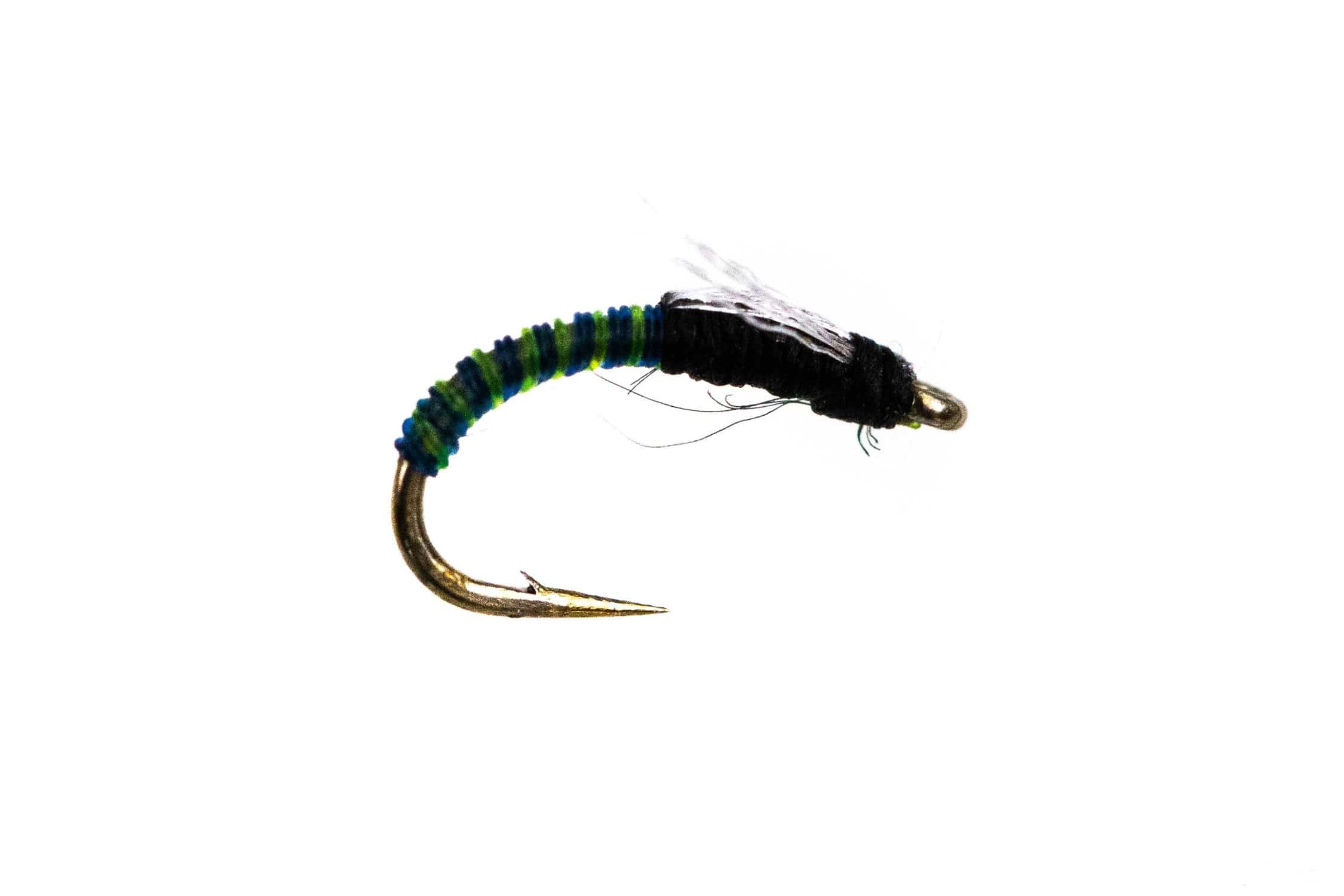
Explore New by Type
How to Choose Sale Flies
Start with the water column (top, middle, bottom)
Action: If you see consistent rises, start with a dry or terrestrial. If you don’t, nymphs (or a dry-dropper) are usually the most efficient way to cover water. Streamers are a great option when you want to trigger a reaction bite or target fewer but larger fish.
Match size first, then profile, then color
Action: When you’re unsure, pick the right general size and silhouette before obsessing over exact shades. A size change (or a slimmer/chunkier profile) often matters more than swapping from tan to light tan.
Use a simple, repeatable rig
Best for: Most trout anglers do well with one of these three setups: (1) single dry, (2) dry-dropper, or (3) two-nymph rig under an indicator. If you’re Euro nymphing, build around a heavier point fly and a smaller dropper to cover two feeding levels.
Let conditions pick your weighting
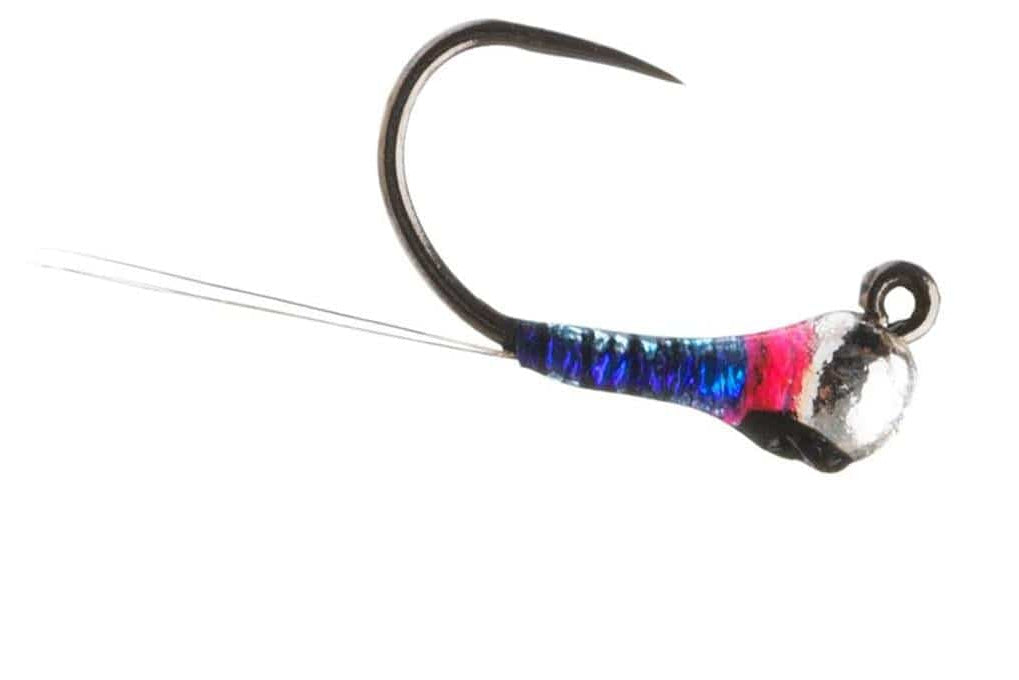
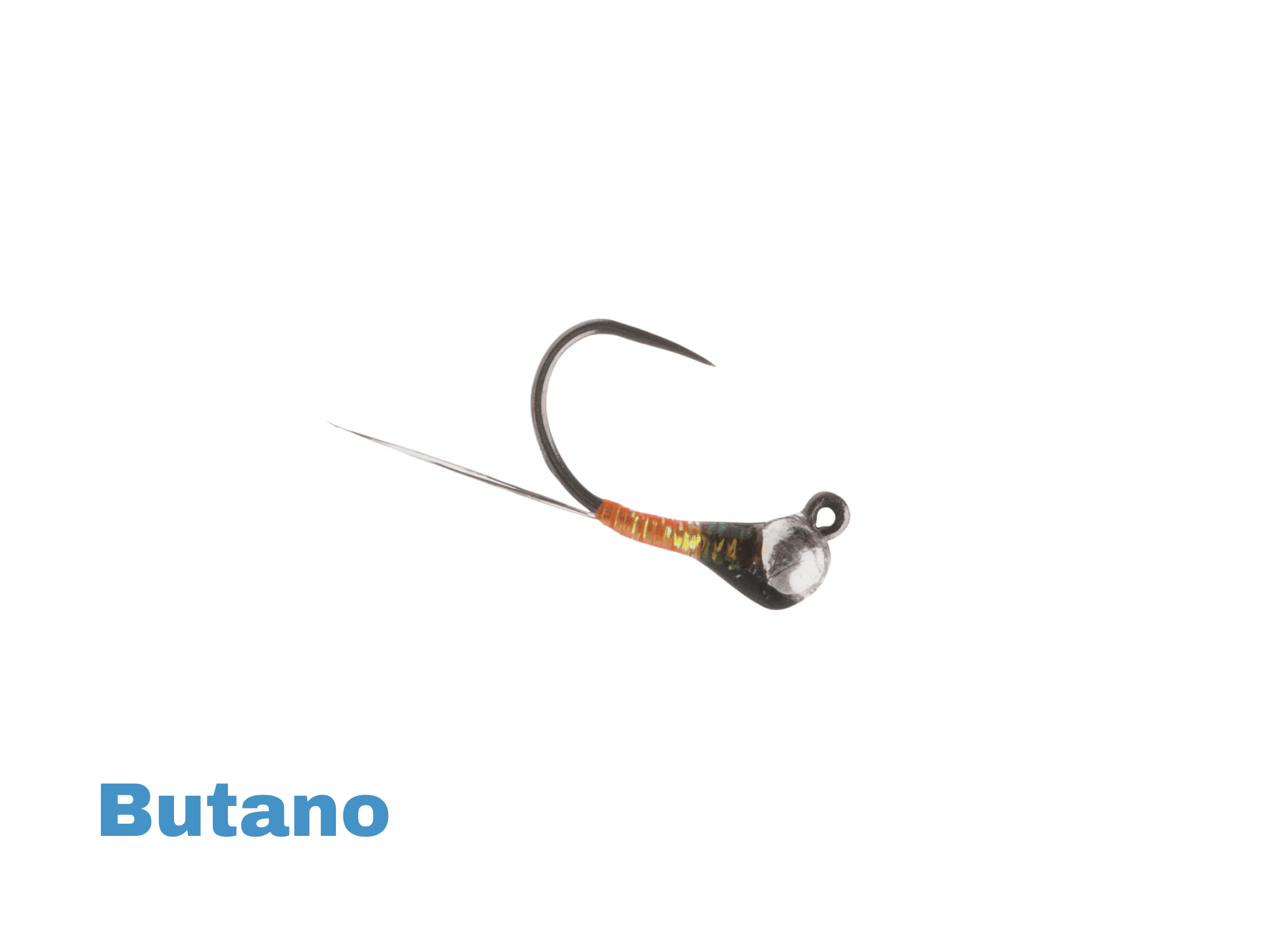
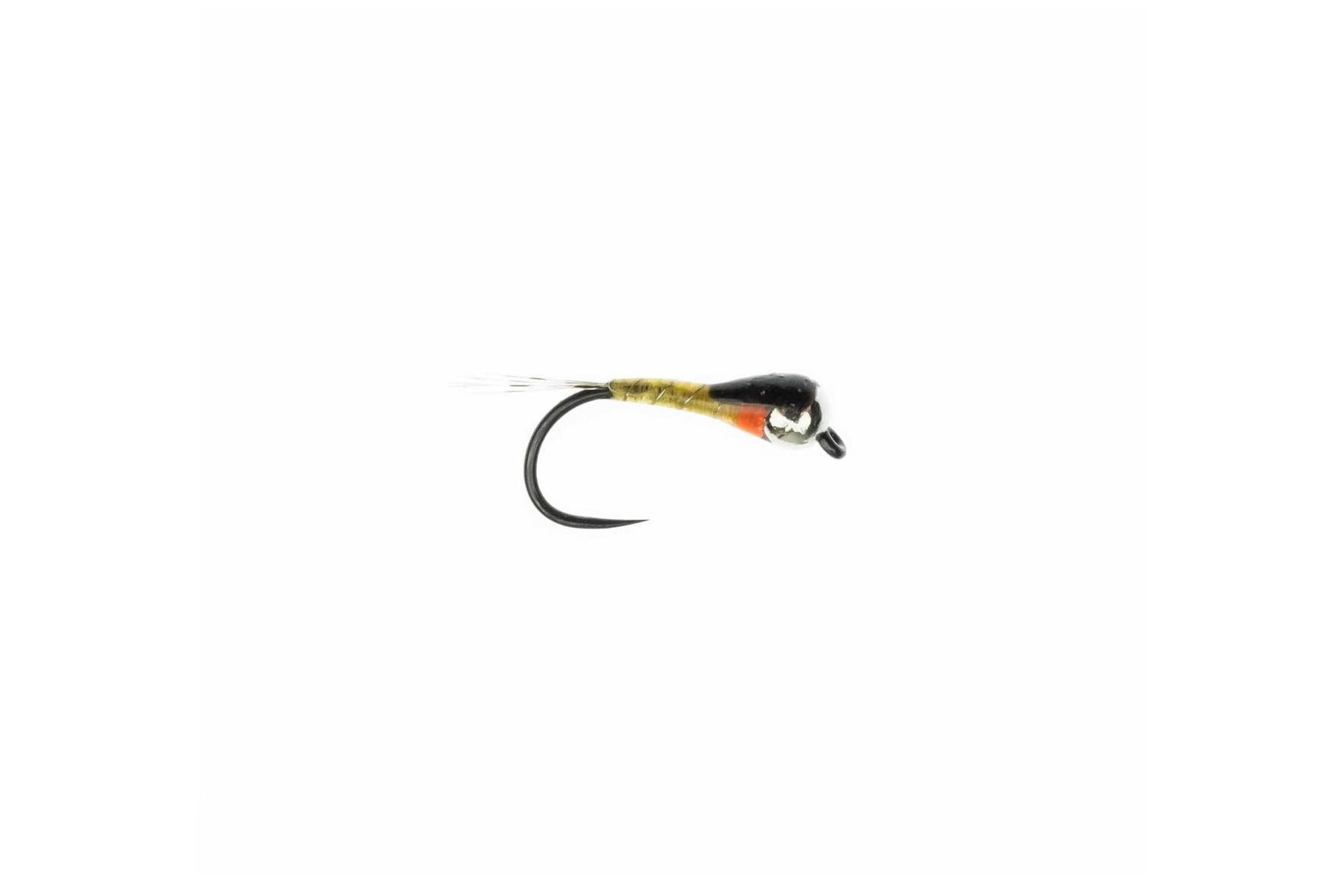
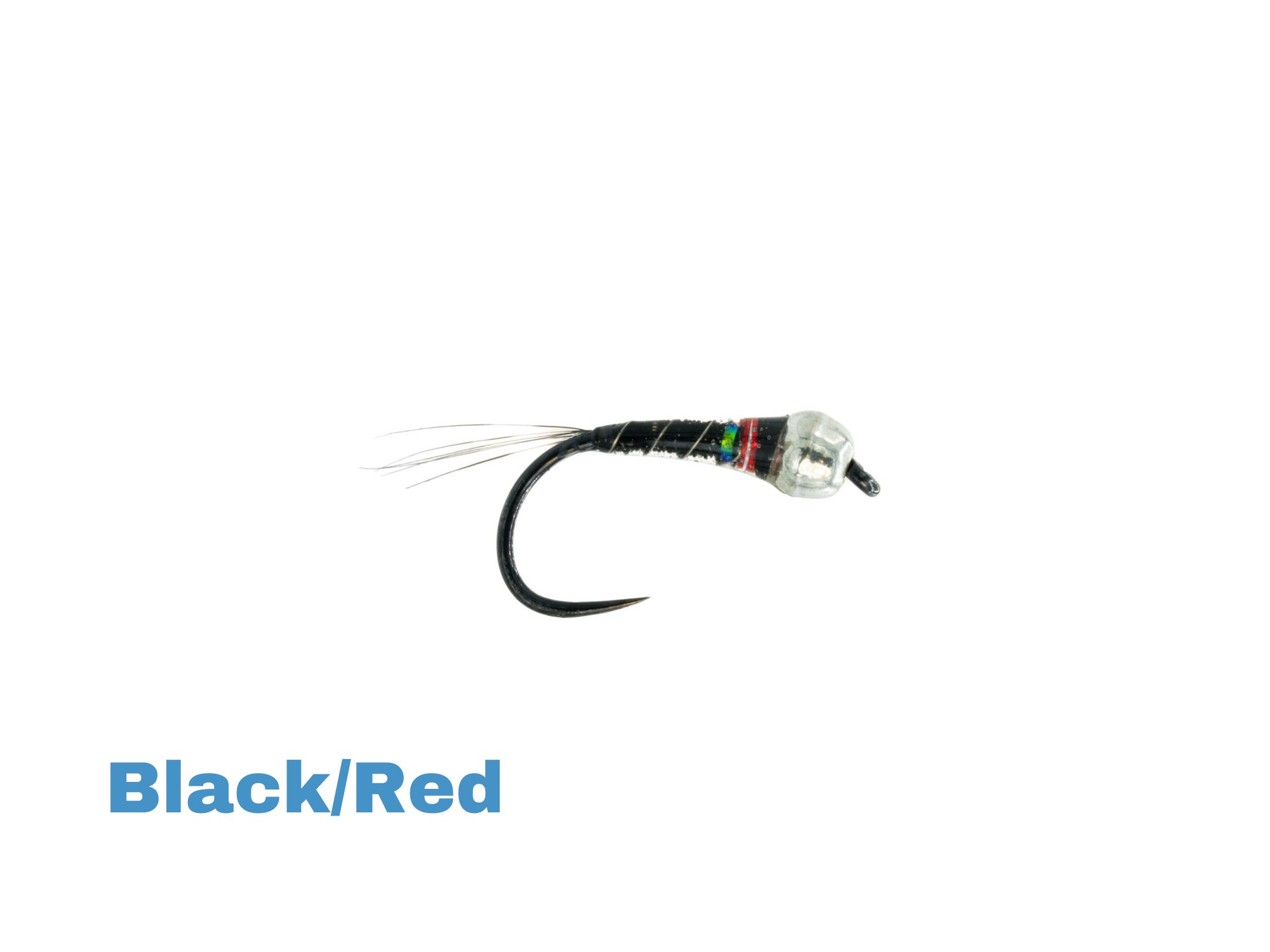
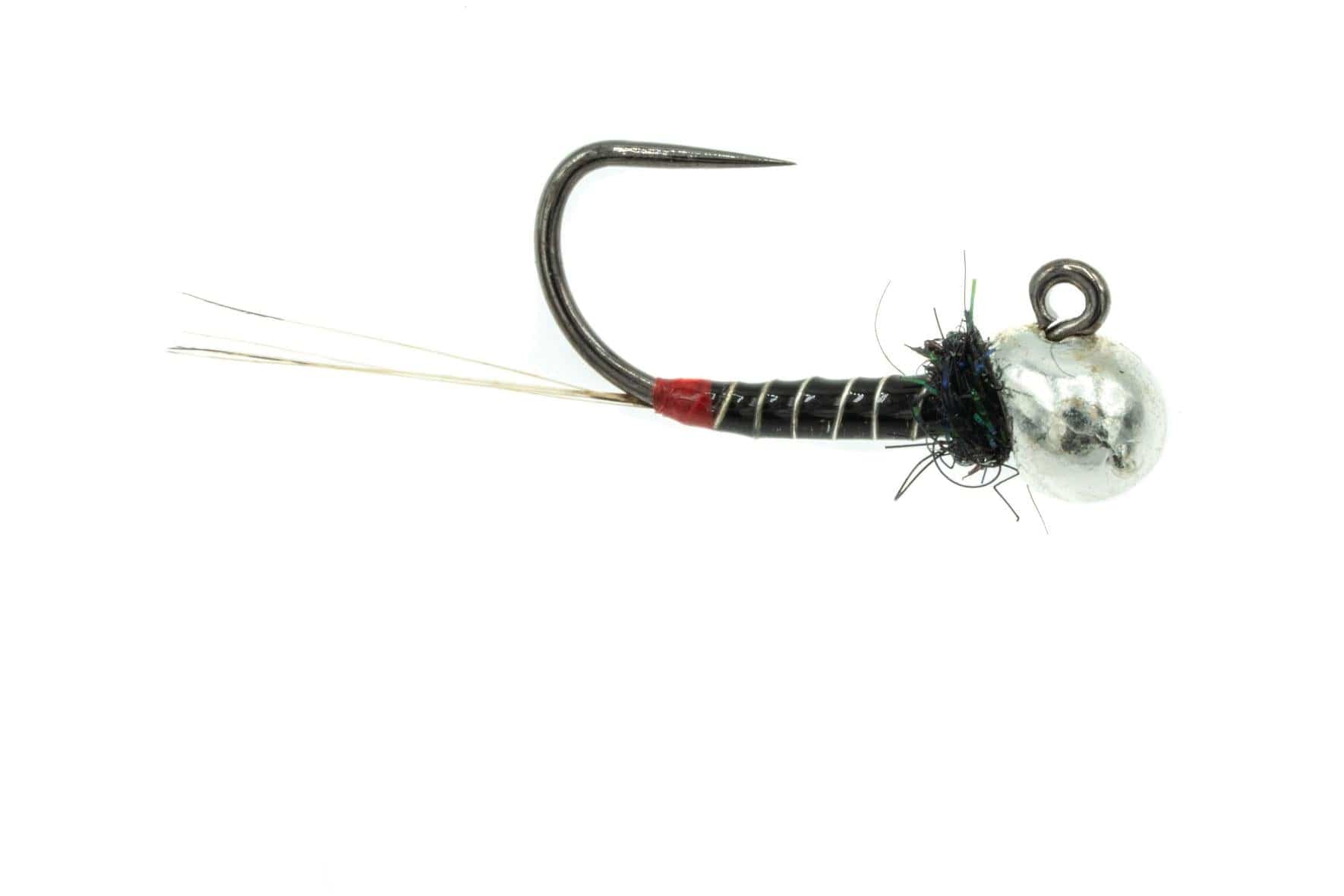
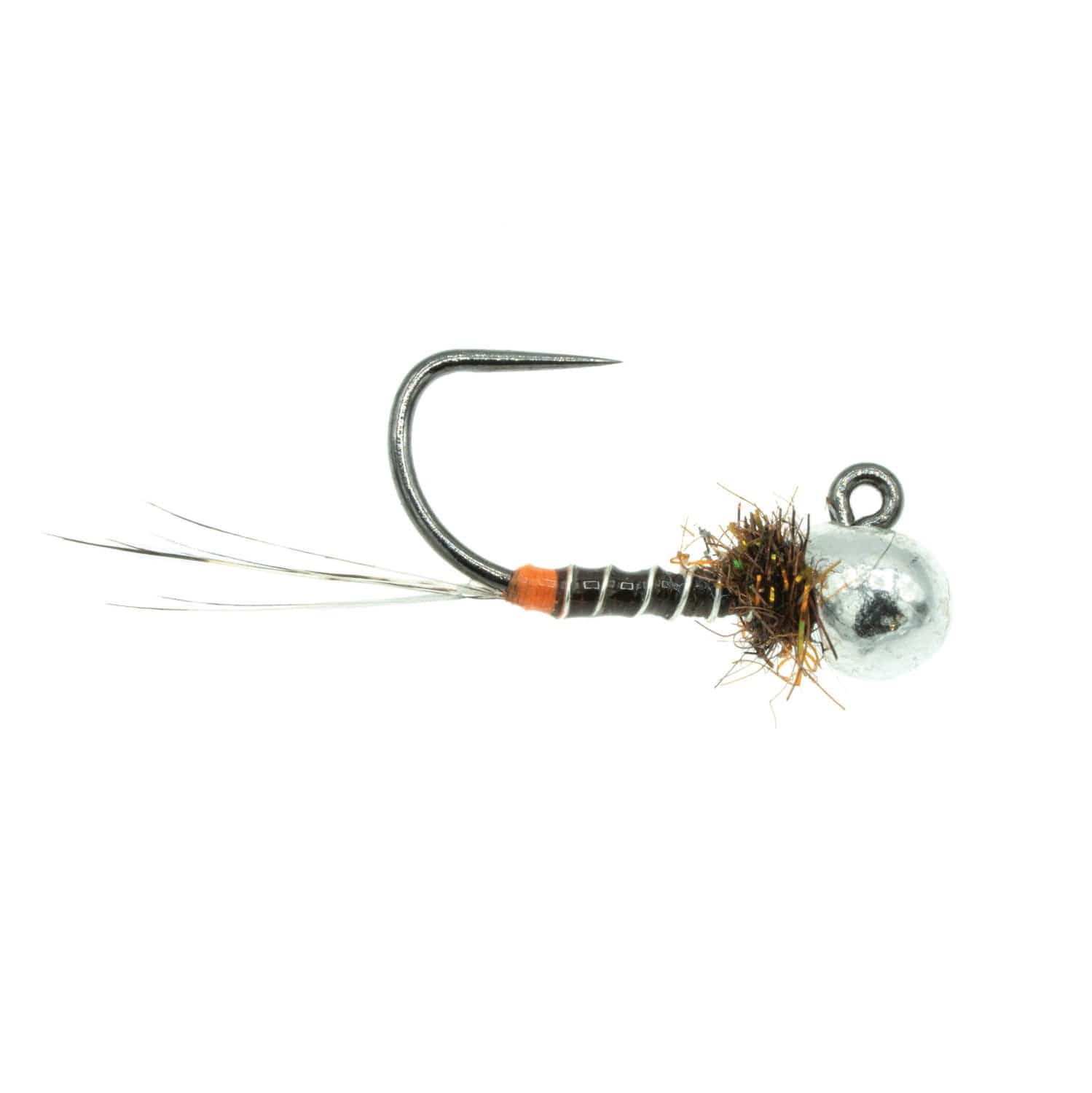
Action: Faster/deeper water generally calls for more built-in weight (beadhead/tungsten, or jig patterns), while skinny flats and slower slicks often fish better with lighter nymphs and smaller midges. If you’re snagging constantly, lighten up or switch to jig-style flies; if you’re never ticking bottom, add weight or upsize the bead.
Materials & Durability
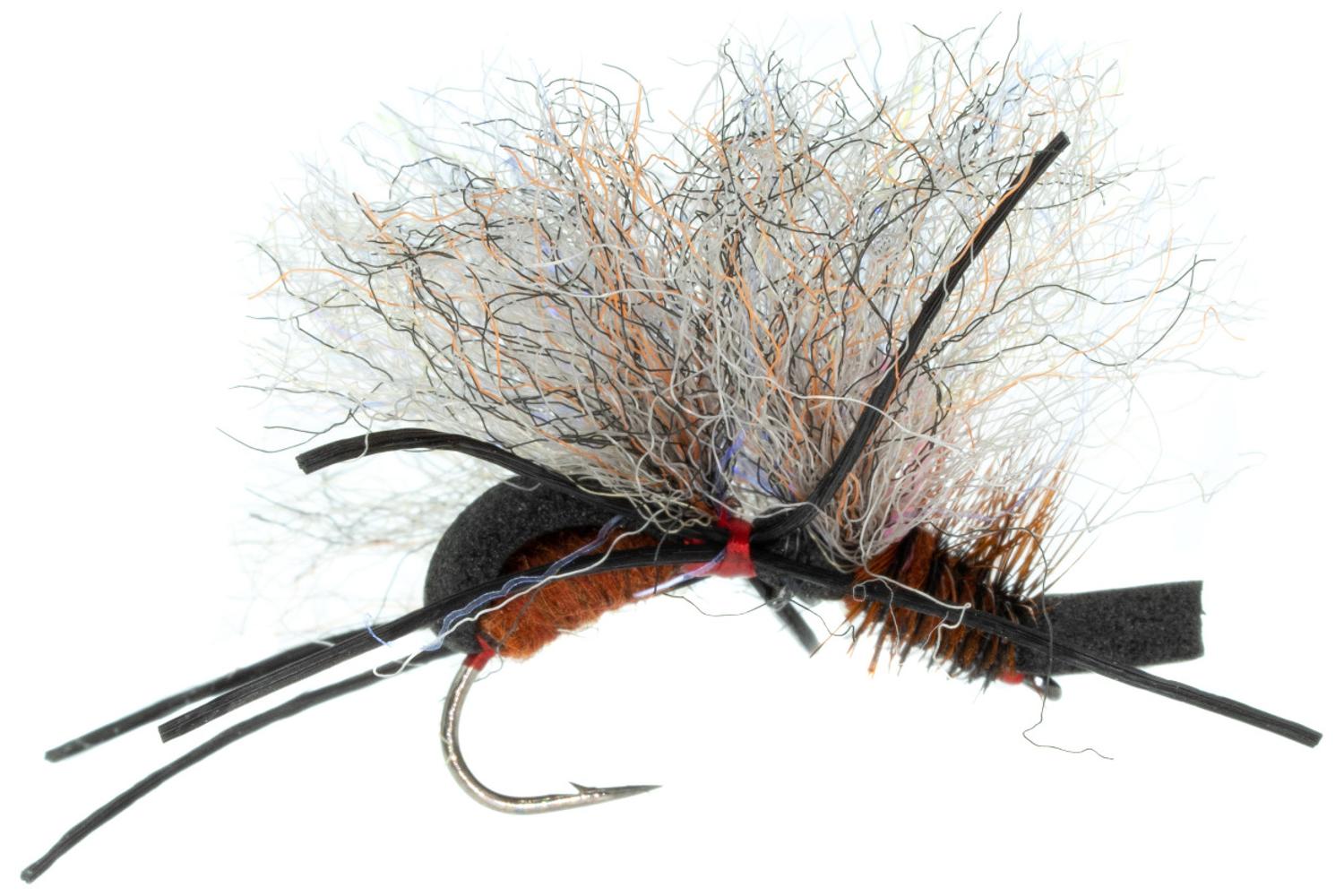
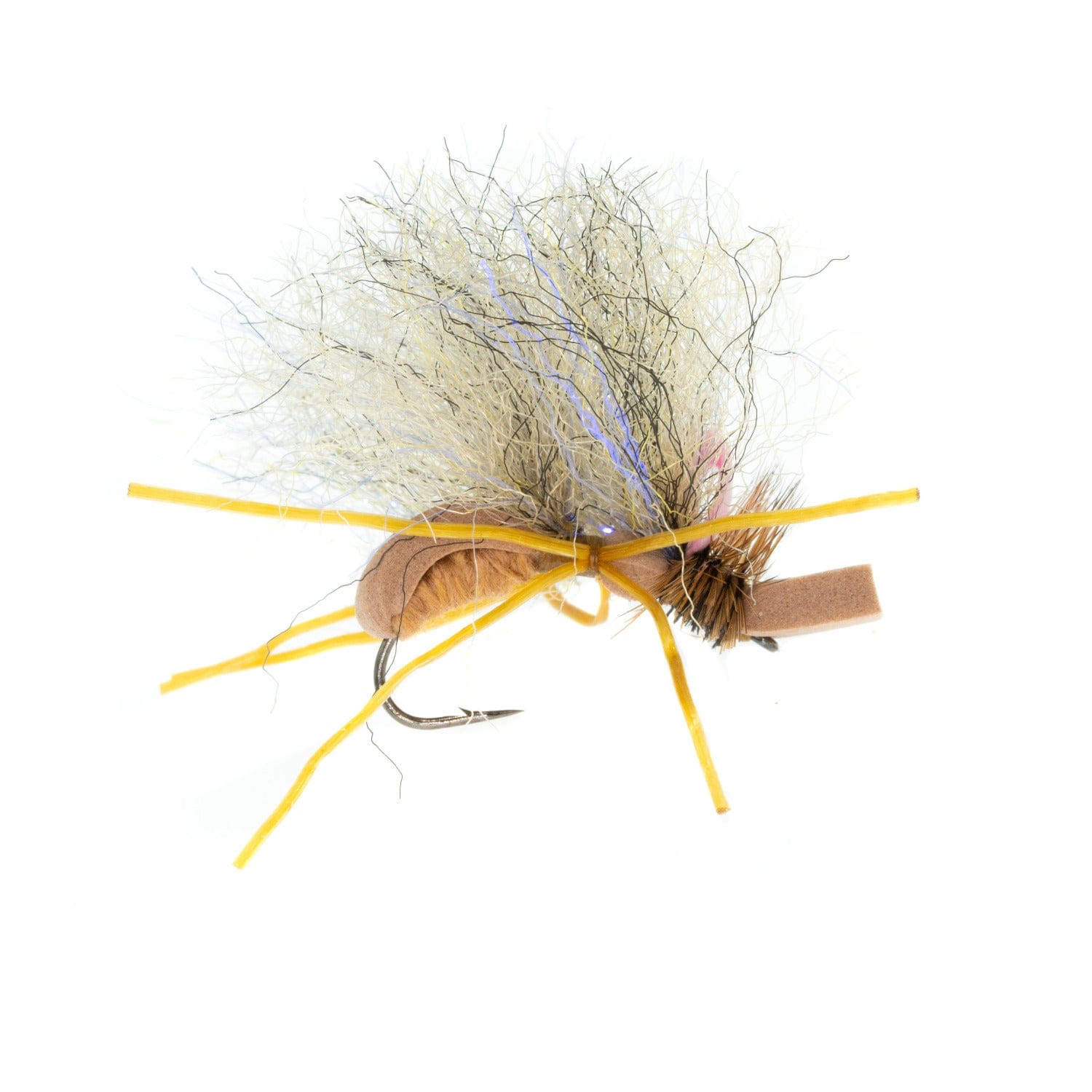
Dry flies & terrestrials: Dry your fly regularly and use floatant as needed, foam patterns are more forgiving than fully hackled dries.
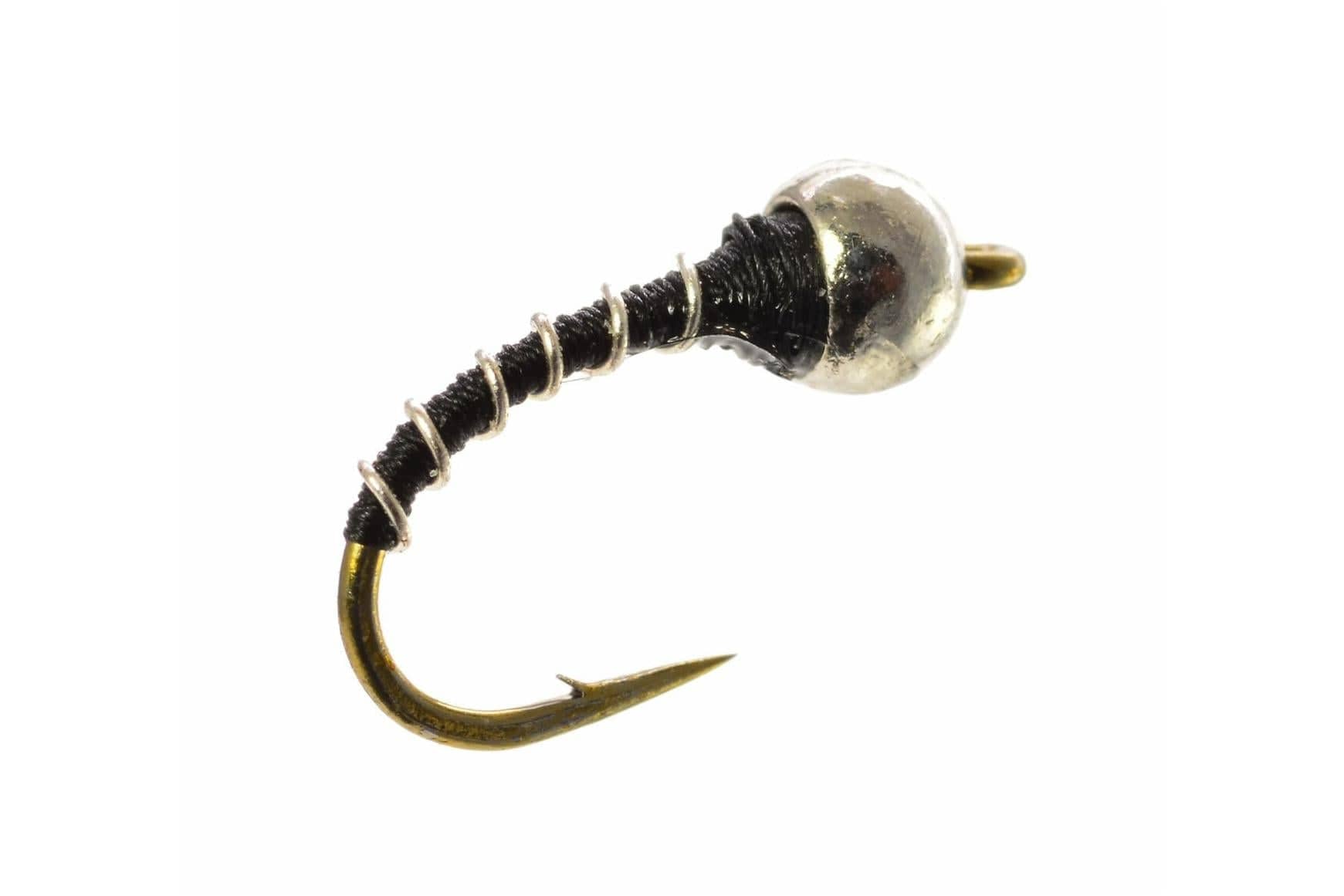
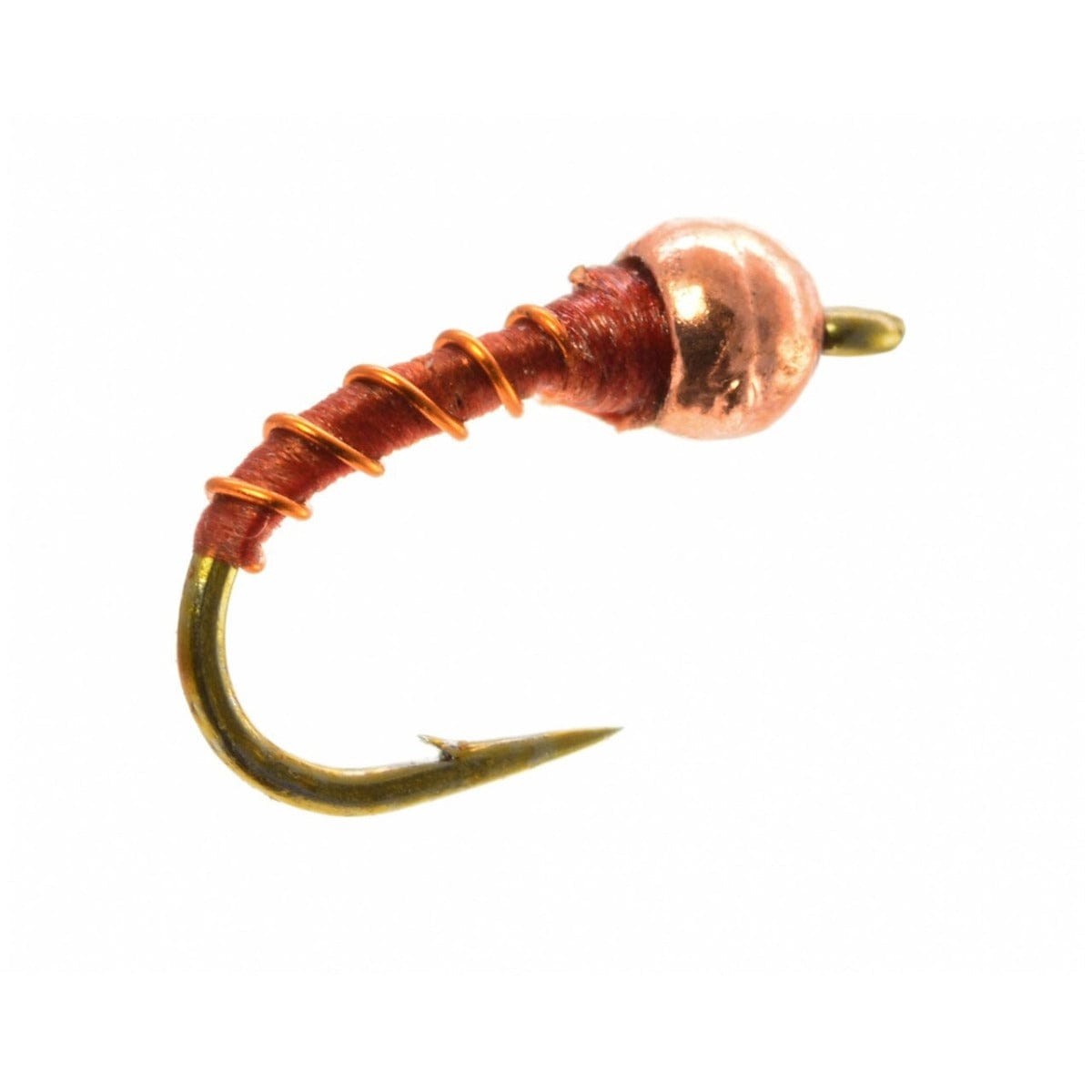
Beads & jig hooks: Check the bead and hook point after rocks, touch up or replace flies that are rolled over or dulled.
Saltwater options: If you fish sale flies in the salt, rinse and dry them after each trip to reduce hook corrosion.
Storage: Let flies fully dry before closing your box to help prevent rust and material breakdown.
Complete Your Setup
Related Gear
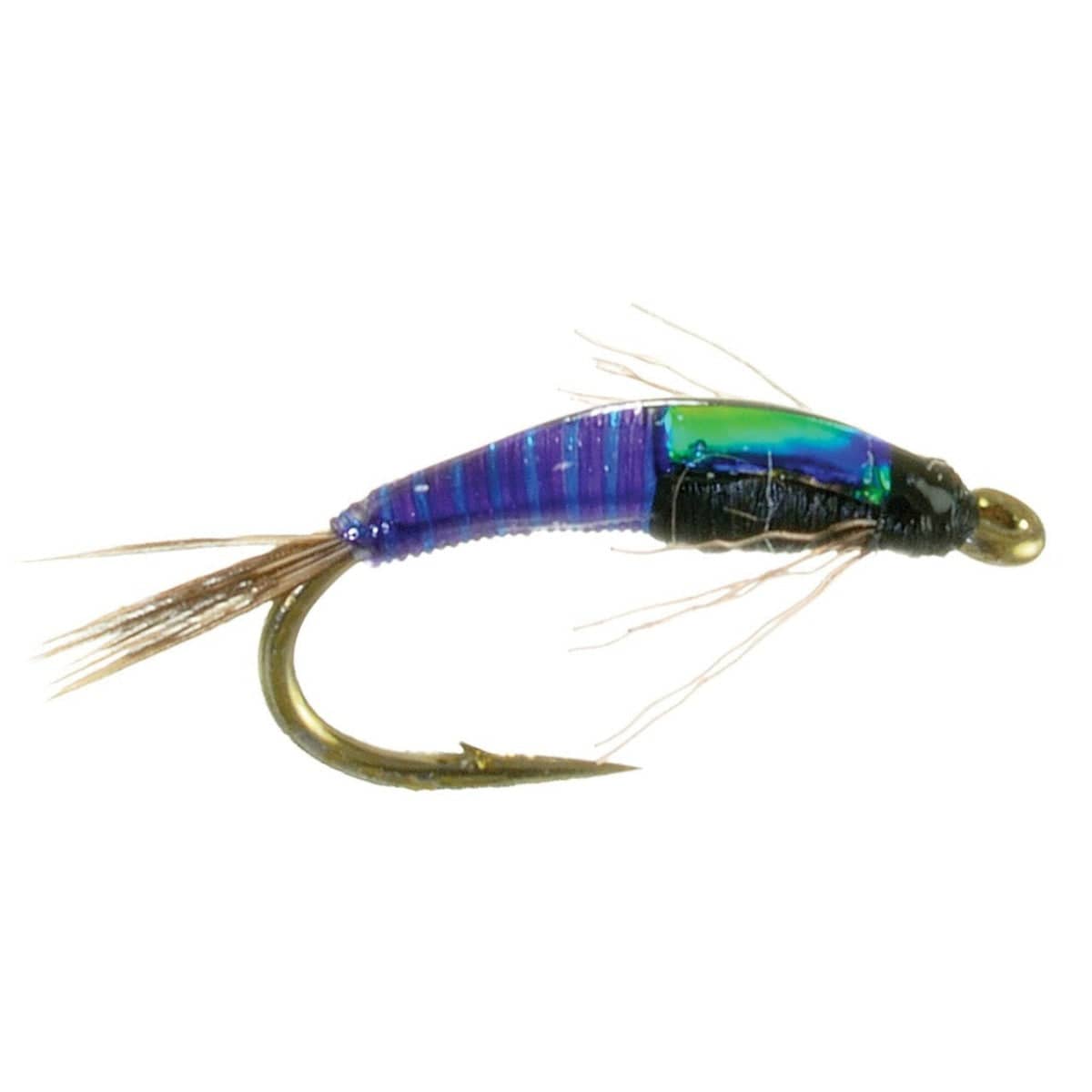
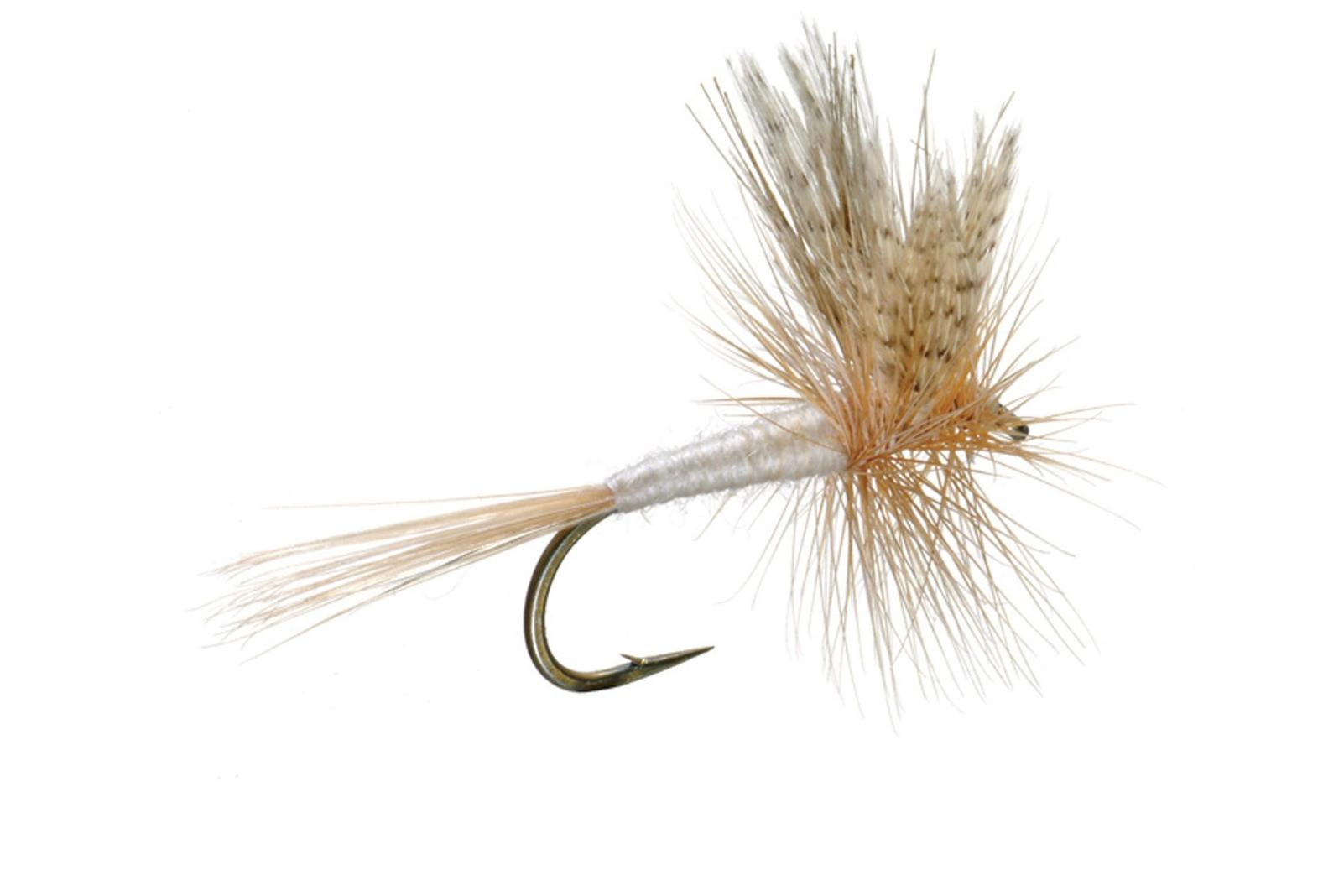
Sale Flies - Easy way to restock confidence patterns and try new styles without paying full price.
Sale Fly Lines - Pair the right taper/density to the flies you’re throwing (especially streamers and heavy nymph rigs).
Sale Tippet - Stock up on sizes you burn through; small changes in diameter can make a big difference in drift and turnover.
Fly Selections - Great for trips or new fisheries when you want broad coverage fast.
Related Guides
Sale Flies FAQs
Q: What are sale flies?
A: Sale flies are discounted fly patterns, often specific sizes/colors, seasonal overstock, or closeout options. Availability changes quickly, so it’s worth grabbing the sizes you fish most when you see them.
Q: Are sale flies OK for beginners?
A: Yes. Beginners lose flies to trees and rocks, so sale flies are a practical way to build a box while you’re learning, especially for nymphing and dry-dropper rigs.
Q: How do I choose the right fly type, dry, nymph, or streamer?
A: If fish are rising, start with a dry or terrestrial. If they’re not showing, nymphs are typically the most consistent. Streamers are a strong choice when you want to cover banks, structure, and deeper seams for aggressive fish.
Q: What sizes should I buy if I’m only getting a few flies?
A: For general trout fishing, many anglers cover a lot with dries in the 12, 16 range and nymphs in the 14, 18 range, then add a handful of smaller midges when fish get picky. When in doubt, buy two nearby sizes of your confidence patterns.
Q: Do I need tungsten/jig flies for Euro nymphing?
A: They help a lot in faster or deeper water because they sink quickly and maintain contact. You can still Euro nymph with standard beadheads, but jig-style patterns tend to snag less and are easier to manage near the bottom.
Q: Can I fish the same flies under an indicator and with Euro tactics?
A: Often, yes. Many beadhead and tungsten patterns work in either setup, just adjust your leader/weighting so the flies are reaching the depth where fish are feeding.
Q: Are sale flies returnable?
A: Some discounted fly options are marked as final sale and aren’t eligible for returns. Check the product page notes (especially on closeout sizes/colors) before ordering.