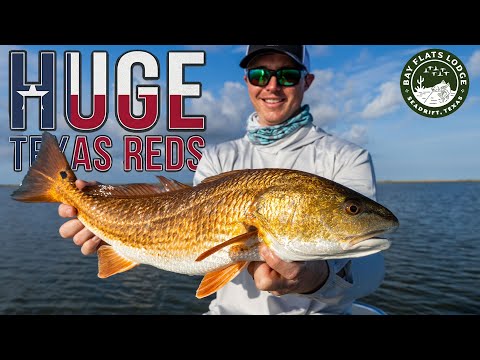


Pick the right “Texas coast” trip style
Wade vs skiff: Many anglers picture wading for tailing reds, but a technical skiff is often the most efficient way to cover water, handle wind, and get multiple shots in a tide window. If you love being on foot, ask about wade opportunities and bring footwear that can handle shell and mud.
Skill level: Texas flats can be incredibly rewarding, but it’s still sight-fishing, quick shots, accuracy, and clean line management matter. If you’re newer to saltwater, prioritize a lodge/guide program that helps with positioning, timing, and fly changes rather than expecting you to “figure it out” on your own.
Gear to plan around (so you’re not scrambling last minute)
Rod weights: A 7, 9 weight is a common redfish window, with heavier backup options for surprise species. Bring a fast-action rod if you want help punching into wind and turning over crab/shrimp patterns.
Lines: Most Texas redfish scenarios are shallow, so a floating line is the everyday choice. If you’re traveling in hotter months, a warm-water/tropical-coated line stays stiffer and fishes cleaner on a warm skiff deck.
Flies: Expect your “bread and butter” to be crab and shrimp patterns, plus a few baitfish options for active fish. Pack a range of weights (quiet bead-chain to heavier eyes) so you can adjust to wind, depth, and bottom type.
When to go
Action: If you’re flexible, plan around the season windows listed on the lodge page and then narrow by your priorities (cooler weather vs summer heat, maximizing sight-fishing opportunities, etc.).
Avoid if: You hate wind or you don’t want to practice quick, accurate casts, Texas redfish is often a short-game, reaction-time fishery.
Care & Maintenance
After each day: Rinse rods, reels, and lines with fresh water to remove salt and grit.
Reels: Lightly dry the reel and check the drag knob area for sand; don’t crank down drag for storage.
Lines: Stretch and wipe your fly line periodically to reduce memory coils and improve shooting.
Flies: Let flies dry before closing boxes to reduce corrosion and keep materials from matting.
Complete Your Setup
Related Gear
Travel - Browse other destinations and hosted trips when you’re ready to compare timing, species, and trip styles.
Redfish Flies - A fast way to build a proven crab/shrimp/baitfish box for Texas marsh and grass flats.
Saltwater Fly Reels - Corrosion-resistant reels sized for 7, 10wt setups and typical inshore runs.
Floating Fly Lines - The go-to line family for shallow-water redfish presentations.
Fly Selections - Helpful if you’d rather start with a curated destination-style assortment and adjust from there.
Related Guides
Texas Travel FAQs
Q: What is Texas Travel on Trident?
A: Texas Travel is Trident’s curated collection for fly fishing trips on the Texas coast. Right now, the collection focuses on a lodge-based redfish program designed around shallow-water sight-fishing.
Q: What species are most common on a Texas coast fly trip?
A: Redfish are the main target for most Texas flats-style trips. Depending on conditions, you can also see other inshore species like black drum and sheepshead.
Q: Is Texas Travel good for beginners?
A: It can be, especially with strong guiding and a willingness to practice quick, accurate casts. If you’re new to saltwater, choose a trip where guide support and on-the-water coaching are a big part of the experience.
Q: Do I need to bring my own fly fishing gear?
A: Some trips provide quality loaner outfits, while many anglers still prefer their own familiar rod/reel/line. Confirm what’s included, then decide whether you’re packing a primary setup plus a backup rod/reel.
Q: What fly line should I bring for Texas redfish?
A: Most anglers fish a floating line for shallow flats and marsh situations. If you’re traveling in warm weather, a warm-water/tropical line coating typically handles heat better than a cold-water line.
Q: What flies work best for Texas marsh redfish?
A: Shrimp and crab patterns are staples, with baitfish patterns useful when fish are pushing mullet or feeding aggressively. Carry a few weights and colors so you can match water clarity and depth.
Q: What’s the biggest mistake people make on Texas flats trips?
A: Over-focusing on long casts instead of quick, accurate shots at realistic distances. Line management on a skiff (and being ready to shoot line cleanly) matters as much as raw casting power.
Q: Do I need special care for gear after a saltwater trip?
A: Yes, rinse everything with fresh water, dry it, and keep sand out of reel and drag components. A little post-trip care goes a long way toward reliability on your next travel day.