


Sale Backing Quick Picks
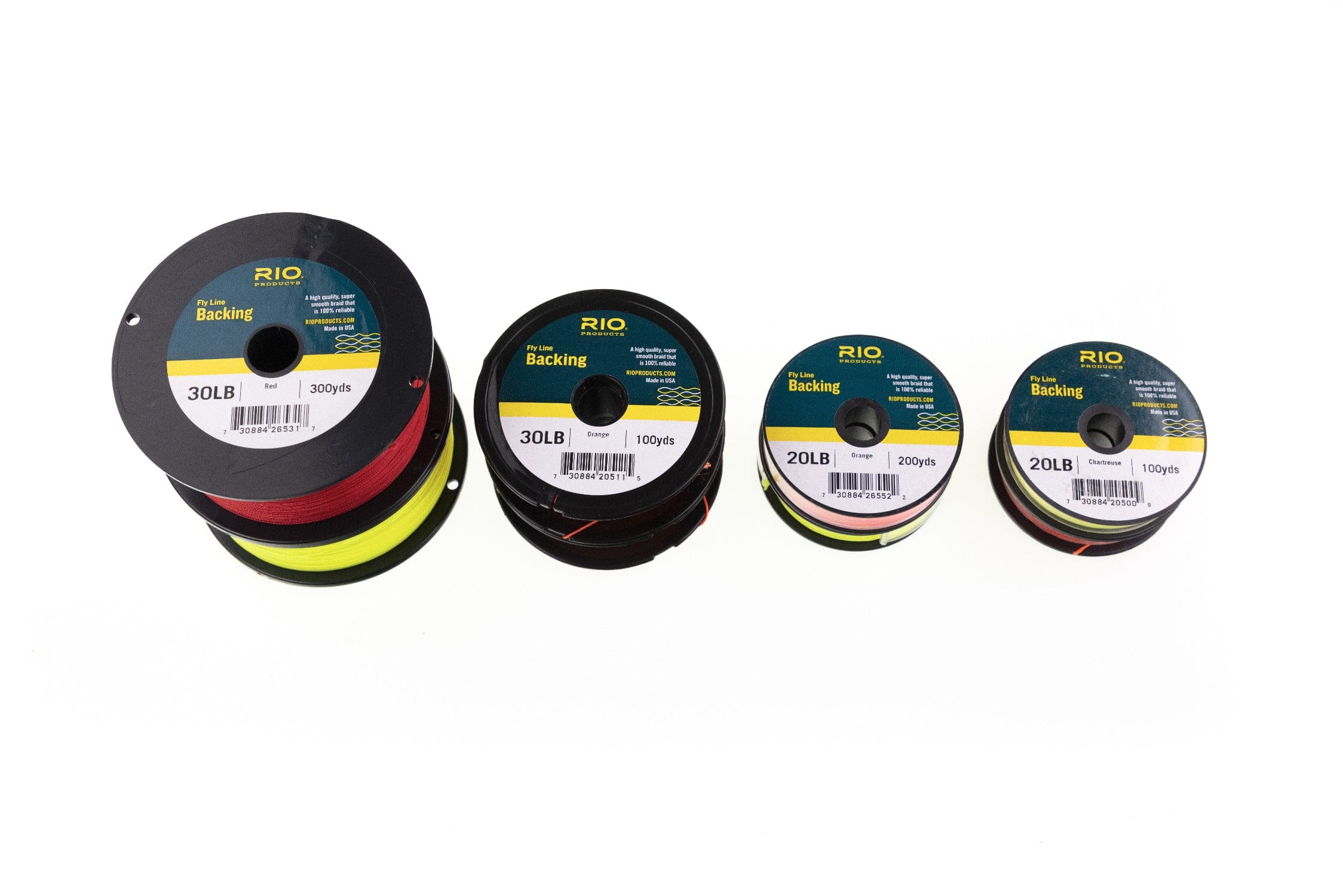
Best Value: Rio Dacron Fly Line Backing - Best for anglers building or refreshing trout and general freshwater reels on a budget. It’s easy to handle, knot-friendly, and spools evenly for a clean, dependable base under your fly line.
Best All-Around: Rio Dacron Fly Line Backing - Best for everyday 4, 8wt freshwater and light inshore use where you want simple rigging and predictable performance. The slightly larger diameter versus super-braids can also help reduce “dig-in” on hard runs.
Best for Beginners: Rio Dacron Fly Line Backing - Best for first-time setups where you’re learning knots, tension, and how full to fill a spool. Dacron’s handling makes it more forgiving than very thin gel-spun options when you’re spooling at home.
How to Choose Sale Backing
Dacron vs. GSP (Gel-Spun)
Action: Start by deciding whether you need handling and simplicity (Dacron) or maximum capacity (GSP).
Dacron: The most common fly line backing material. It’s durable, affordable, and generally easier to knot and manage when spooling under tension, great for trout, bass, panfish, and most freshwater fishing.
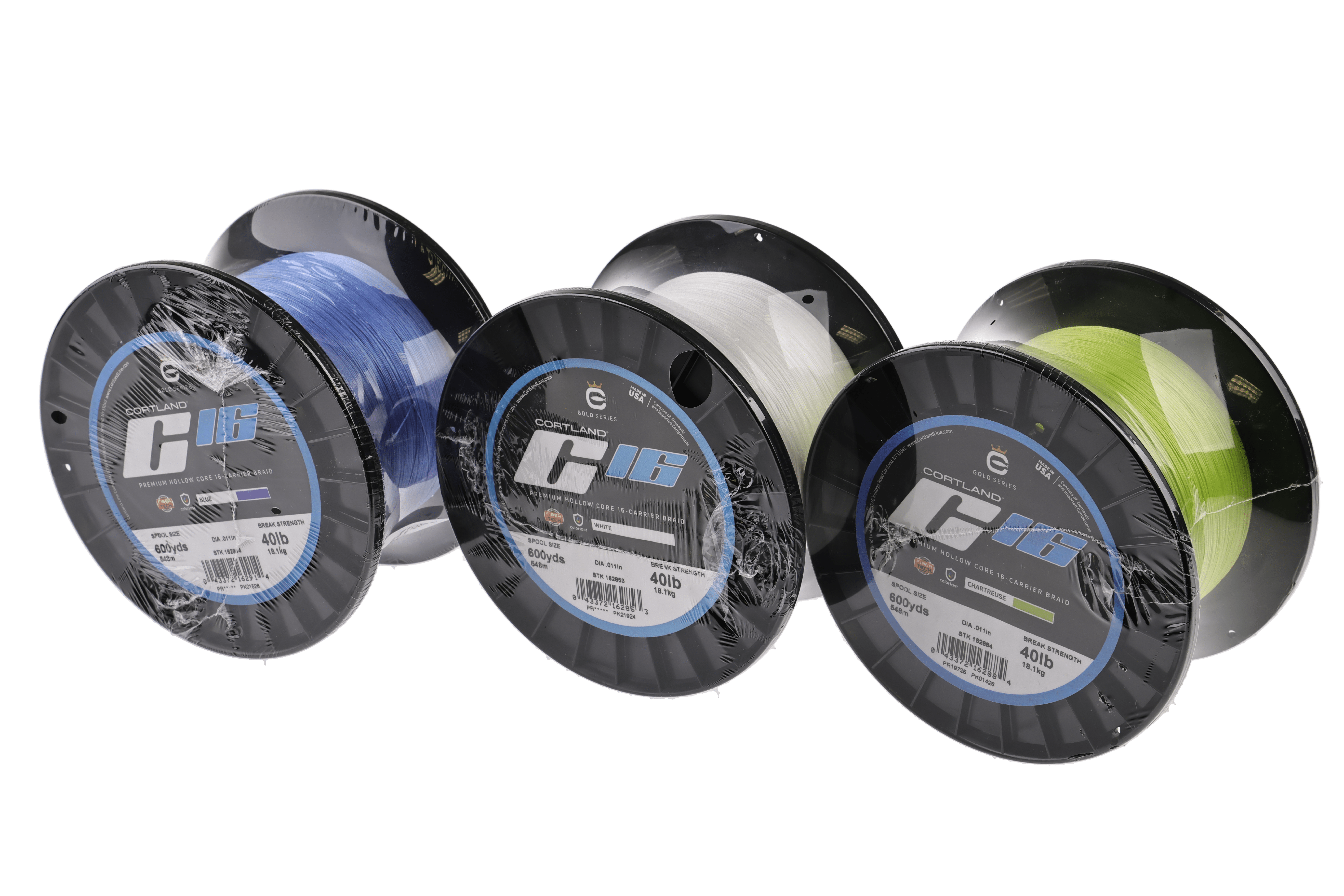
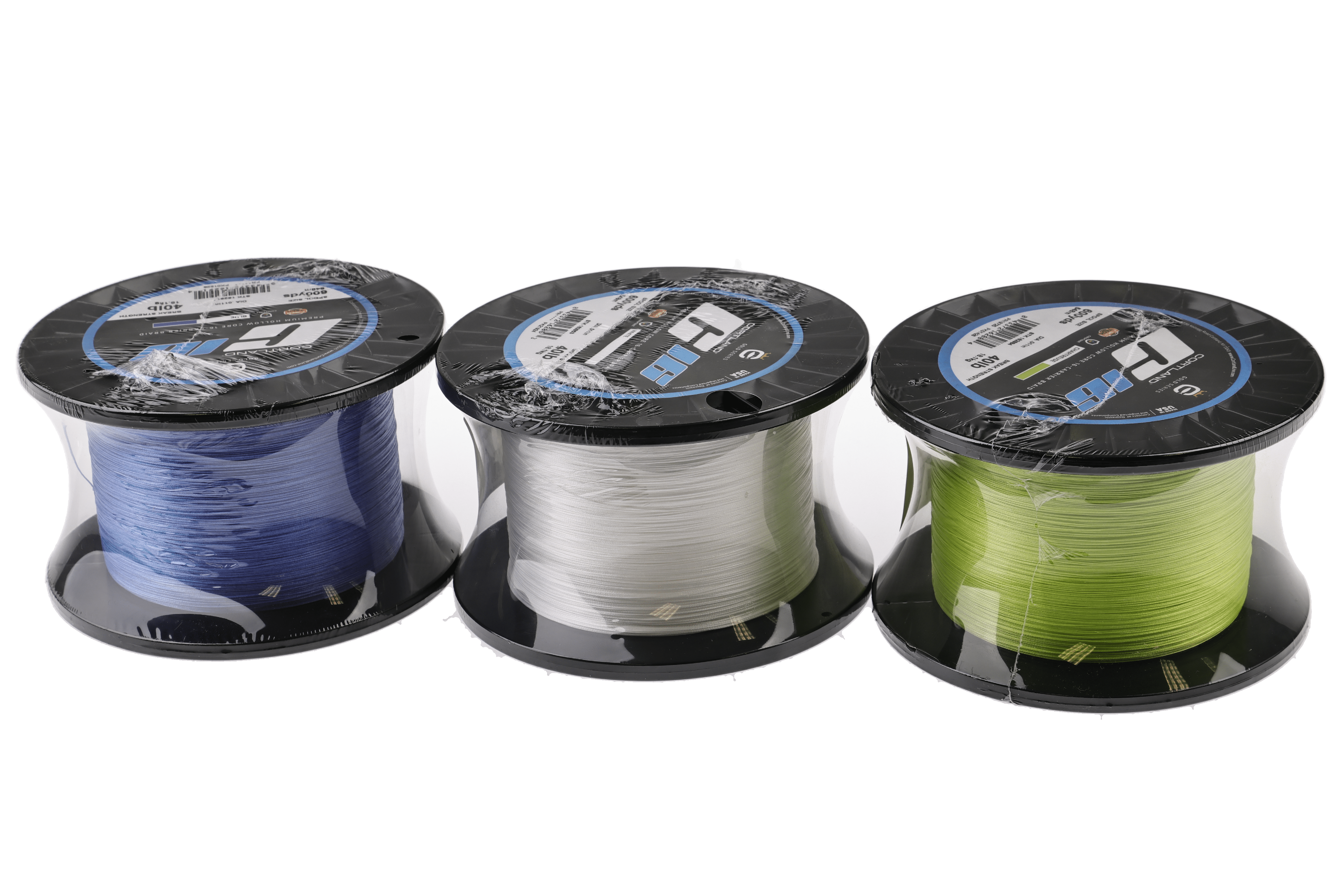
GSP (Gel-Spun): Much thinner for its strength and has very little stretch, which is helpful when you need to pack more yards on the reel (think saltwater flats species or any fish that can run far). The tradeoff is it can be slick, can “dig in” if spooled loosely, and requires extra attention to knots and tension.
Pick the Right Strength (Lb. Test)
Best for: Match backing strength to species, not just rod weight.
20 lb backing: A common choice for trout and general freshwater reels where capacity is less critical.
30 lb backing: A common step-up for larger freshwater species and many saltwater setups where you want more strength and abrasion resistance.
How Much Backing Do I Need?
Action: Check your reel’s capacity chart first, then use rules of thumb if you’re unsure.
3, 4wt reels: Often around 50, 75 yards.
5, 6wt reels: Often around 100 yards.
7wt+ reels: Often around 150, 200 yards.
Compatibility
Reel capacity matters: Backing choice affects how much fly line fits; thinner backing increases capacity but demands tighter spooling tension.
Connection style: Common options include arbor knot to the spool, then loop-to-loop, Albright, nail/needle knot, or a splice depending on your backing and fly line loops.
Fill level: Don’t overfill, leave a small gap at the rim after the fly line is installed so line won’t spill off in coils.
Temperature & corrosion: If you fish salt, prioritize rinsing and drying to protect the reel arbor and backing buried deep on the spool.
Complete Your Setup
Related Gear
Backing - Compare Dacron vs. GSP options and match strength/capacity to your reel and target species.
Sale Fly Lines - Backing and fly line work as a system; pairing discounted backing with a sale line is an easy refresh.
Fly Reels - If you’re changing reel sizes, double-check the manufacturer’s capacity chart before buying backing.
Rigging: Adding backing and fly line to your reel - If you’d rather skip DIY knots and tension issues, Trident can rig many reels and outfits.
Related Guides
Sale Backing FAQs
Q: What is fly line backing used for?
A: Fly line backing adds extra yardage and strength under your fly line so you can handle long runs. It also increases the effective arbor size, which can improve retrieve rate and reduce line memory.
Q: Is Dacron backing good for beginners?
A: Yes. Dacron is typically easier to handle, knots well, and is more forgiving if your spooling tension isn’t perfect.
Q: Should I buy 20 lb or 30 lb backing?
A: Many trout and general freshwater setups use 20 lb. If you’re targeting larger fish, want more abrasion resistance, or are setting up many saltwater reels, 30 lb is a common choice.
Q: How much backing should I put on a fly reel?
A: Use your reel’s capacity chart if available. As a general guideline, many anglers use roughly 50, 75 yards on 3, 4wt reels, ~100 yards on 5, 6wt reels, and 150, 200 yards on 7wt+ reels.
Q: What’s the downside of gel-spun (GSP) backing?
A: It’s very thin and slick, so it can be harder to knot and can dig into itself if you spool it loosely. If you go GSP, focus on tight, even spooling tension.
Q: Why does my backing dig in and jam during a fight?
A: This is usually caused by backing that was spooled too loosely. When a fish pulls hard, the top layers can bury into lower layers; spooling under firm, steady tension helps prevent this.