






























Tips for BETTER Single Spey Casts





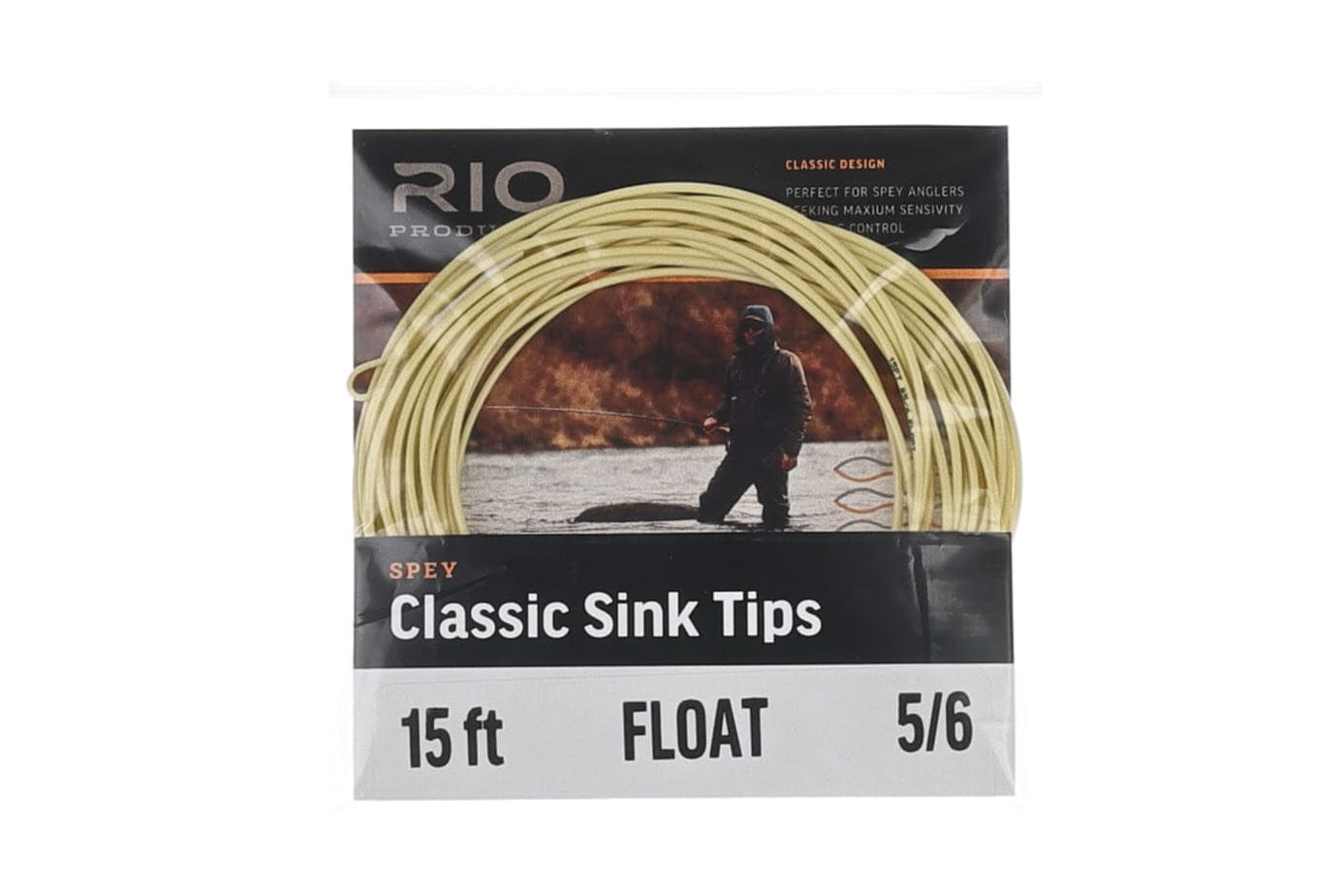
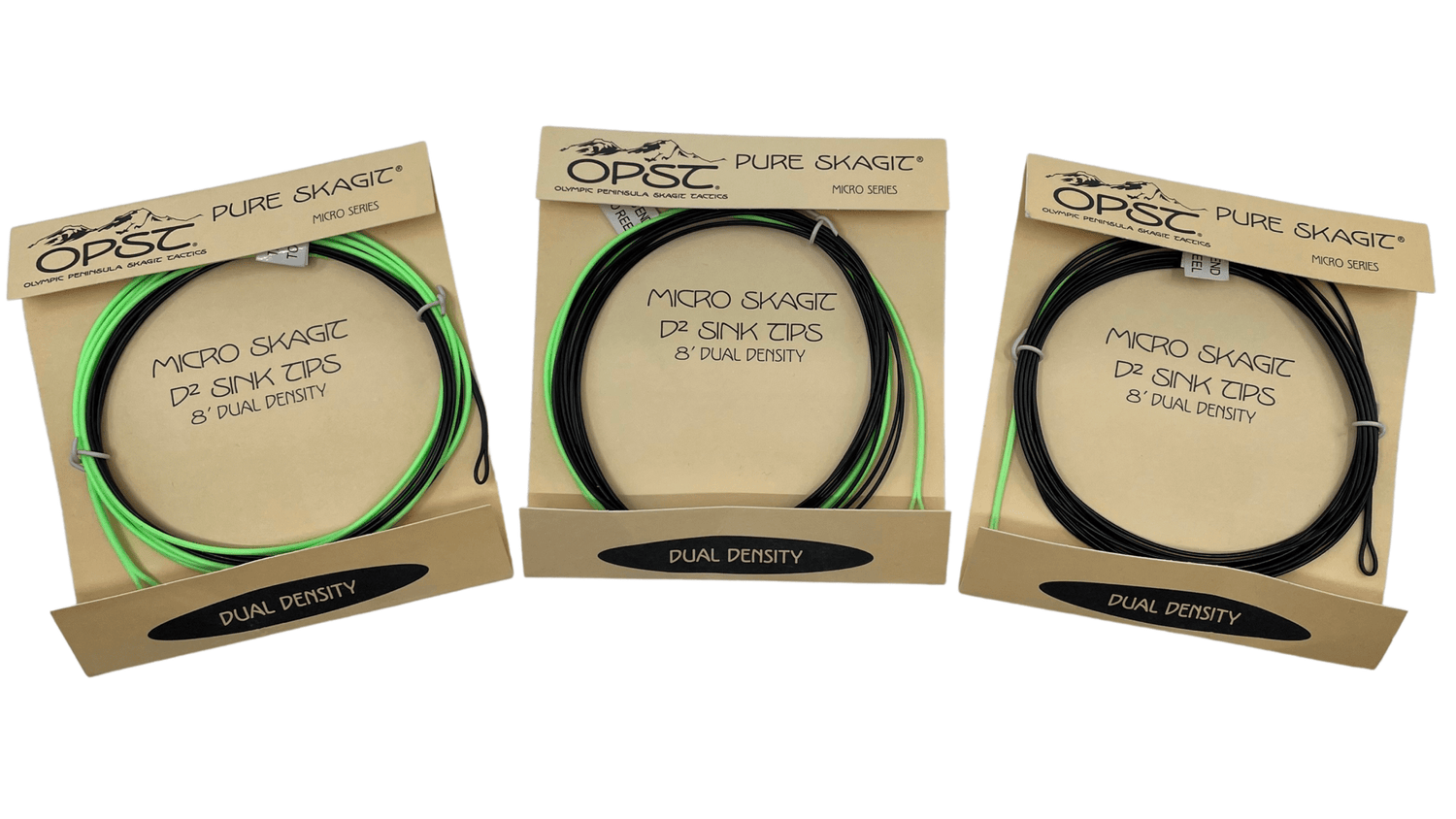
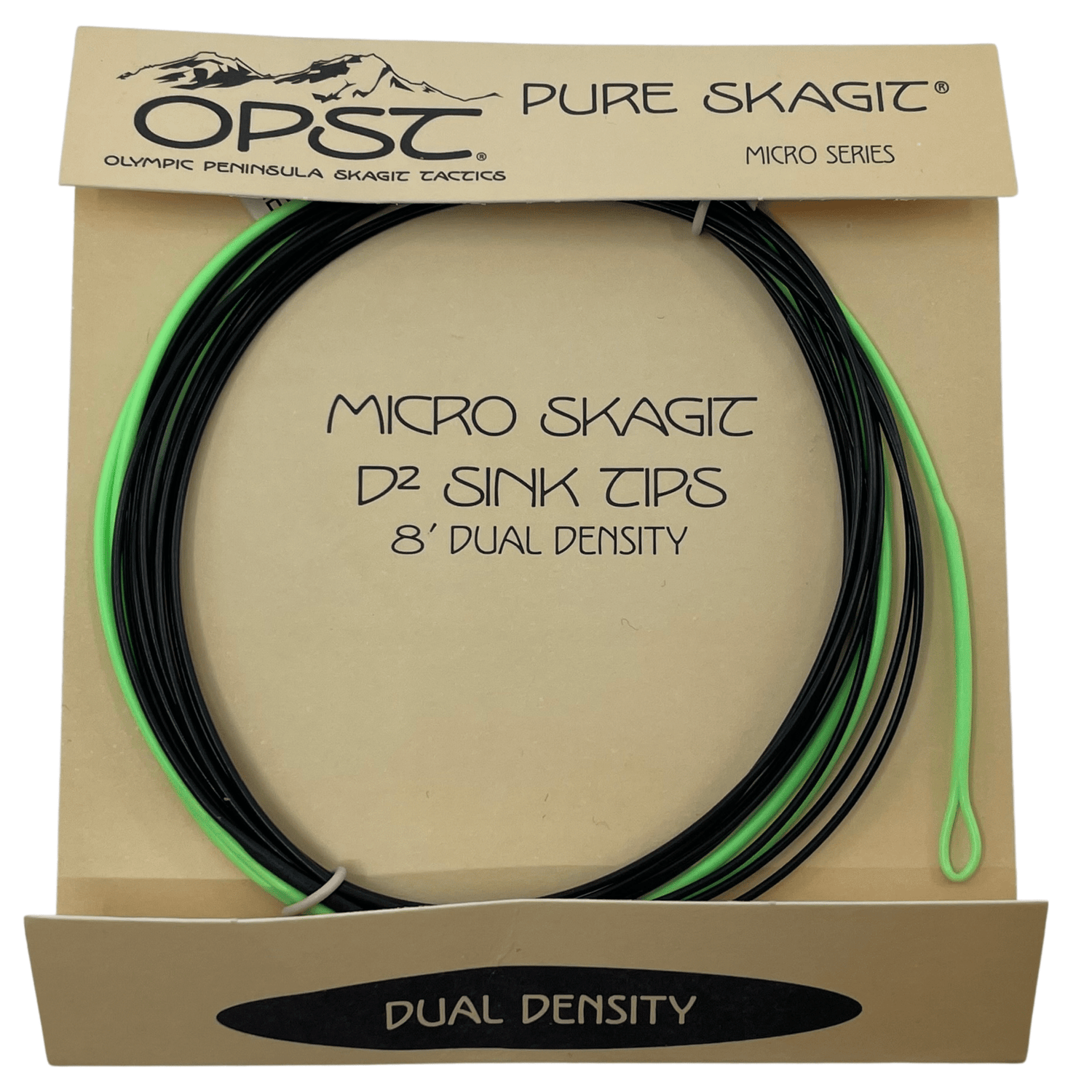
Spey Tips Quick Picks
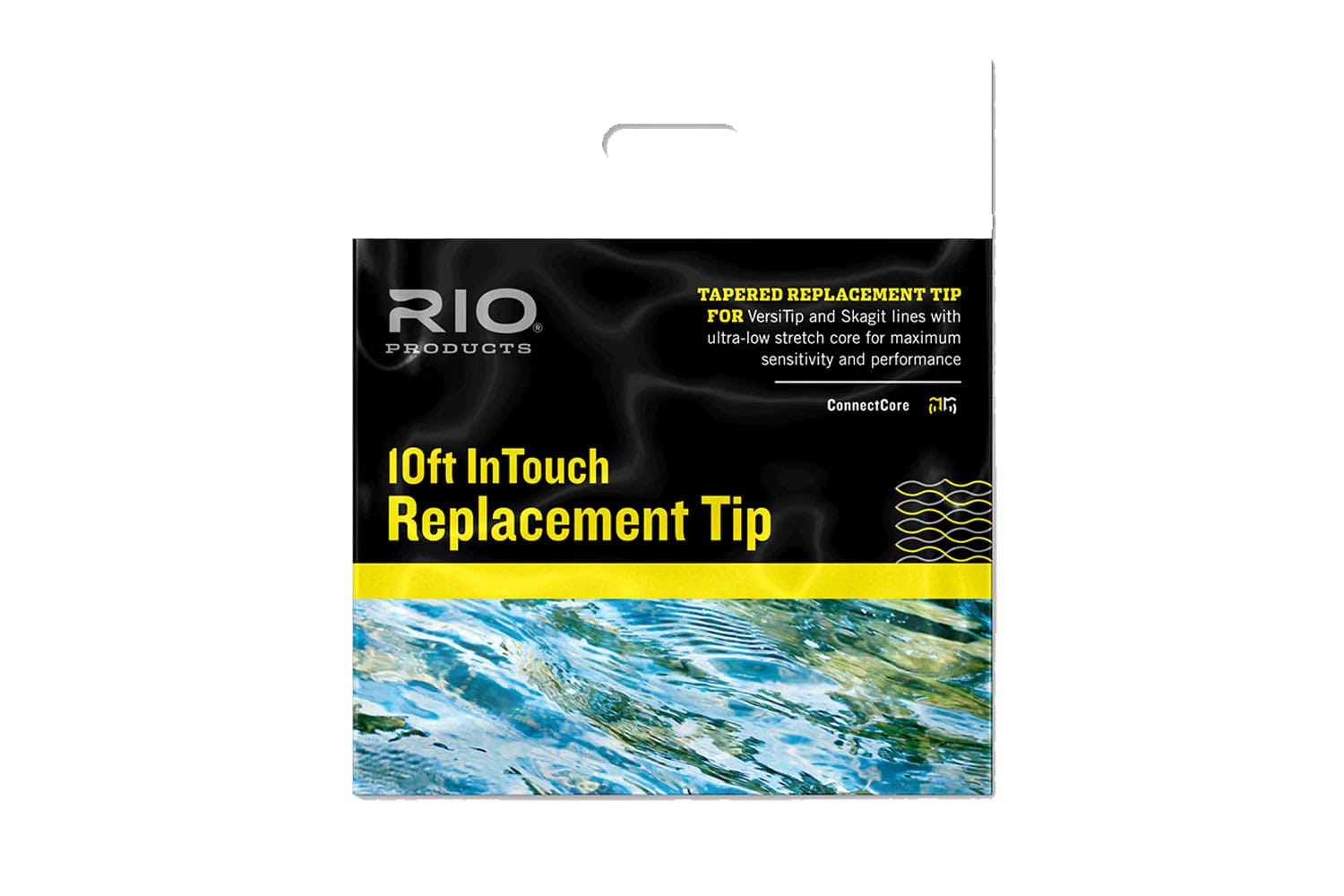
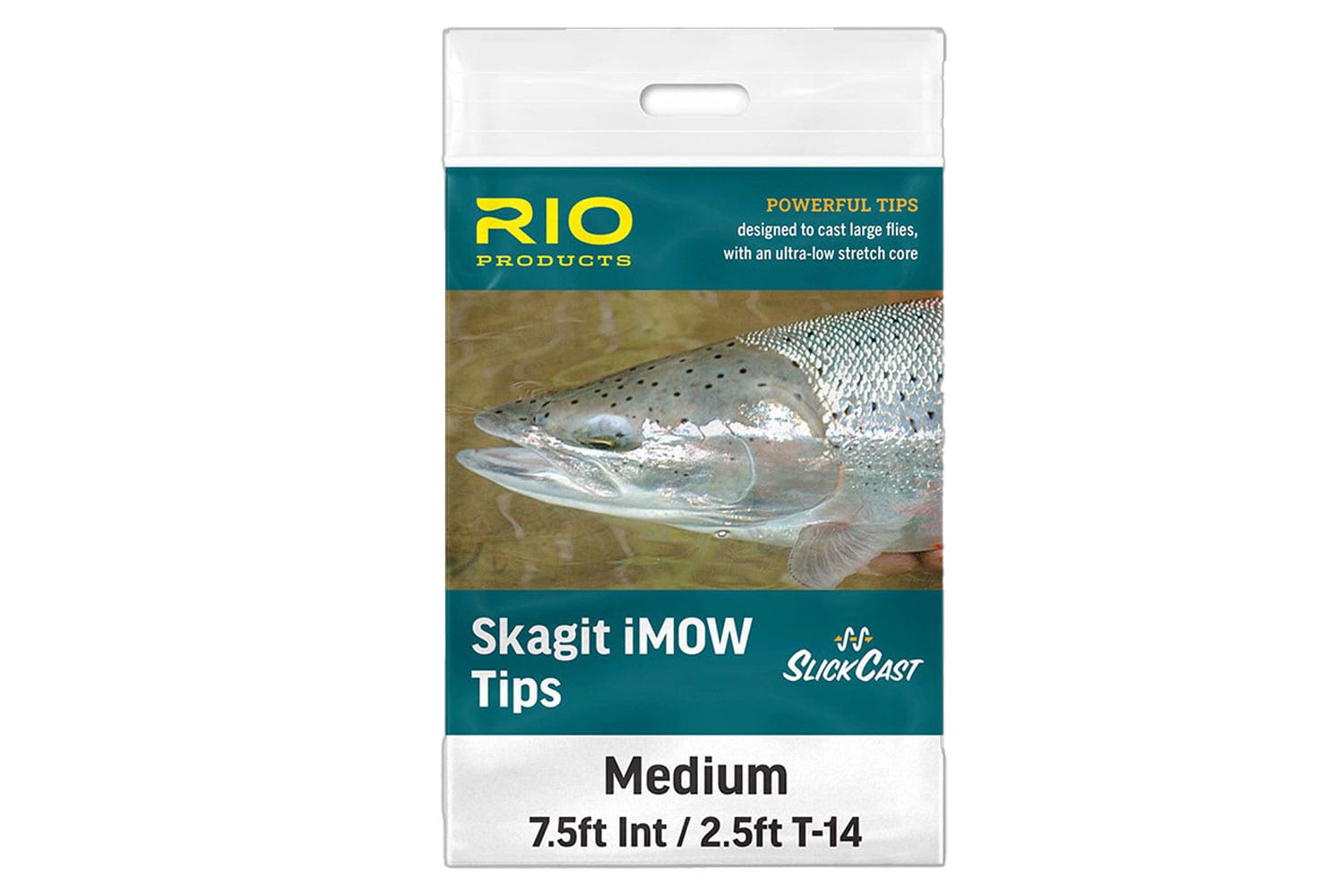
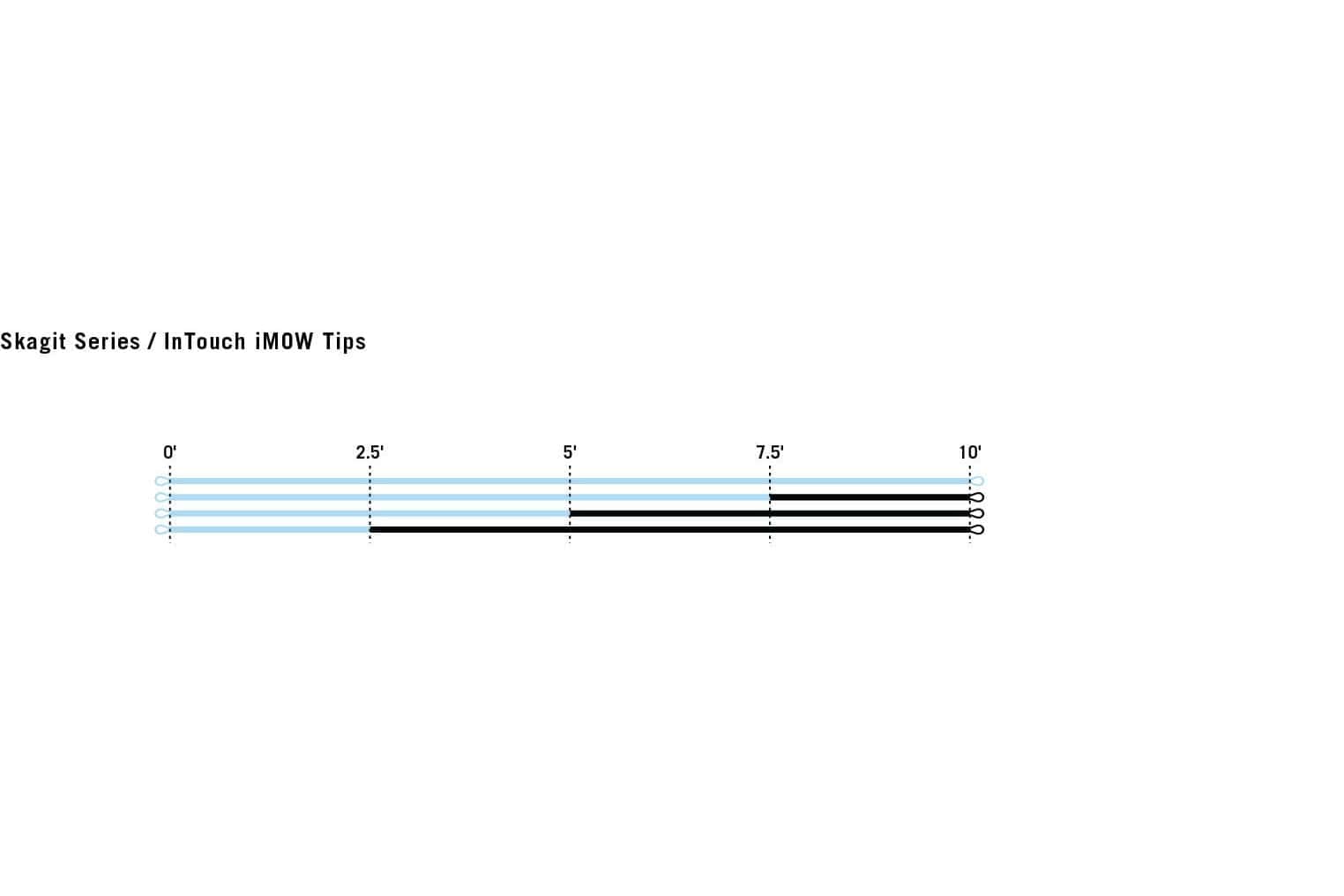
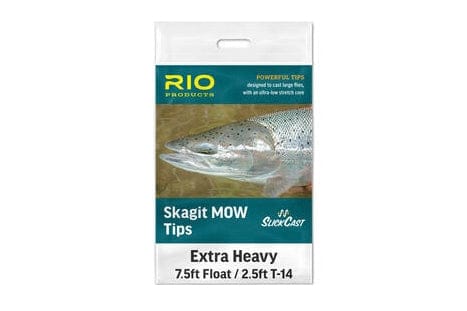
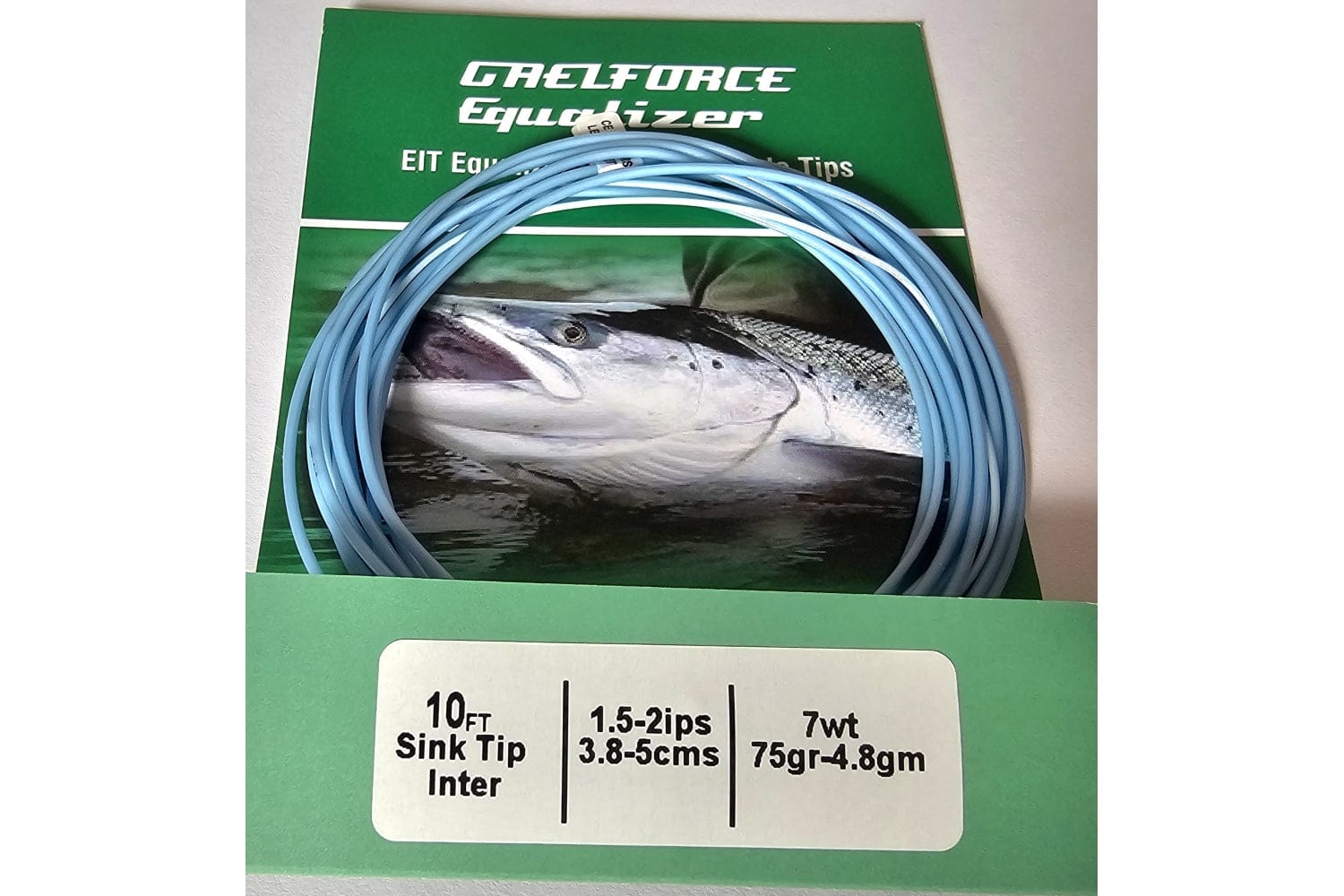
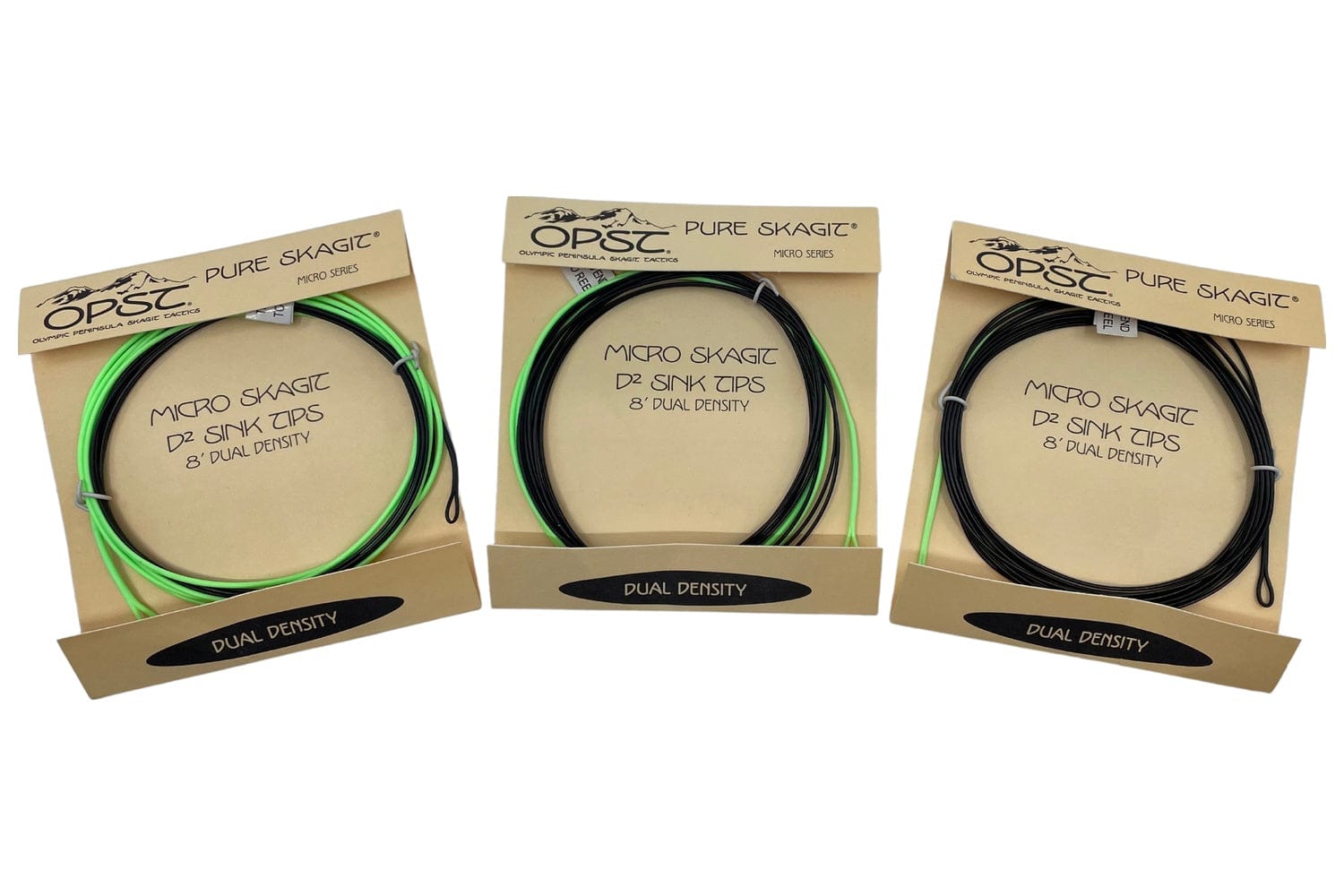
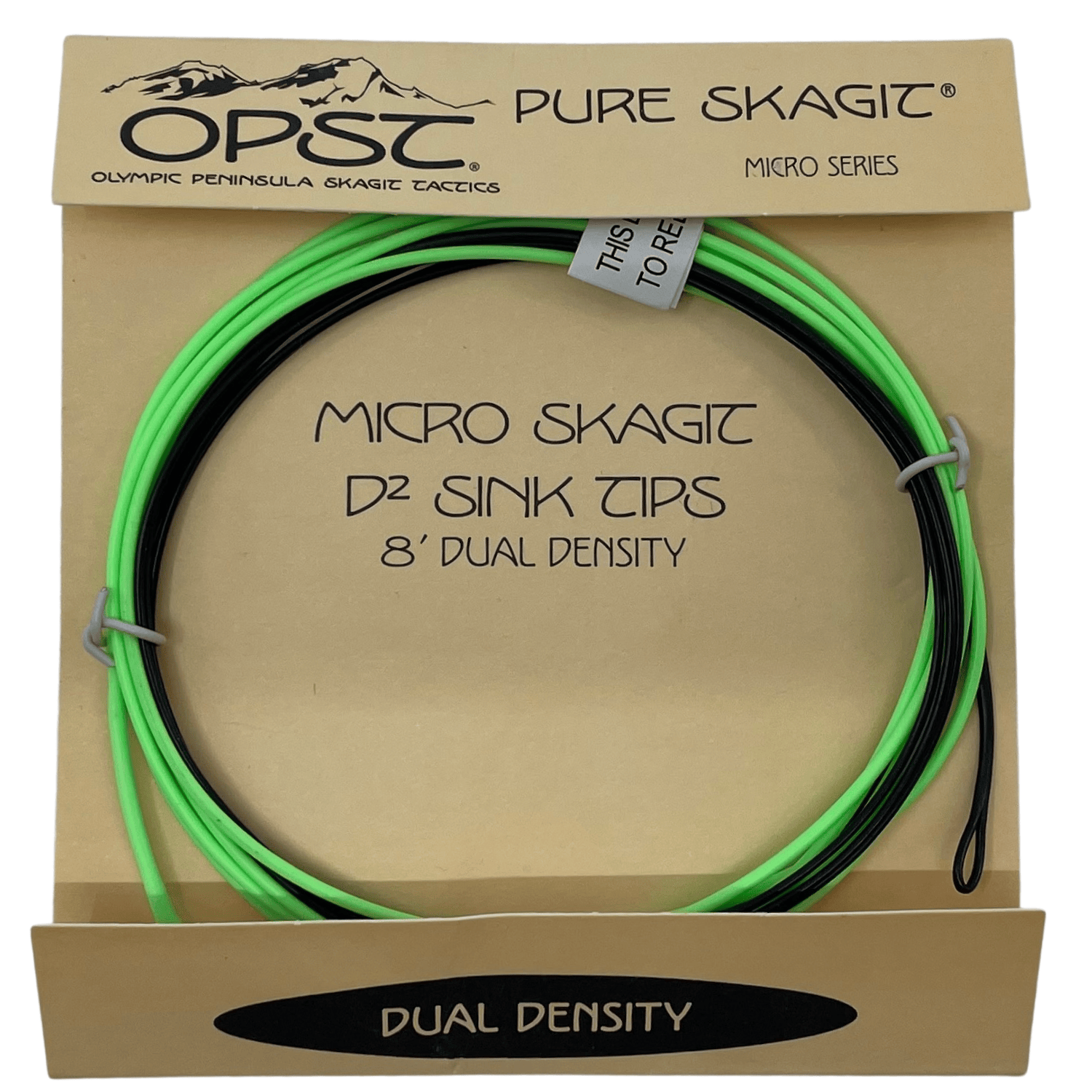
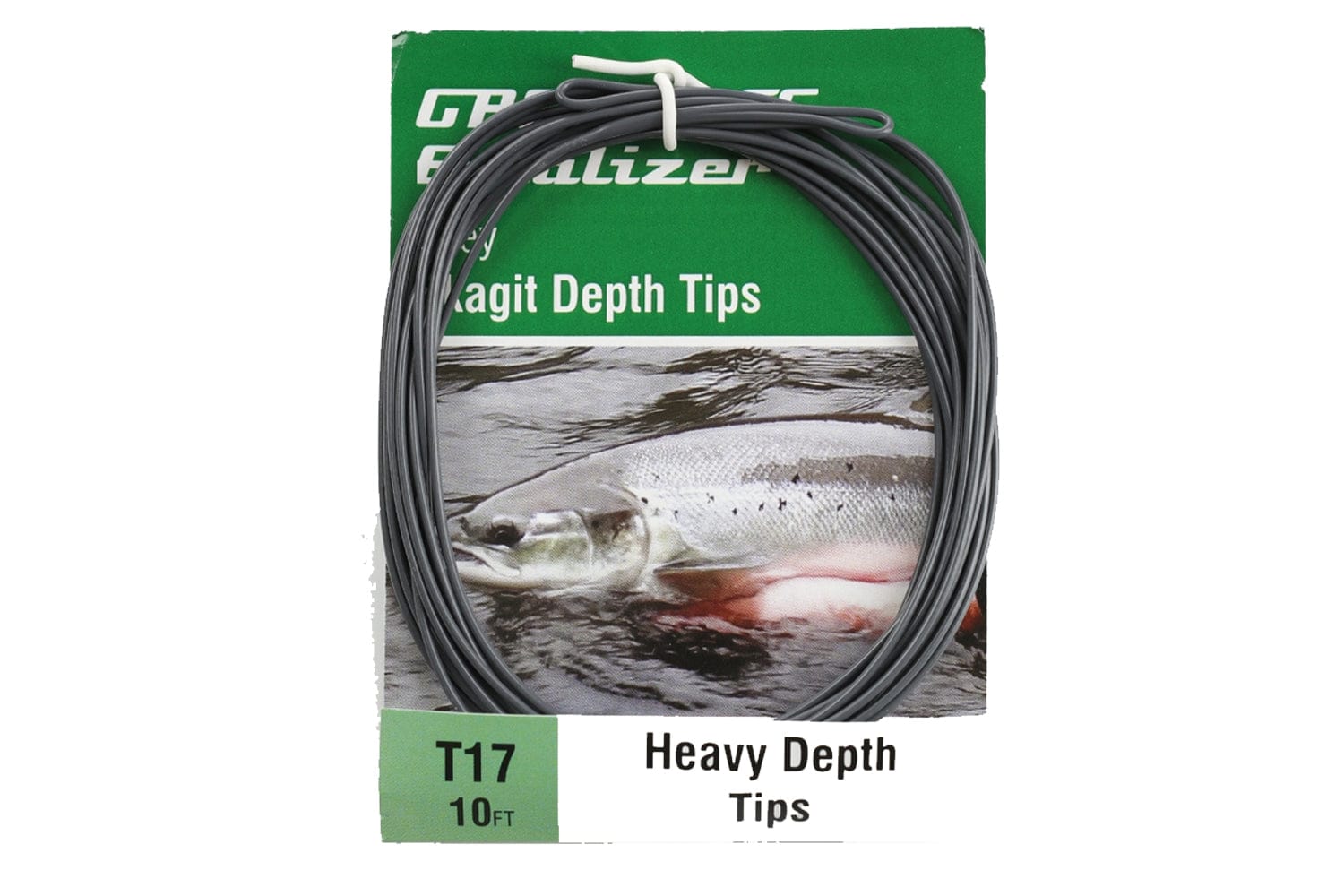
- Best All-Around: Rio Skagit Mow Medium Tip - For anglers who want a simple, proven MOW system to cover most steelhead and salmon swings. It balances sink speed and turnover well when you’re fishing a mix of weighted flies and varying current speeds.
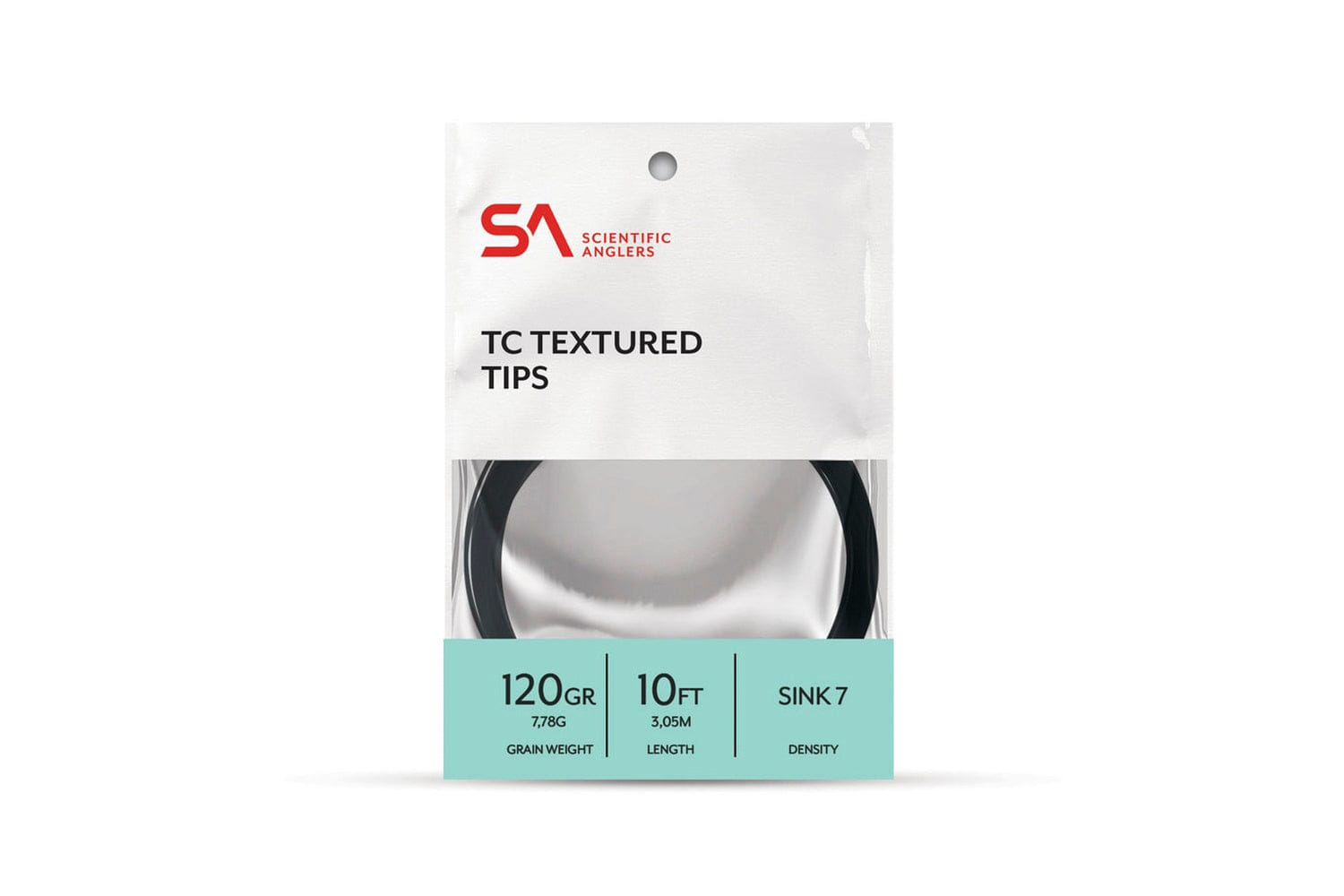
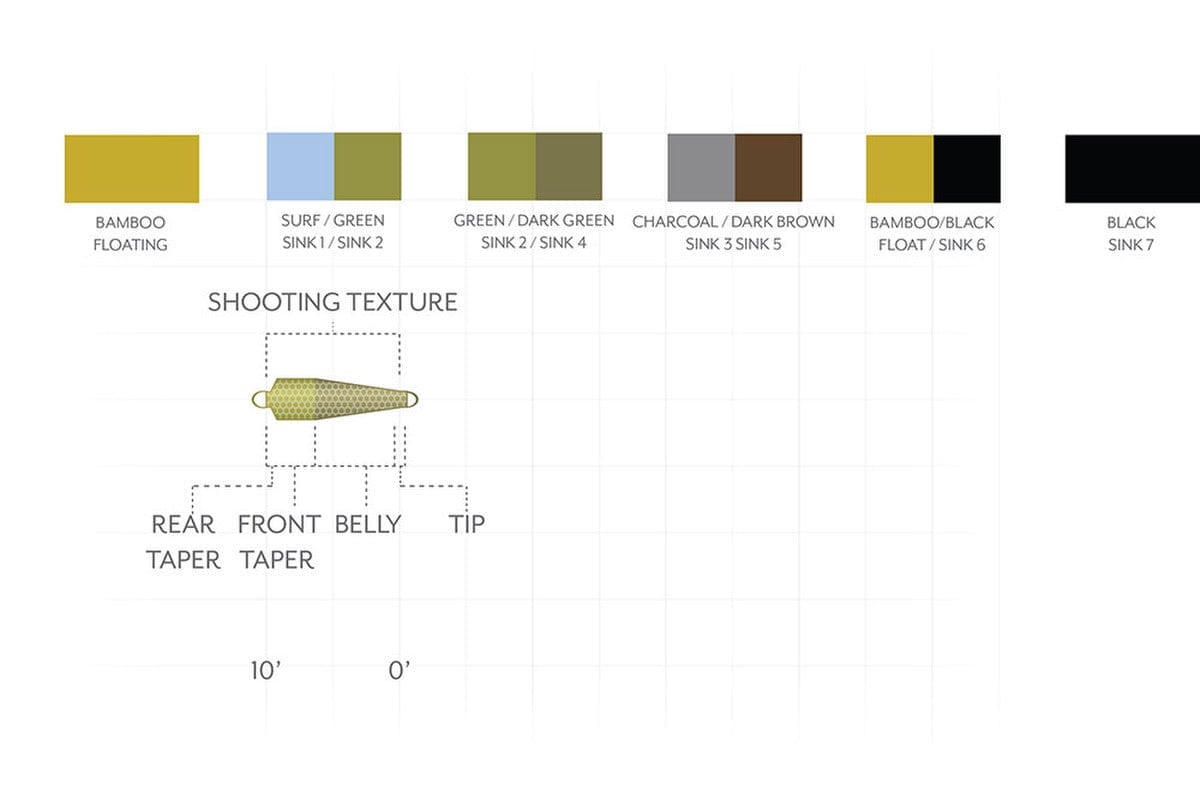
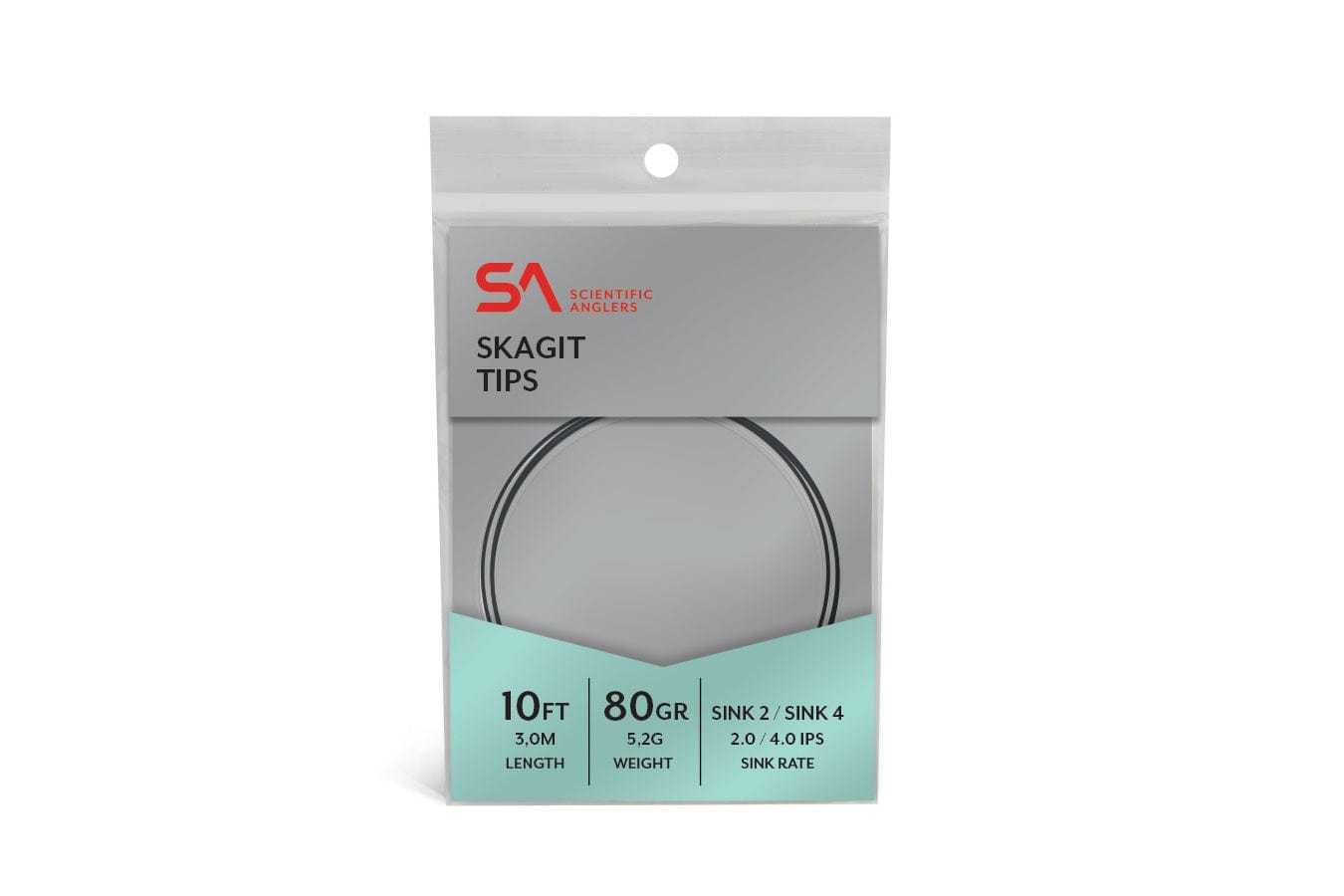
- Best for Beginners: Scientific Anglers Skagit Tips - For newer Spey anglers who want an easy way to swap densities without getting deep into T-material math. The labeled grain weights and density options make it straightforward to match your head and fish the right depth.
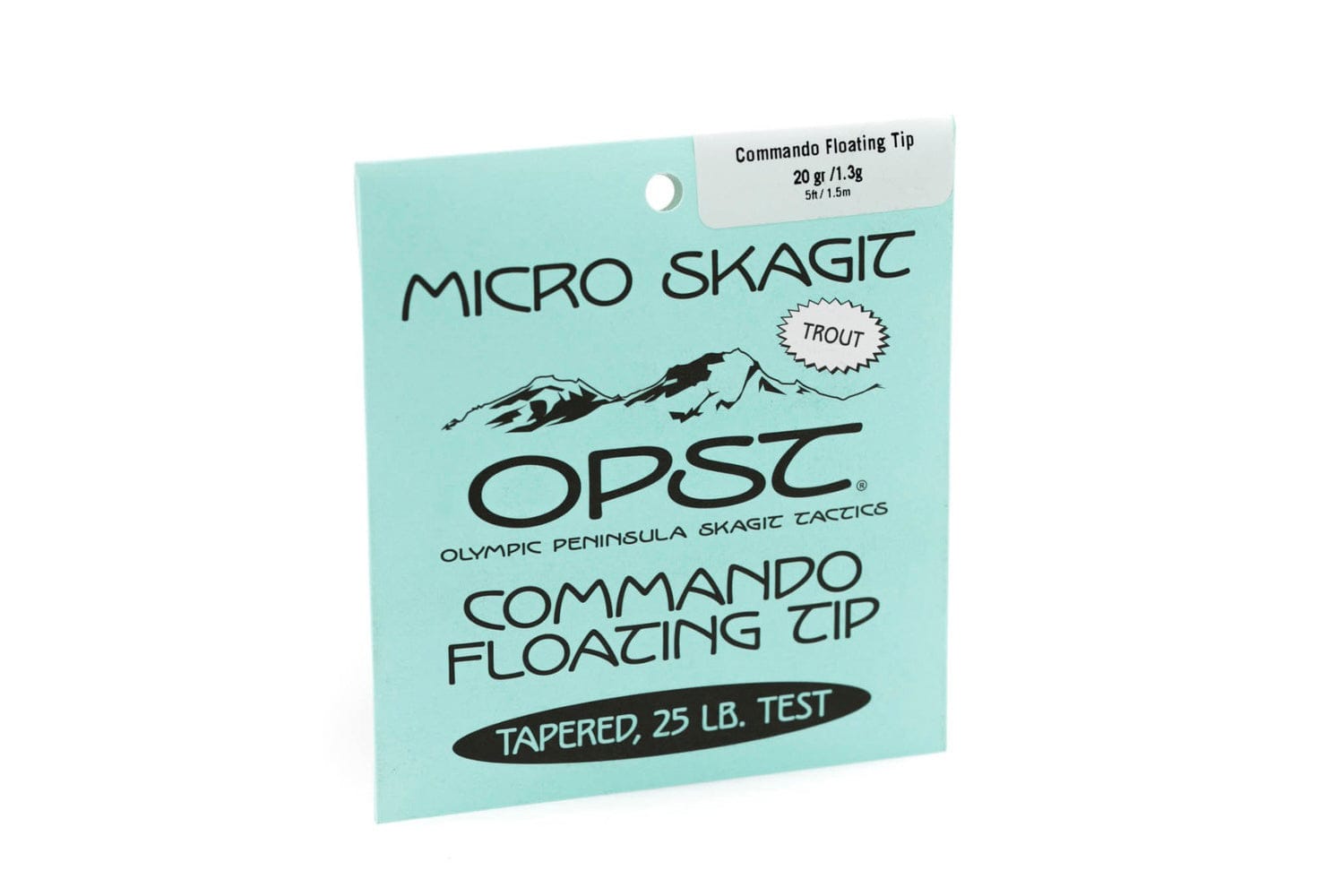
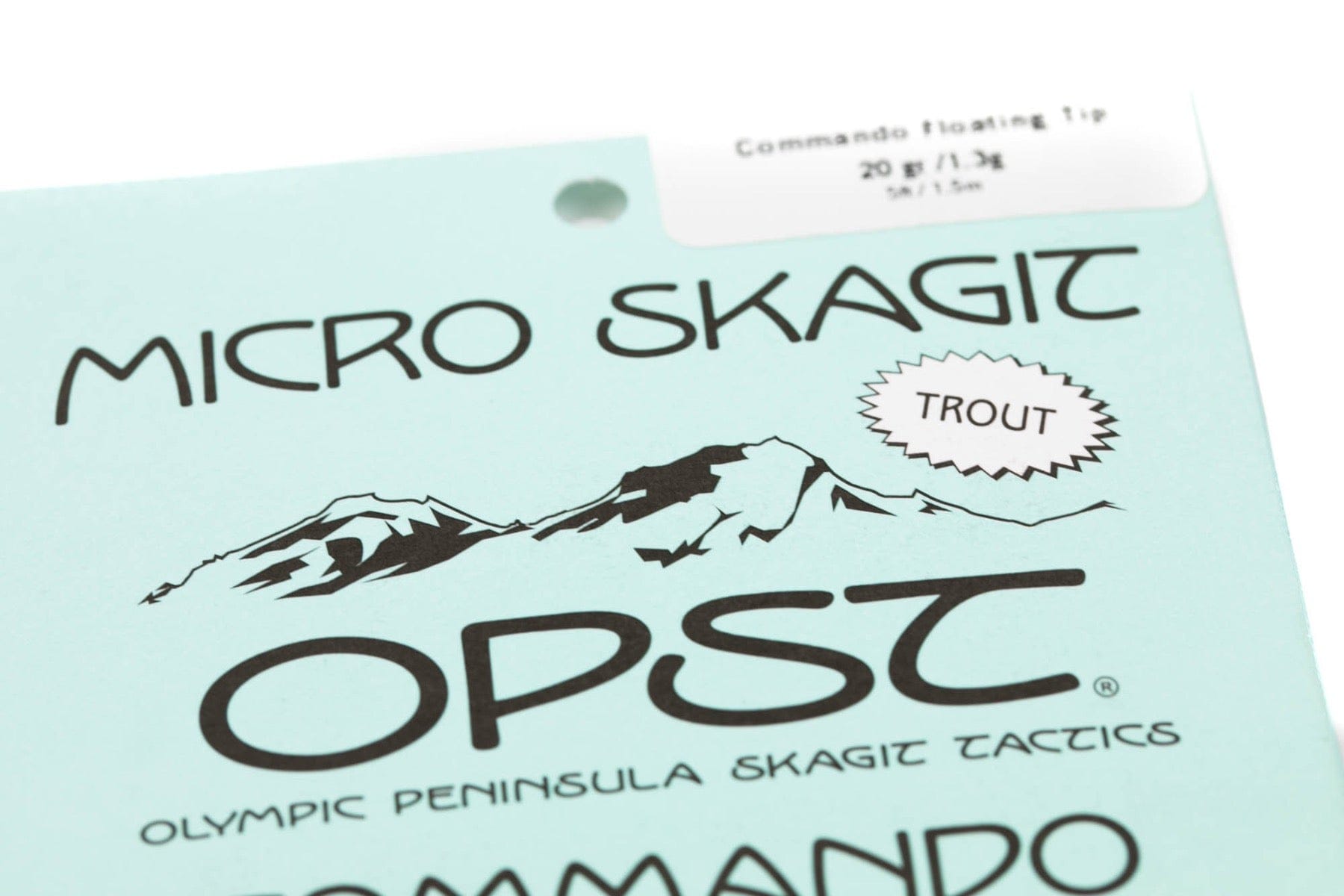
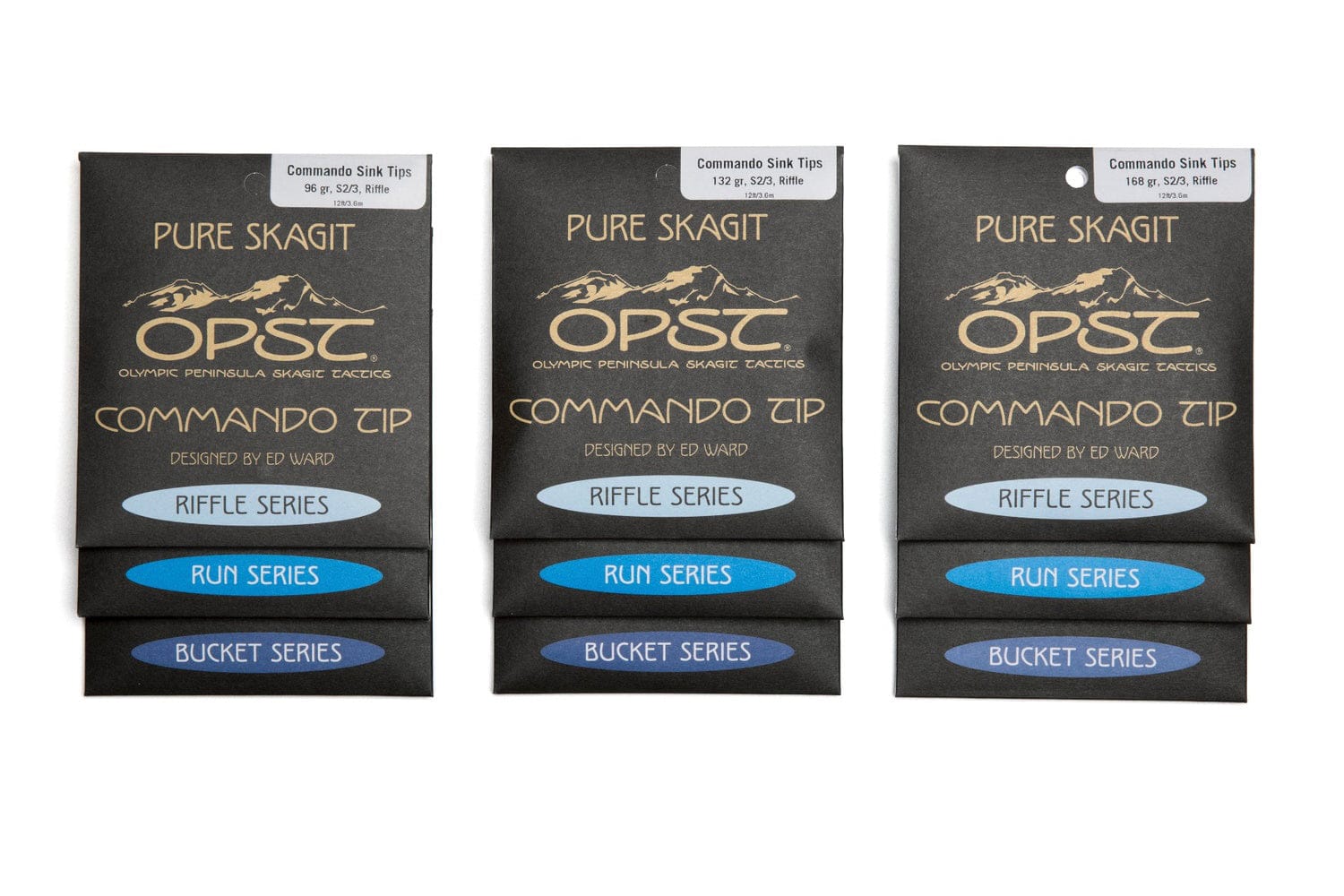
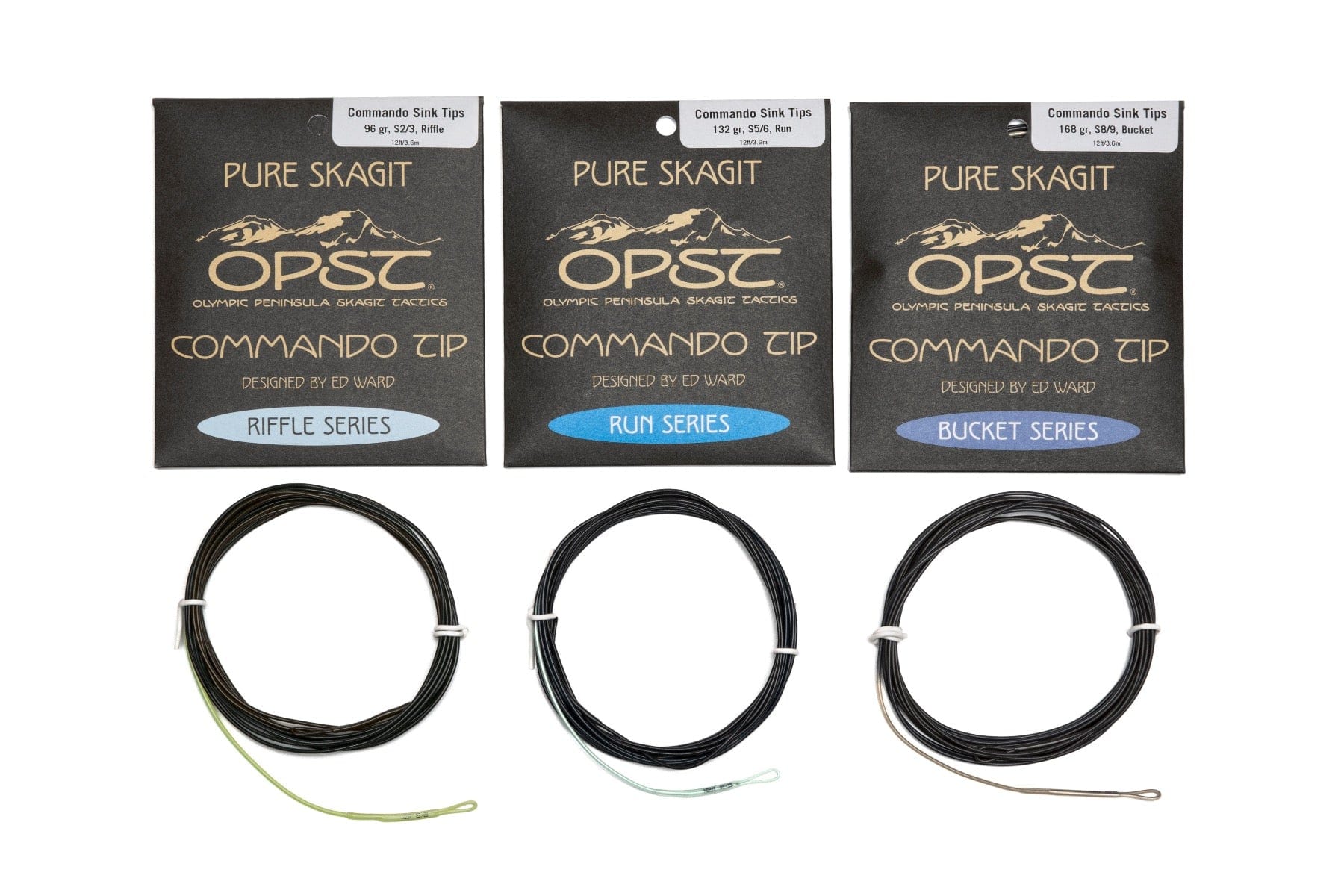
- Best for Trout Spey: OPST Commando Floating Tip - For trout Spey and light two-hand setups where you’re skating soft hackles, fishing light streamers, or staying near the surface. The lighter grains and shorter lengths help keep touch-and-go style presentations clean and controlled.
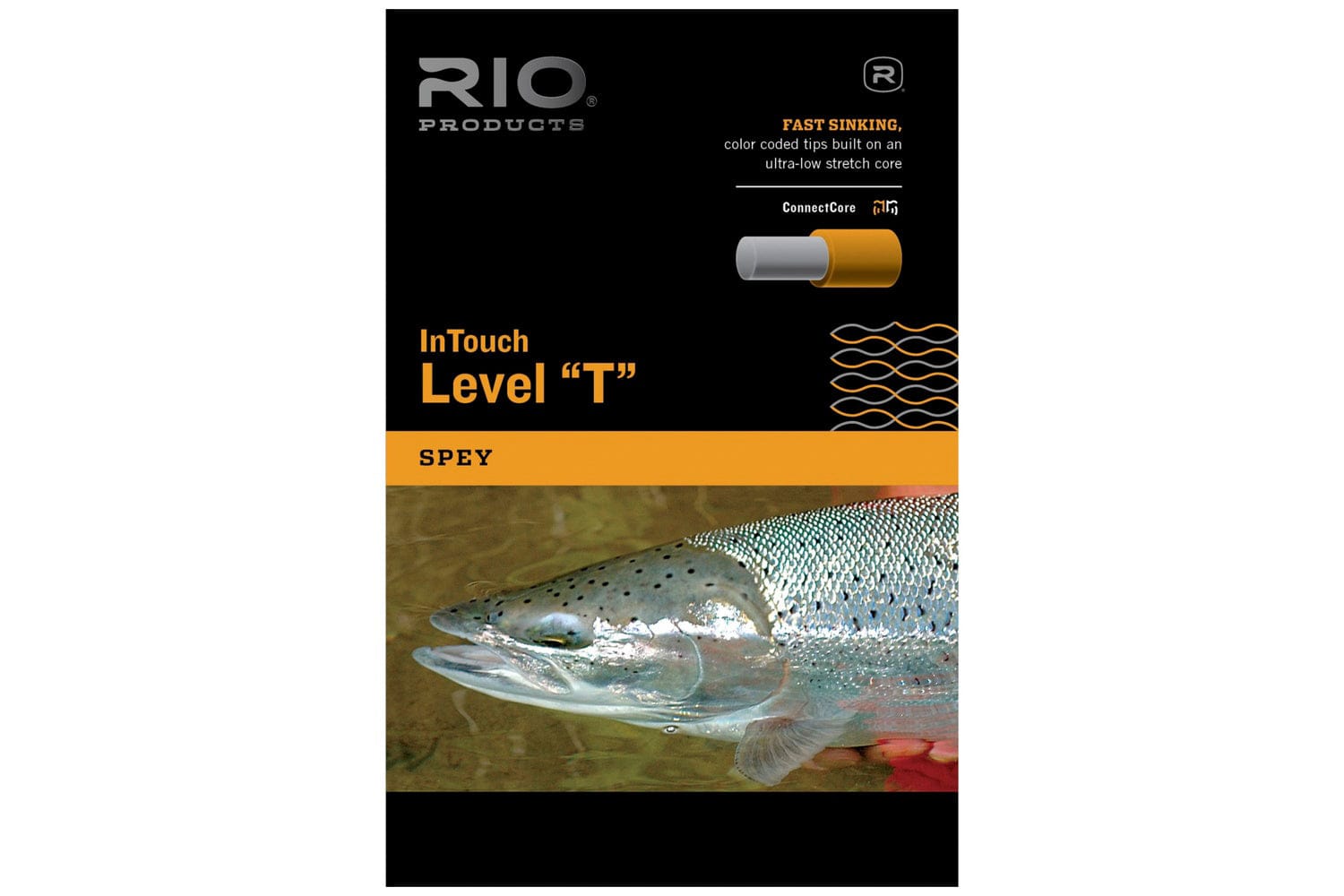
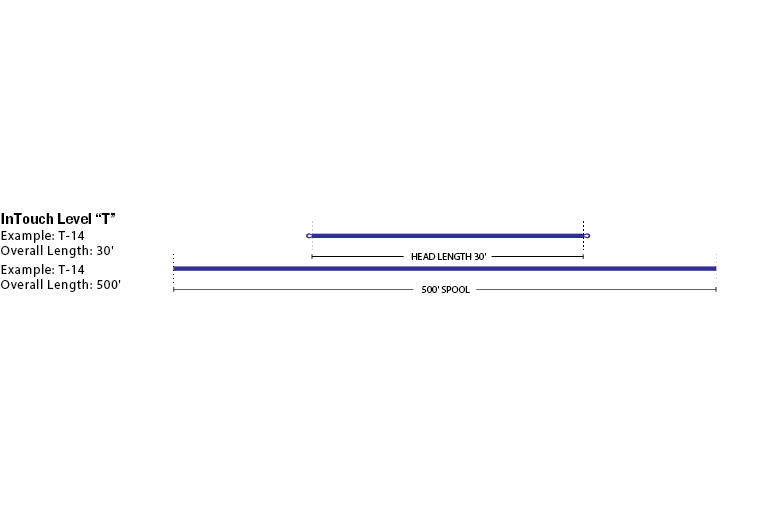
- Best for Deep & Fast Water: Rio InTouch Level T Replacement Tips - For when you need maximum sink and a very direct connection on a Skagit setup. Level T is a go-to for winter flows, heavier flies, and steep runs where you need to get down quickly.
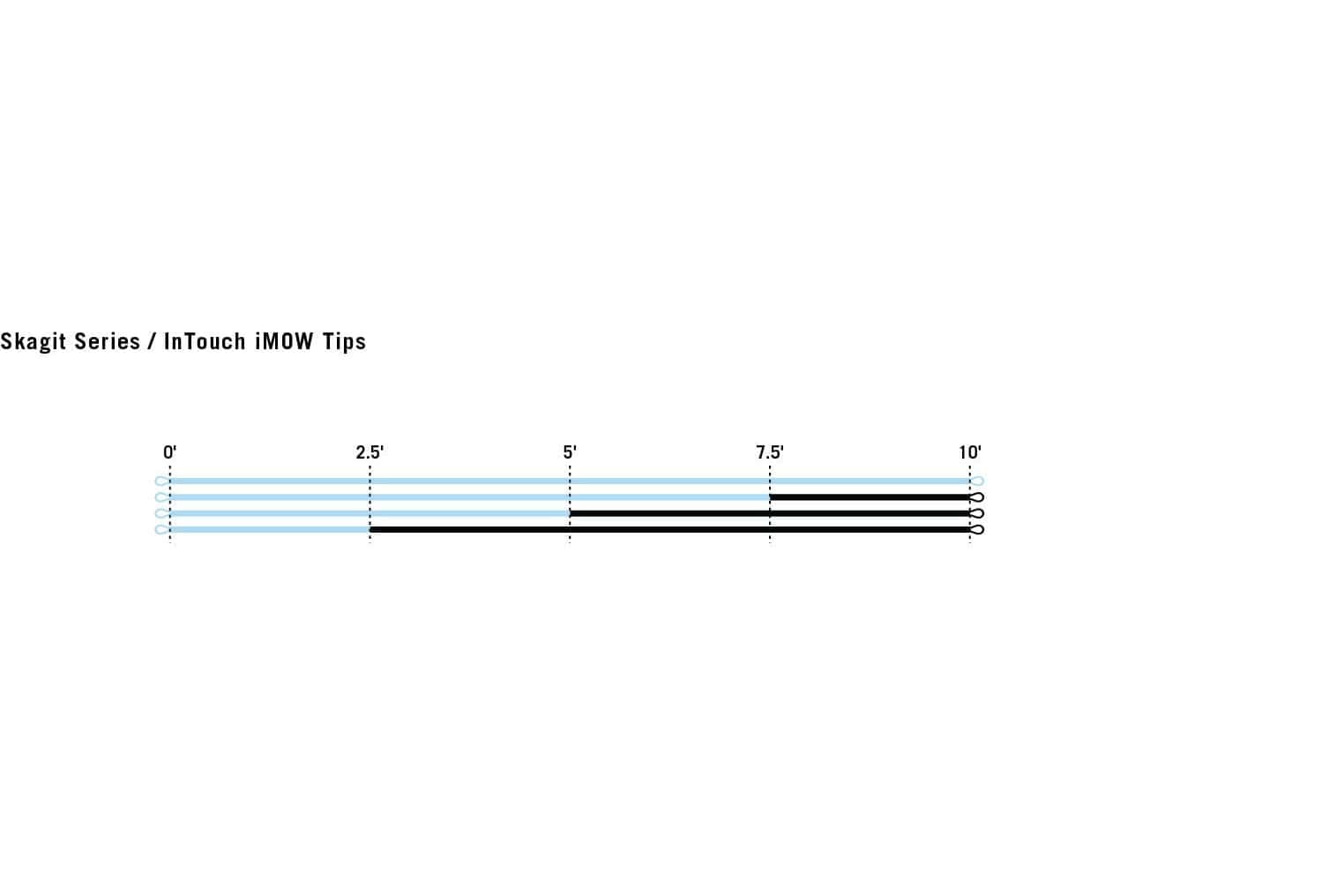
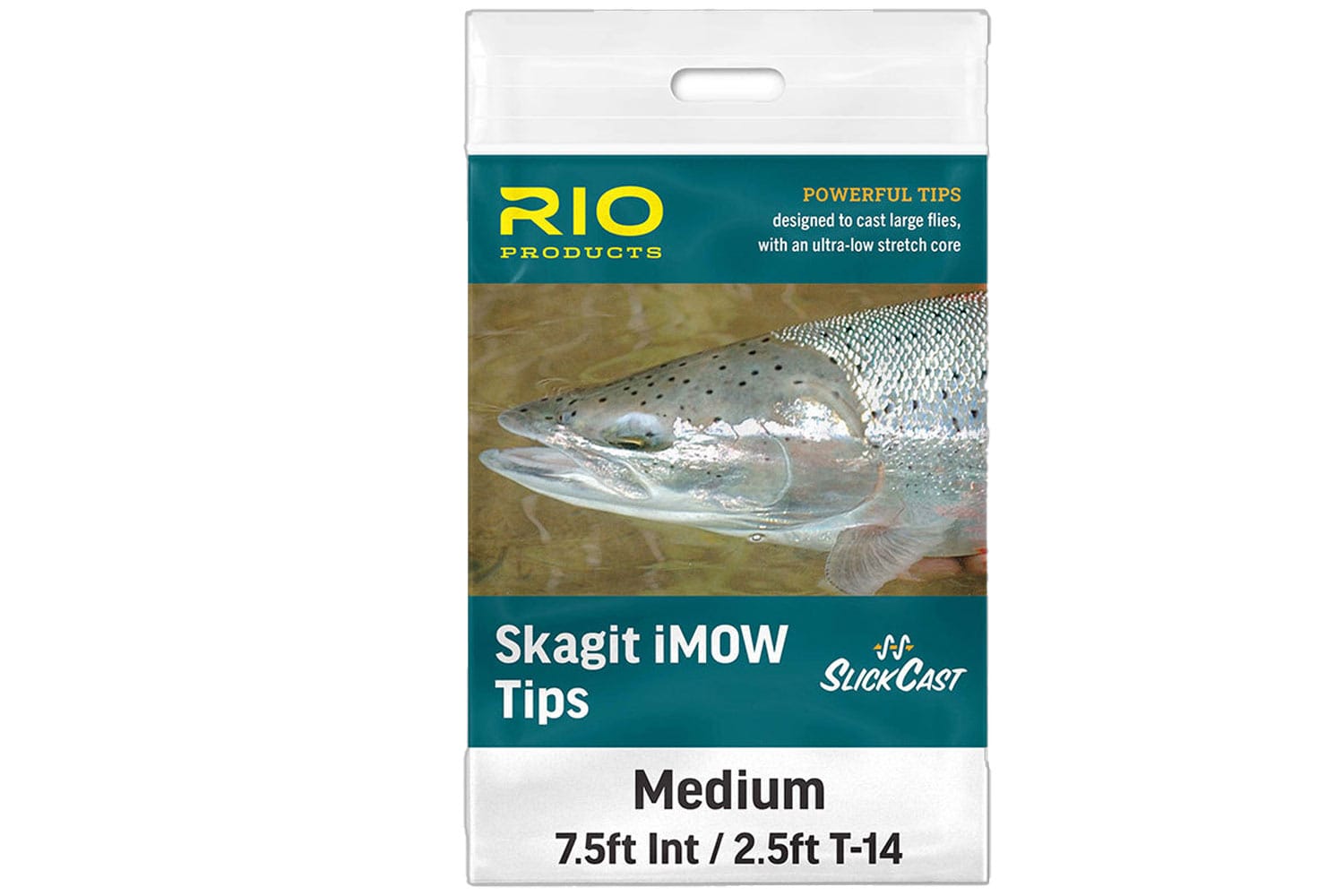
- Best for Smooth Depth Transitions: Rio Skagit iMow Medium Tip - For anglers who like an intermediate “rear” section to help manage the transition between head and a fast-sinking front. It’s a strong choice when you want depth without the hinge feel some full-floating head/heavy-tip combos can create.
How to Choose Spey Tips
Match your head (Skagit vs. Scandi) before you pick sink
Action: Start by confirming what your shooting head is built to throw. Skagit heads are designed to cast heavier sink tips and larger flies, while many Scandi setups fish best with lighter polyleaders and slimmer tips.
Best for: Skagit + heavier tips for winter steelhead/salmon and bigger flies; Scandi + lighter tips for smaller flies and a more touch-and-go feel.
Choose length for casting control (not just depth)
Action: Tip length affects how the system anchors and turns over. Shorter tips can feel easier in tight quarters and help keep casts snappy; longer tips can provide more stable depth and swing shape, especially with longer rods.
Avoid if: You’re consistently sticking anchors or blowing anchors, often a sign the tip length/density (or total grain load) isn’t matched well to your head and casting tempo.
Pick density by the job: presentation lane, swing speed, and bottom contact
Best for: Floating and intermediate tips when you’re fishing higher in the column, swinging smaller flies, or slowing your hang-ups on shallow structure. Faster-sinking tips (including Level T) are the move when you need to reach the strike zone quickly in heavier current.
Practical note: Many anglers build a small system of 3, 5 tips (floating, intermediate, and a few sink options) and rotate based on run depth and flow.
Grain weight and rod feel matter as much as sink rate
Action: Match the tip’s grain weight range to your head’s recommendation. If the system feels clunky, hard to lift, or inconsistent through the sweep and delivery, you’re often over-tipped (too heavy/too long), under-tipped (doesn’t load), or mismatched in density.
Why Spey Tips Matter
Spey tips are the fastest way to change fishing depth on a two-hand system without swapping your entire line. A quick loop-to-loop tip change lets you go from a near-surface swing to a deeper presentation in minutes, which is exactly what you need when flow, temperature, and fish location change run to run.
Compatibility
- Connection style: Most modern Spey tips attach via loop-to-loop to a shooting head, then you add a short leader/tippet section off the tip.
- Head match: Pair Skagit tips with Skagit heads and lighter, more tapered options with Scandi-style fishing whenever possible.
- Leader planning: Keep leaders shorter for heavy tips and larger flies to maintain turnover and depth control; lengthen up when fishing lighter tips and smaller patterns.
- Cold-water handling: In winter, prioritize systems that stay manageable in cold temps and avoid coils and memory that cost you distance and control.
Complete Your Setup
Related Gear
- Spey Lines - Your tips are only as good as the head they’re matched to, whether you’re building a Skagit or Scandi system.
- Skagit Fly Lines - The cleanest pairing for heavier sink tips and bigger flies in deeper, faster runs.
- Scandi Fly Lines - A better fit when you want smoother, more delicate turnover with lighter tips and smaller flies.
- Running Line - Essential for any shooting-head setup; choose based on handling, grip, and how much shoot you want.
Related Guides
Spey Tips FAQs
Q: What are Spey tips?
A: Spey tips are interchangeable front sections (floating, intermediate, or sinking) that loop onto a shooting head. They control depth and swing speed without changing your full line system.
Q: Are Spey tips the same thing as MOW tips?
A: MOW tips are a popular style of Spey tip, usually built in a set of fixed lengths and density combinations. They’re designed to make depth changes fast and repeatable with a Skagit head.
Q: How do I choose the right Spey tip length?
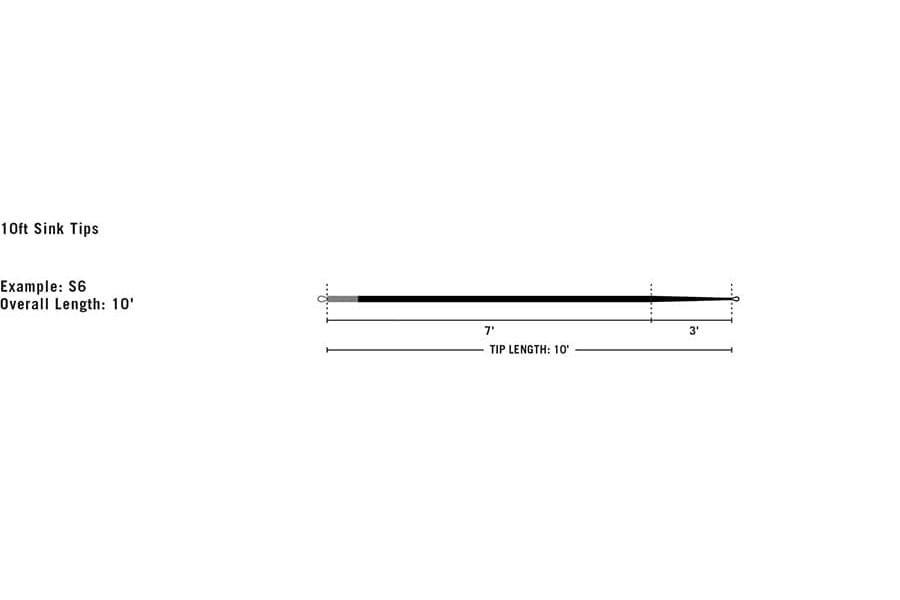
A: Start with a versatile middle ground (often around 10') and adjust based on how your rod loads and how the tip anchors. Shorter tips can feel easier and faster; longer tips can help stabilize depth and swing shape.
Q: What does “T-11” or “T-14” mean on Spey tips?
A: T-ratings refer to tungsten-impregnated sinking material where higher numbers are heavier and generally sink faster. They’re a common way to build fast-sinking Skagit tips for deeper, faster currents.
Q: Can I use Level T tips instead of tapered tips?
A: Yes, Level T is a common choice when you want maximum sink and a very direct feel. Tapered or multi-density tips can feel smoother through turnover and help manage the “hinge” between a floating head and a heavy tip.
Q: Do I need different tips for Skagit vs. Scandi?
A: Most of the time, yes. Skagit heads are built to throw heavier tips and bigger flies; Scandi heads are usually happier with lighter tips and more refined turnover.
Q: Why do my casts feel clunky when I add a heavier tip?
A: It’s often a mismatch between tip grain weight/length and your shooting head (or the way you’re timing the sweep and anchor). Dropping tip weight/length, or moving to a tip style with a smoother transition, usually fixes it.
Q: How long should my leader be off a Spey tip?
A: For heavier tips and bigger flies, keep leaders shorter to maintain turnover and depth control. For floating or intermediate tips and smaller patterns, you can lengthen the leader for a more relaxed presentation.