

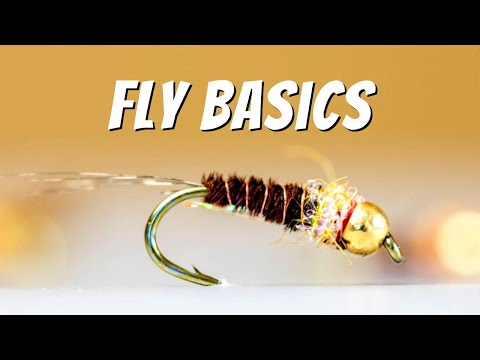
Fly Fishing Flies Explained (Streamers, Nymphs, Dry Flies & More)
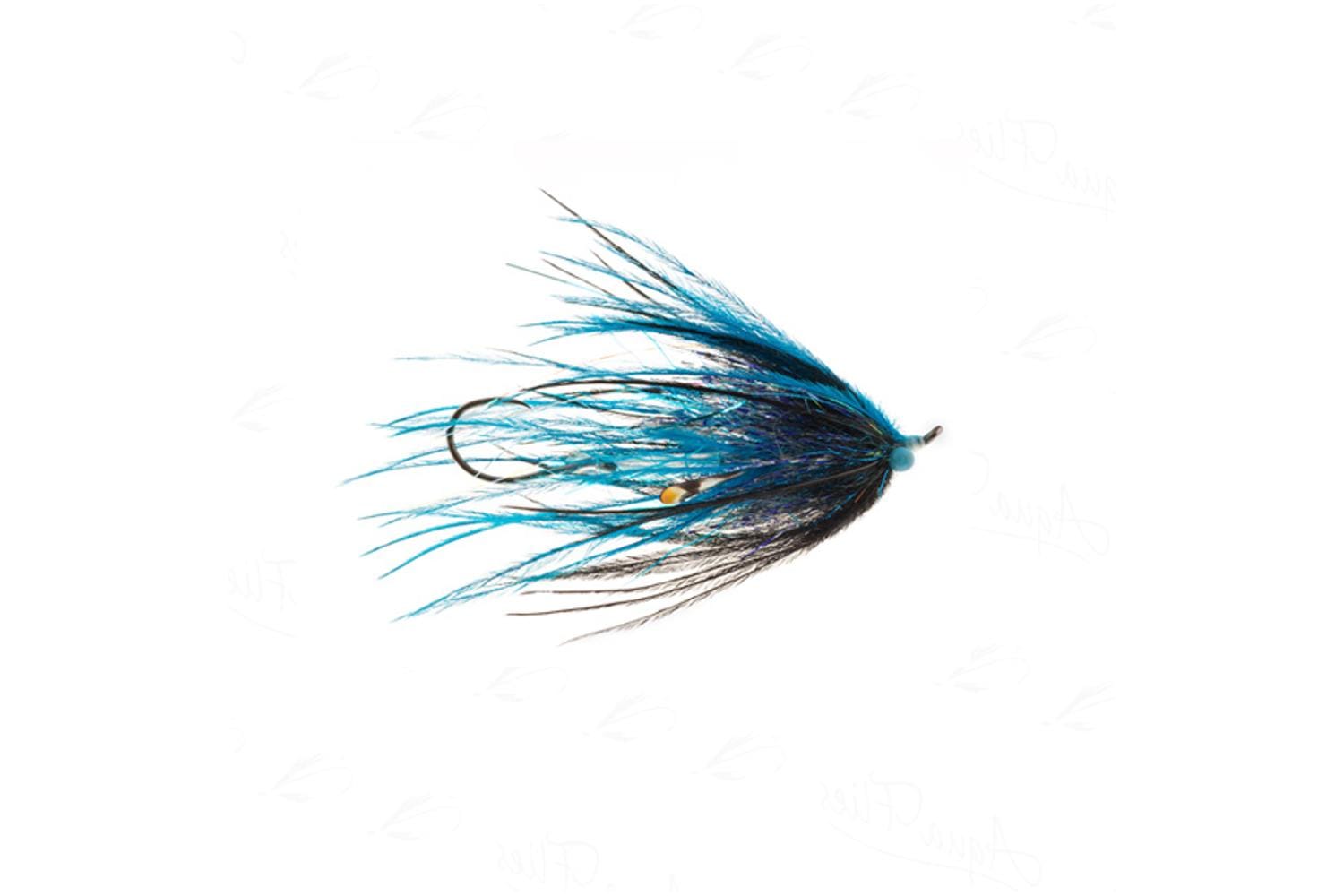
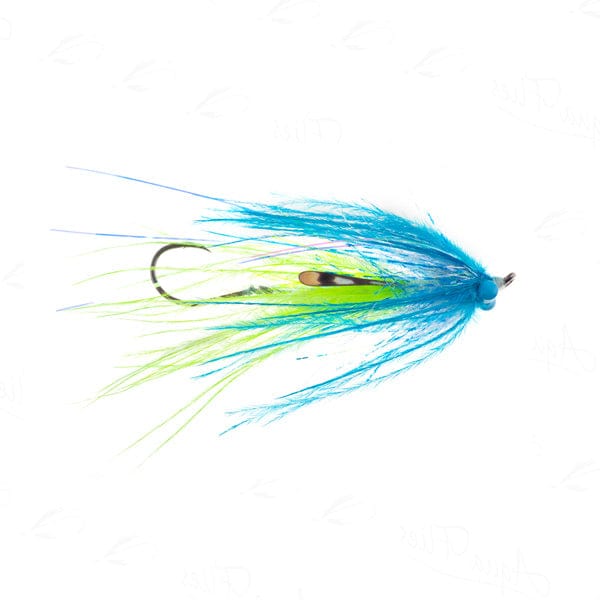
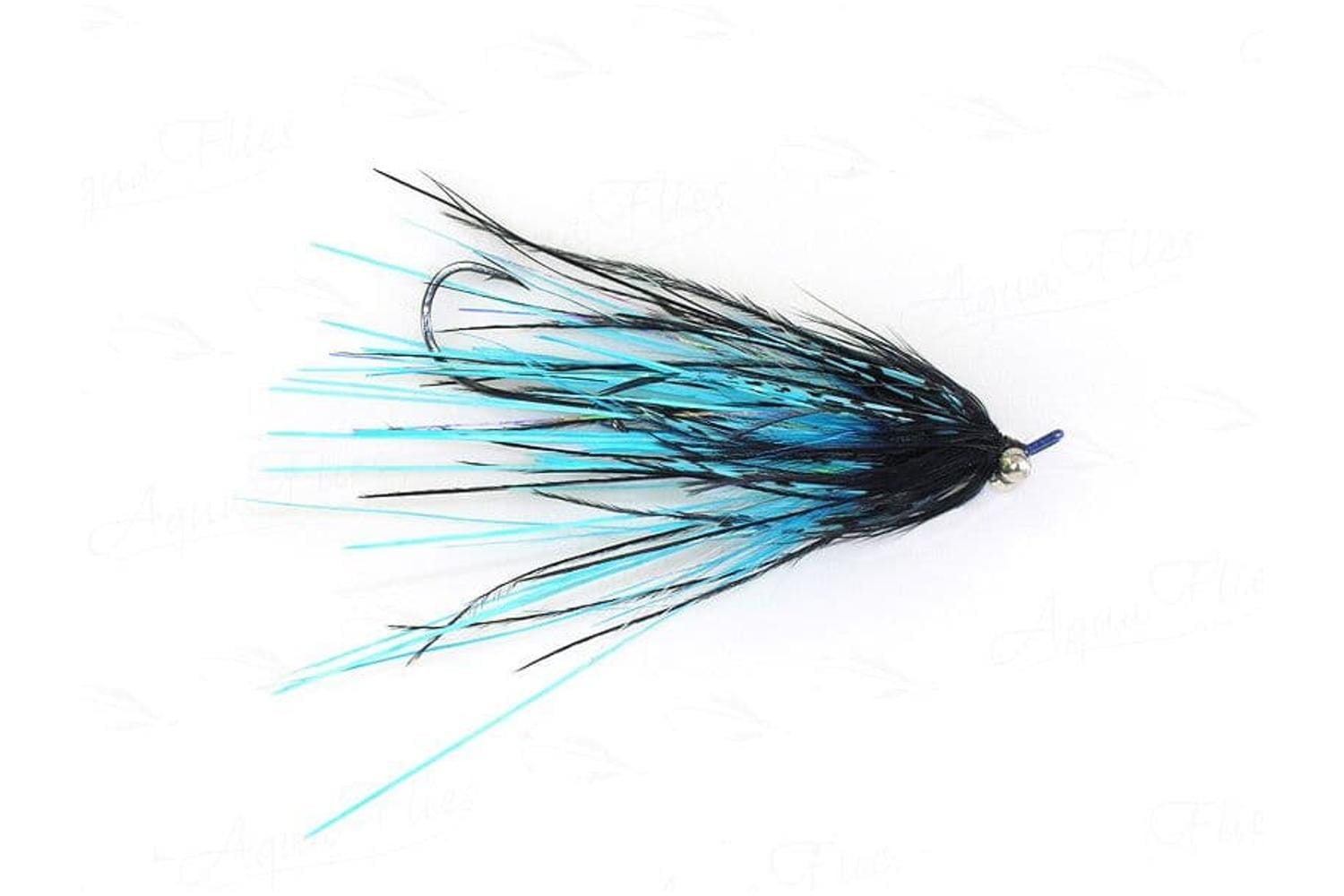
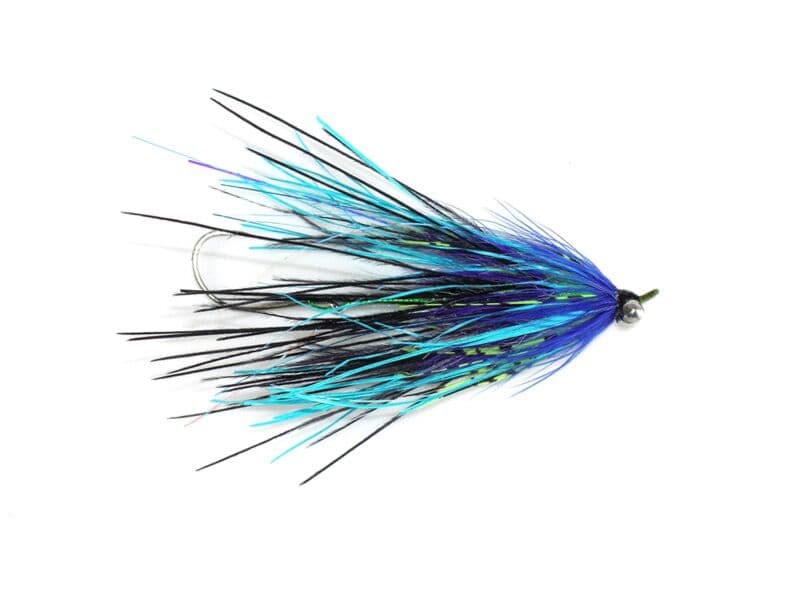
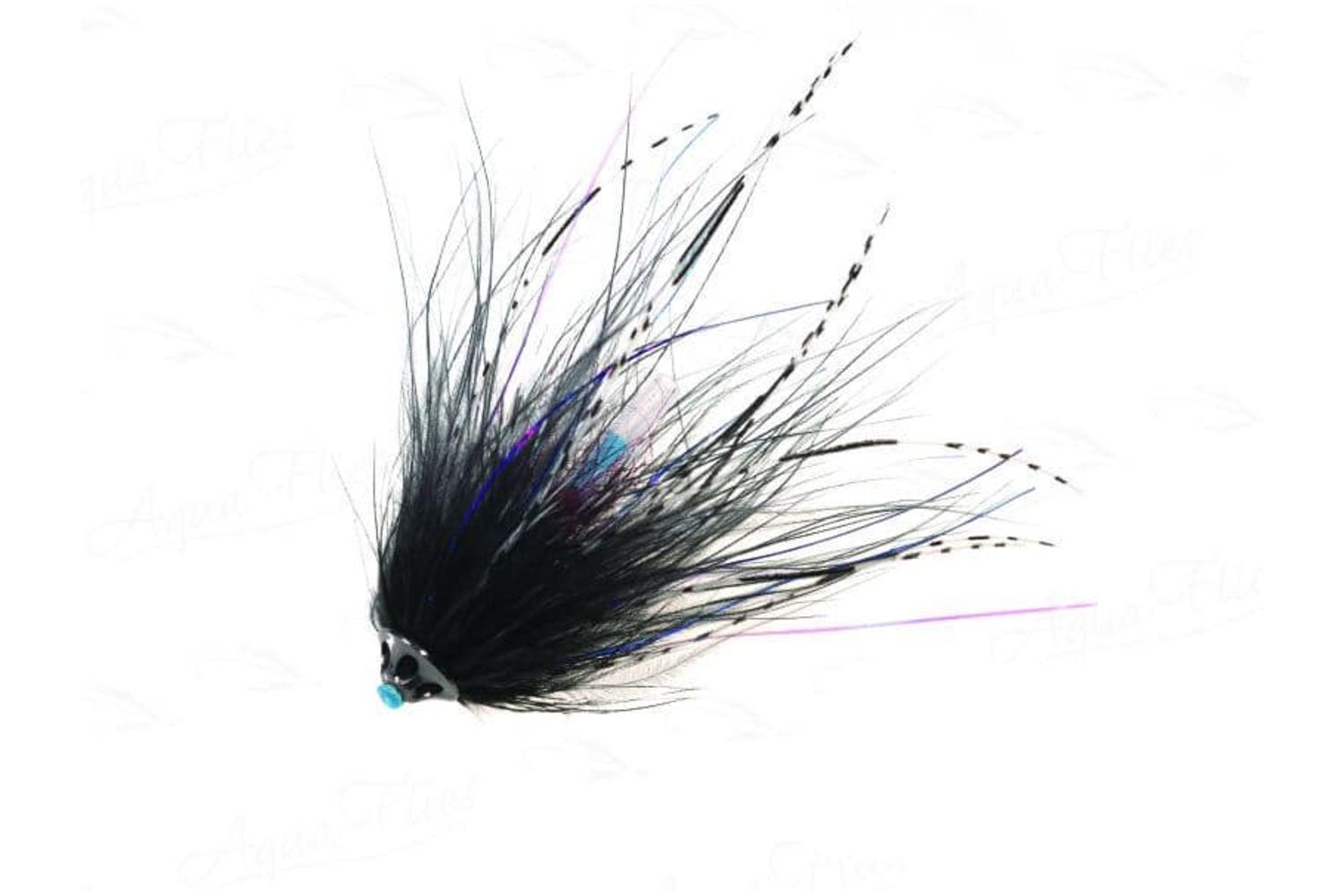
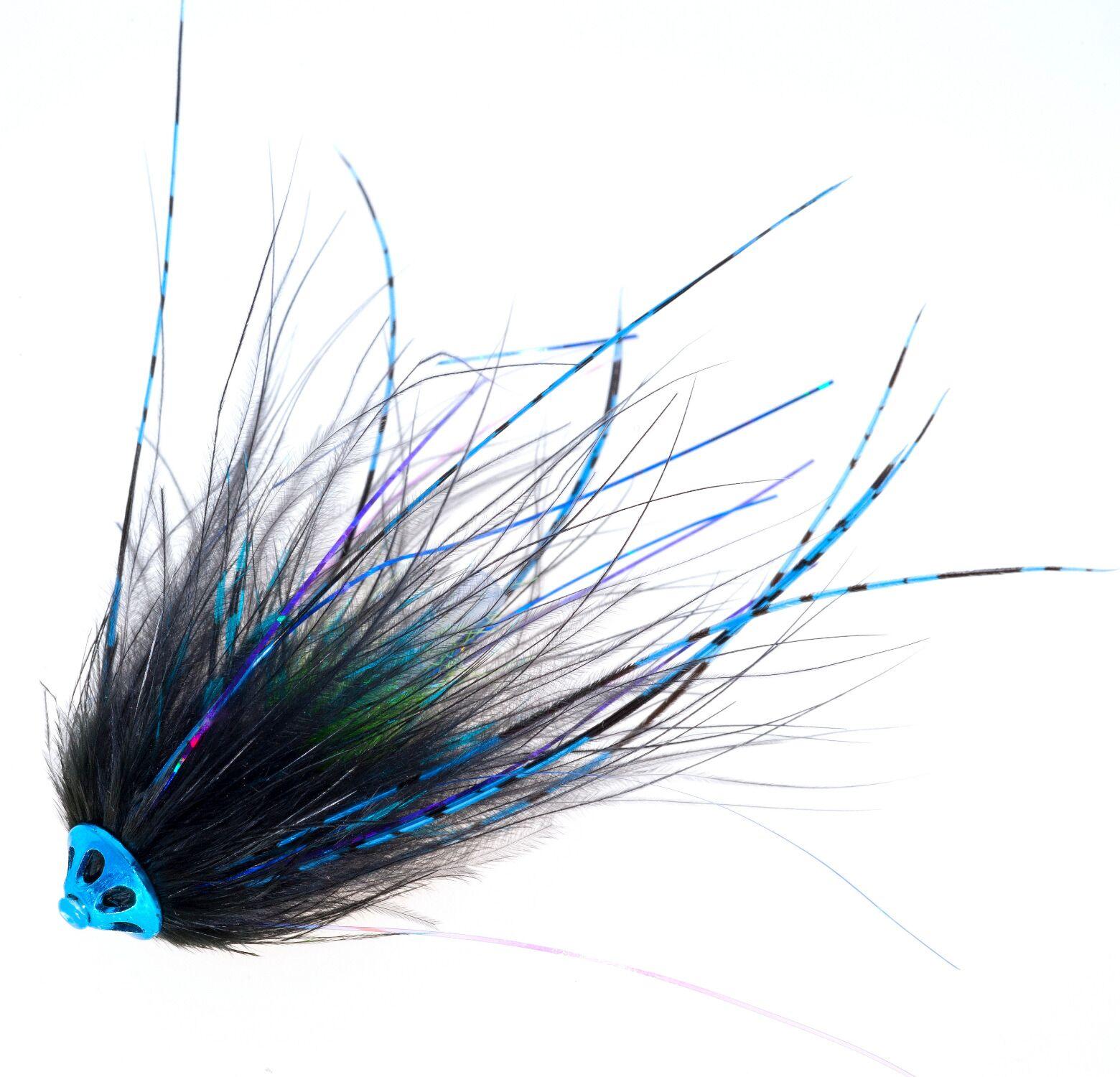
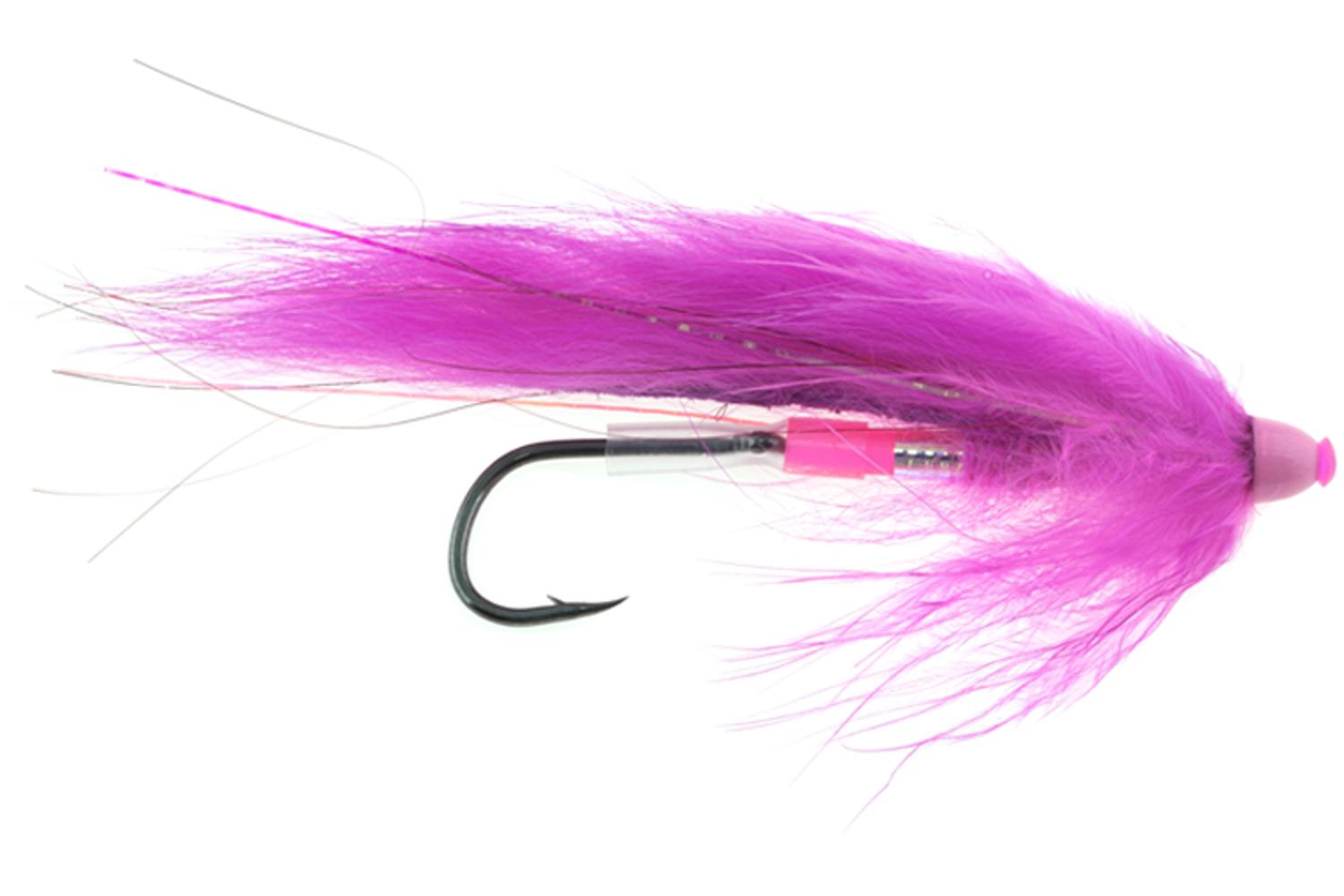
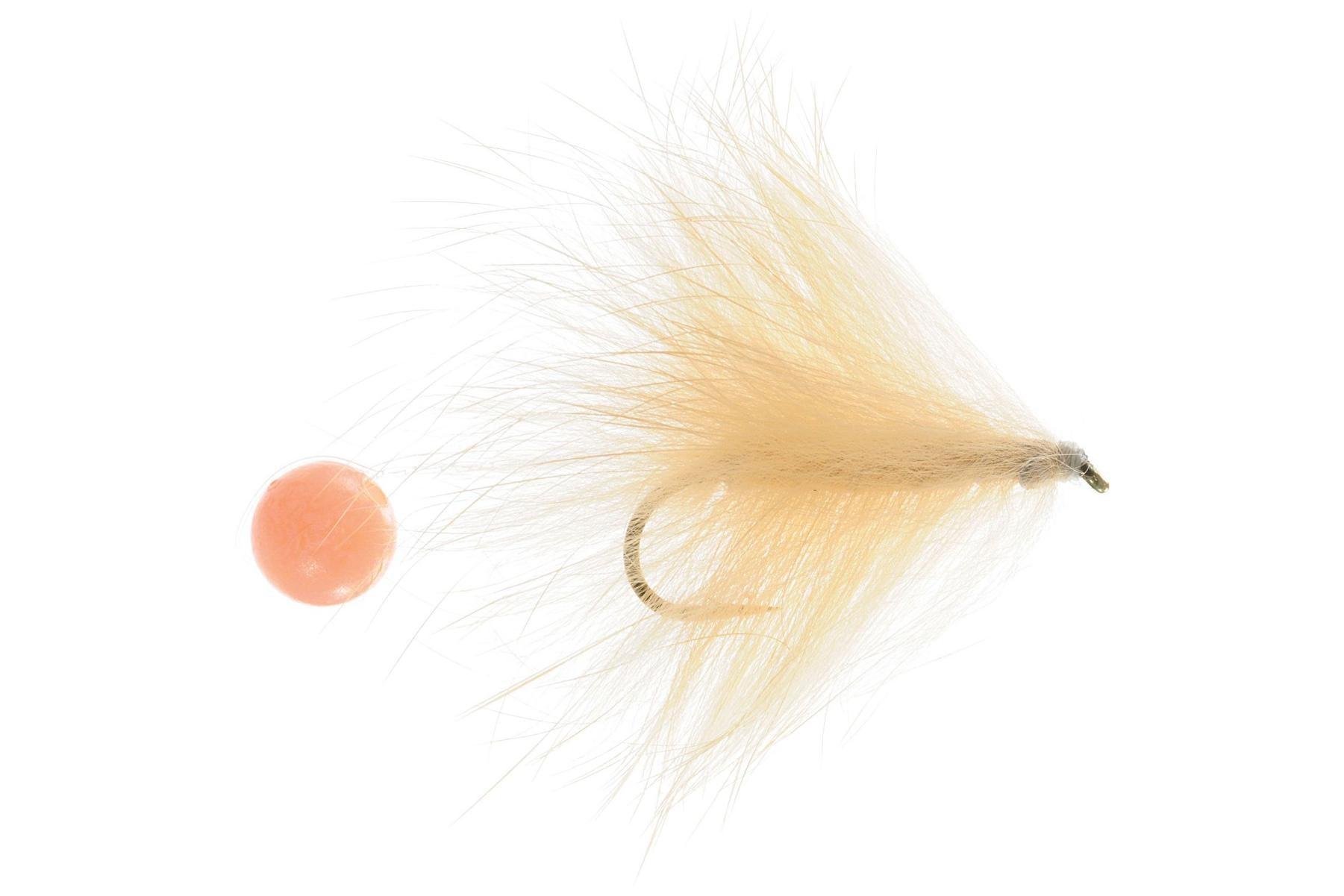
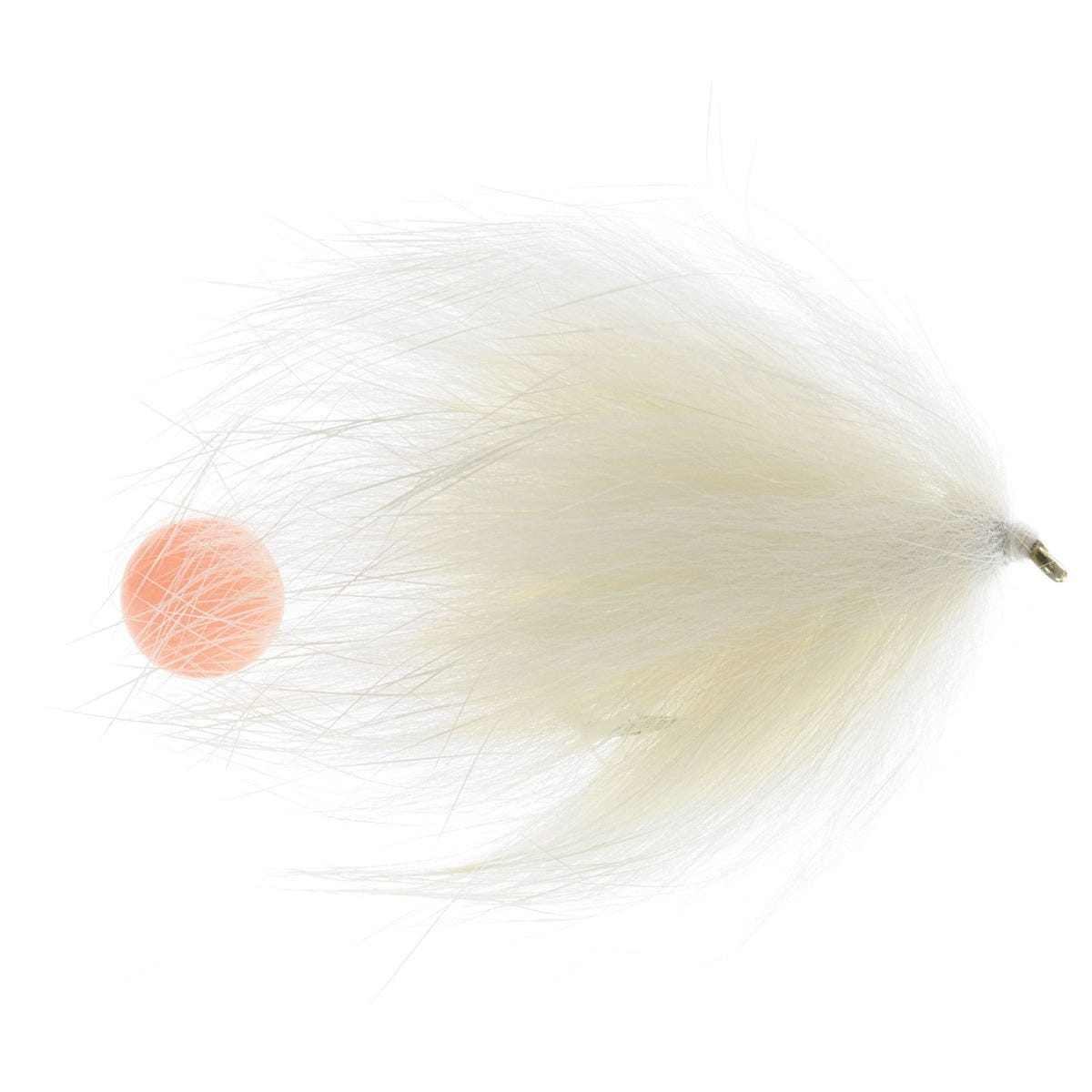
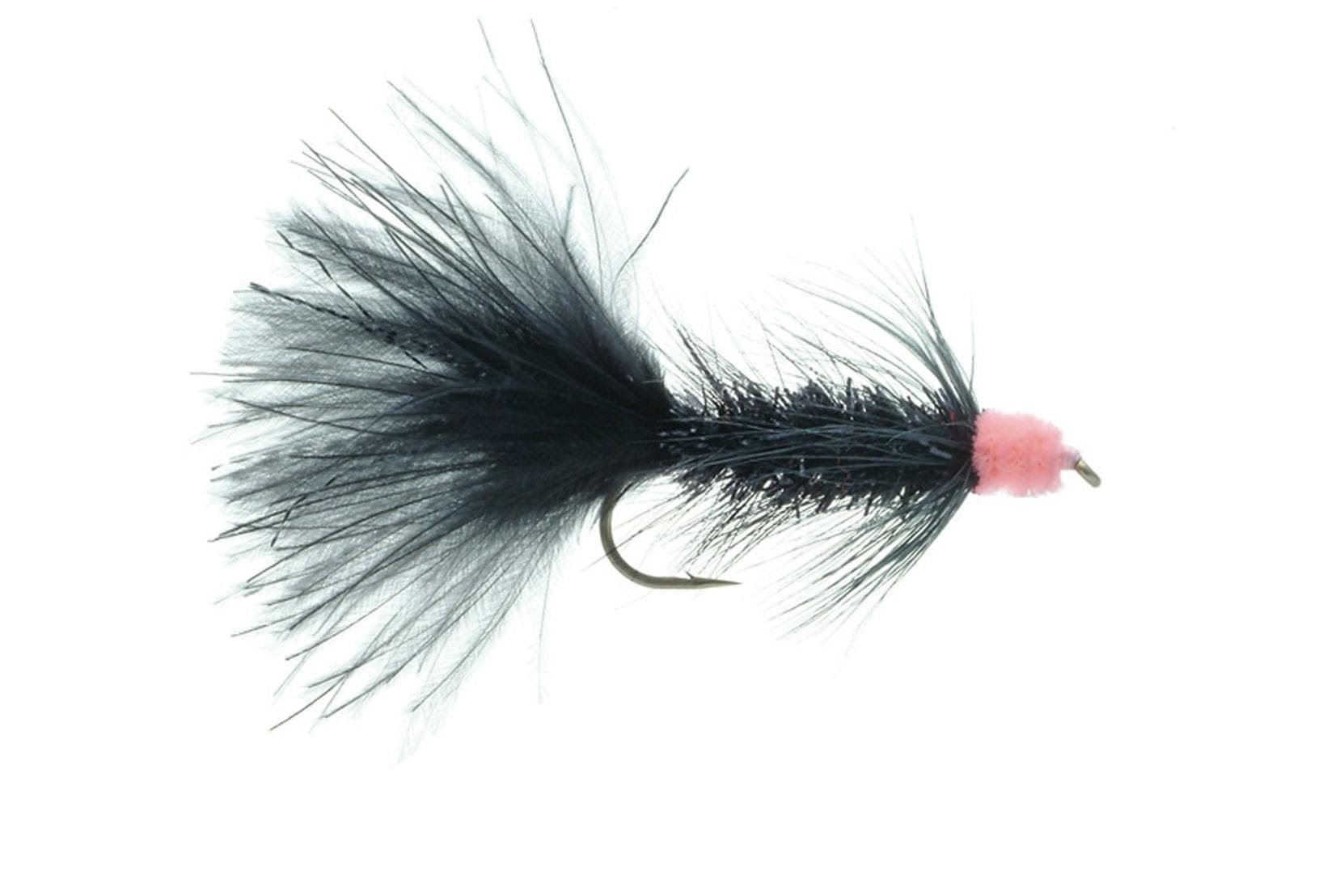
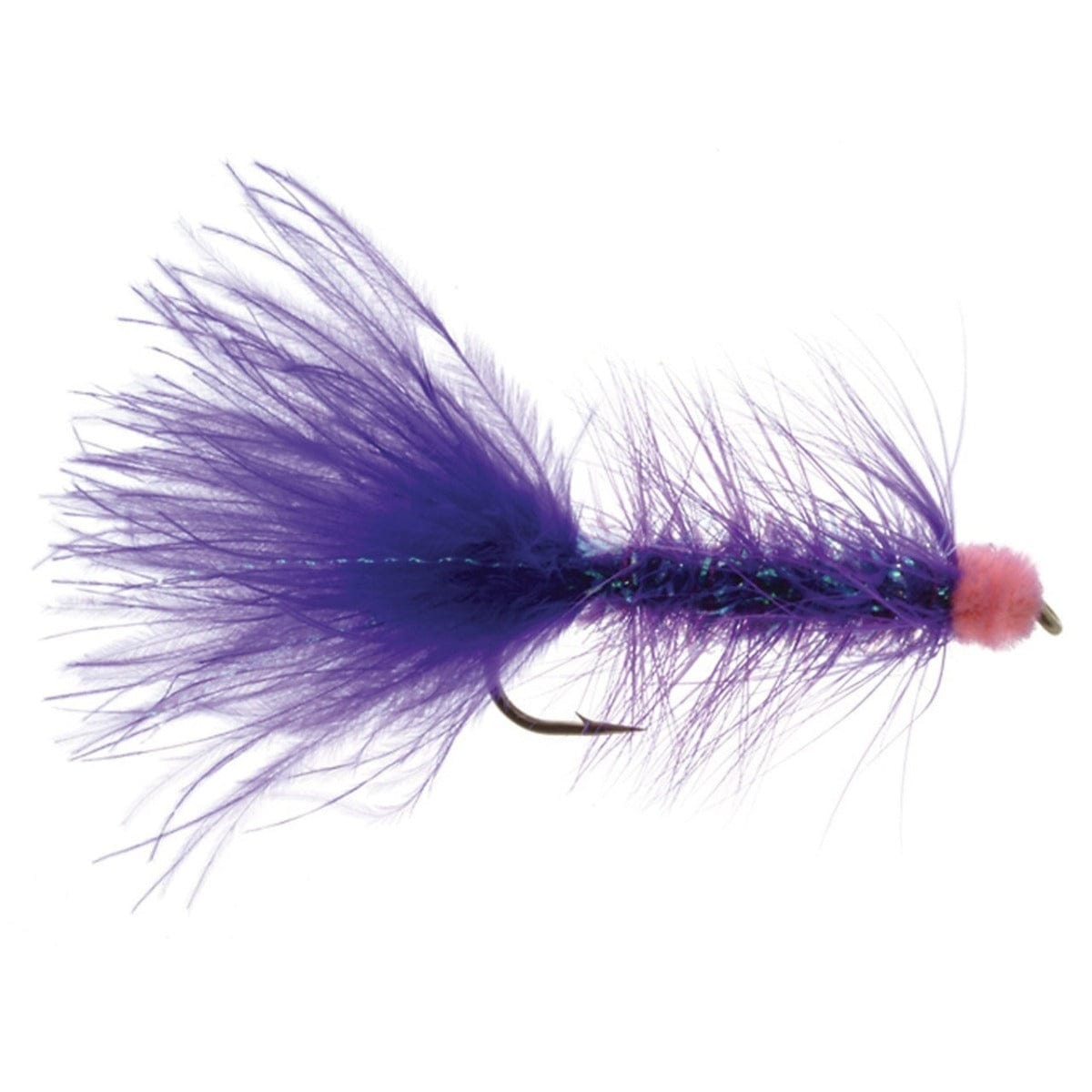
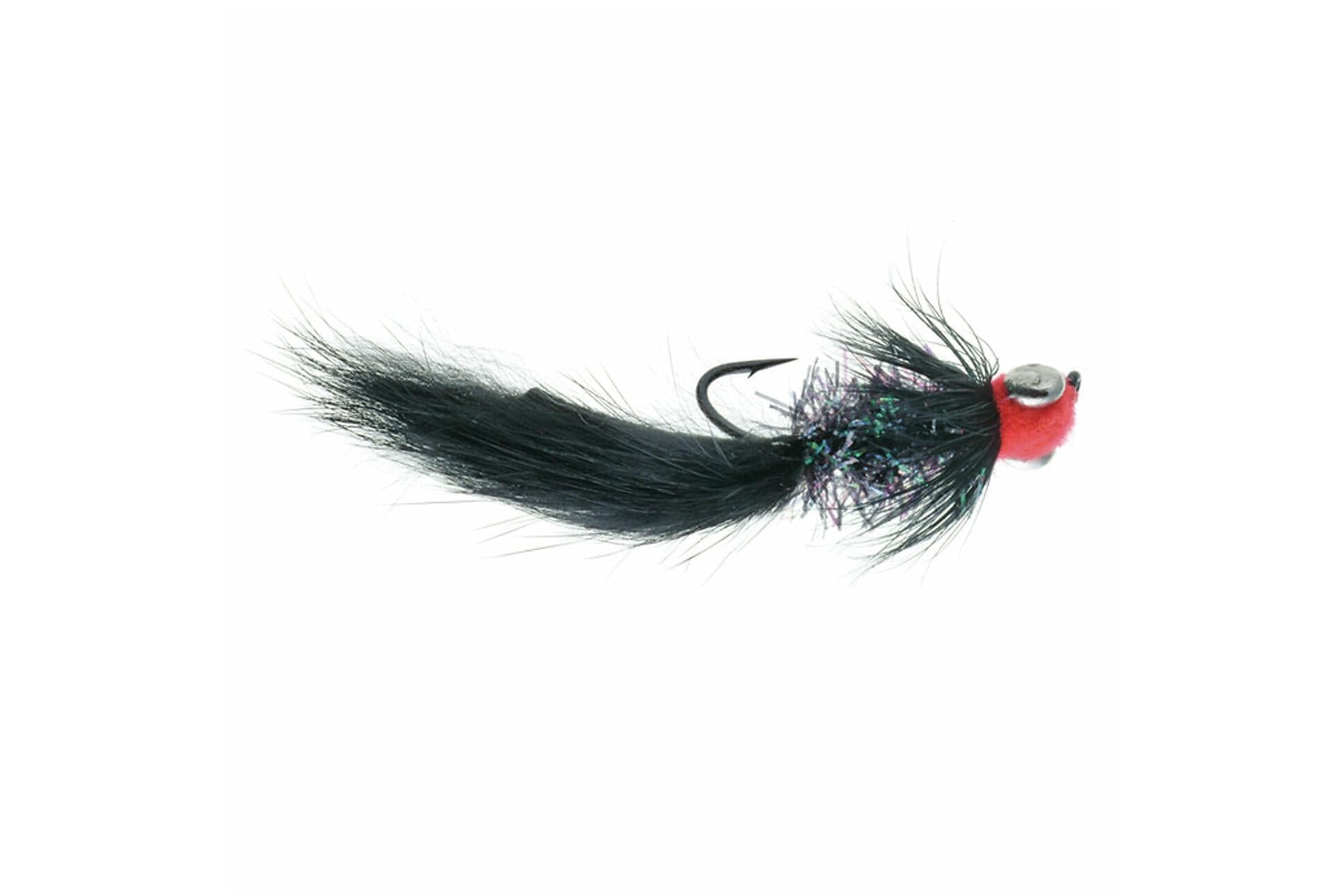
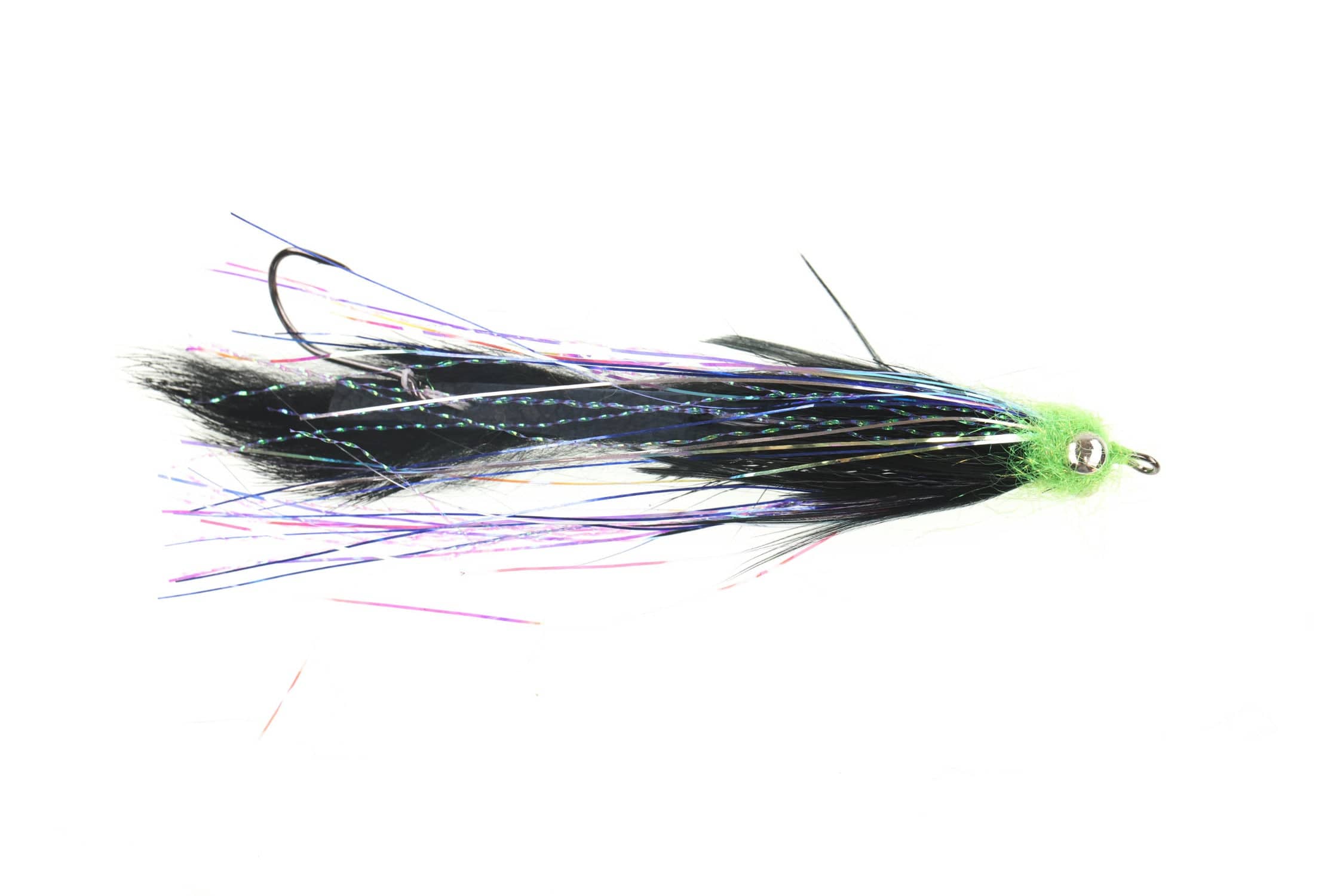
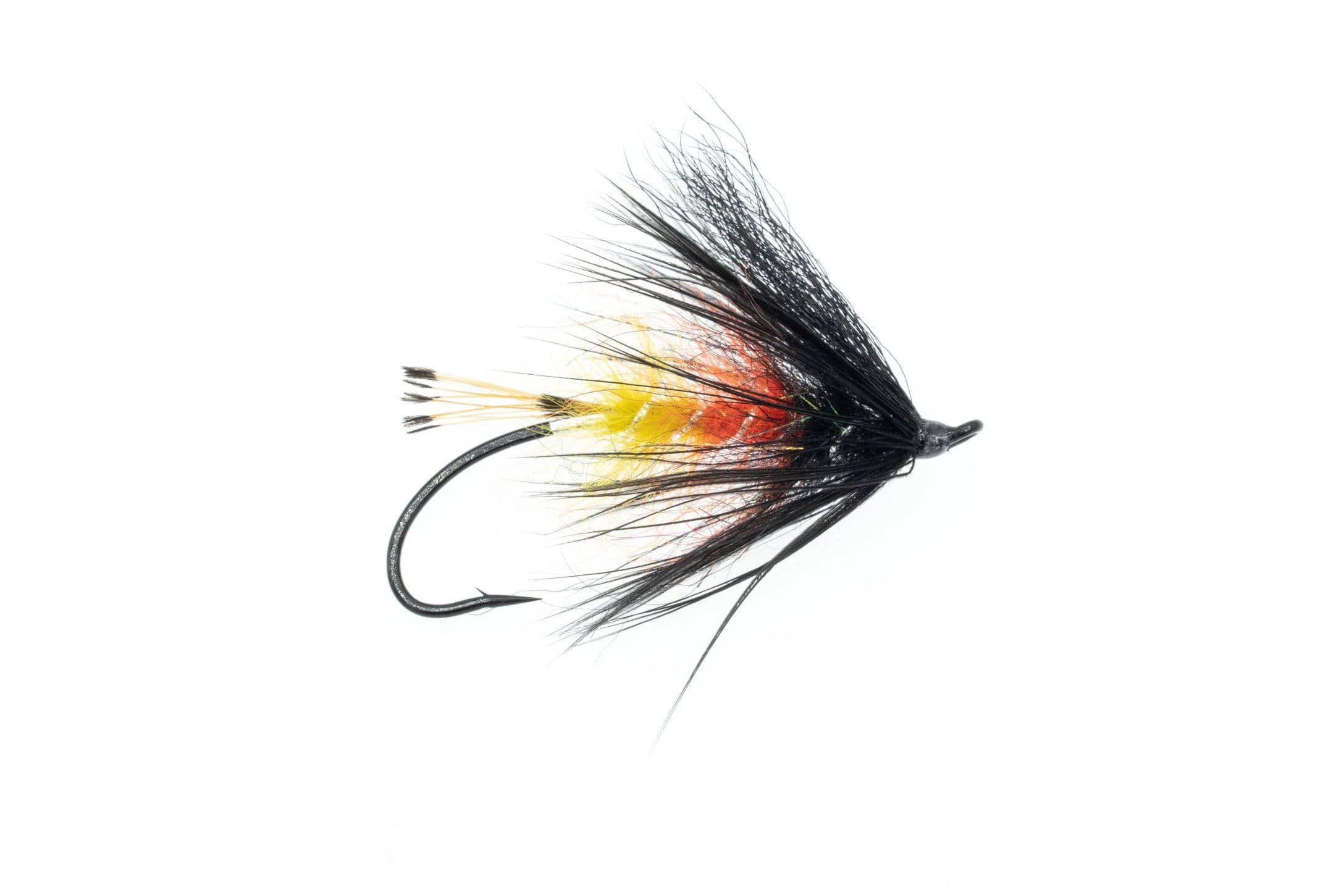
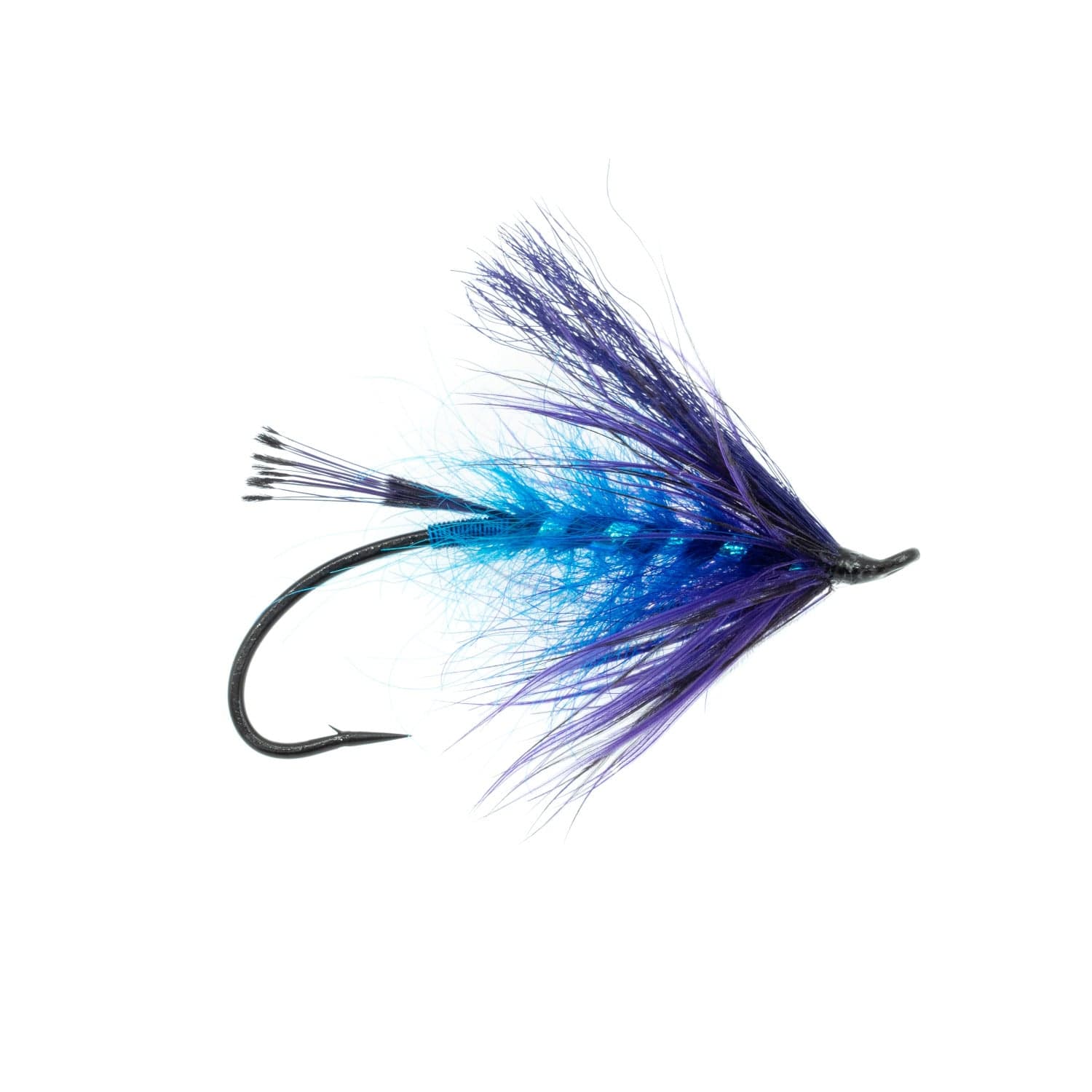
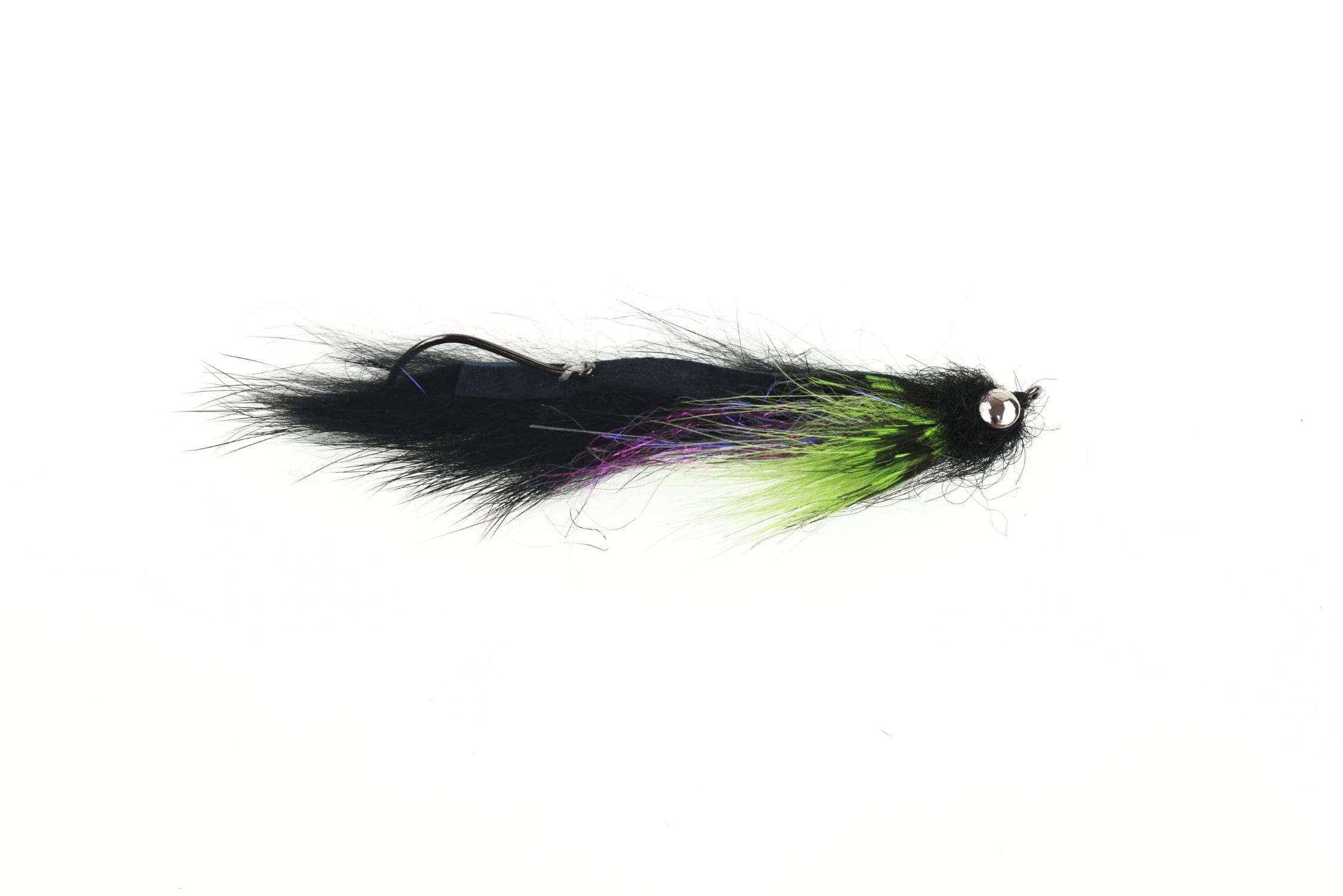
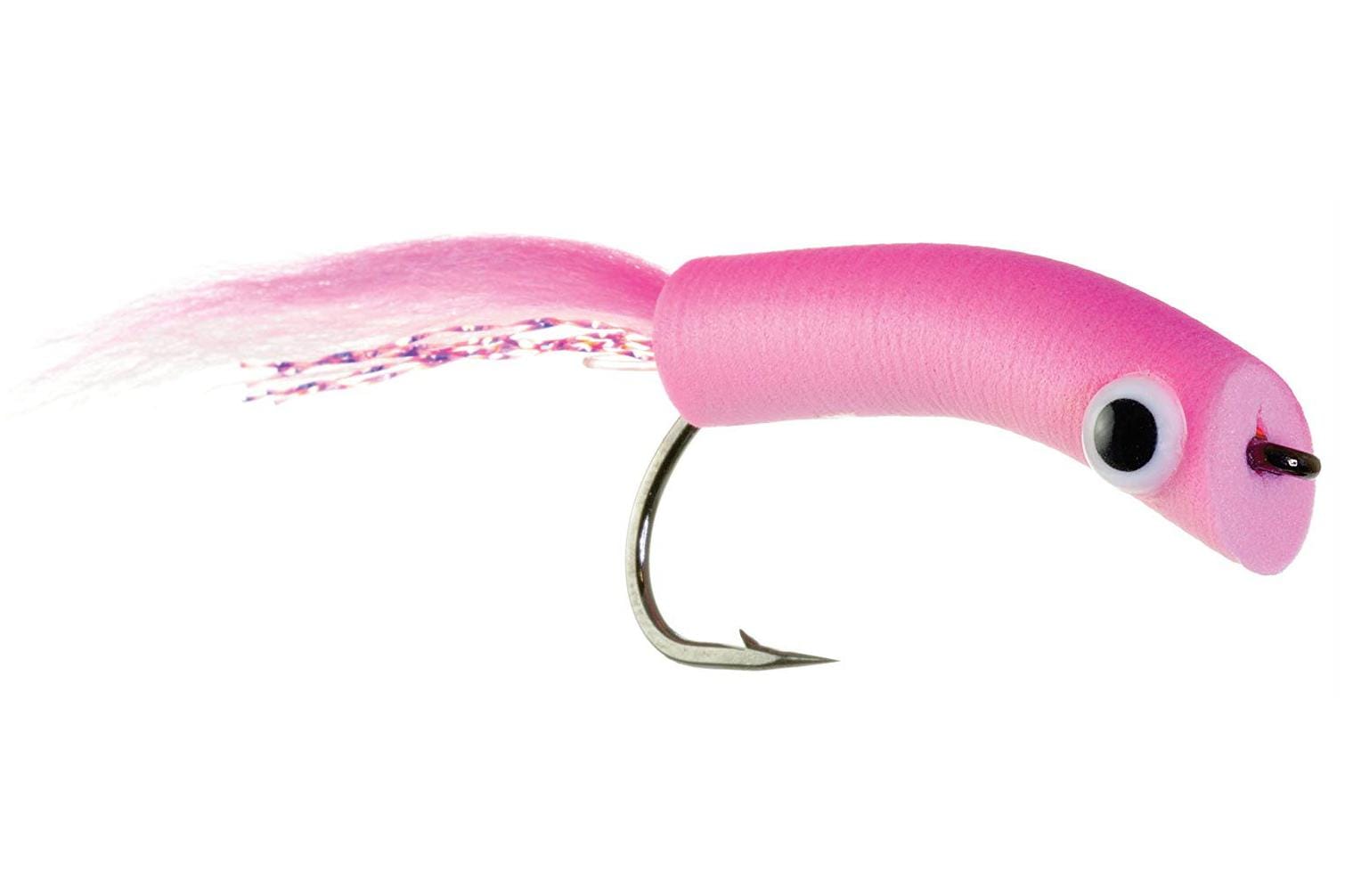
Pacific Salmon Flies Quick Picks
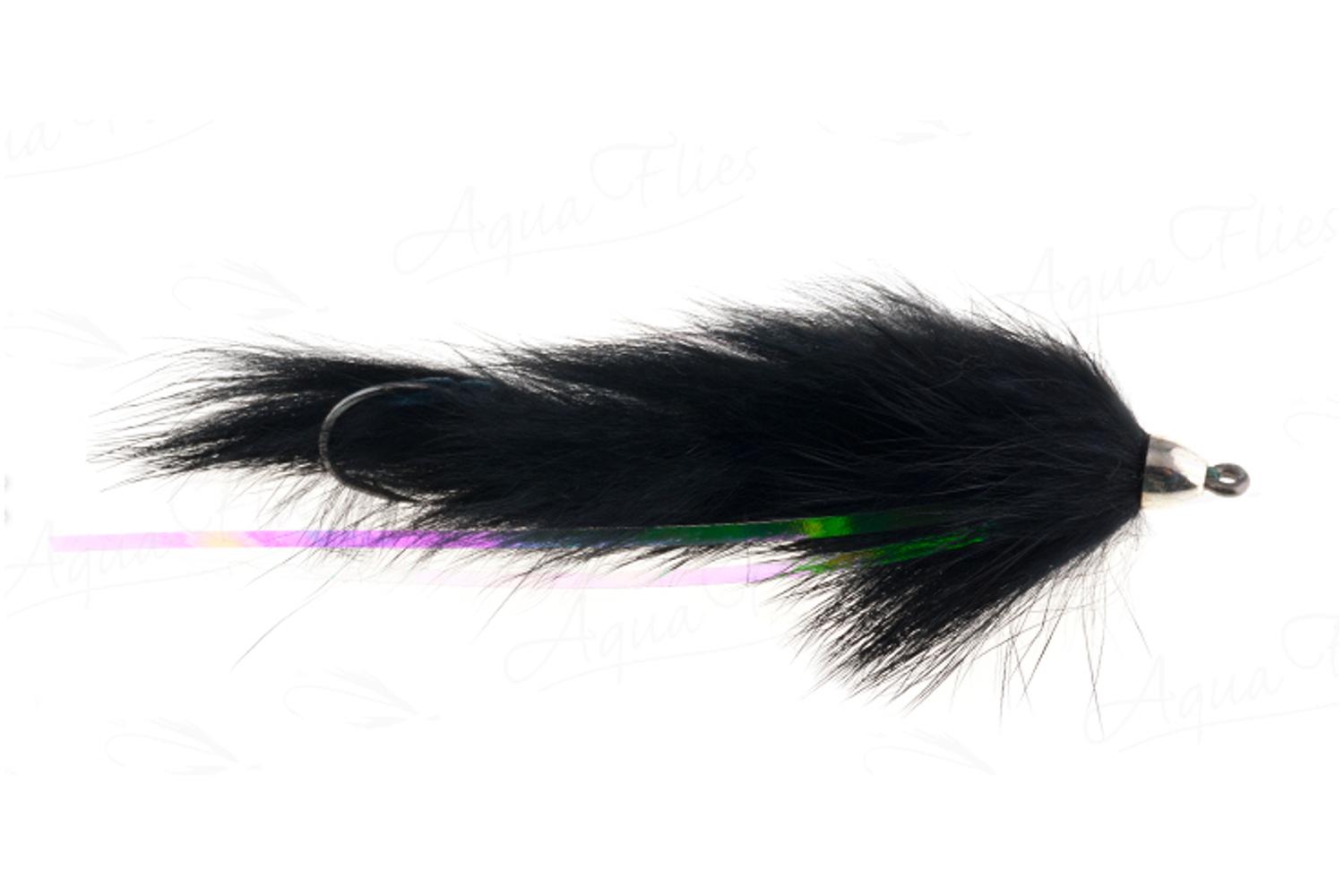
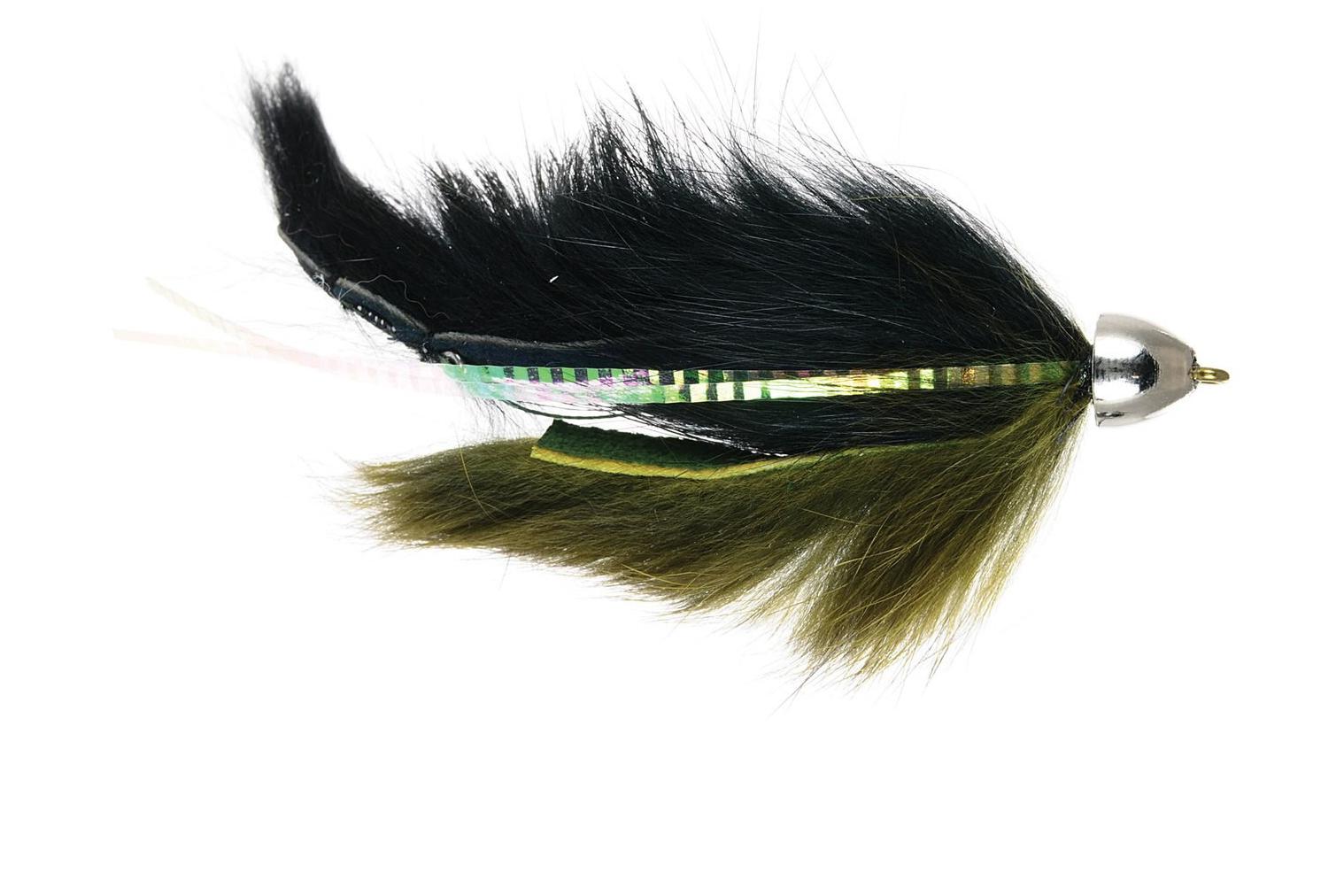
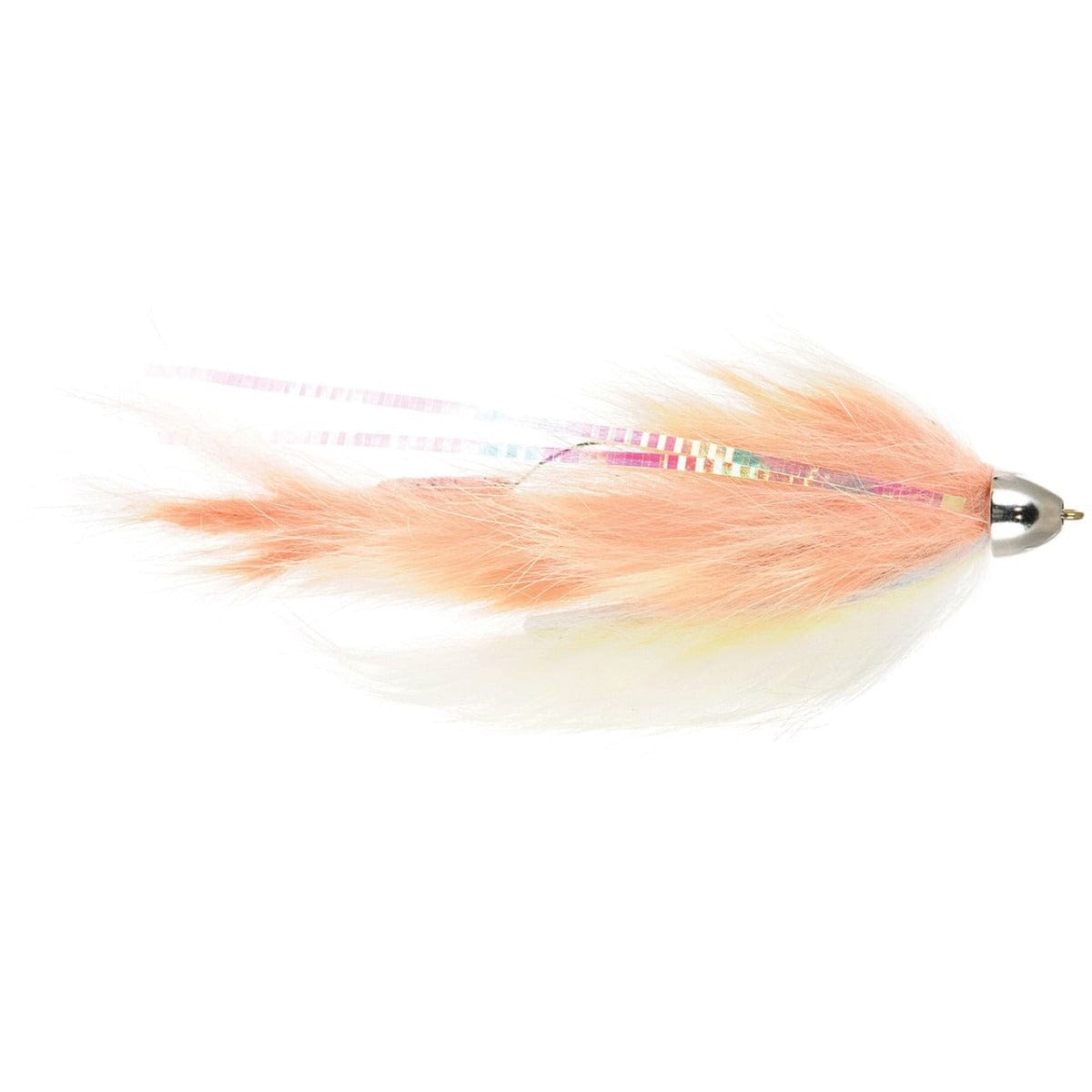
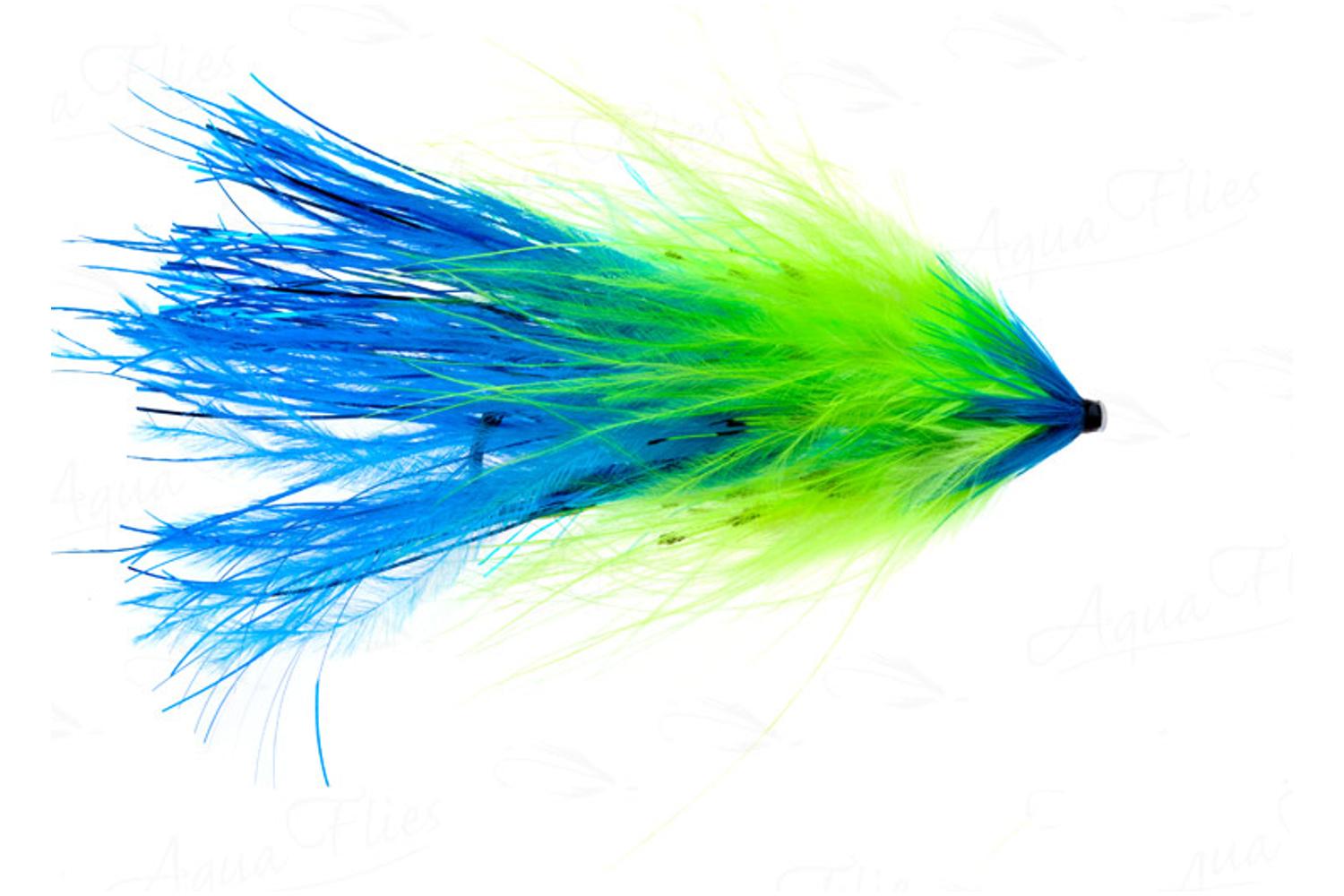
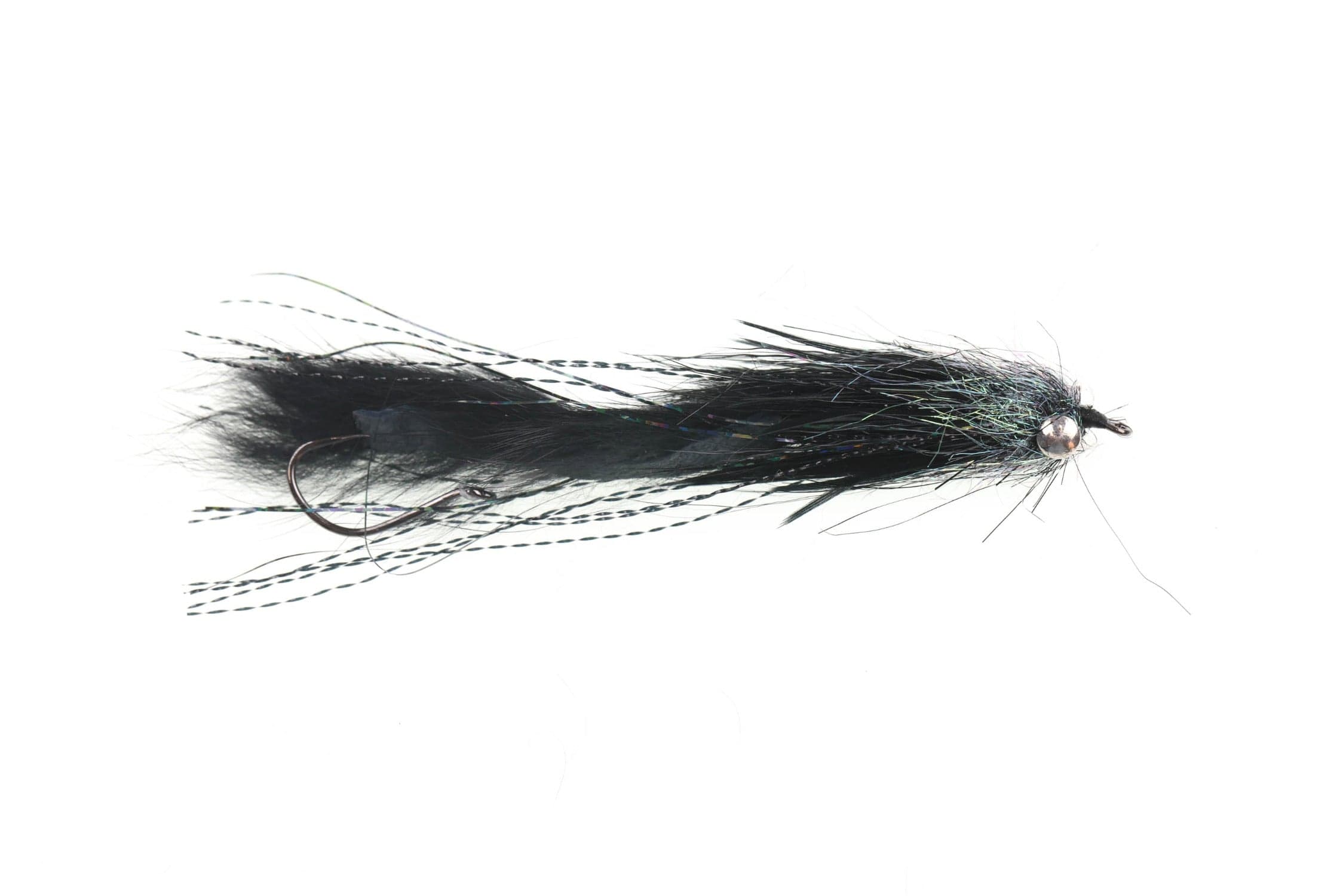
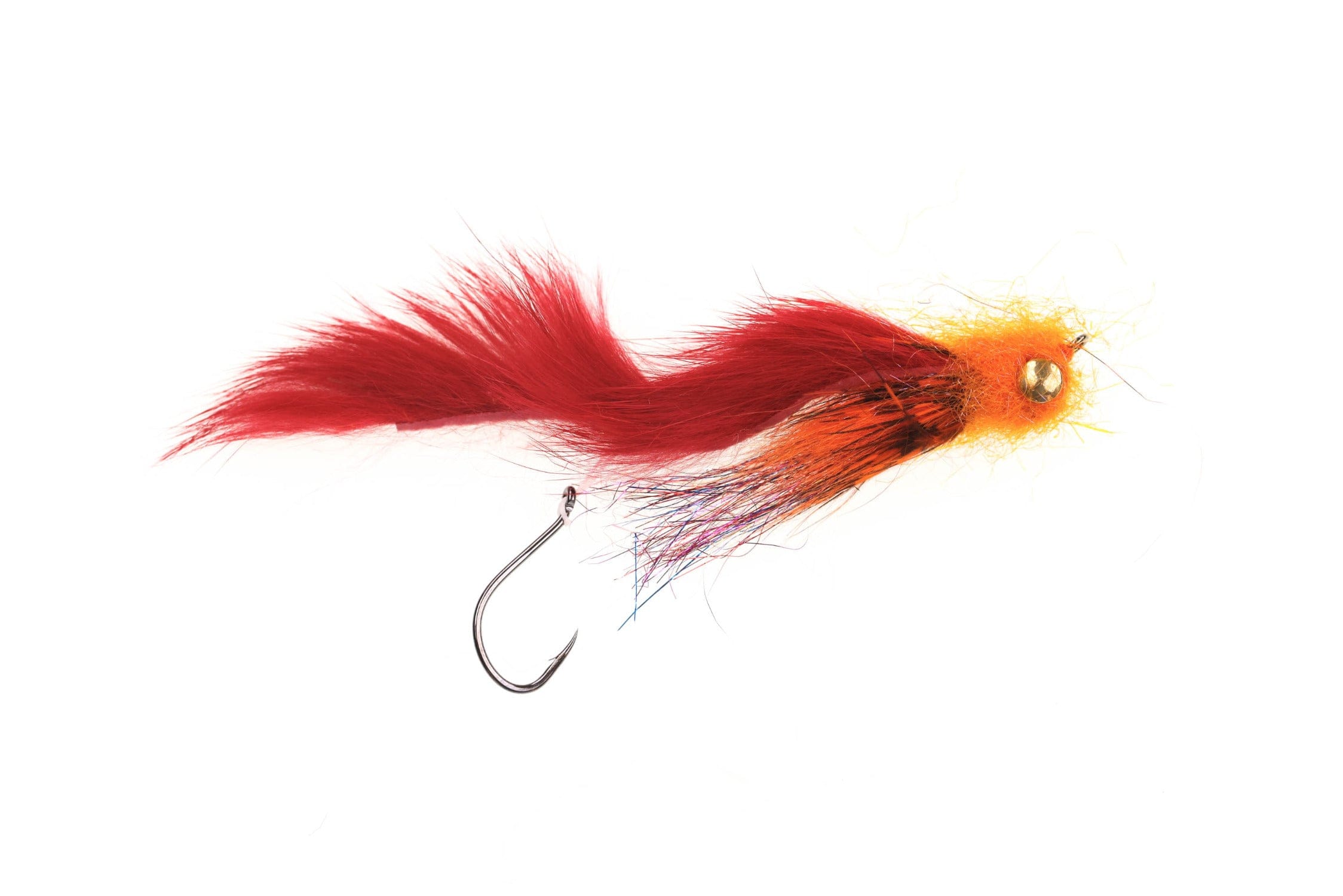
Best All-Around Streamer: Dolly Llama - A top choice for Alaska, this heavy articulated fly creates incredible movement that triggers aggressive strikes from Kings, Silvers, and large Rainbows. Its weighted head helps it get down fast in swift currents.
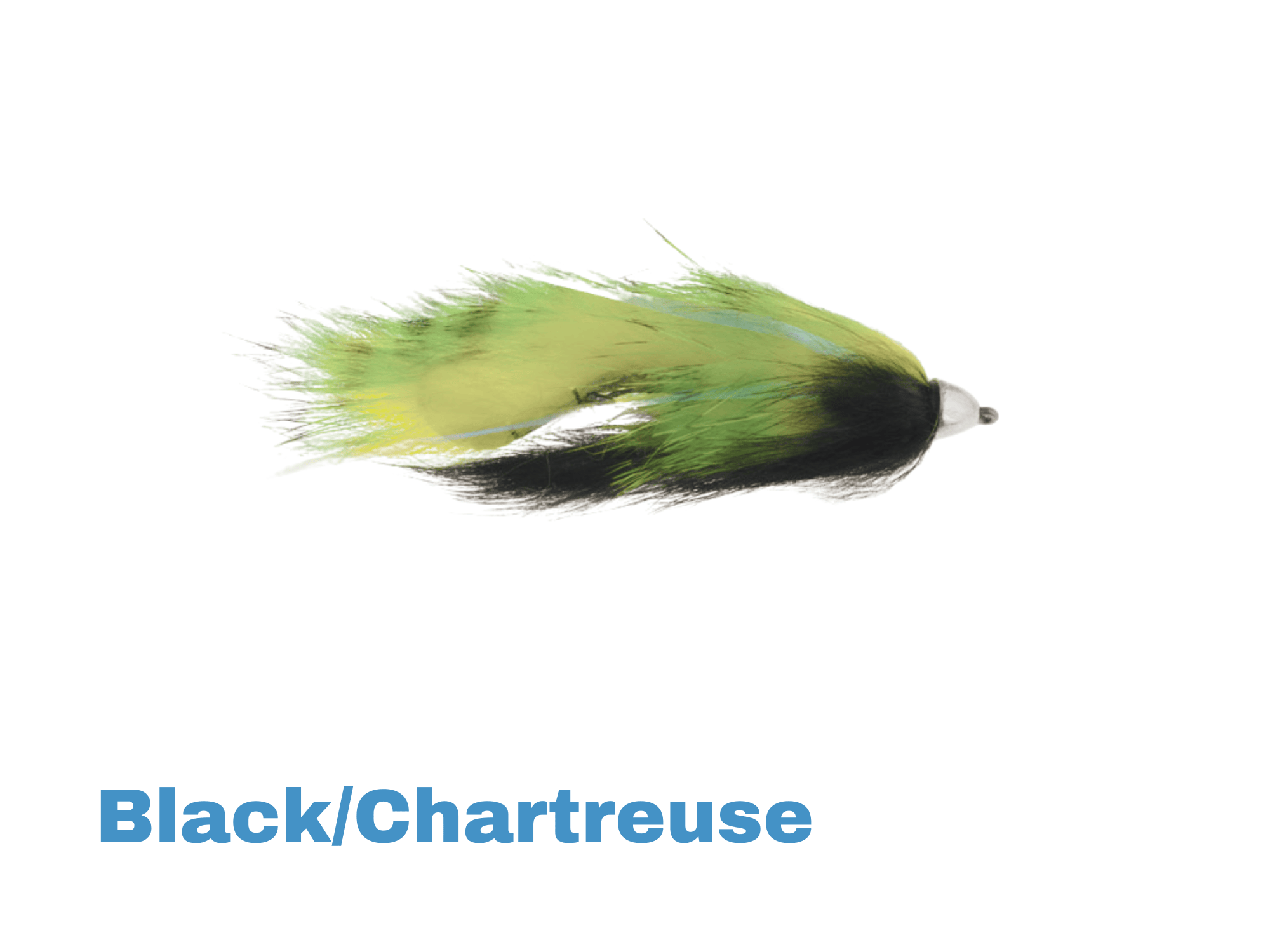
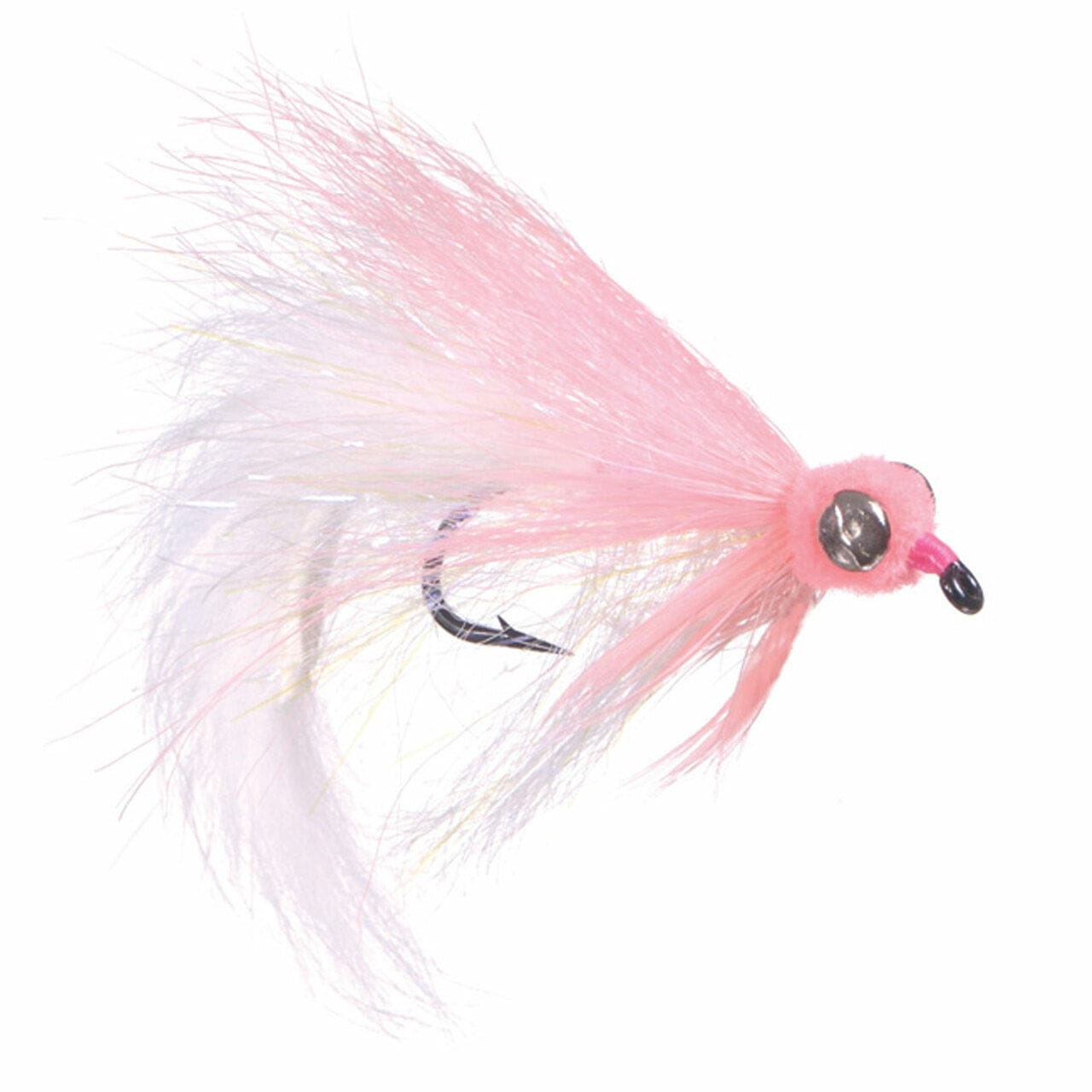
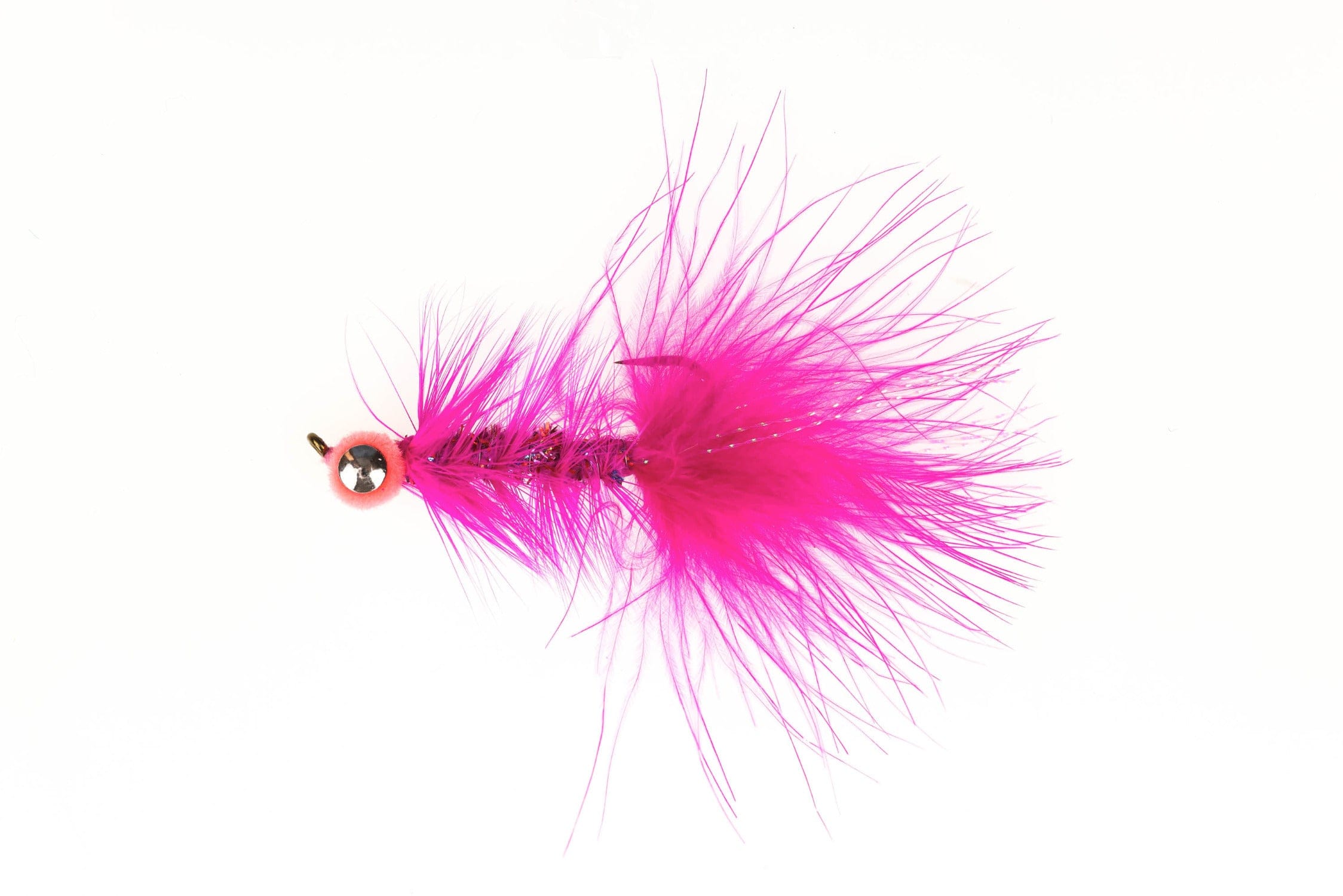
Best for Coho (Silver Salmon): Clouser Minnow - The erratic jigging action and flash of this pattern trigger the predatory instincts of Coho Salmon in both fresh and saltwater. Essential in Chartreuse/Pink or Pink/Purple color combinations.
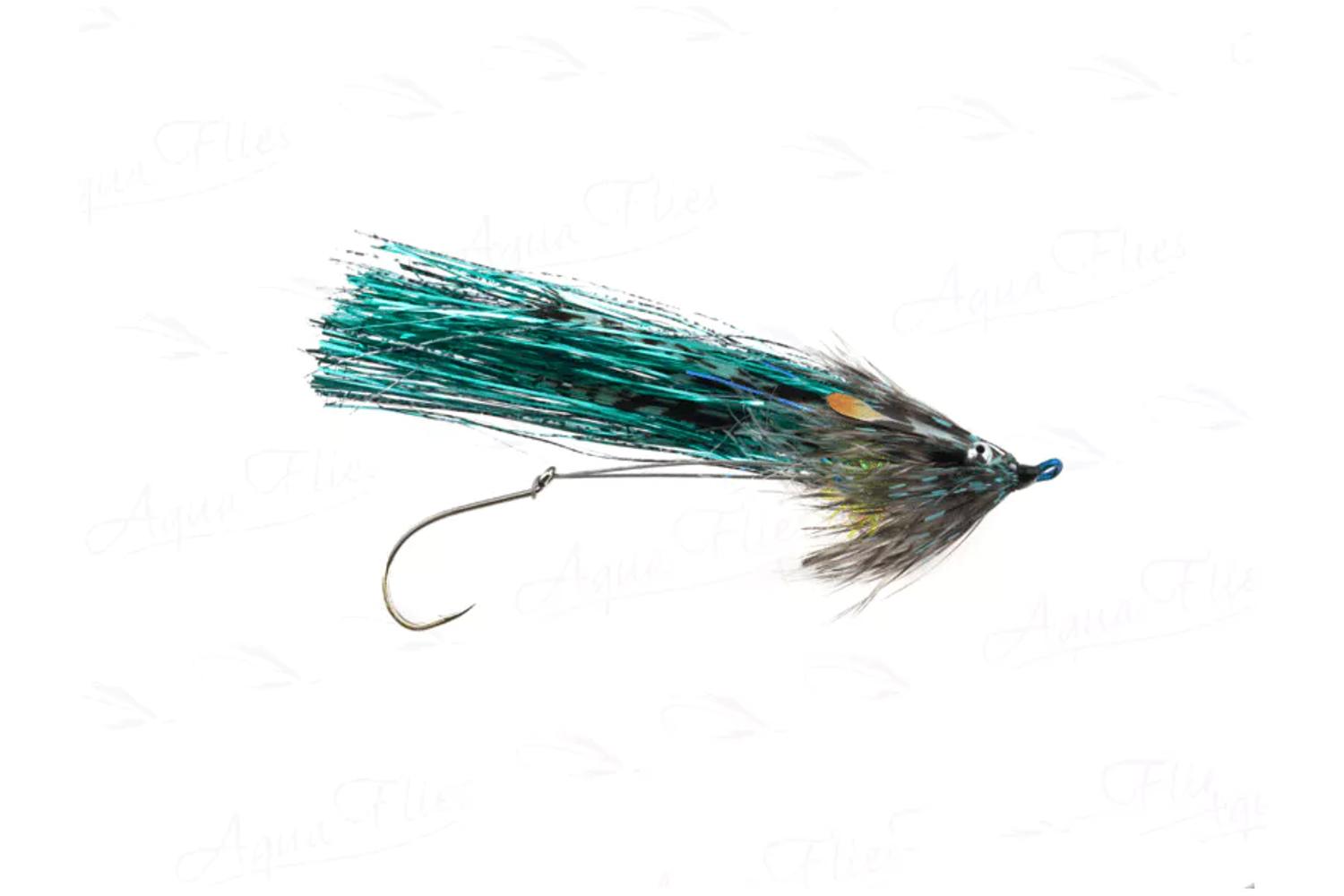
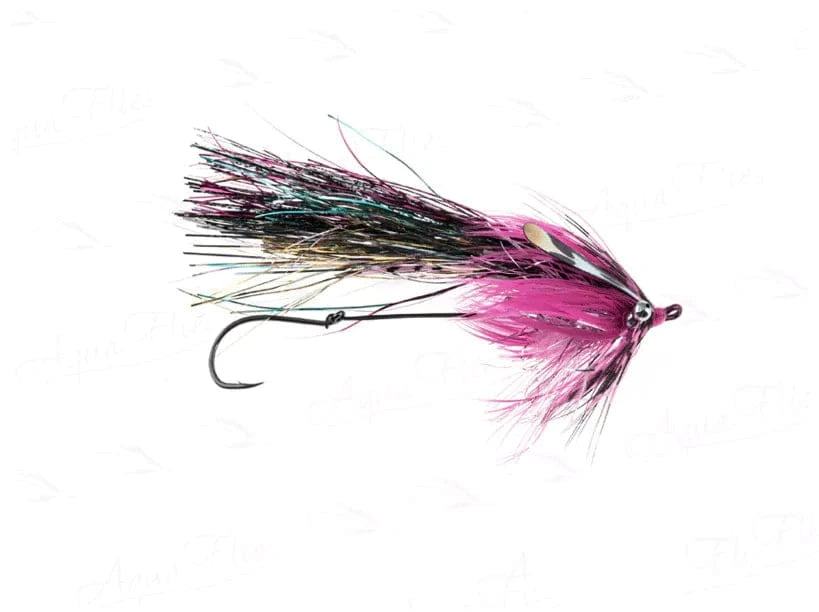
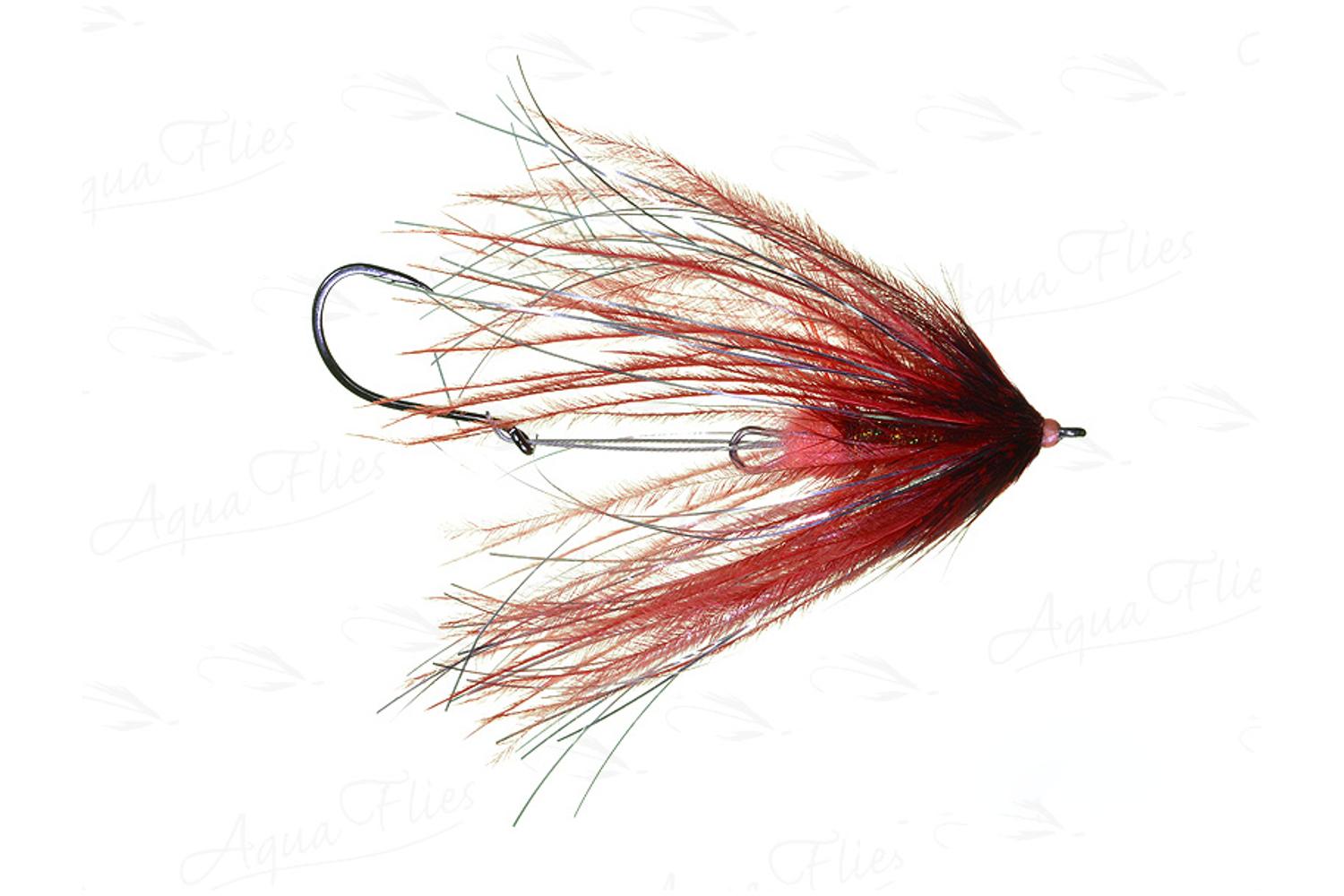
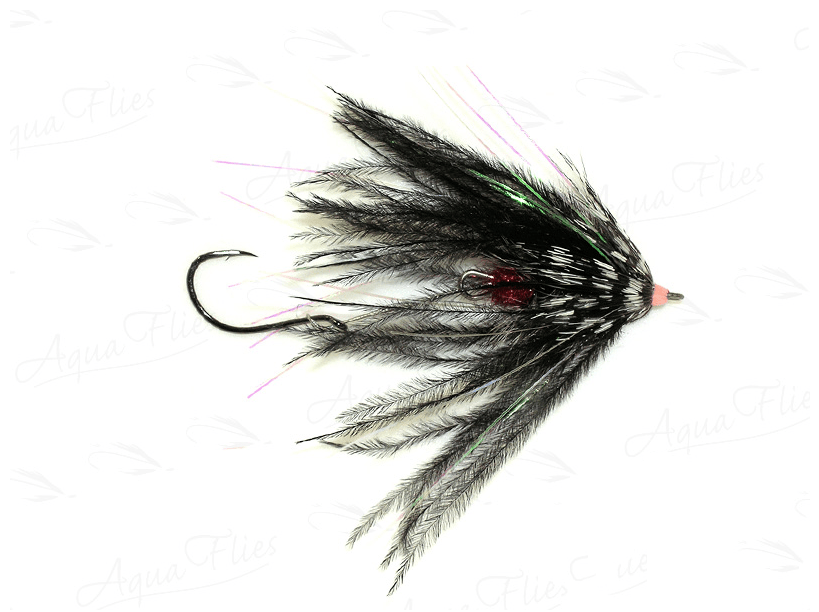
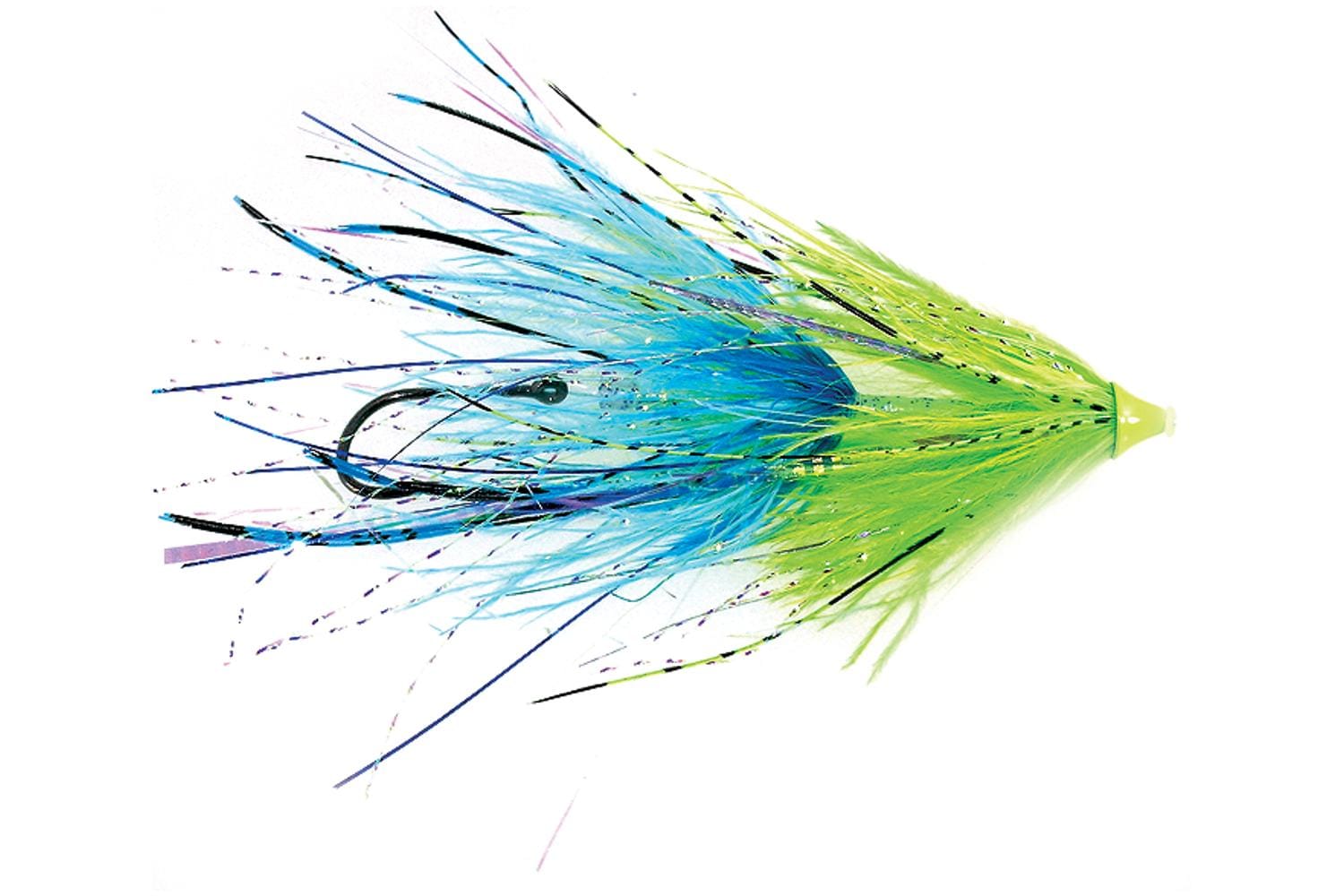
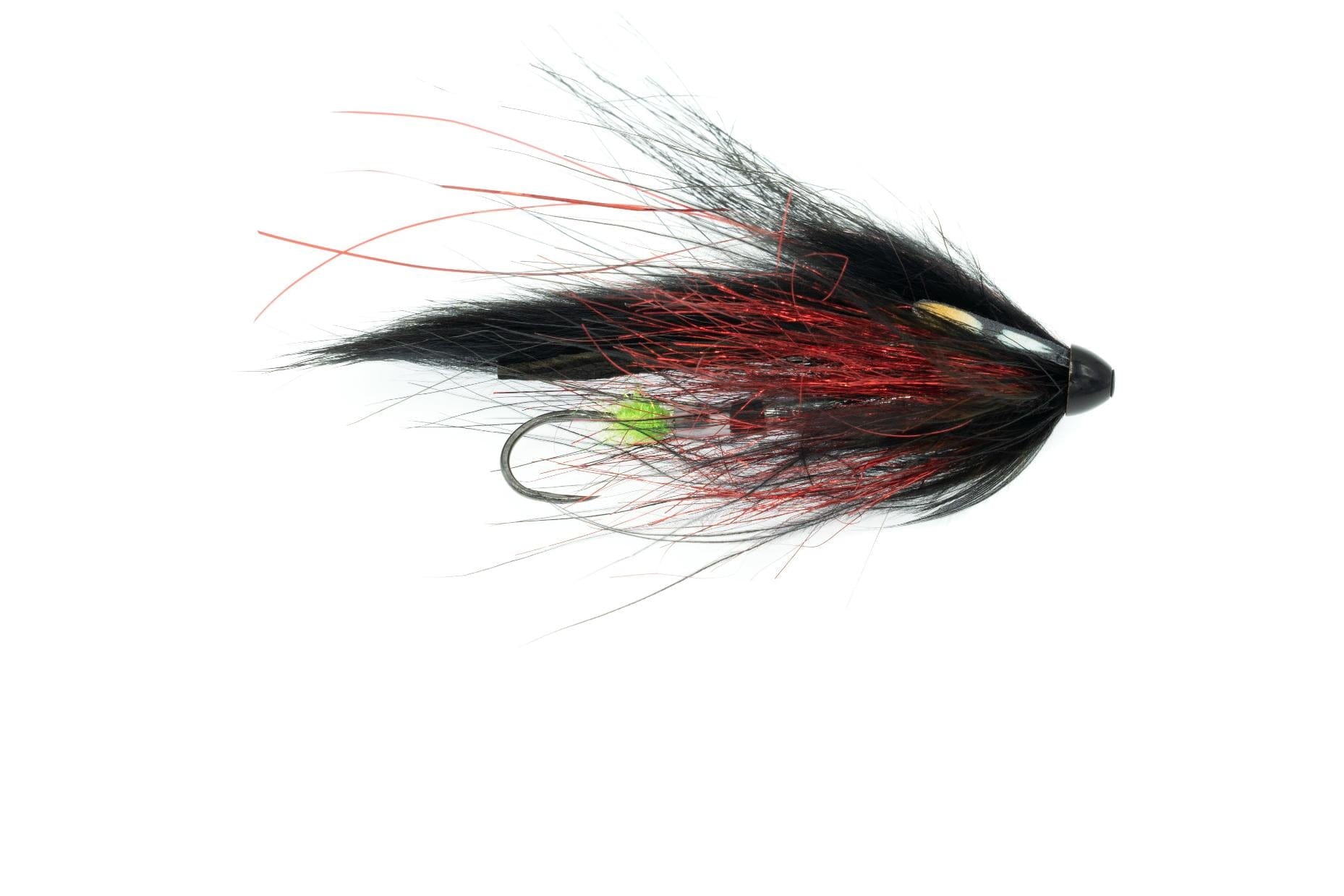
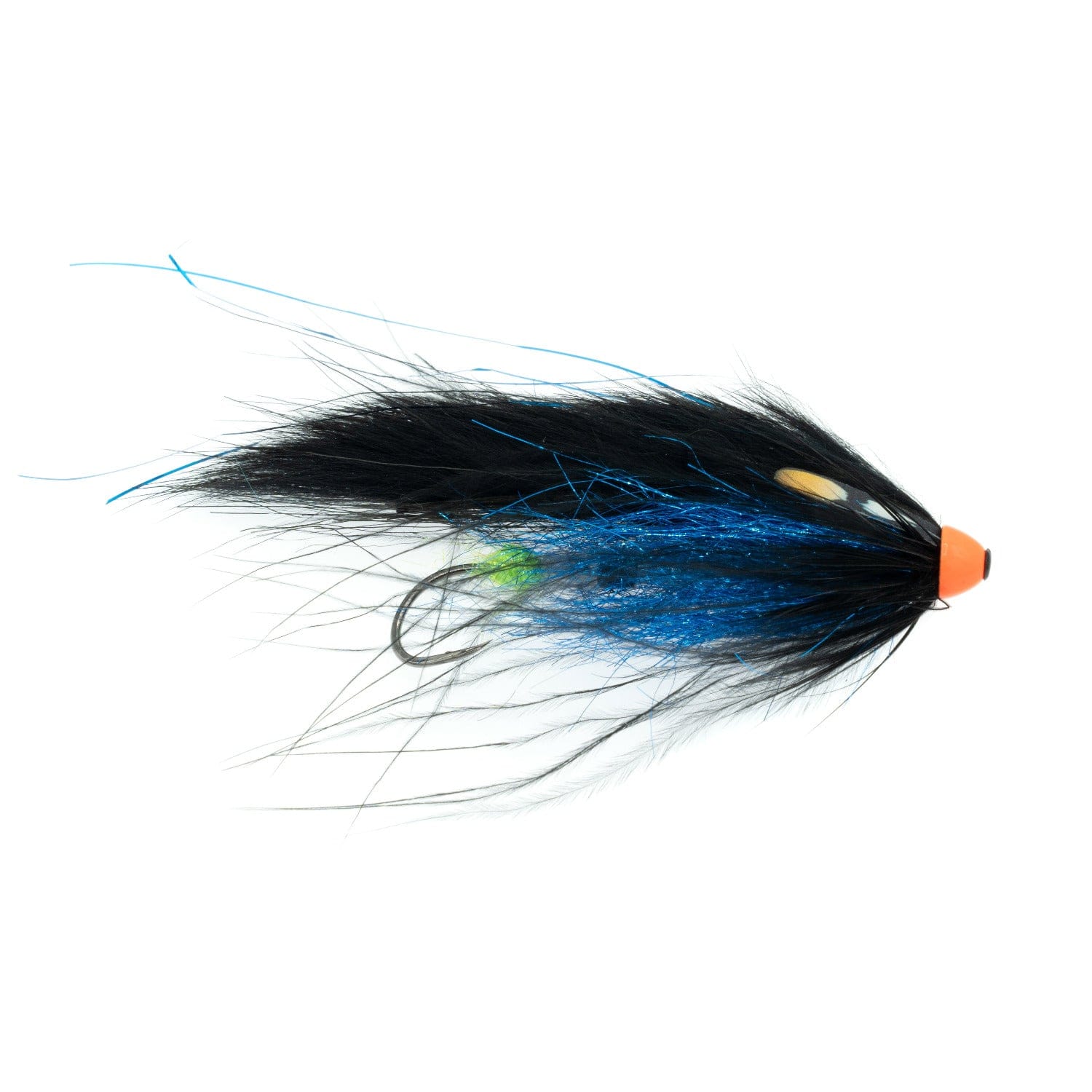
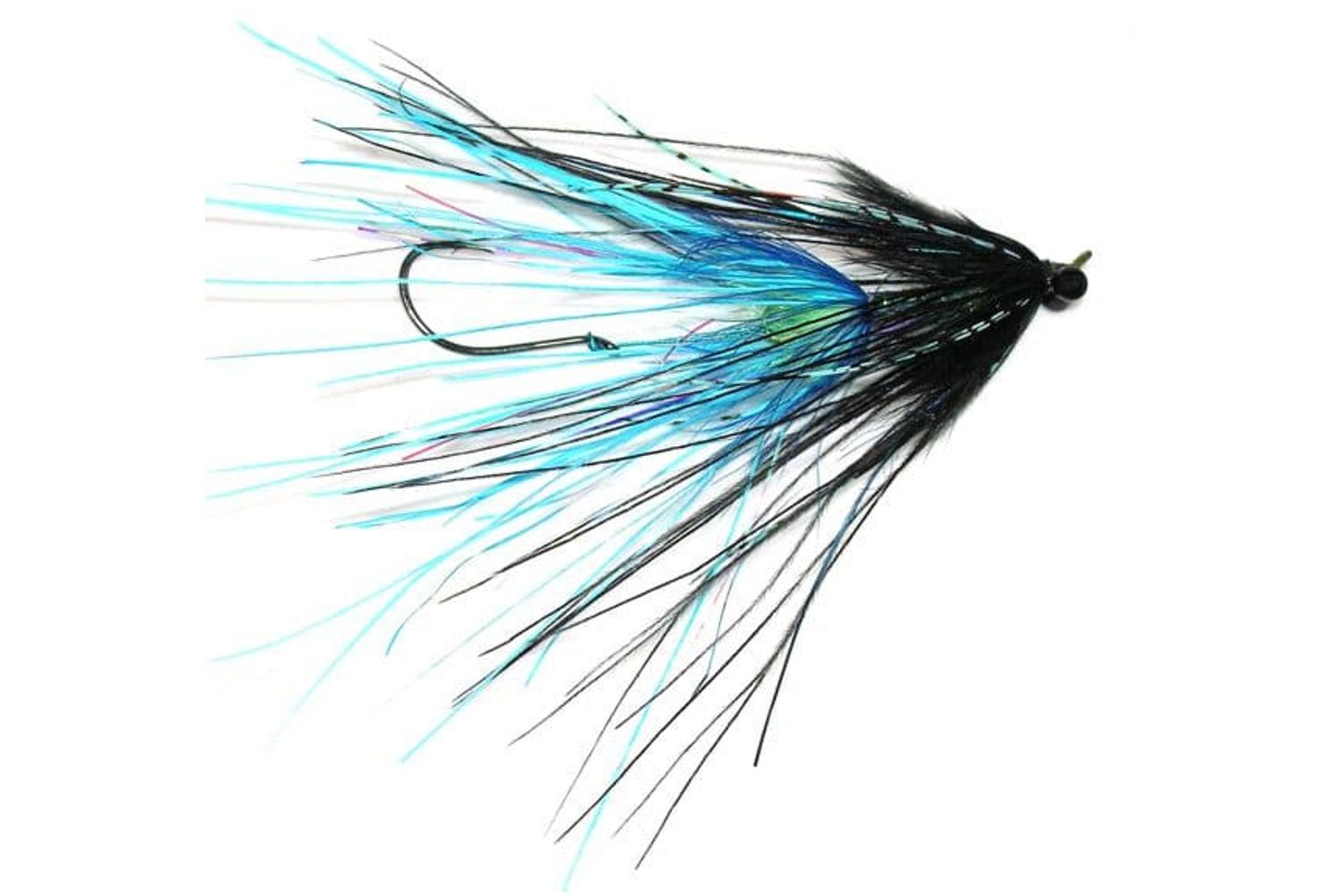
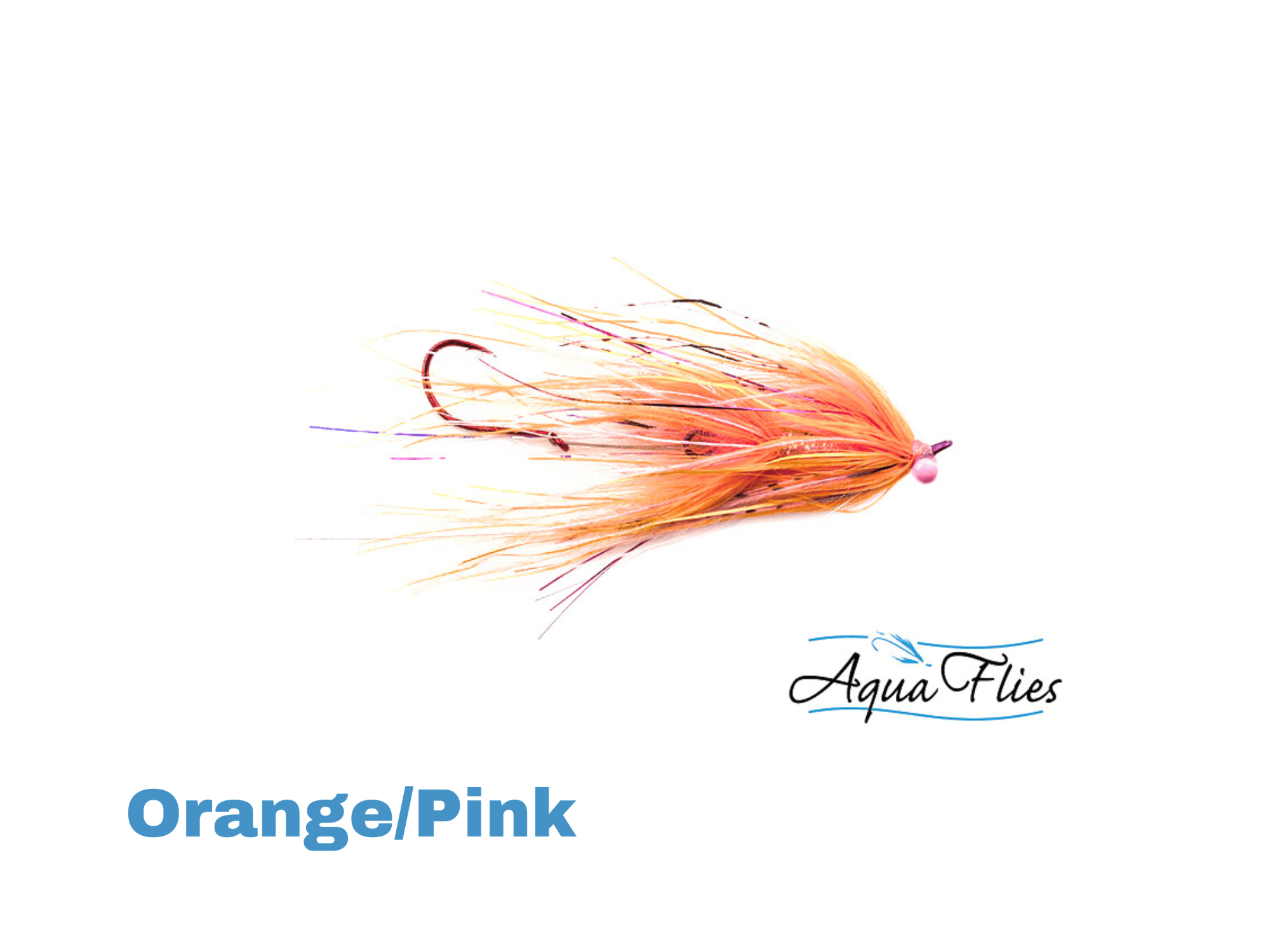
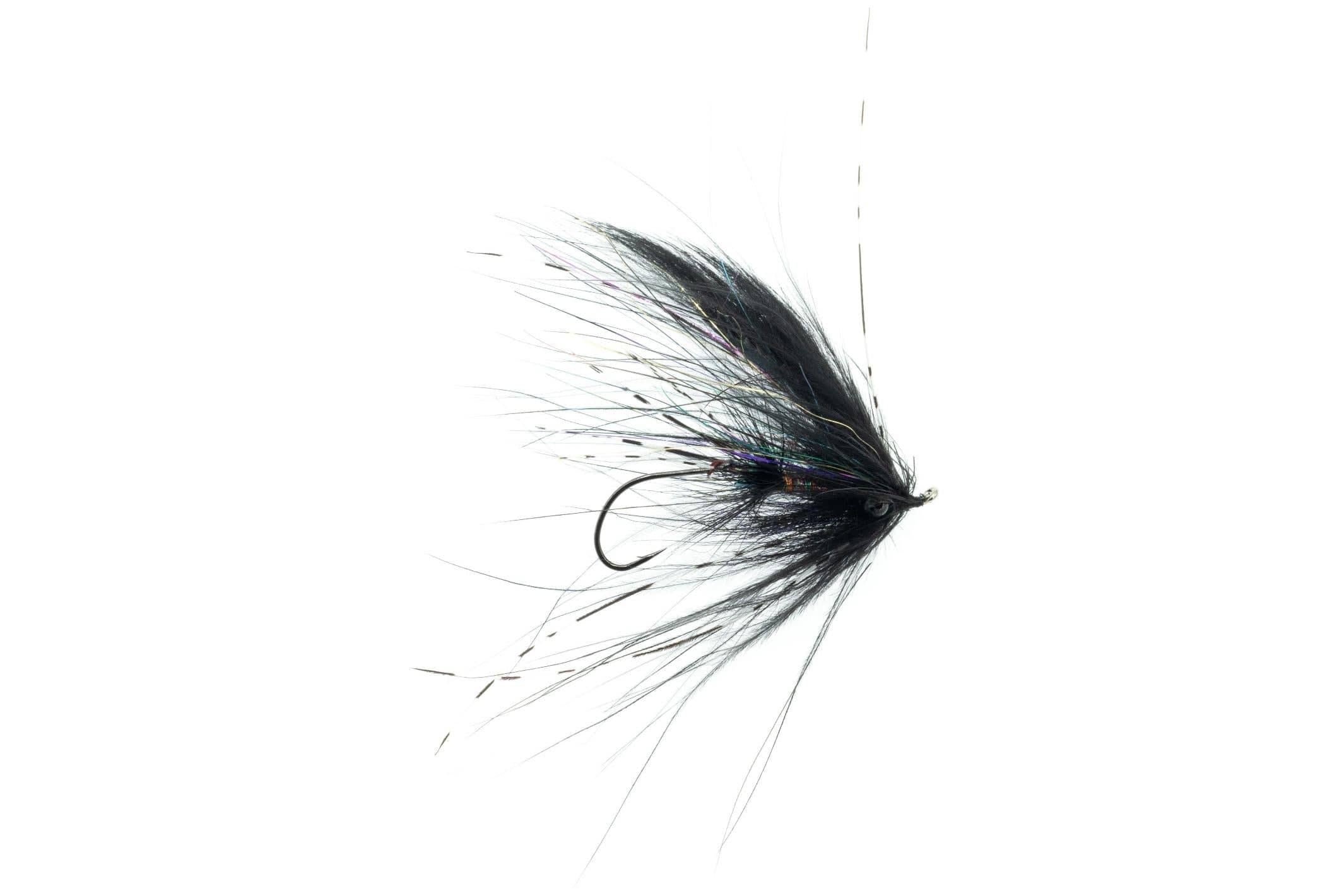
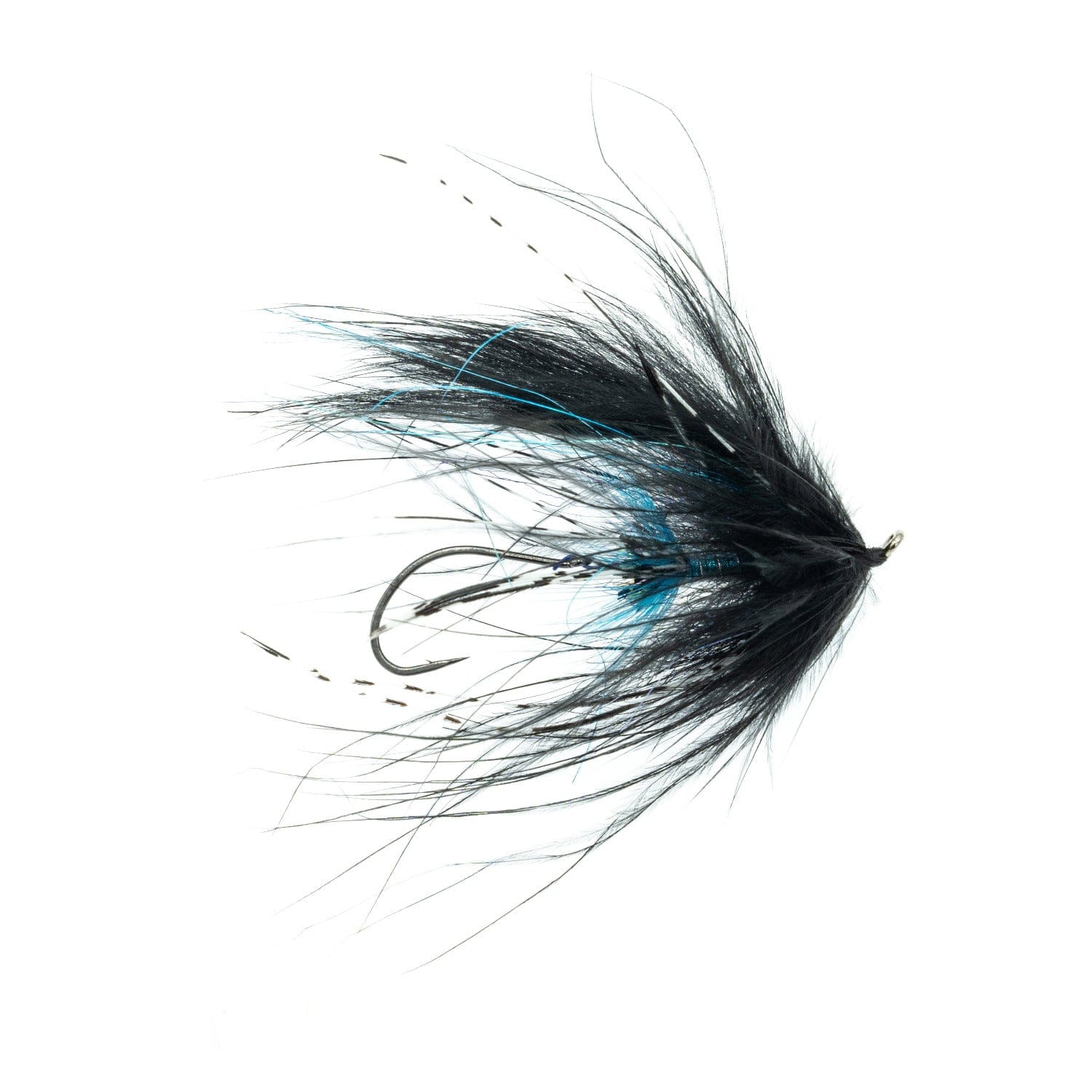
Best for King Salmon: Intruder Style Flies - Large profile flies with stinger hooks designed to swim broadside in the current, provoking territorial aggression from massive Chinook. Built on heavy-wire shanks to withstand powerful runs.
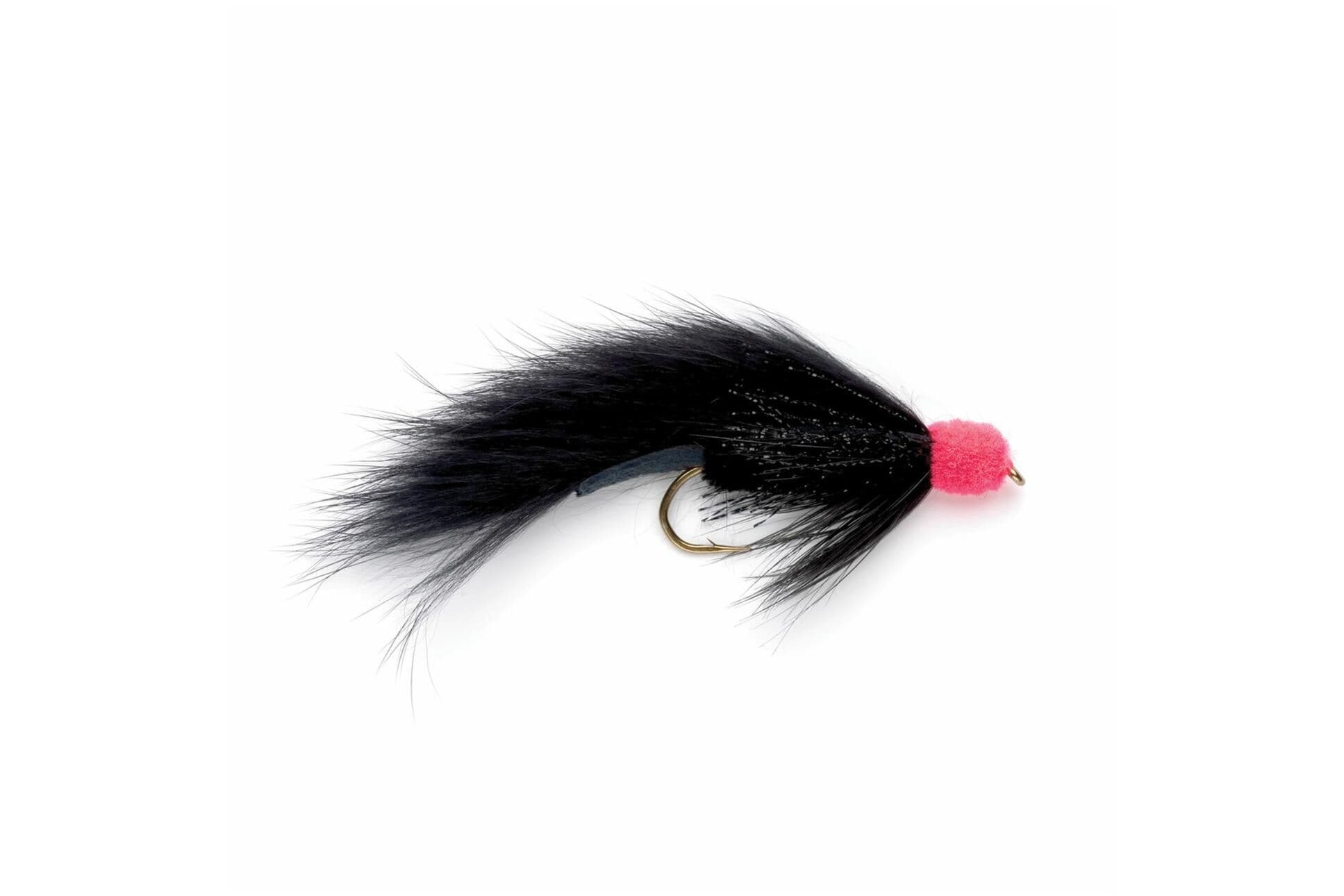
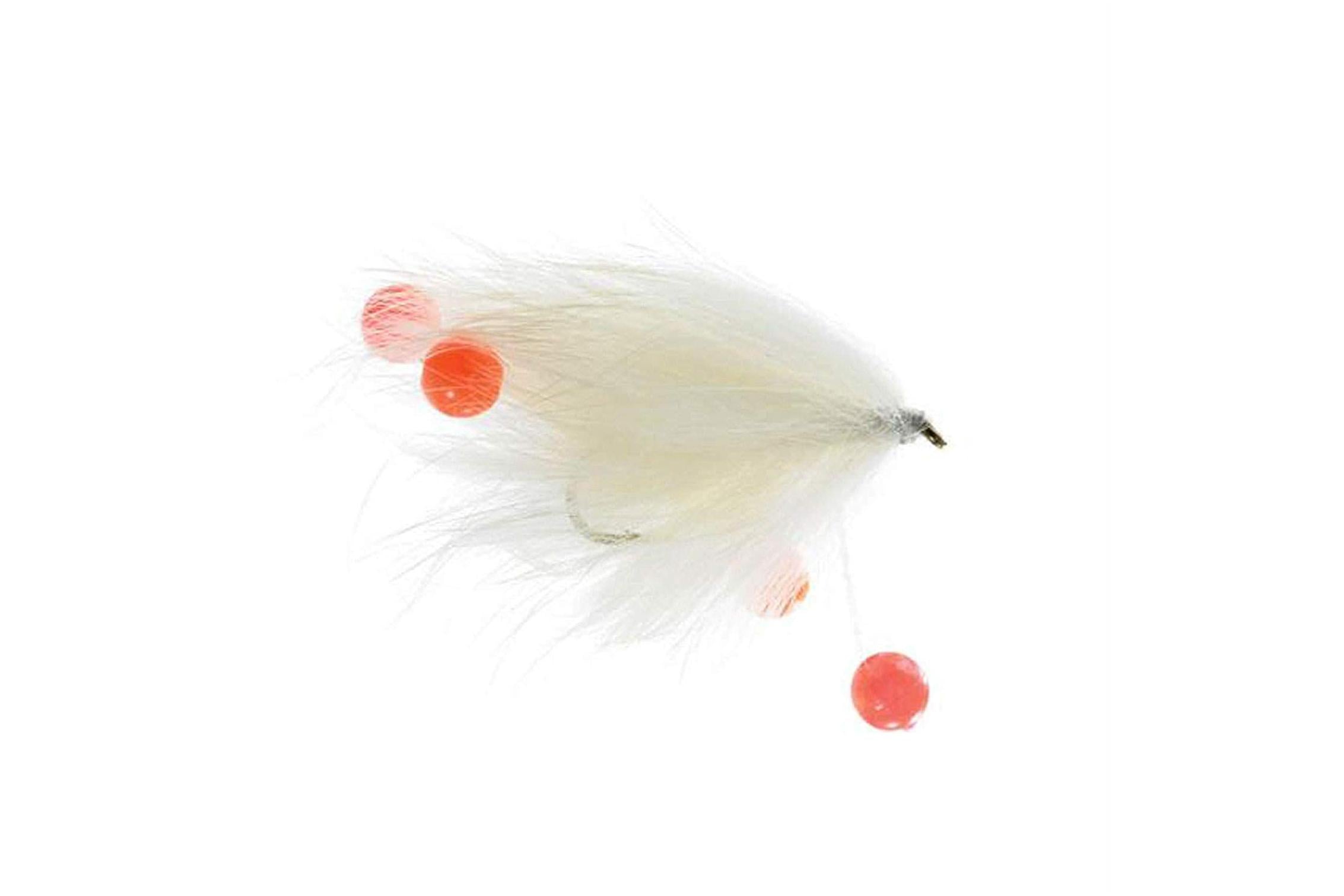
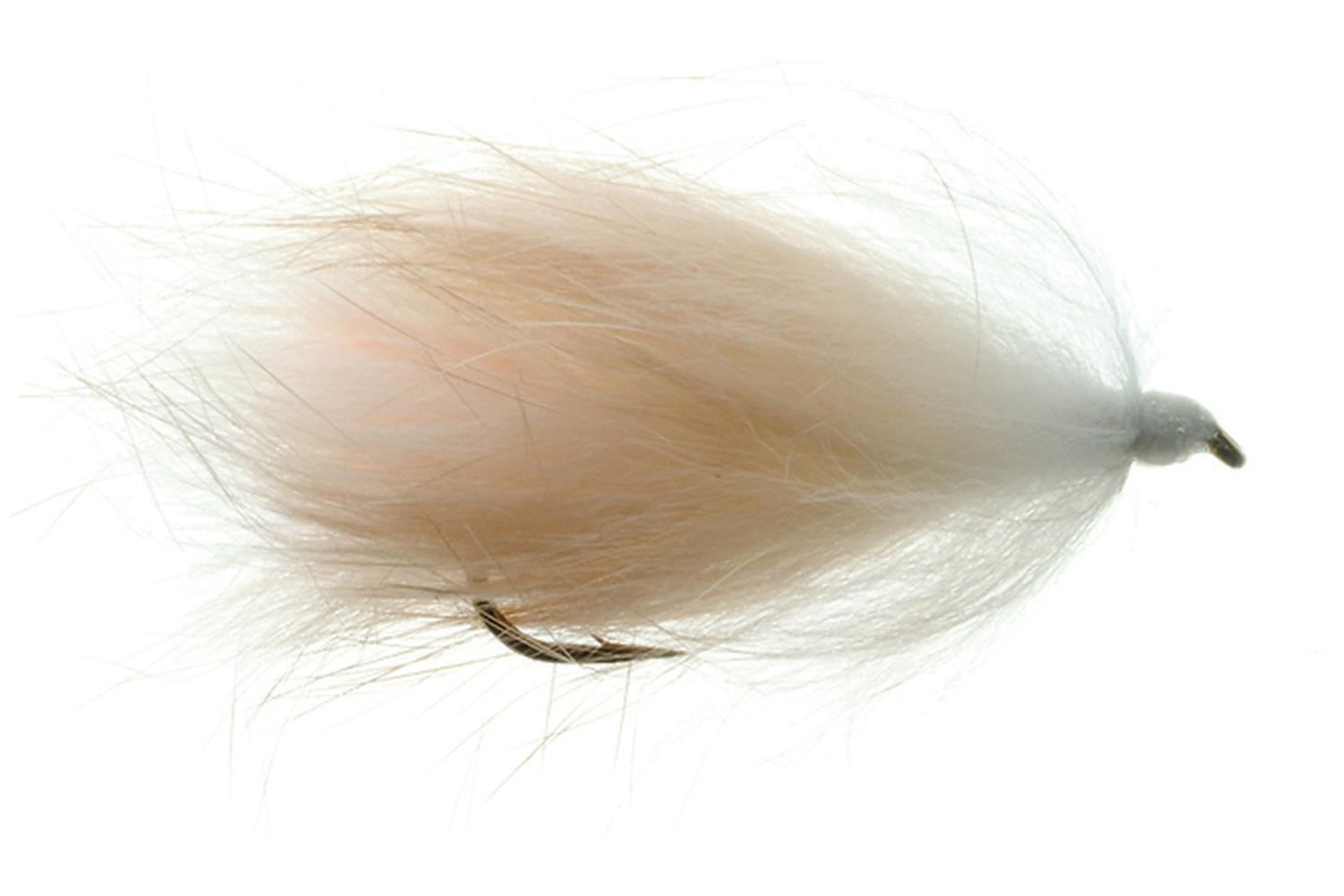
Best Attractor Pattern: Egg Sucking Leech - A versatile classic that mimics a leech eating a salmon egg, effective for almost every species in the Pacific drainage. The contrasting head color provides a strike point in murky glacial water.
How to Choose Pacific Salmon Flies
Match the Species
Chinook (King): These massive fish require large, substantial flies with movement. Look for Intruders, large leeches, and prawn patterns in black, blue, and chartreuse. Ensure your flies are tied on heavy-wire hooks or stout shanks to prevent bending under pressure.
Coho (Silver): Coho are aggressive predators that love flash and movement. Bright patterns like Clousers, Comets, and Flash Flies in pink, purple, and chartreuse are standard. They often prefer a fly that is stripped or jigged rather than just swung.
Sockeye (Red): Sockeye are plankton eaters and rarely strike out of hunger. Fishing for them often involves "flossing" or lining with sparse flies like simple bucktail patterns, yarn flies, or bare hooks with a bit of flash. Accuracy and drift speed are more critical than fly complexity.
Pink (Humpy) & Chum (Dog): Pinks are aggressive toward small, bright pink streamers and surface wogs. Chum salmon react well to chartreuse and purple patterns with a larger profile, similar to King flies but often slightly smaller.
Water Conditions & Visibility
Glacial & Murky Water: Pacific rivers often run off-color due to glacial silt. In these conditions, choose large, black, or dark purple flies that cast a strong silhouette. Flies with rattles or significant water-pushing heads (like sculpin helmets) help fish locate the fly.
Clear & Low Water: When tributaries run clear or water levels drop, downsize your patterns. Smaller buggers, sparse leeches, and more natural colors like olive or brown become effective. Spooky fish in clear water may reject the large, flashy intruders that work in the main stem.
Care & Maintenance
Rinse After Saltwater: If you are fishing tidal estuaries or the surf, always rinse your flies with fresh water to prevent hook corrosion.
Sharpen Hooks: Pacific riverbeds are full of rocks. Check your hook point frequently and use a file to keep it sticky-sharp; a dull hook will cost you fish.
Dry Thoroughly: Large flies with rabbit strips or marabou hold water. Let them dry completely outside your box to prevent rust from spreading to other flies.
Complete Your Setup
Related Gear
Fly Rods - You will need an 8wt to 10wt rod to handle heavy sink tips and powerful salmon.
Sink Tip Fly Lines - Essential for getting your flies down into the strike zone in fast, deep currents.
Waders - Durable waders are critical for long days standing in cold Alaskan rivers.
Related Guides
Pacific Salmon Flies FAQs
Q: What is the best hook size for Pacific Salmon?
A: For Kings, sizes 1/0 to 4/0 are common to handle their size and power. For Coho and Chum, sizes 2 to 6 are standard. Sockeye and Pinks are often targeted with smaller hooks in the size 6 to 8 range.
Q: Do I need articulated flies for salmon?
A: Articulated flies (flies with a jointed body) are excellent for Kings and Silvers because they provide more movement and prevent the fish from leveraging the hook out of its mouth during the fight. They are not strictly necessary but are highly effective.
Q: Should I use tube flies?
A: Tube flies are very popular for Pacific Salmon because they allow you to use a smaller, stronger short-shank hook that can be replaced if damaged. They also prevent the fish from using the leverage of a long hook shank to throw the fly.