
Trout Spey Casting 101: What You Need to Get Started
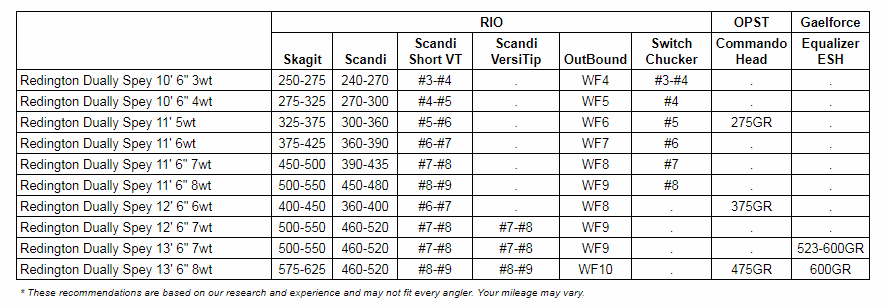

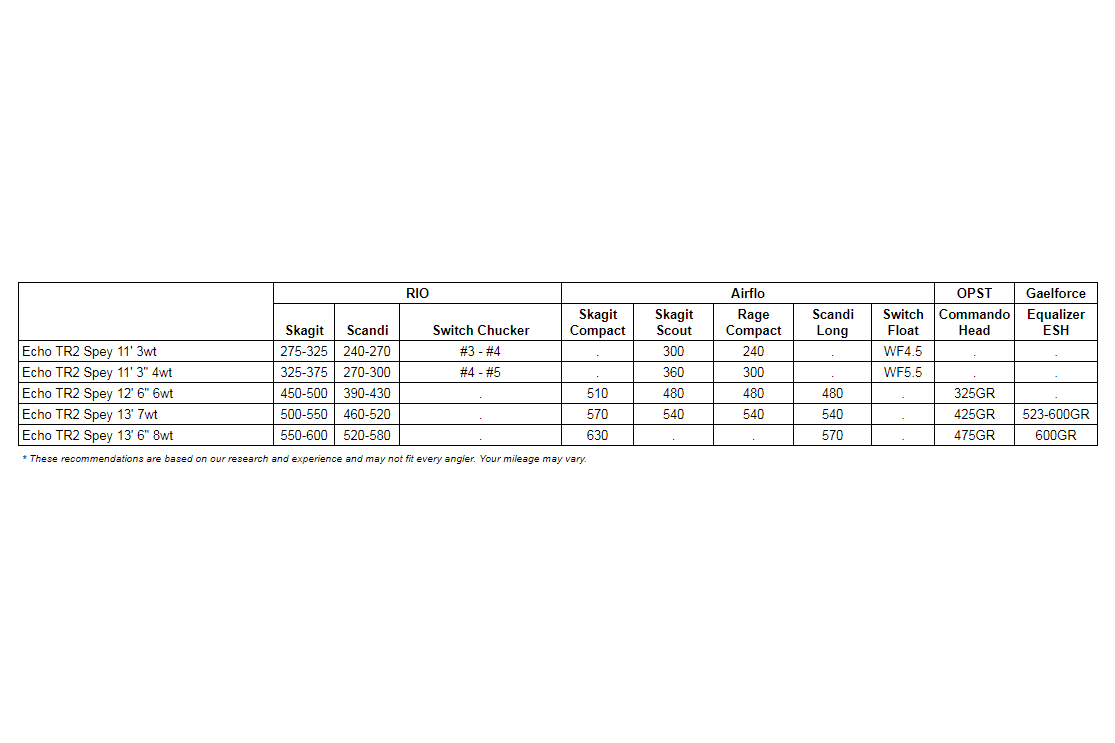
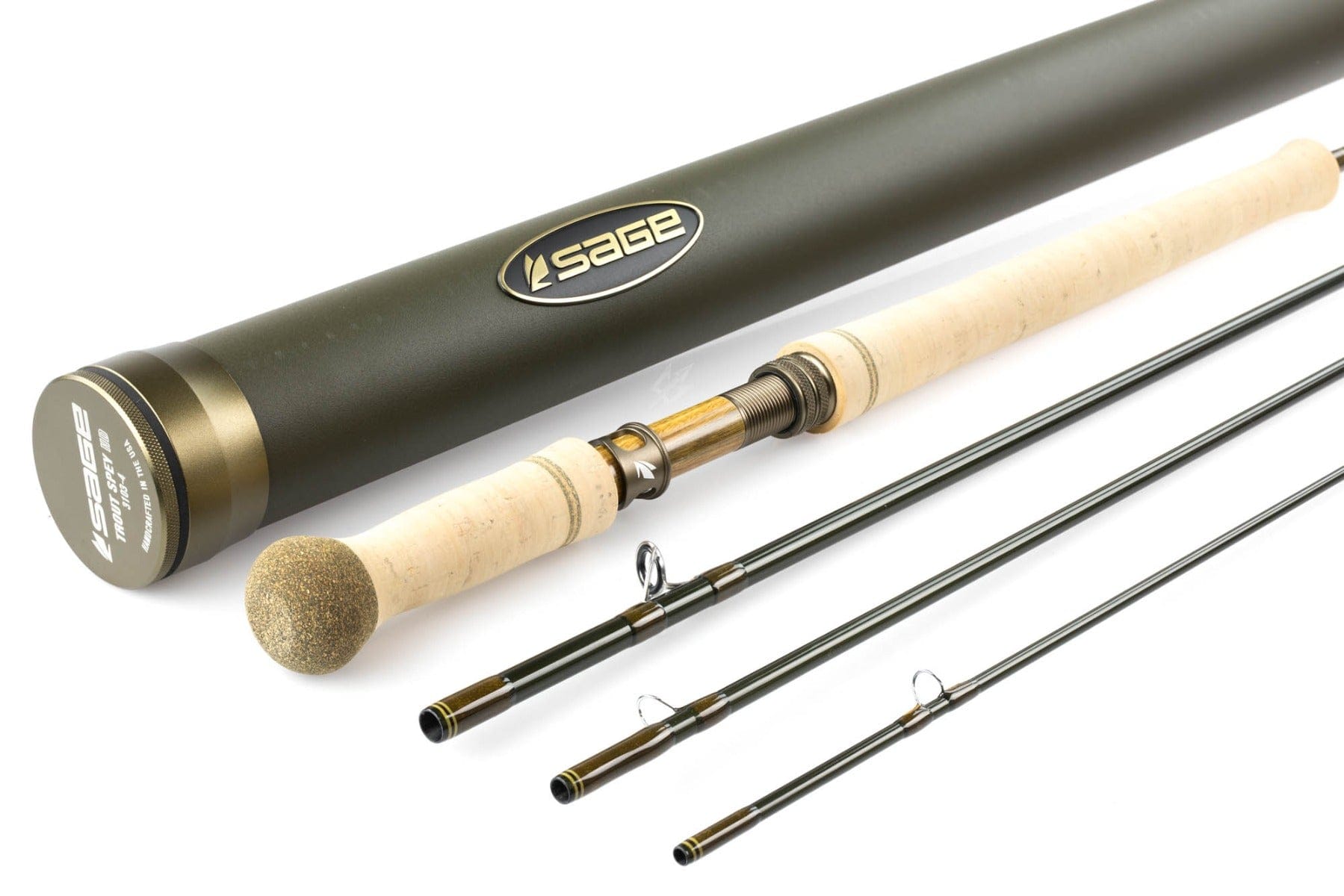

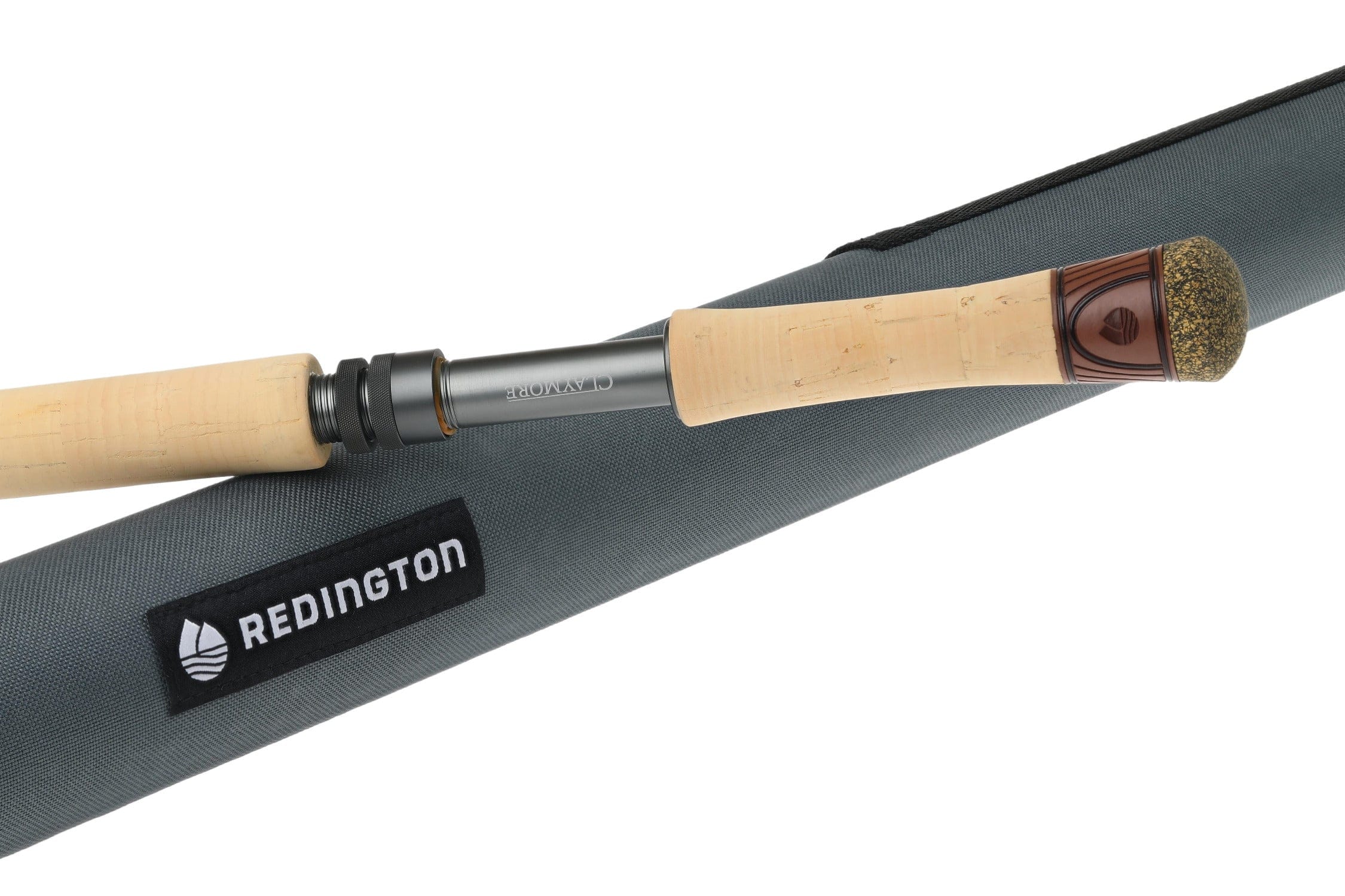

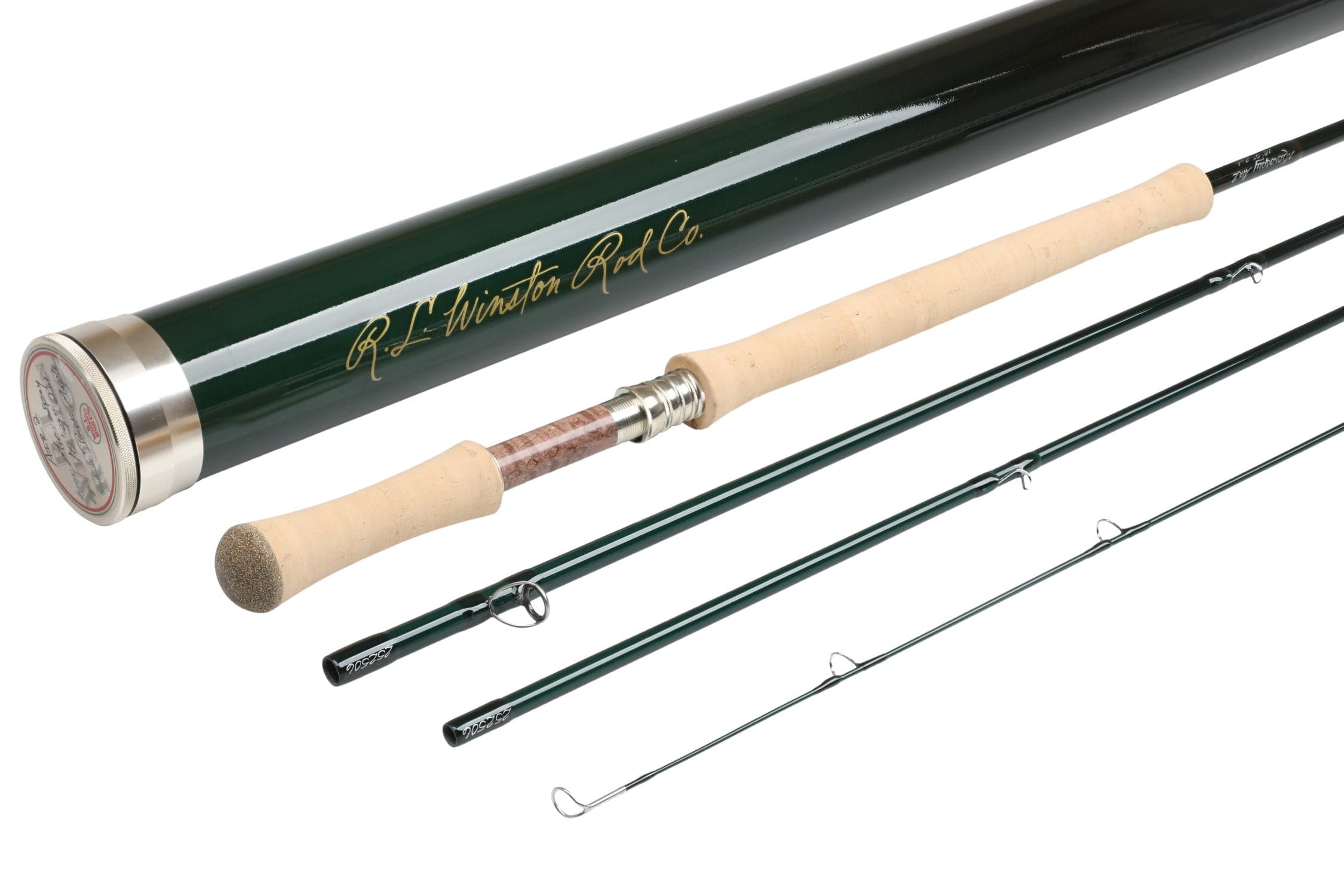
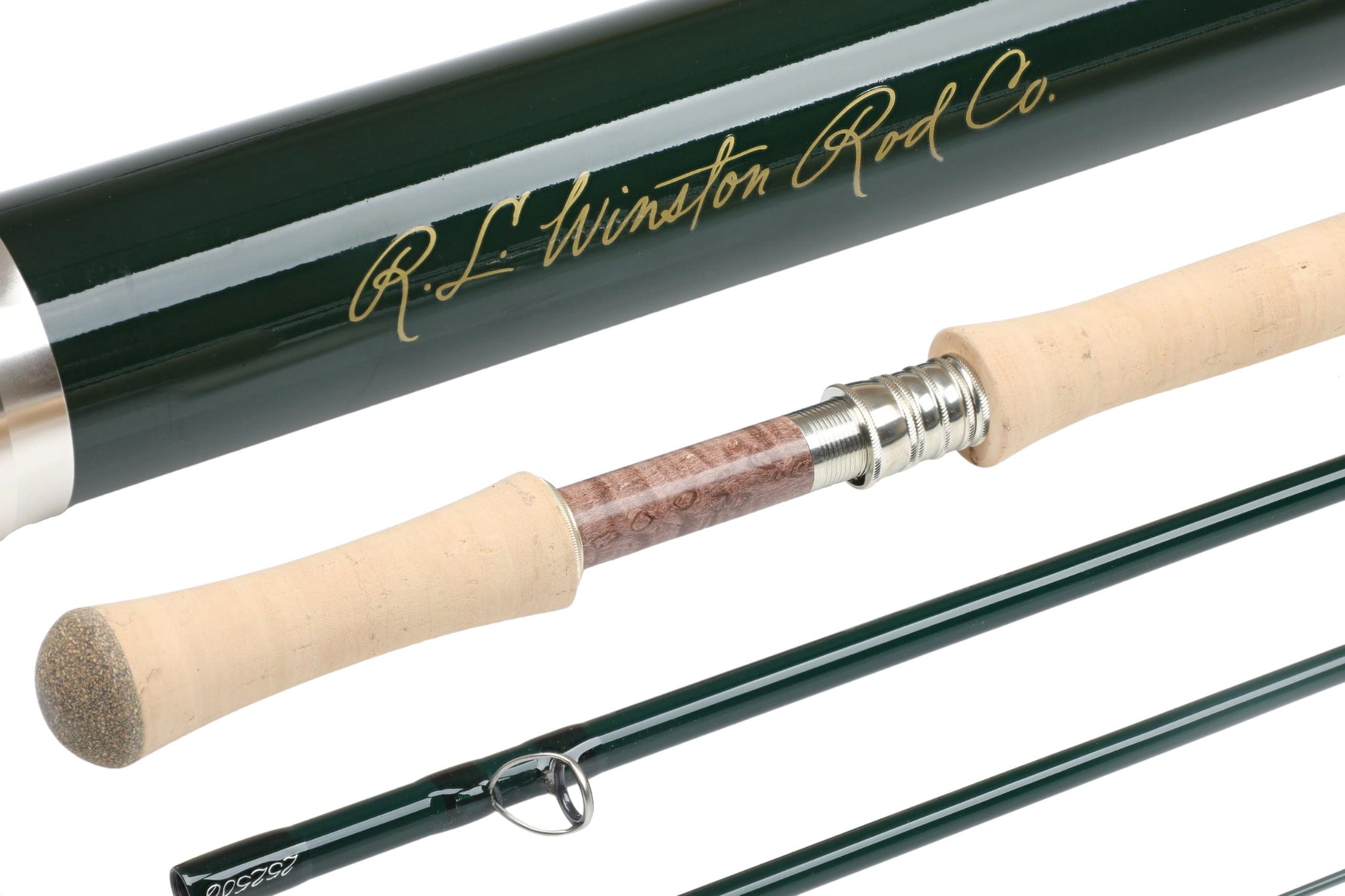
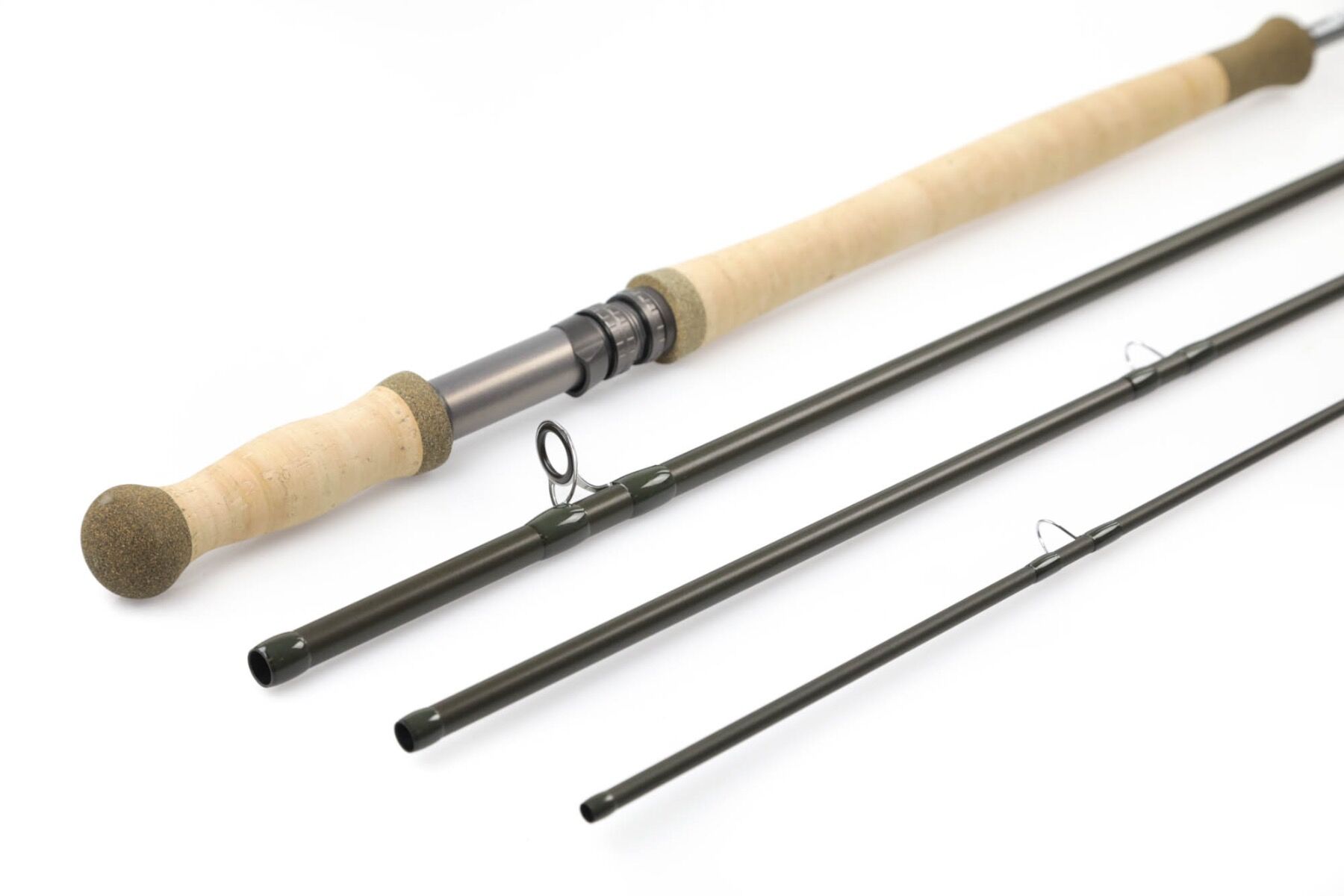

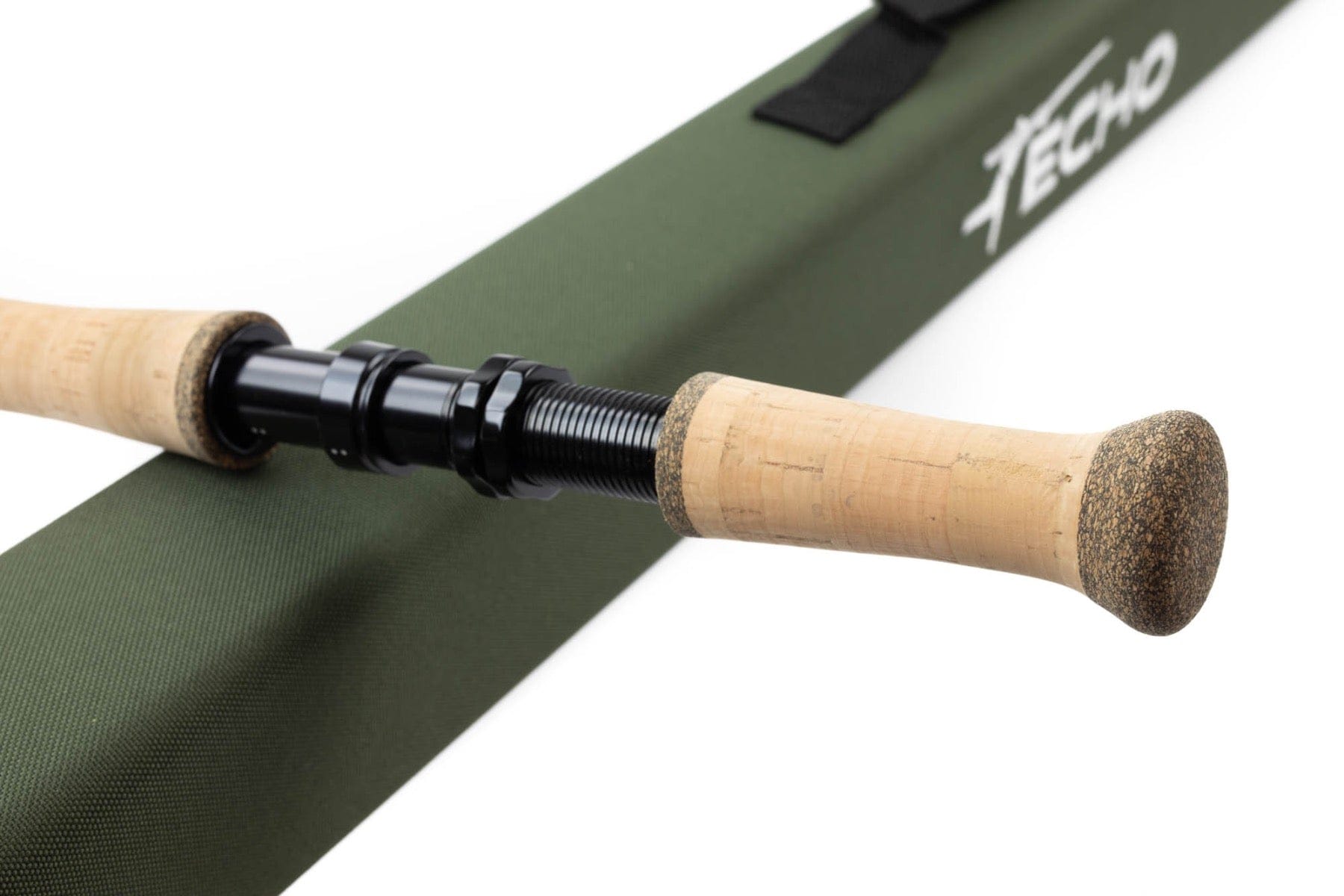
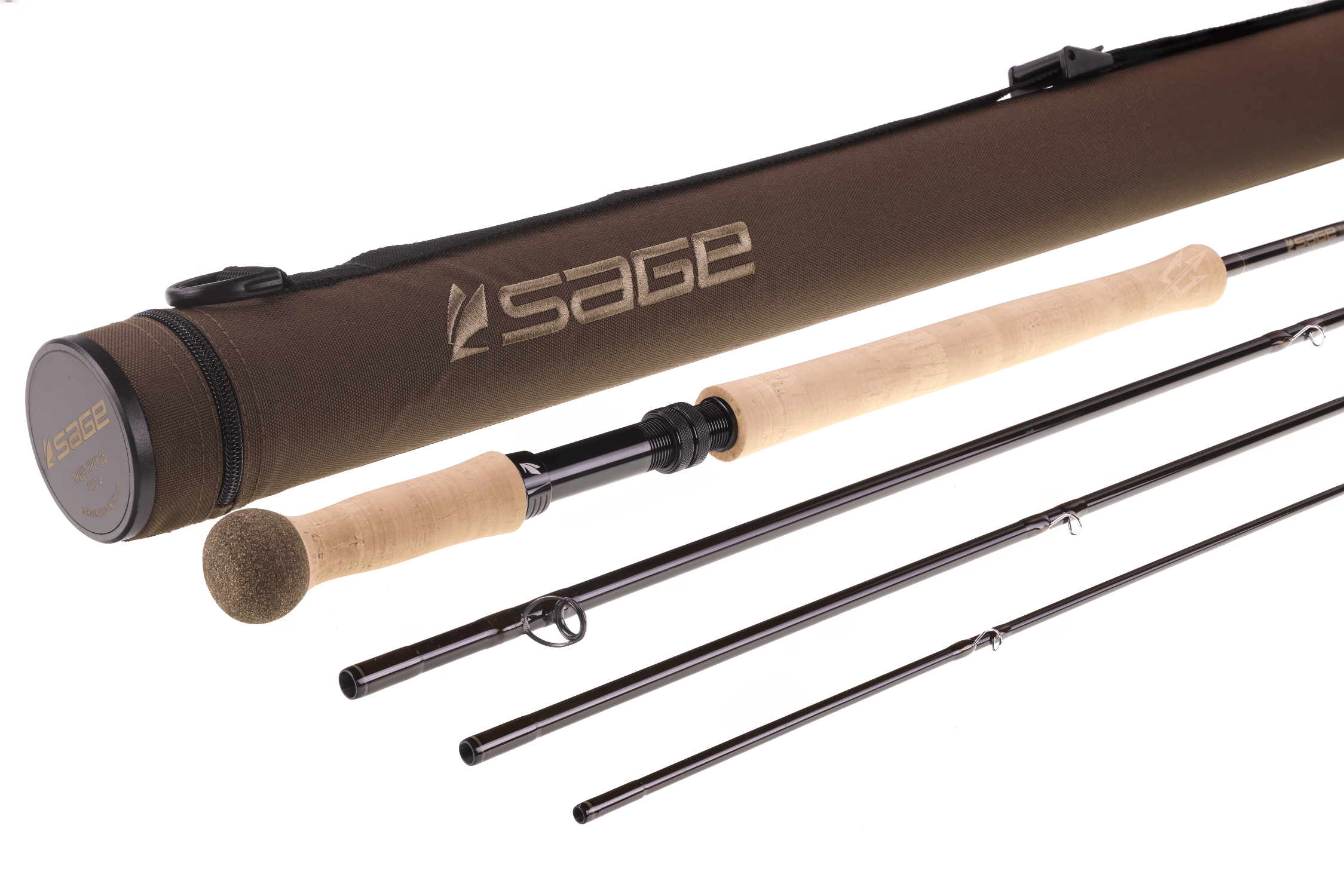


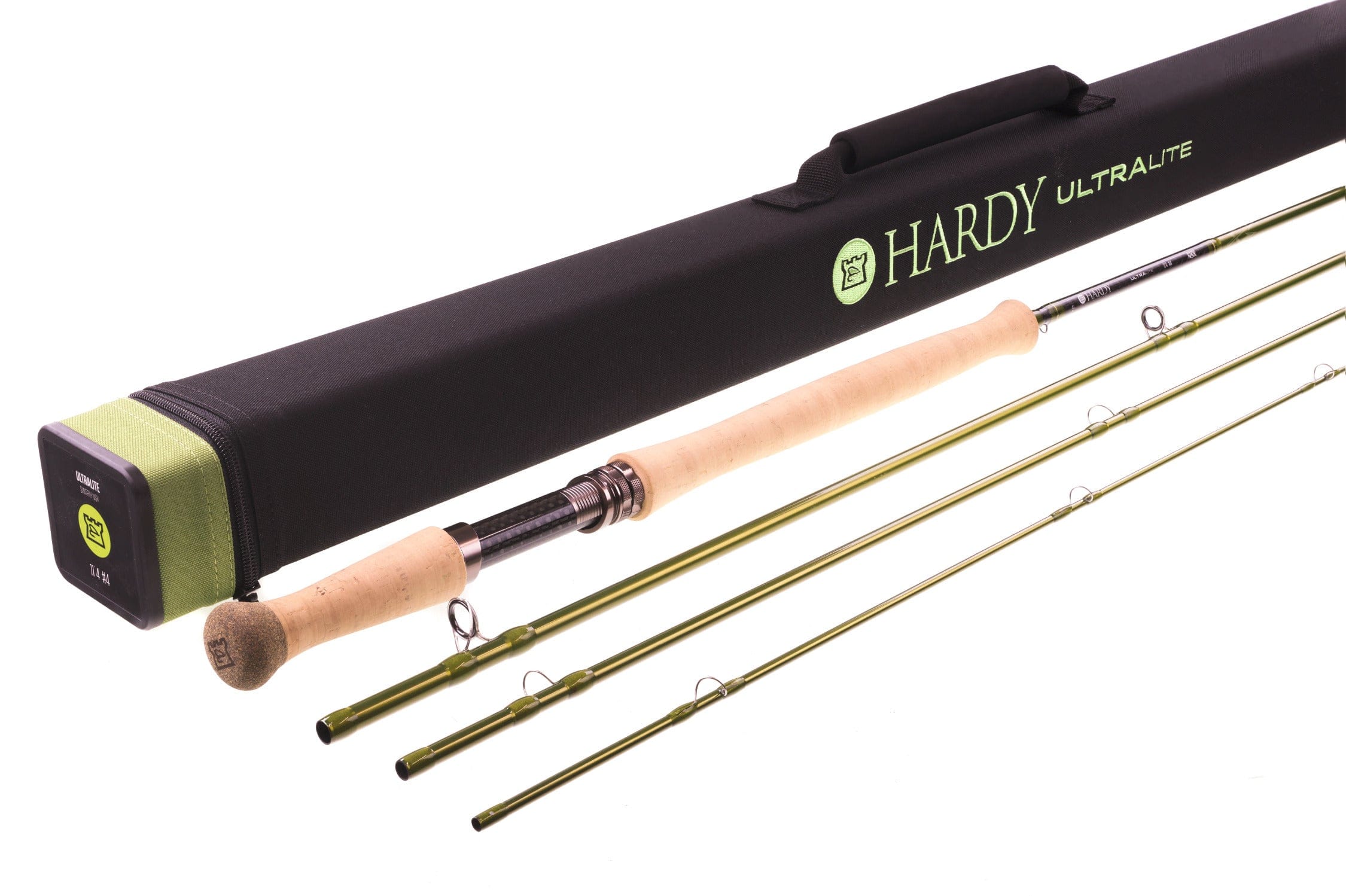
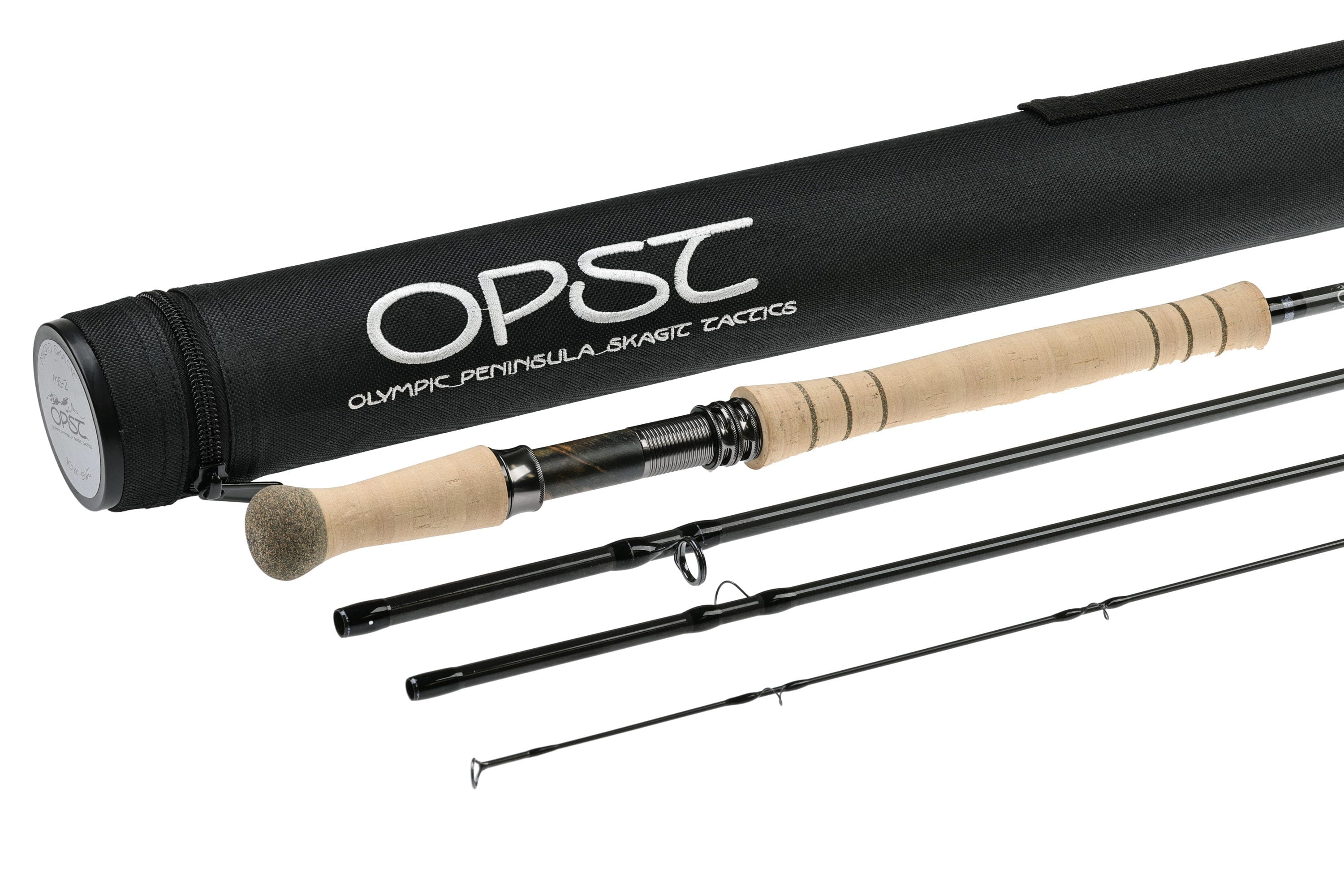
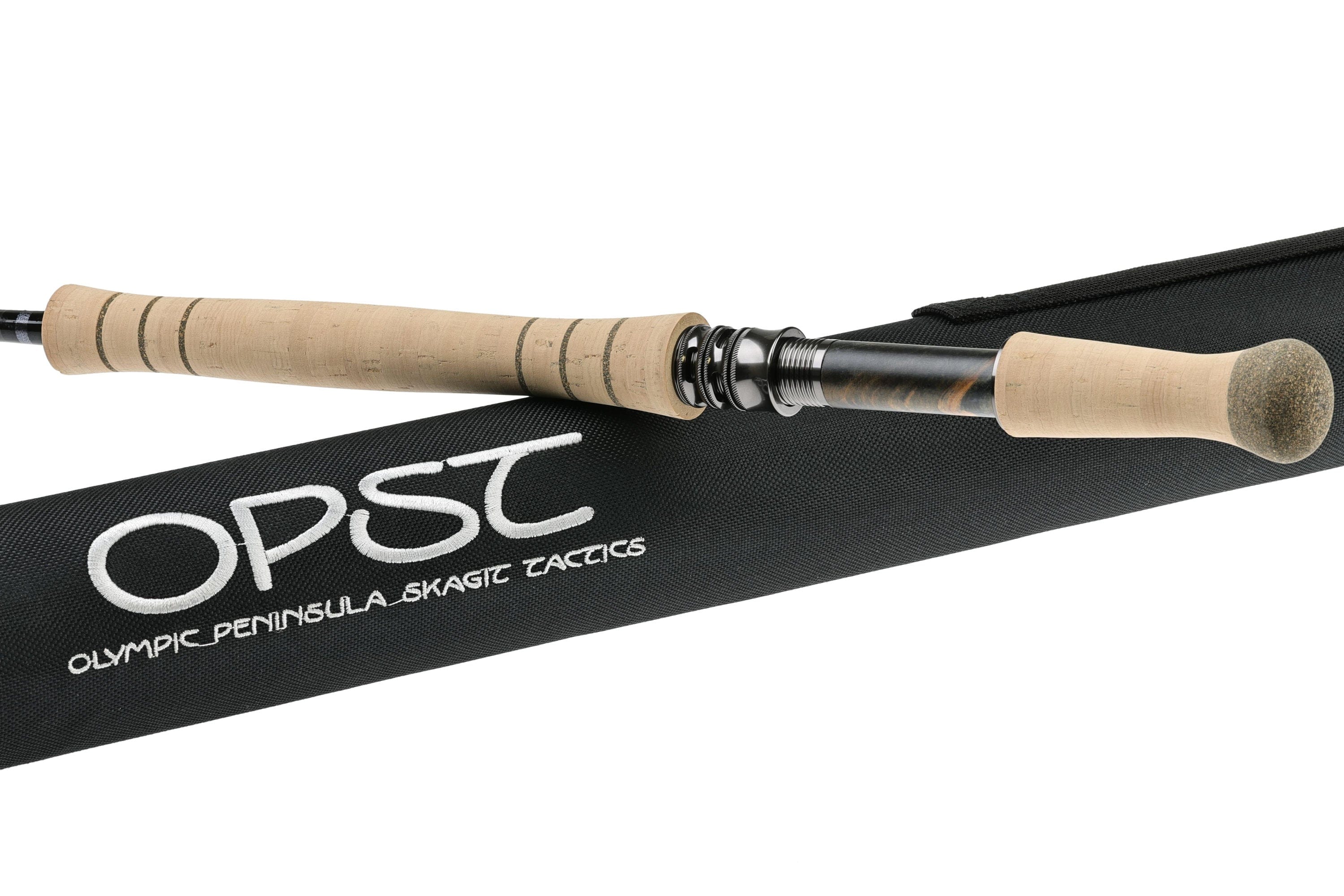
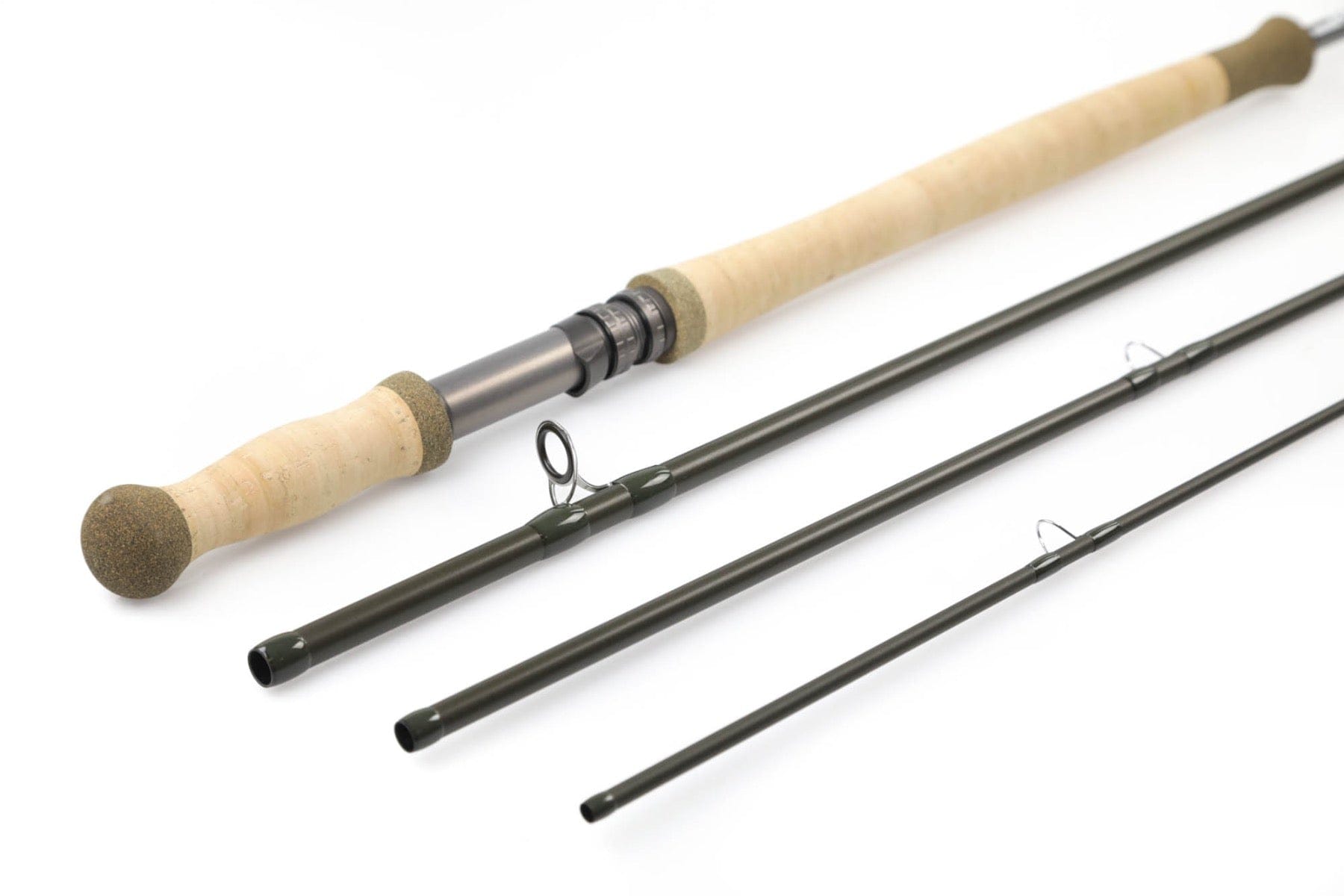
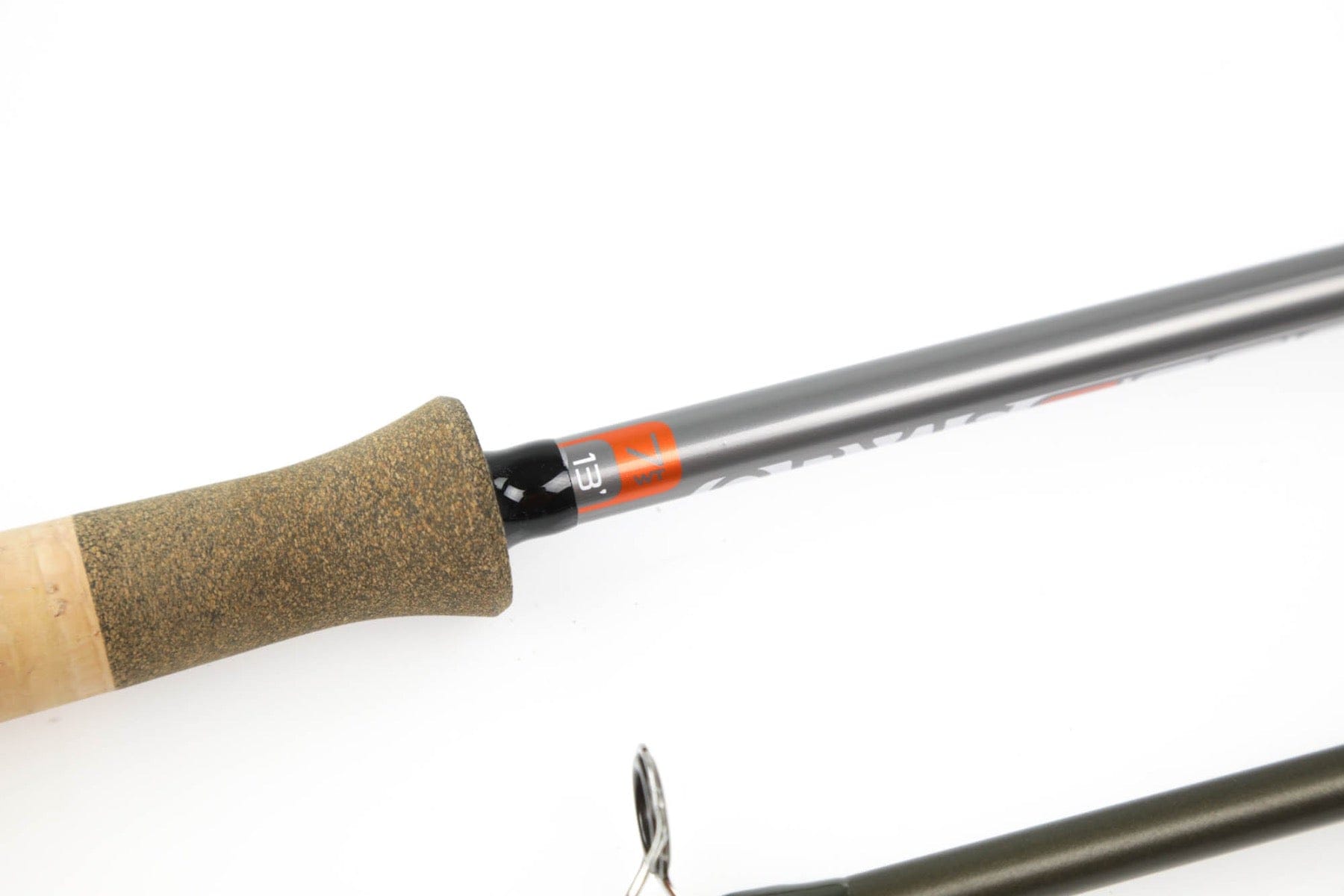
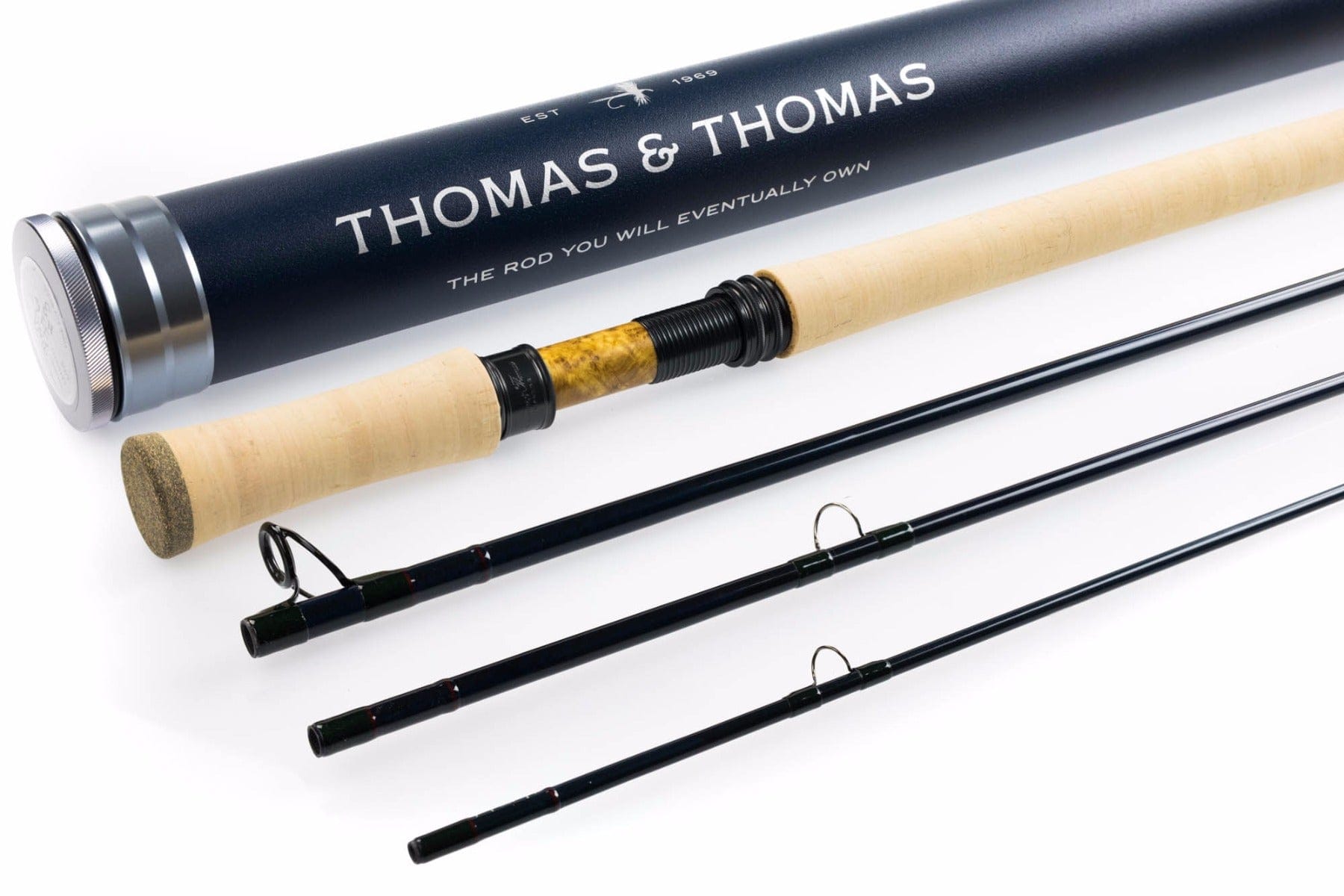
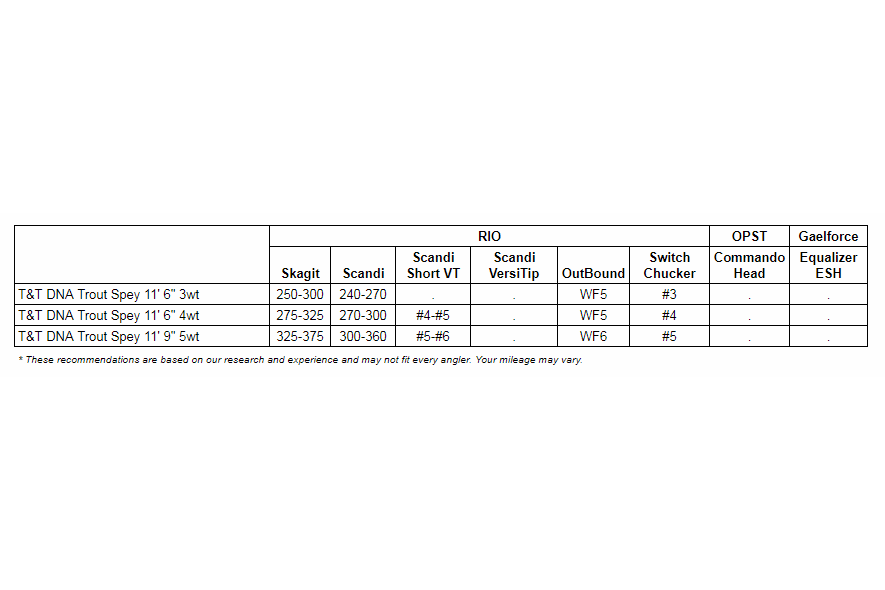
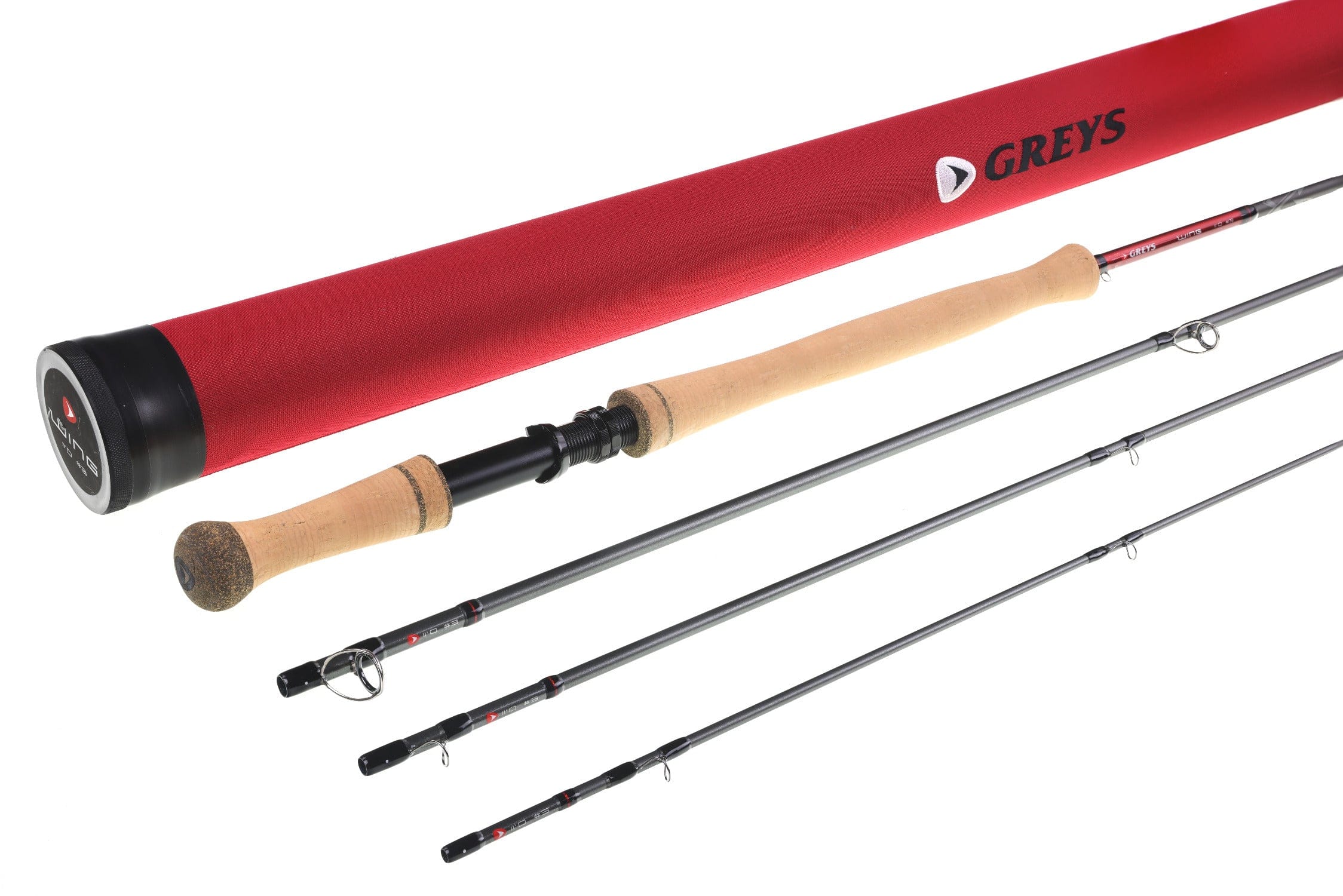
Trout Spey Fly Rods Quick Picks
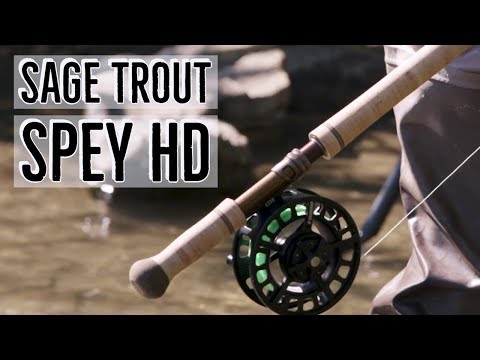
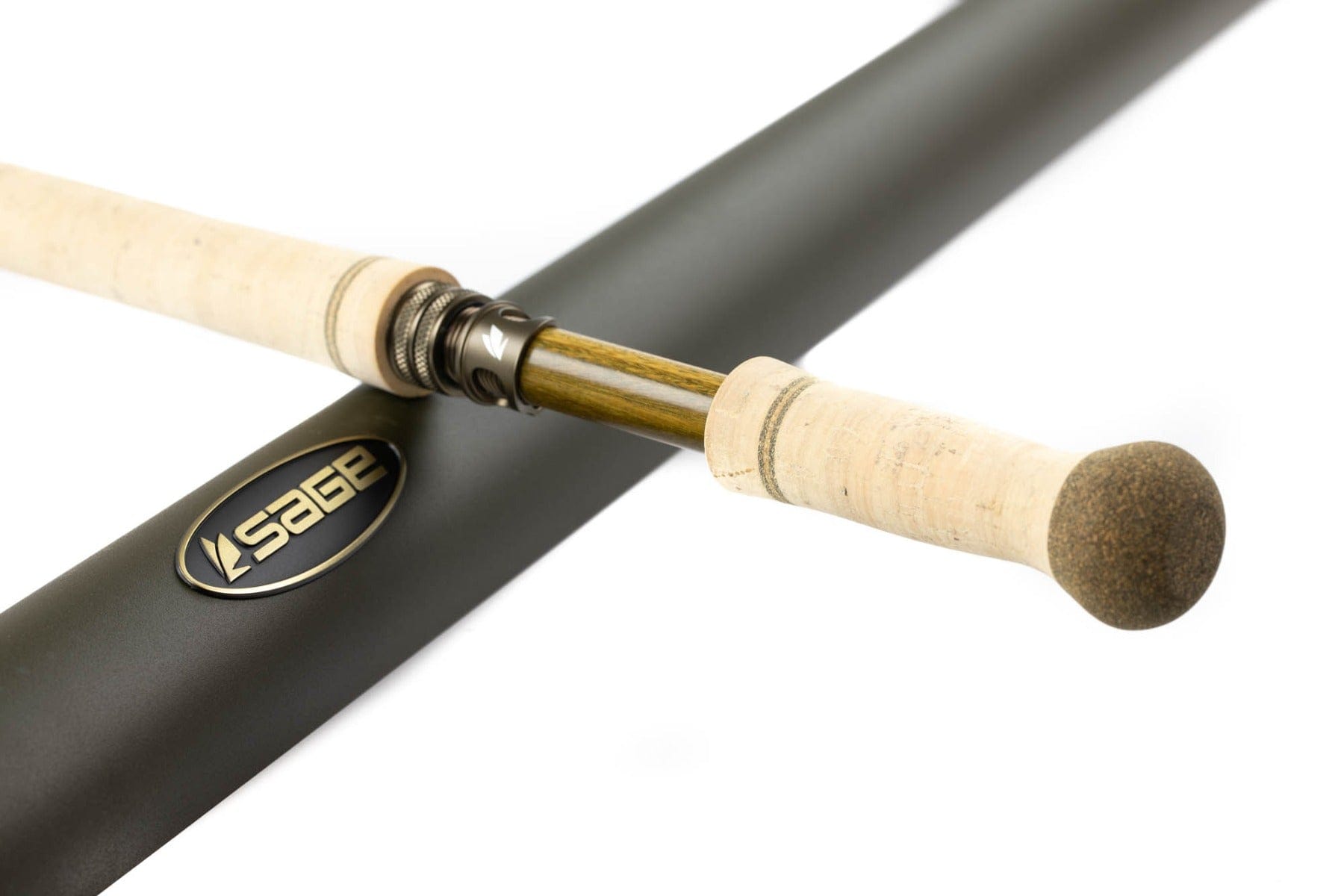
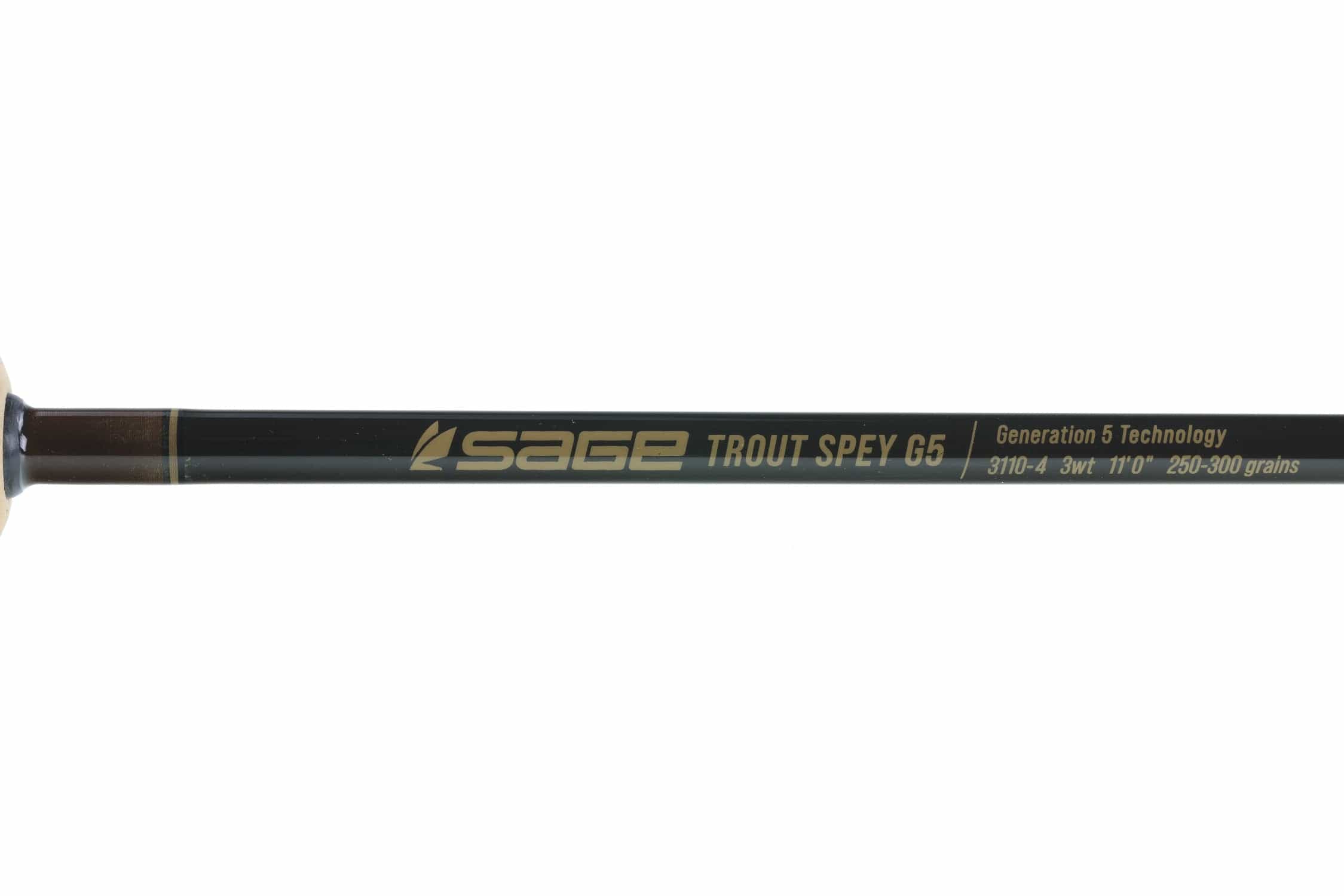
Best Premium: Sage Trout Spey HD Rod - Designed specifically for the discipline, this rod offers a stable tip and smooth power transfer perfect for casting light Skagit heads. Its KonneticHD technology delivers the recovery speed needed for precise, distance casting.
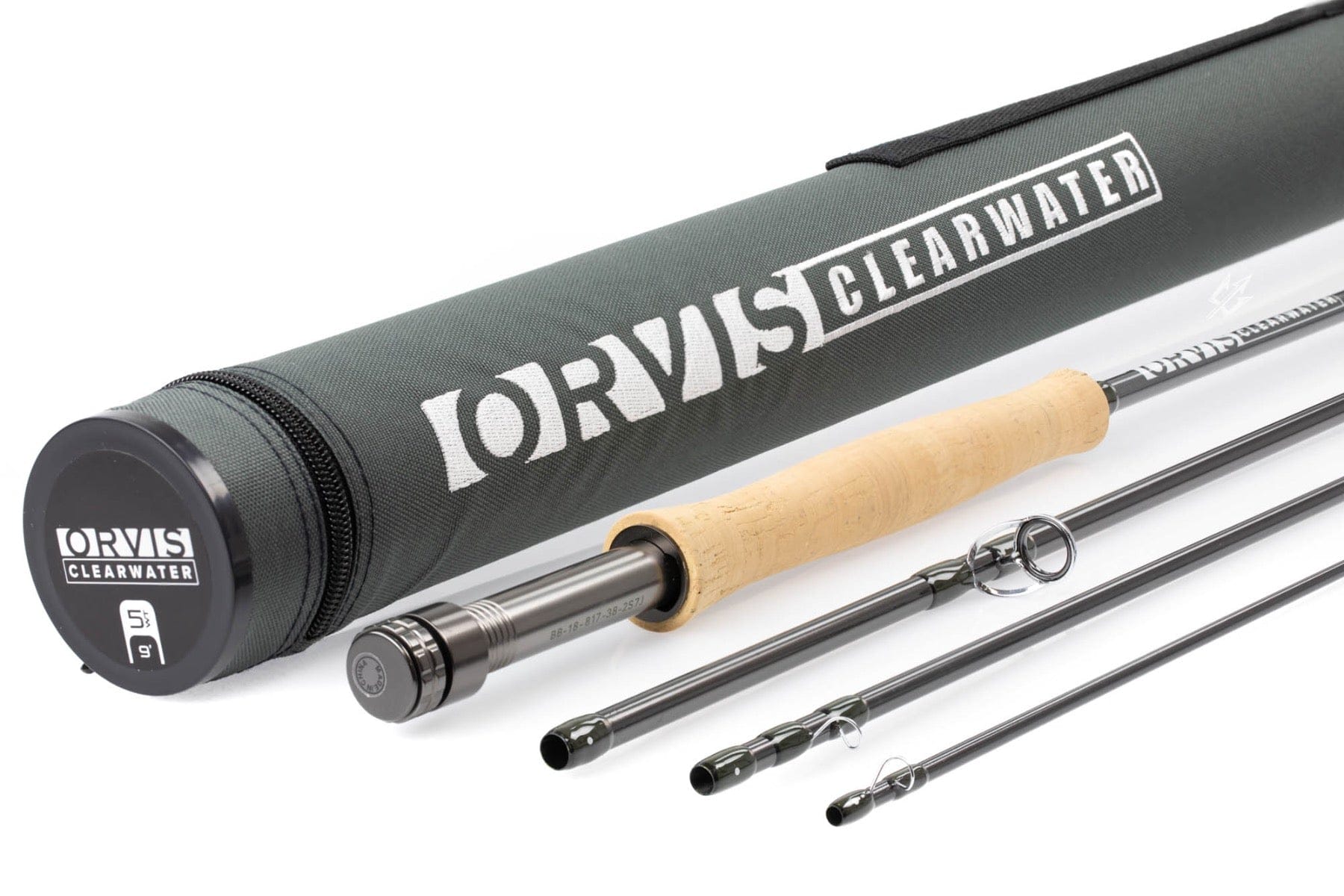
Best Value: Echo Trout Spey Fly Rod - An excellent entry point into the world of two-handed trout fishing without breaking the bank. This series provides a forgiving action that helps beginners feel the load and execute sustained anchor casts with ease.
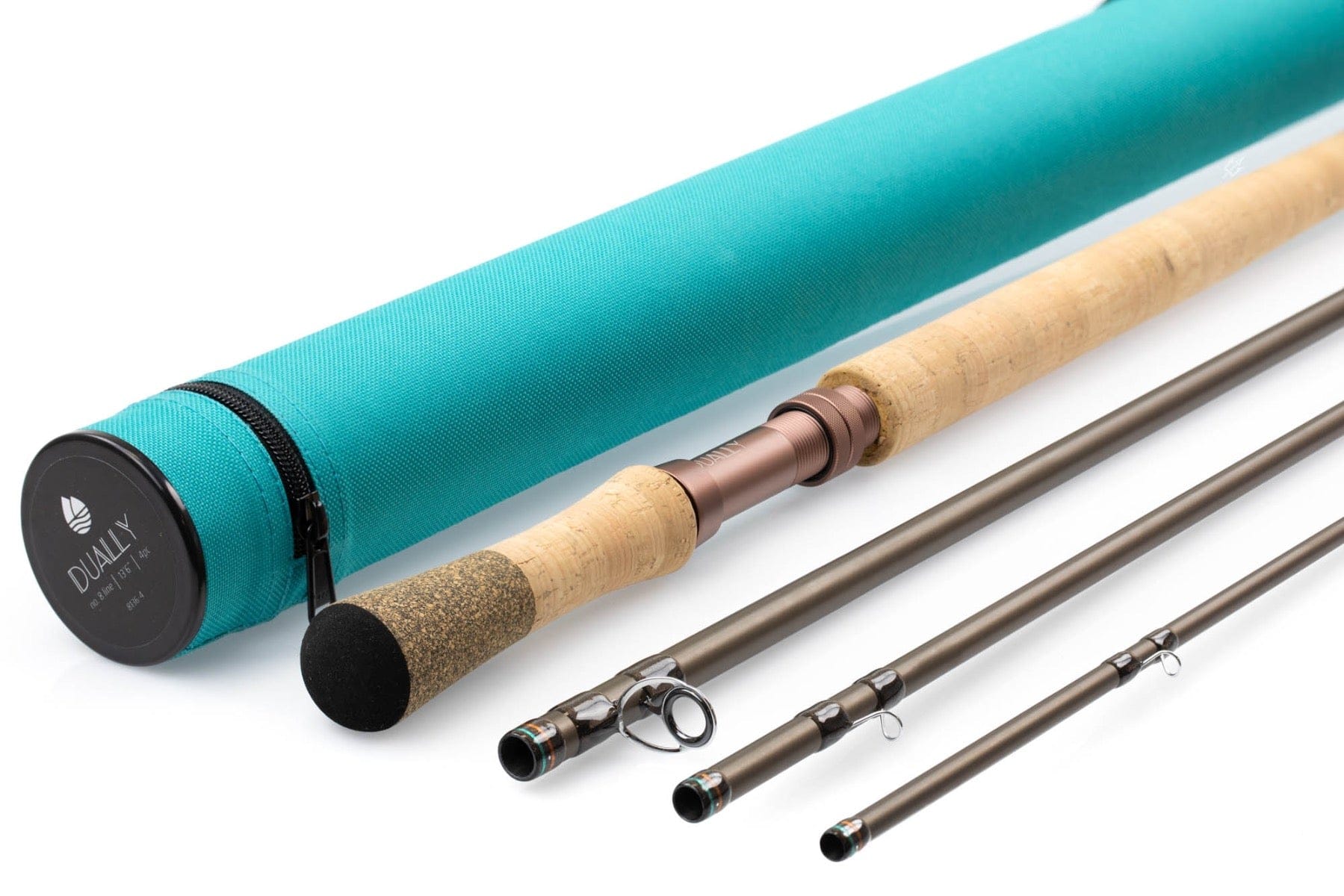
Best for Streamers: G. Loomis IMX-Pro V2 Short Spey - Built with extra power in the lower section to lift heavy sink tips and turn over large articulated flies. This rod is a workhorse for anglers chasing predatory trout in larger river systems.
How to Choose Trout Spey Fly Rods
Trout Spey creates a bridge between traditional single-hand fishing and full-sized Spey casting. Choosing the right tool depends on the size of your water, the flies you fish, and your preferred casting style.
Understanding Line Weights
Trout Spey line ratings are different from single-hand rod ratings. A 3-weight Trout Spey rod is roughly equivalent to a 6-weight single-hand rod in power. Use this general guide:
2-Weight: Ideal for soft hackles, small wet flies, and smaller trout. Matches well with a 5-weight single-hand equivalent.
3-Weight: The most versatile all-around size. Great for swinging moderate streamers and nymphing on medium-sized rivers.
4-Weight: Built for heavy lifting. Use this for throwing large streamers, heavy sink tips, and targeting trophy trout or small steelhead.
Action and Length
Most Trout Spey rods fall between 10'6" and 11'6". Shorter rods (around 11') are easier to manage in tight quarters and are excellent for "Short Spey" or Skagit-style casting. Longer rods offer better line control for mending and can cast slightly longer distances on wide open water. Medium-fast actions are generally preferred for Skagit casting (sustained anchor), as they load deeply and launch heavy tips with ease. Fast actions are often better suited for Scandi casting (touch-and-go) where high line speed and tight loops are the goal.
Care & Maintenance
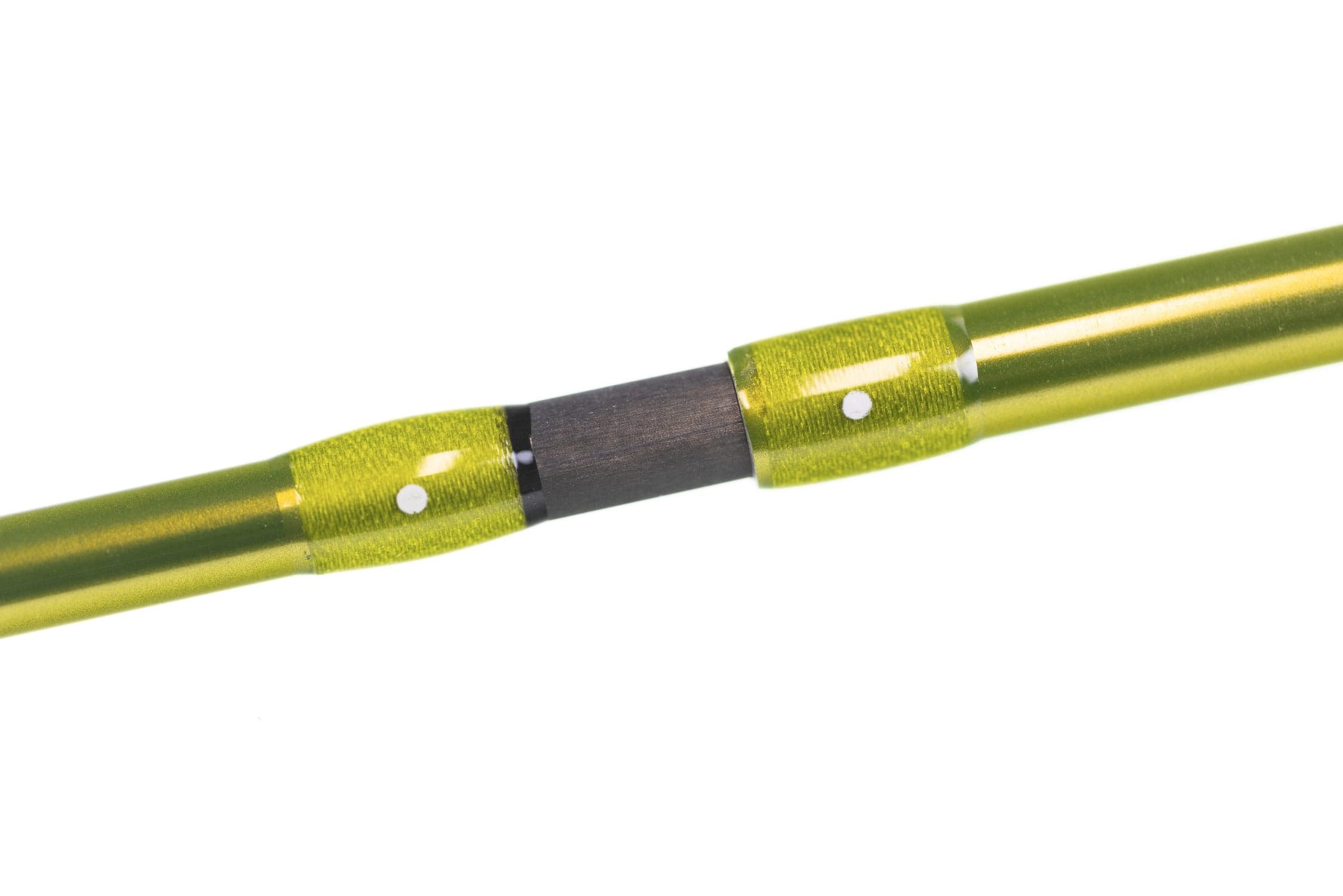
Ferrule Wax: Two-handed casting places significant torque on rod connections. Apply ferrule wax to keep sections secure and prevent them from twisting or sticking during a long day of casting.
Tape Your Ferrules: For aggressive Skagit casting, consider using electrical tape on the ferrules to ensure they don't loosen over time, which can lead to breakage.
Clean Cork: After handling fish, clean the cork grip with mild soap and warm water to maintain a good grip and prevent degradation.
Complete Your Setup
Related Gear
Spey Fly Lines - Essential for loading these rods; choose Skagit for streamers or Scandi for soft hackles.
Related Guides
Trout Spey Fly Rods FAQs
Q: Can I use a standard single-hand fly line on a Trout Spey rod?
A: Generally, no. Trout Spey rods require lines with much heavier grain weights to load the rod for Spey casting. While you can overhead cast a single-hand line, it won't perform well for water-anchored casts.
Q: What reel size do I need for a Trout Spey rod?
A: You typically need a reel sized up 2-3 weights from the rod's rating to balance the longer length and accommodate thicker Spey lines. For a 3-weight Trout Spey rod, a reel designed for a 5 or 6-weight single-hand line is usually appropriate.
Q: Is Trout Spey good for beginners?
A: Yes, it is a fantastic way to learn two-handed casting mechanics on a smaller, more manageable scale. The lighter gear is less fatiguing than full-sized Spey gear, allowing for longer practice sessions.
Q: What is the difference between Skagit and Scandi lines for trout?
A: Skagit heads are short and heavy, designed to cast sink tips and large flies with a sustained anchor cast. Scandi heads are longer and more tapered, designed for delicate presentations of smaller flies using touch-and-go casts.