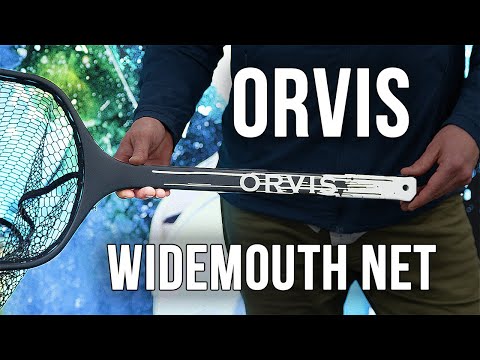
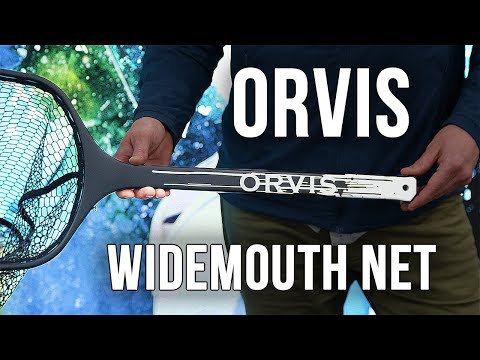
Orvis Widemouth Hand Net | Insider Review
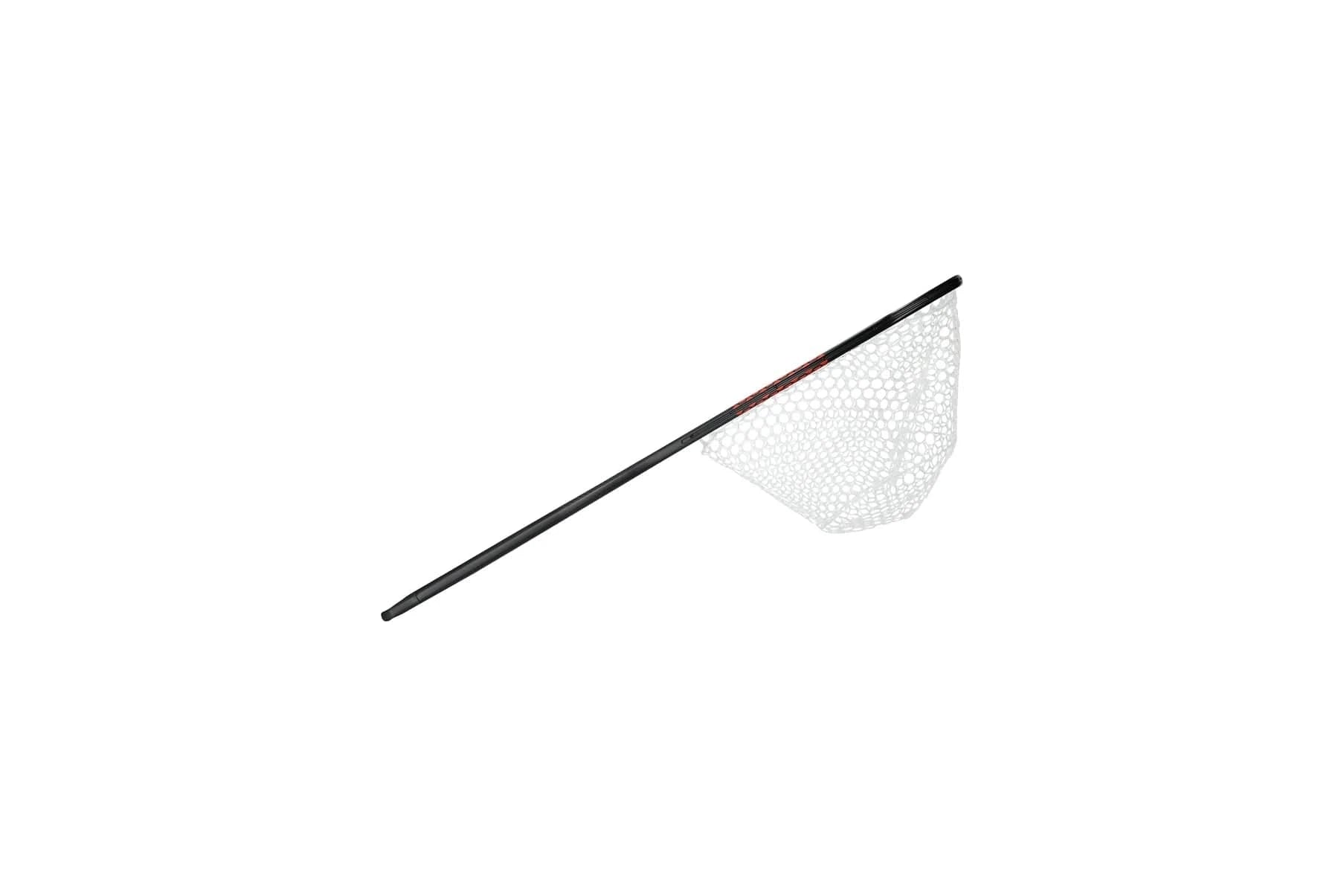
Landing Nets Quick Picks
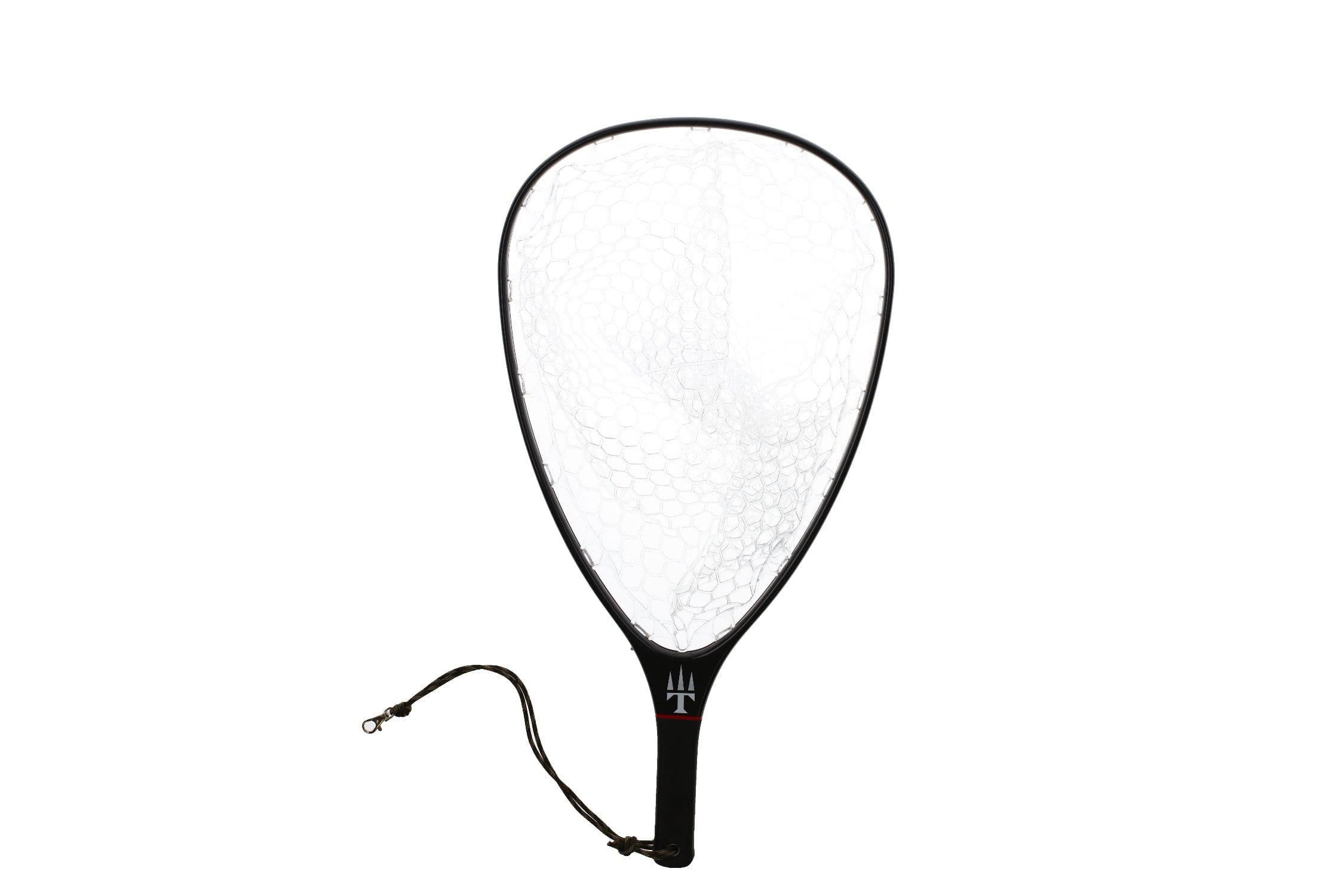
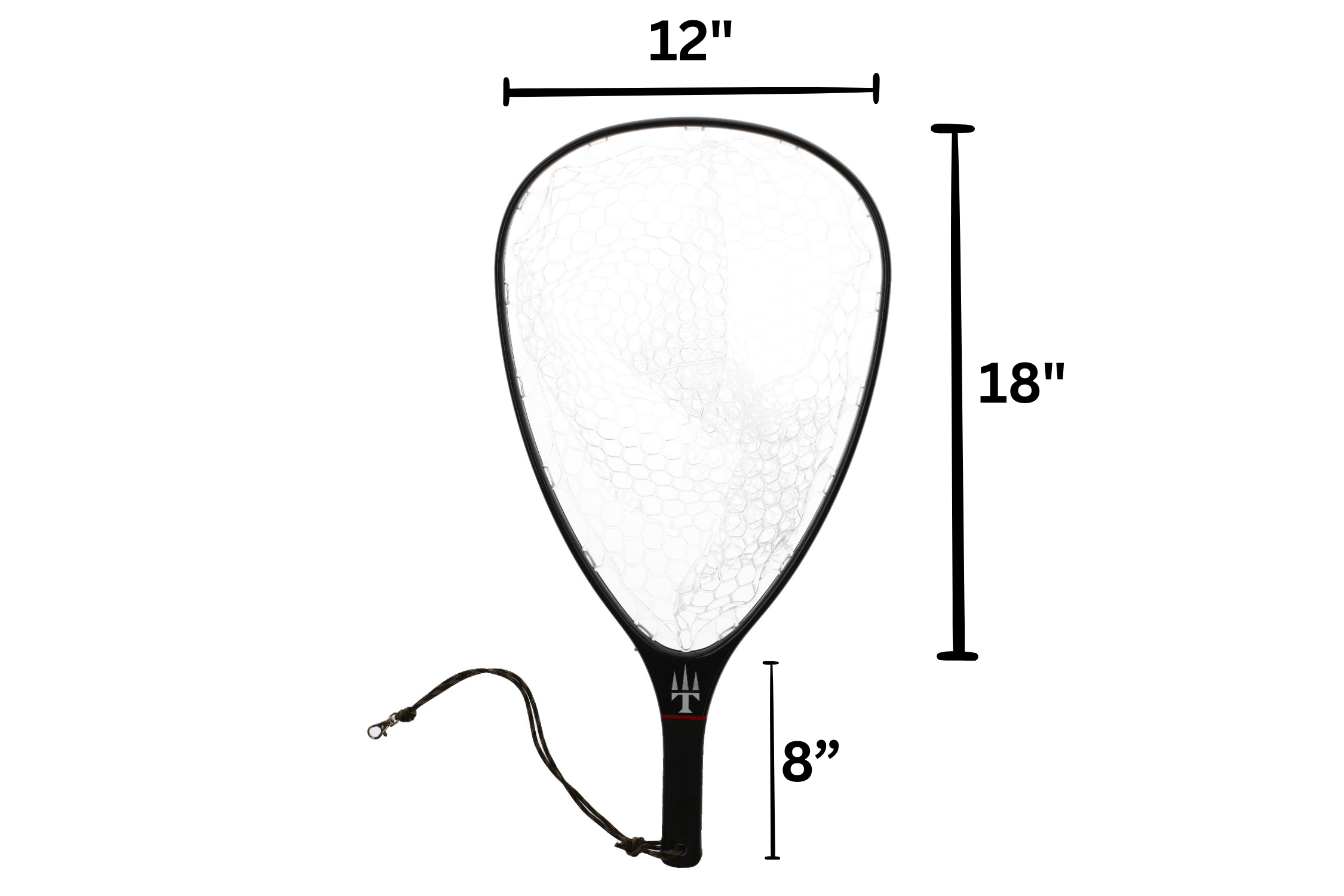
- Best Value: Trident Basics Hand Net - For anglers who want a dependable wading net without spending big. Simple sizing and a wide opening make it an easy “grab-and-go” choice for everyday trout water.
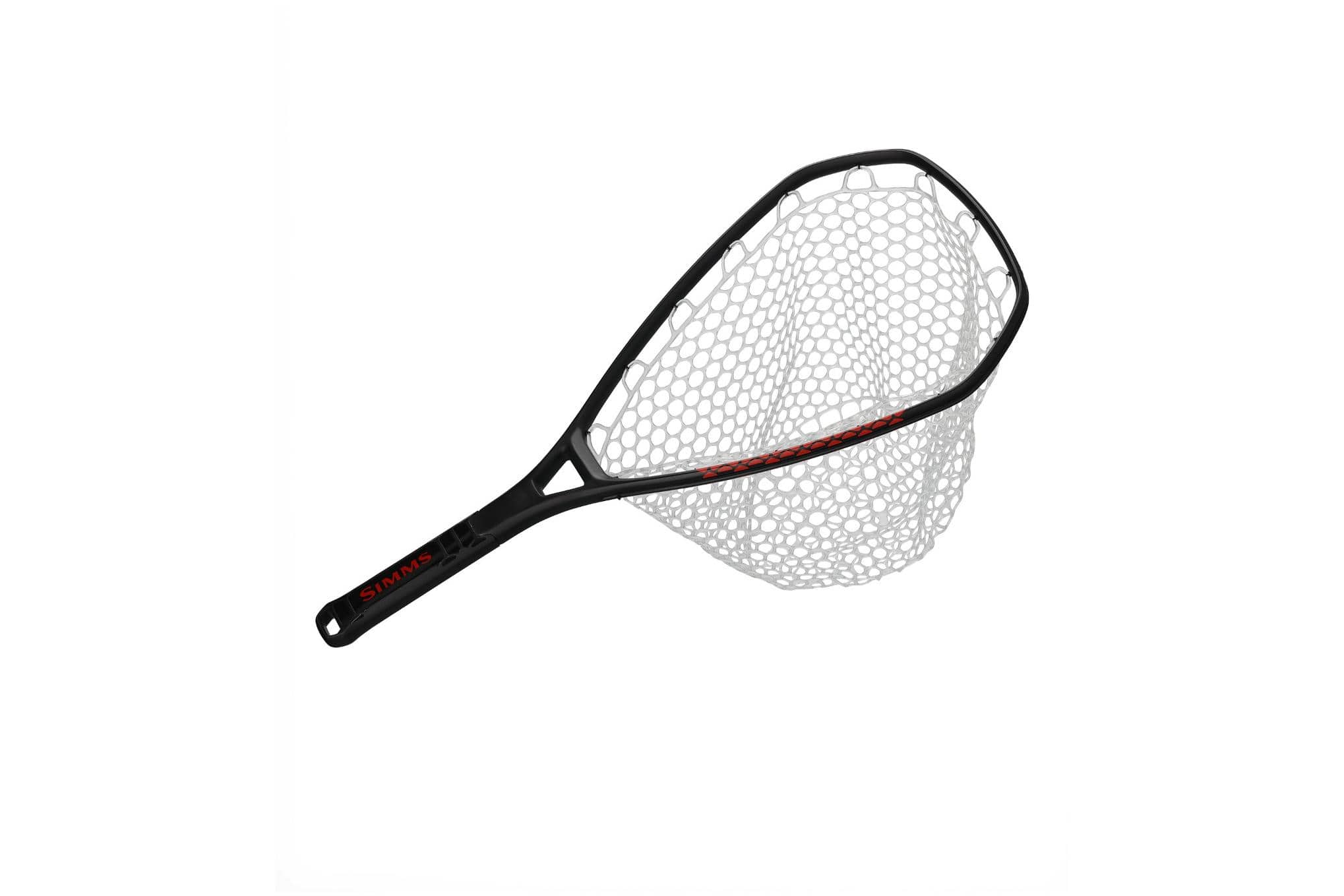
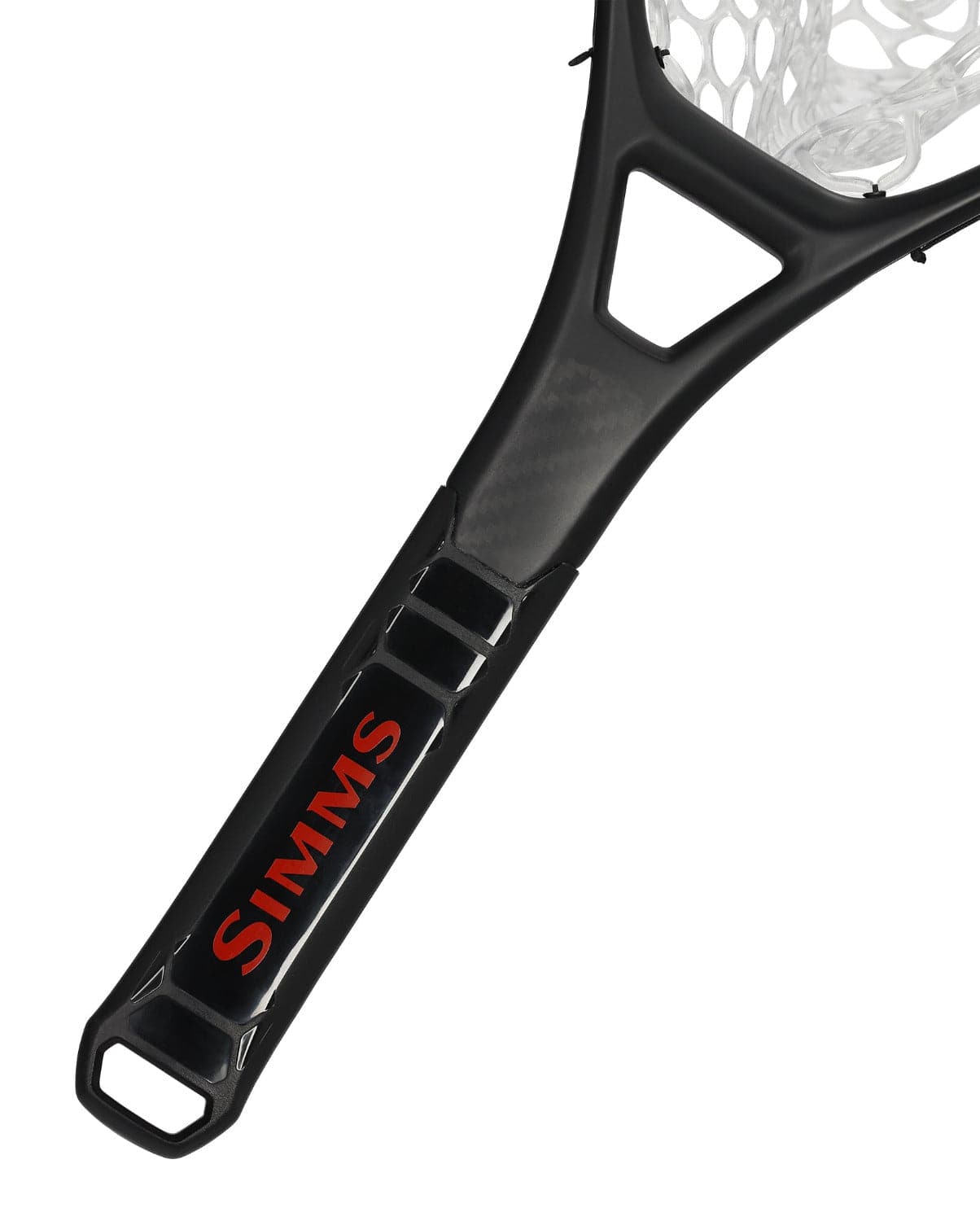
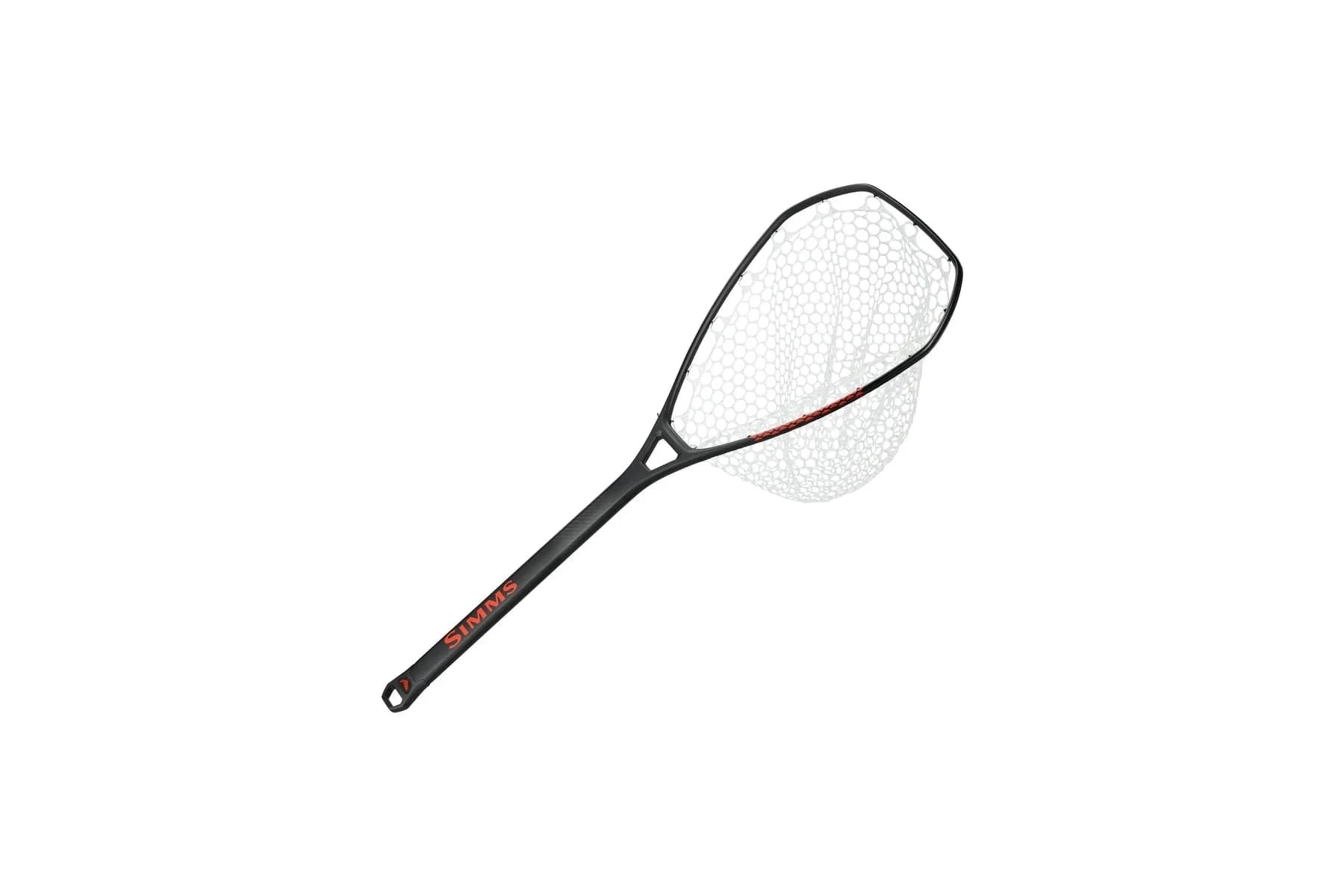
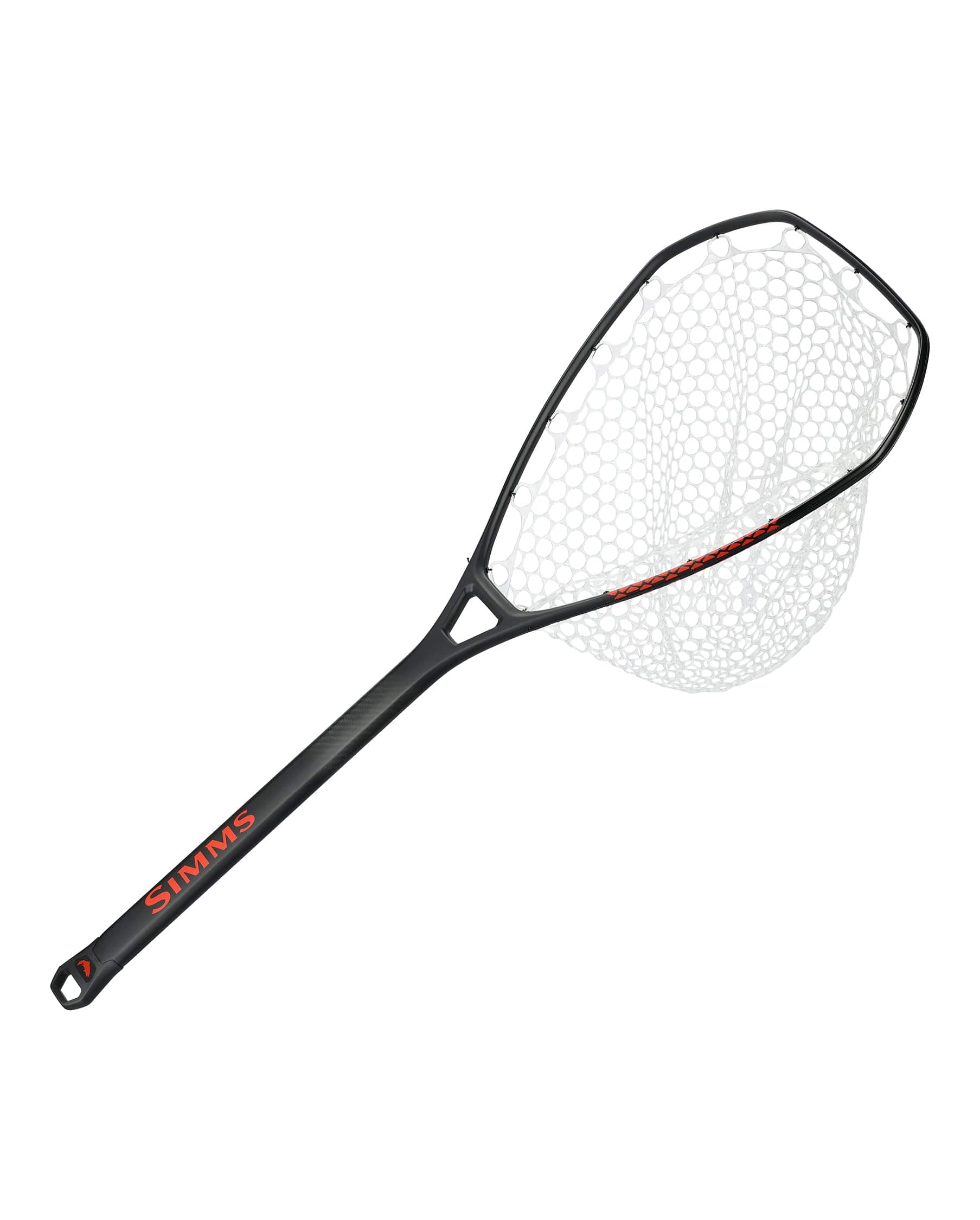
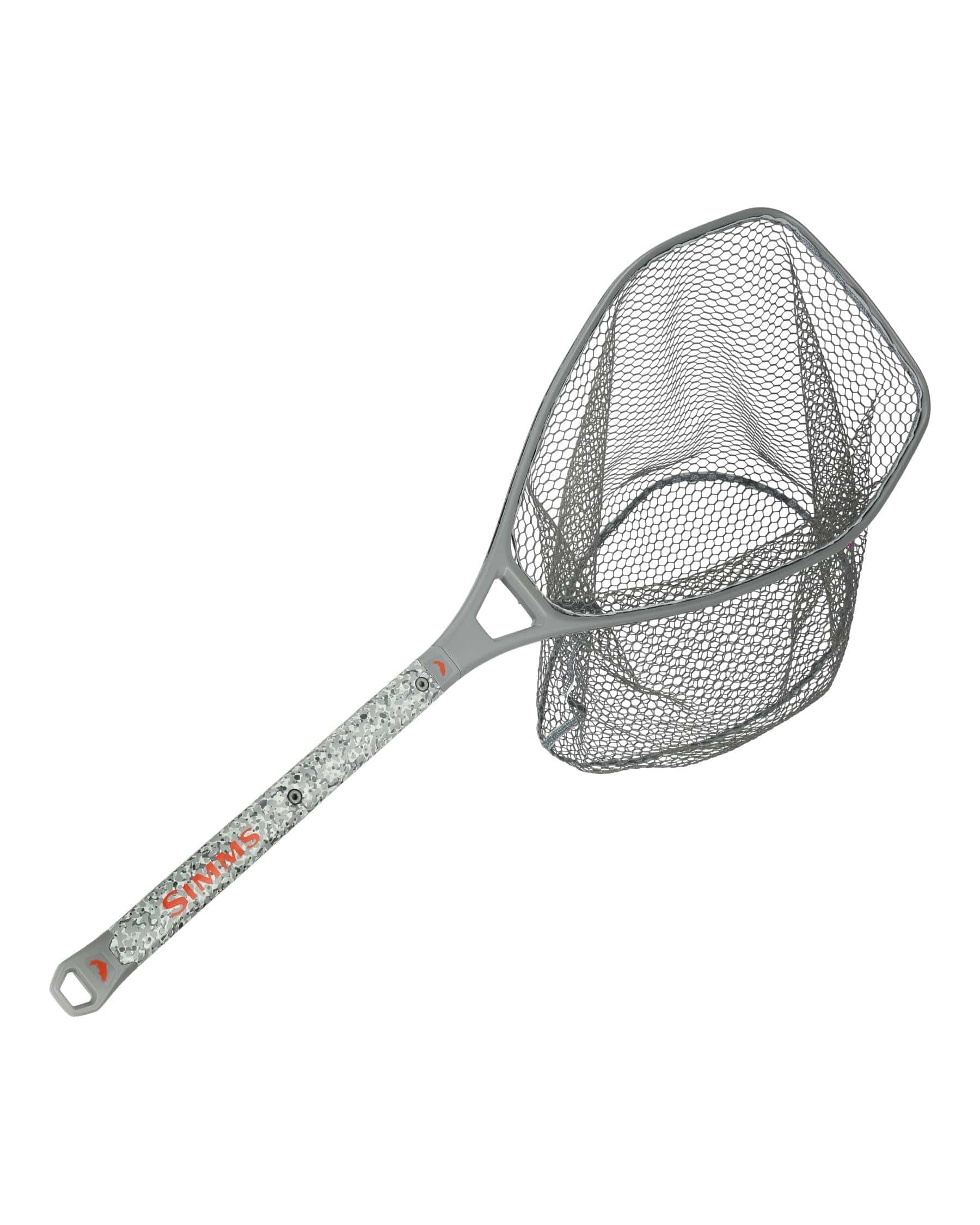
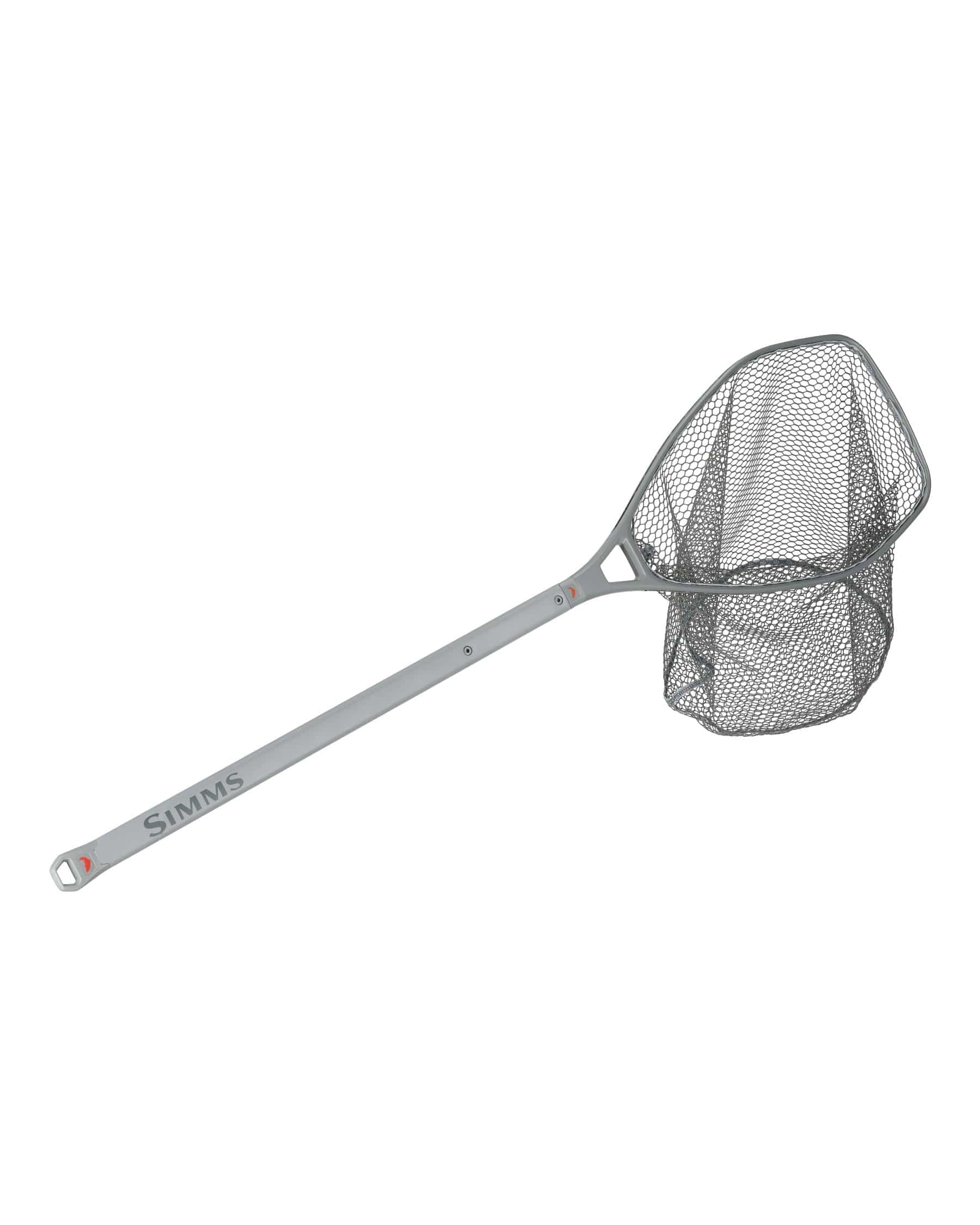
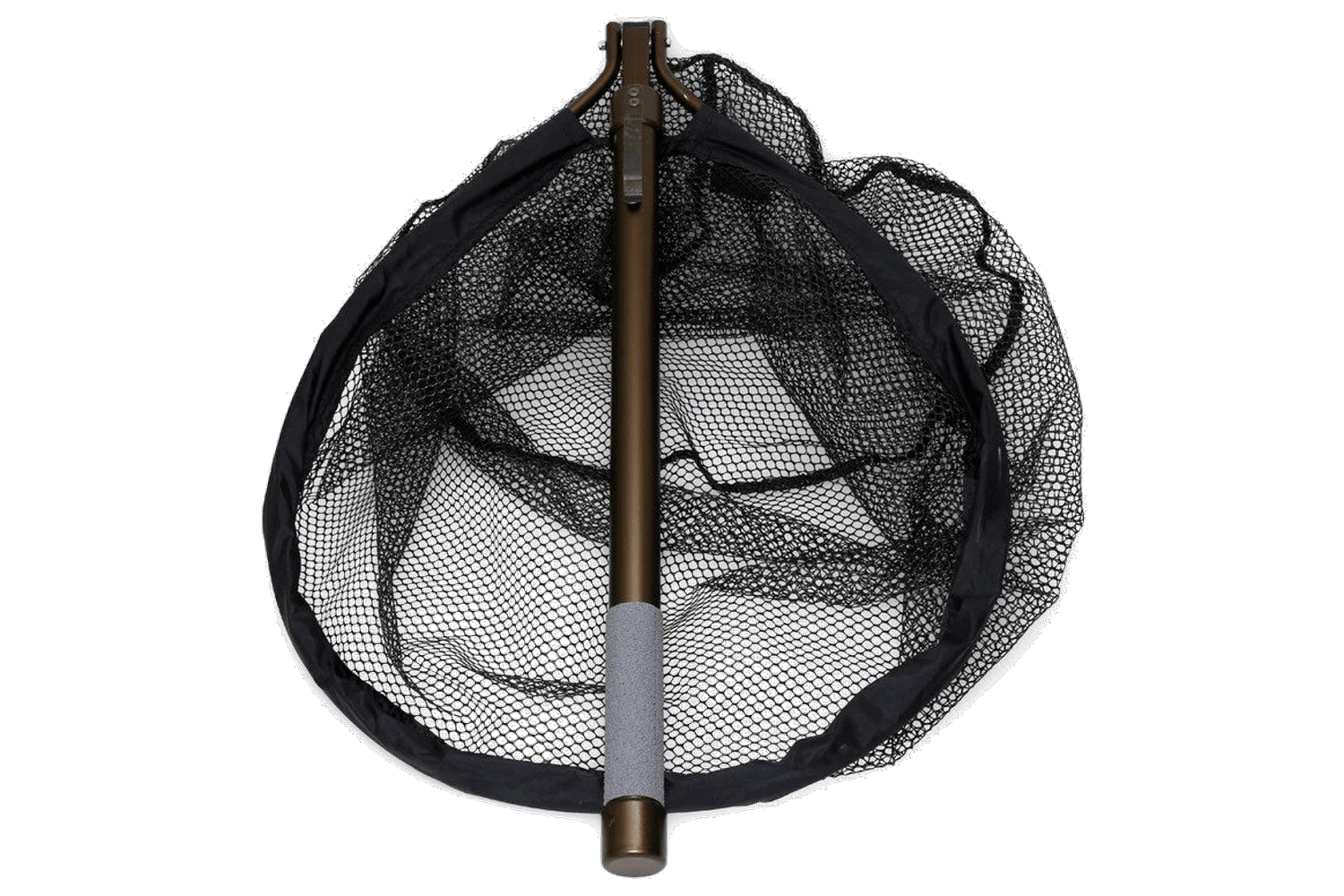
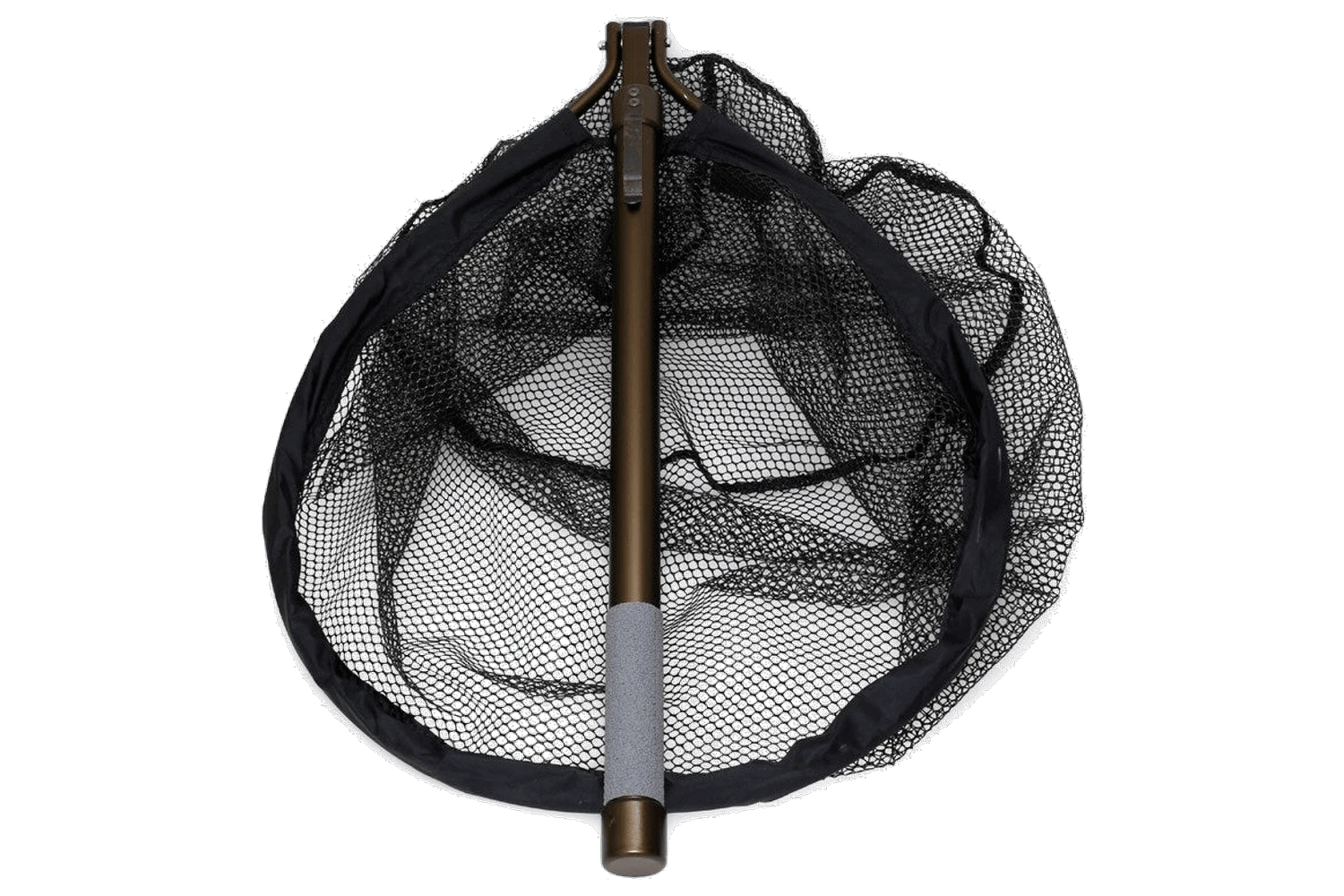
- Best All-Around: Simms Daymaker Landing Net - For walk-wade anglers who want a lightweight net that stays easy to carry all day. The carbon-fiber composite frame and fish-friendly bag help streamline quick net-and-release moments.
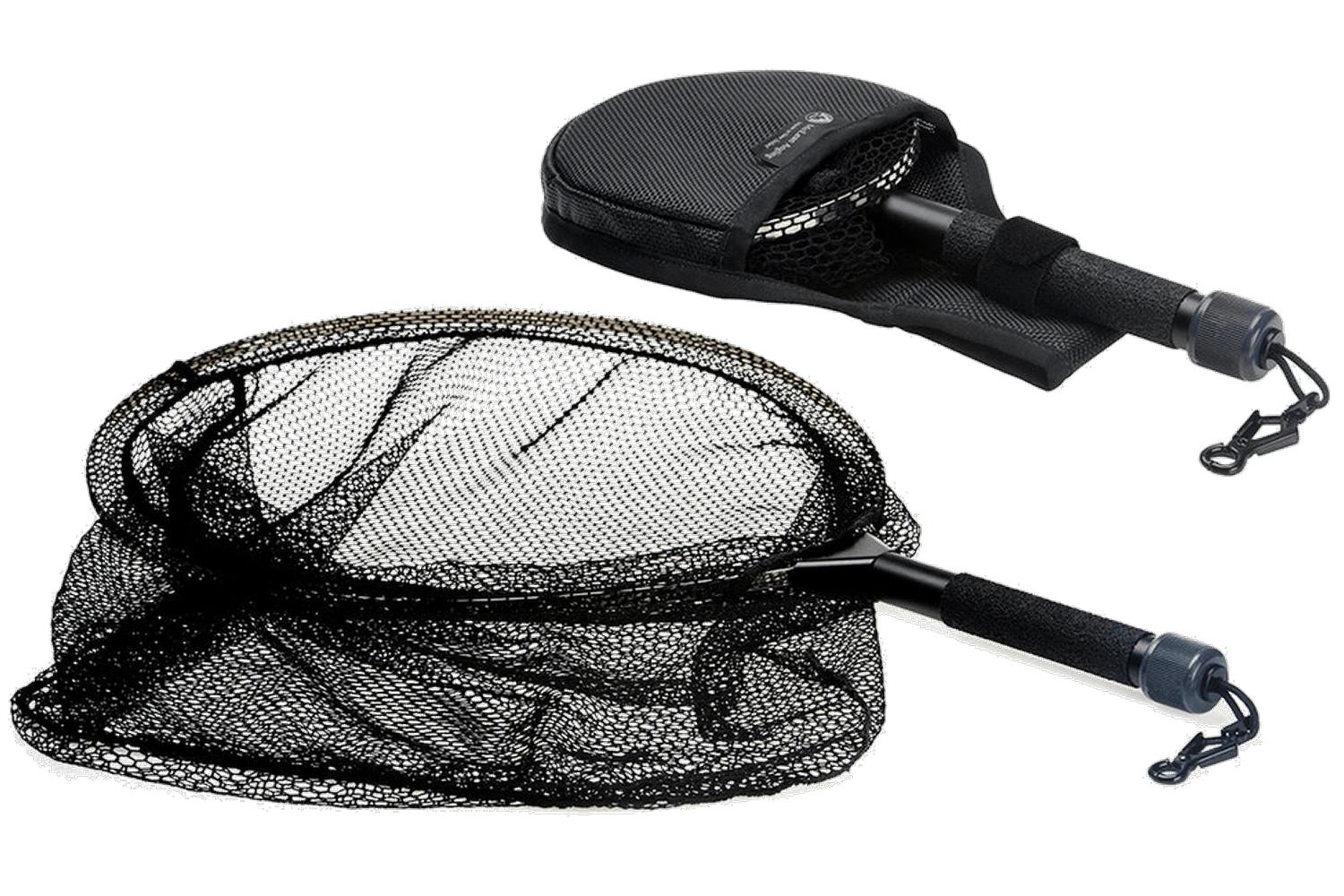
- Best for Small Streams: Simms Small Daymaker Landing Net - For tight quarters, brushy banks, and short-range netting when you’re fishing solo. Compact size keeps it out of the way while still giving you a true rubber-bag landing net.
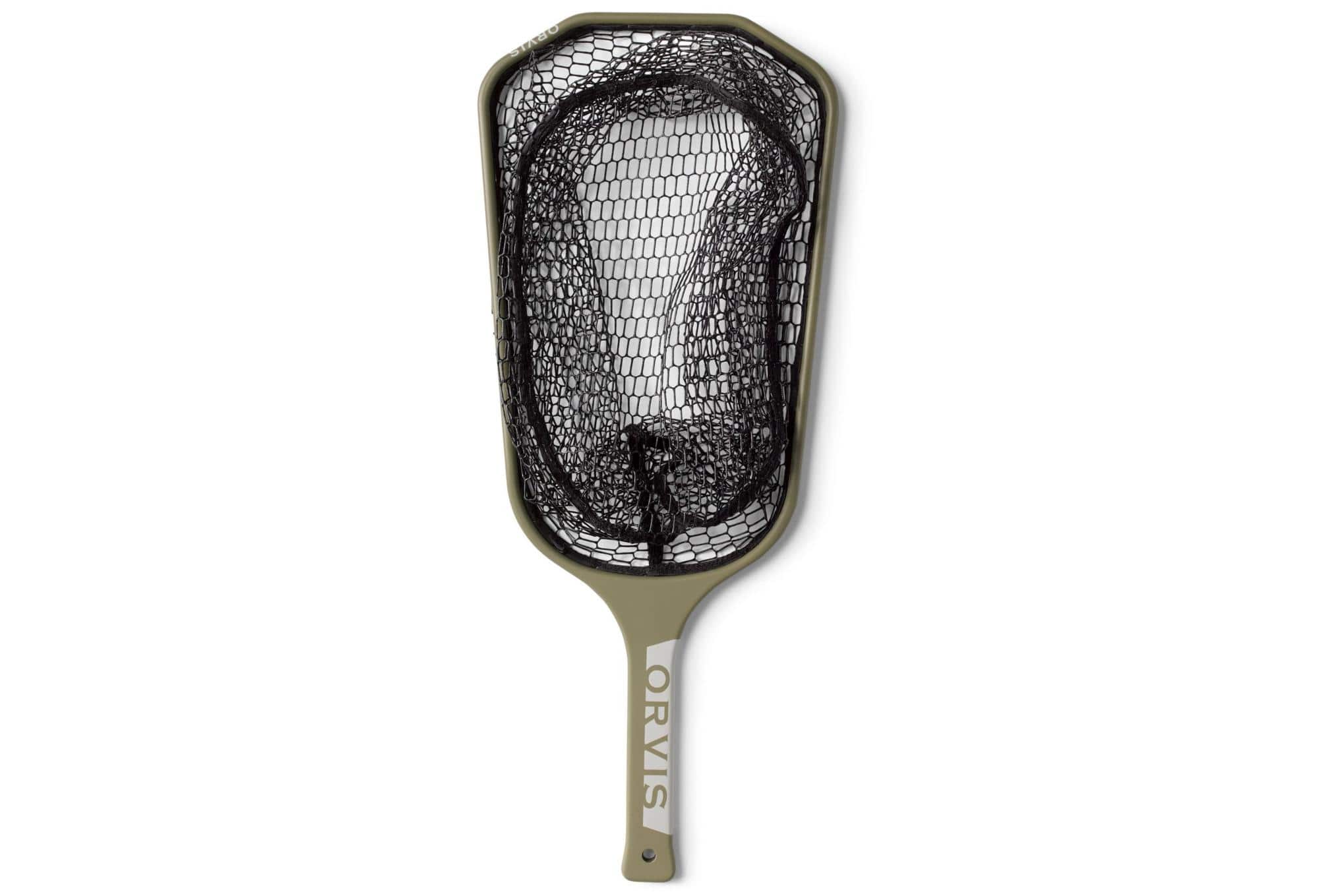
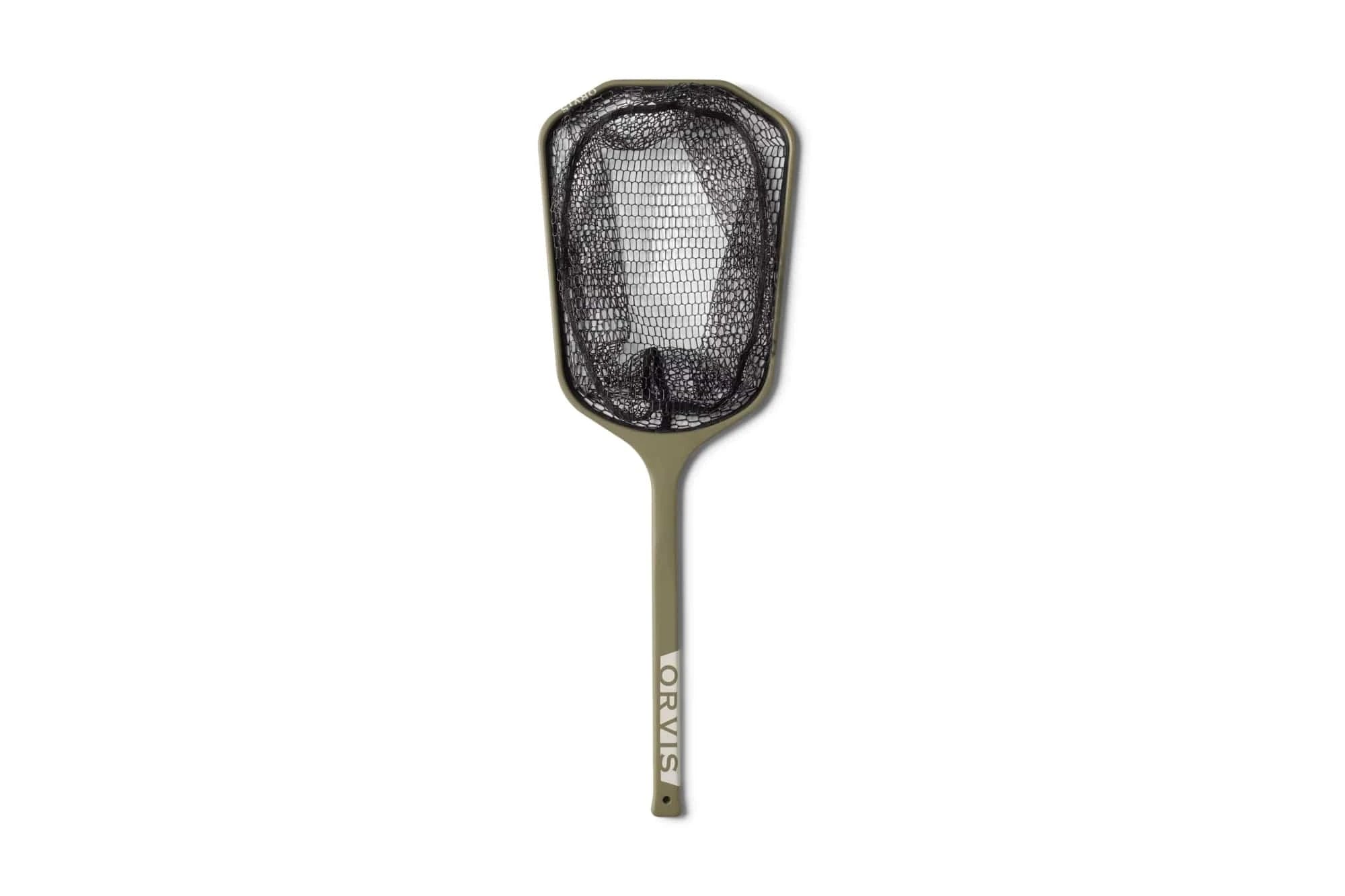
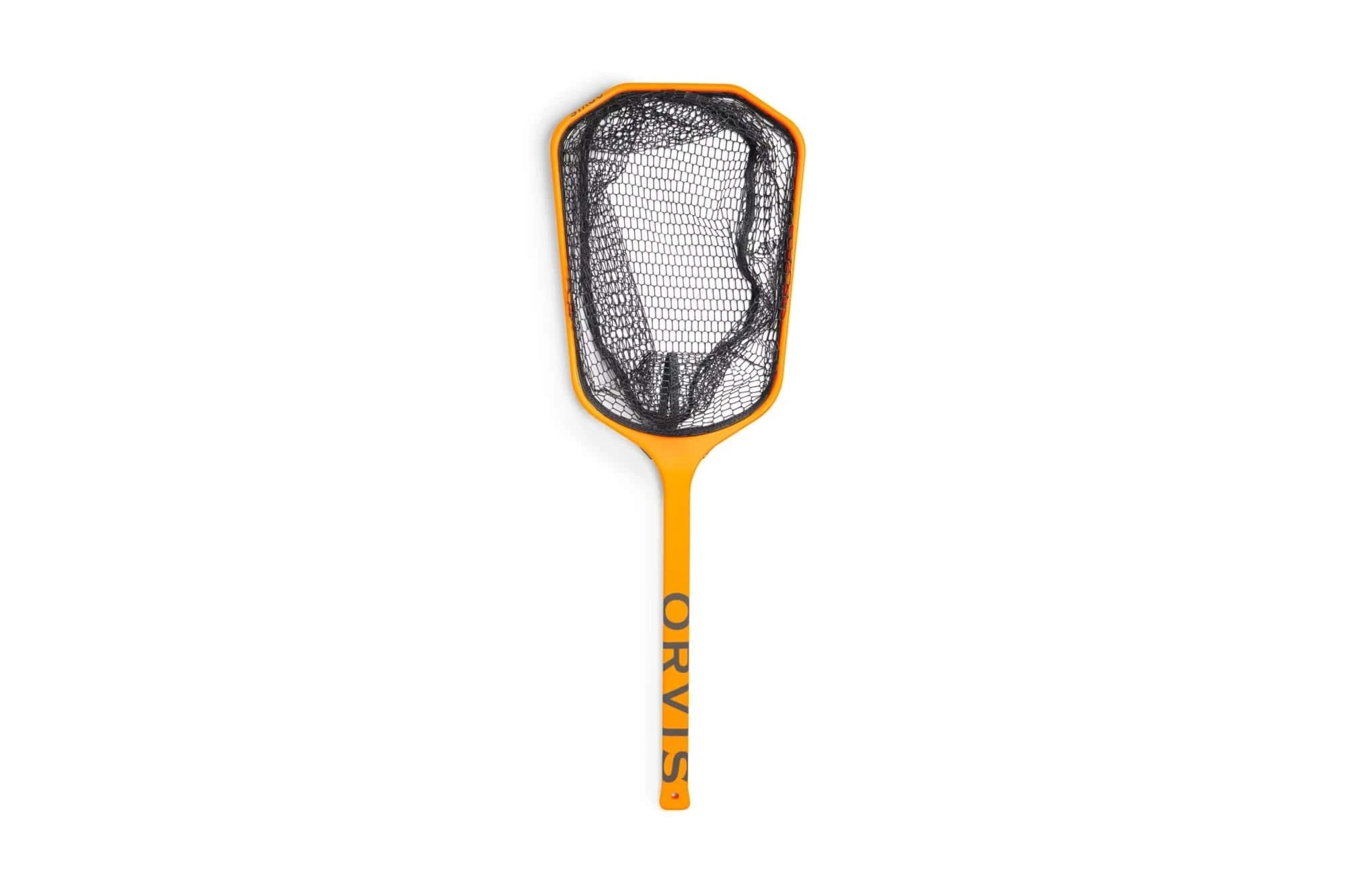
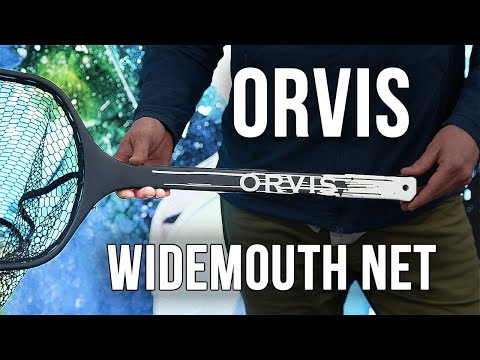
- Best Premium: Orvis Wide Mouth Guide Net - For anglers who want extra hoop size and reach for larger trout or boat-side net jobs. The wide opening and deeper, knotless bag are built for cleaner landings and easier hook removal.
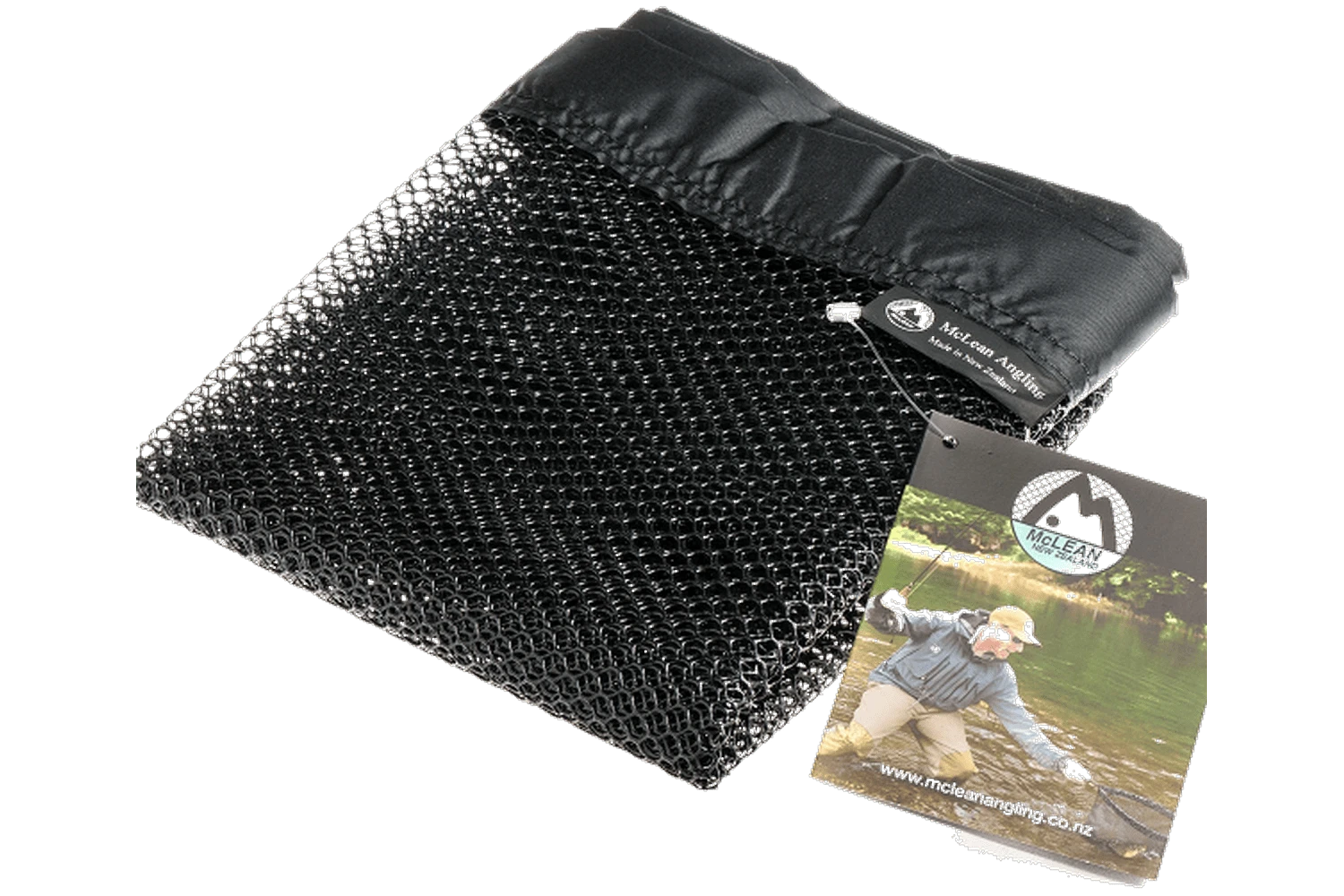
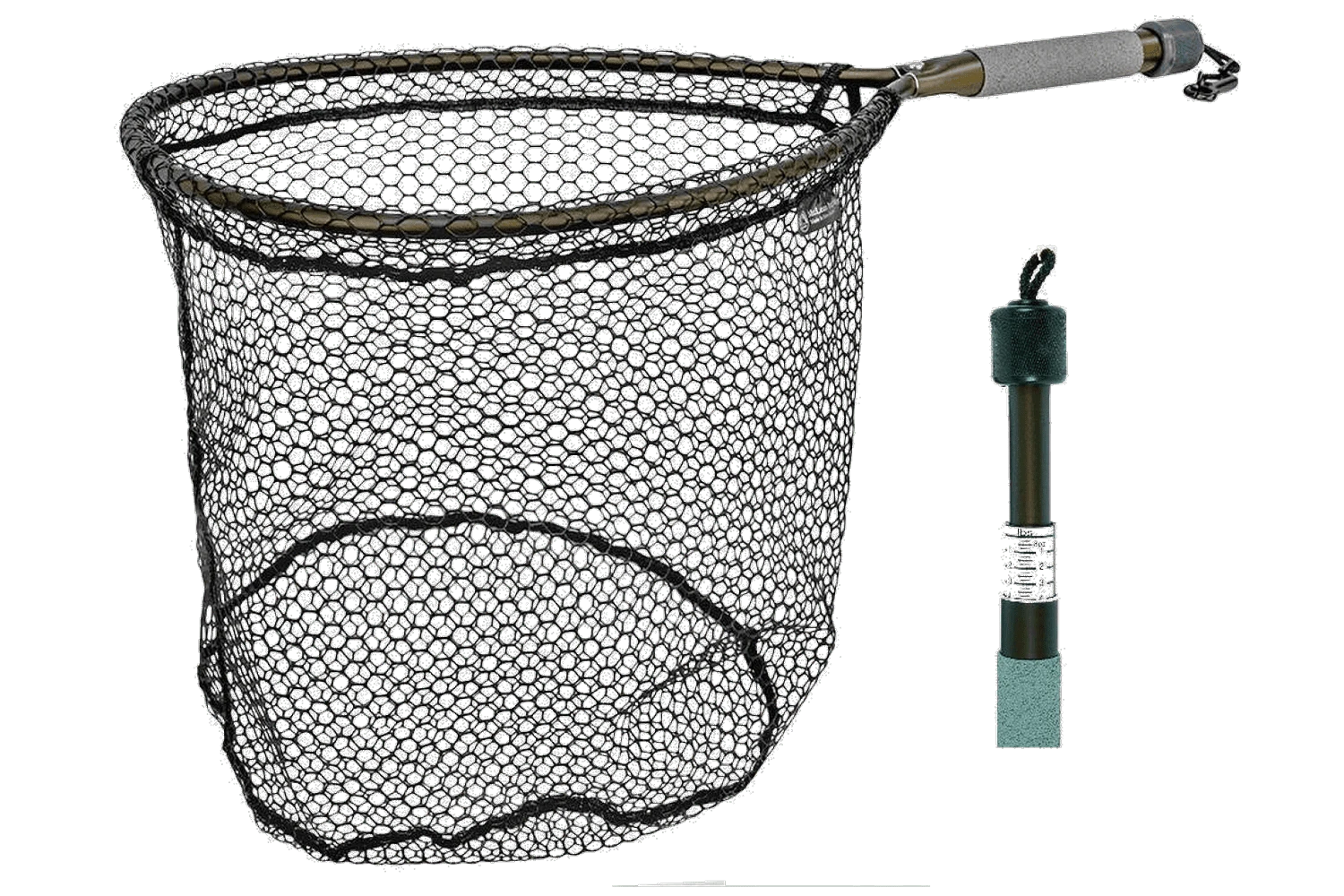
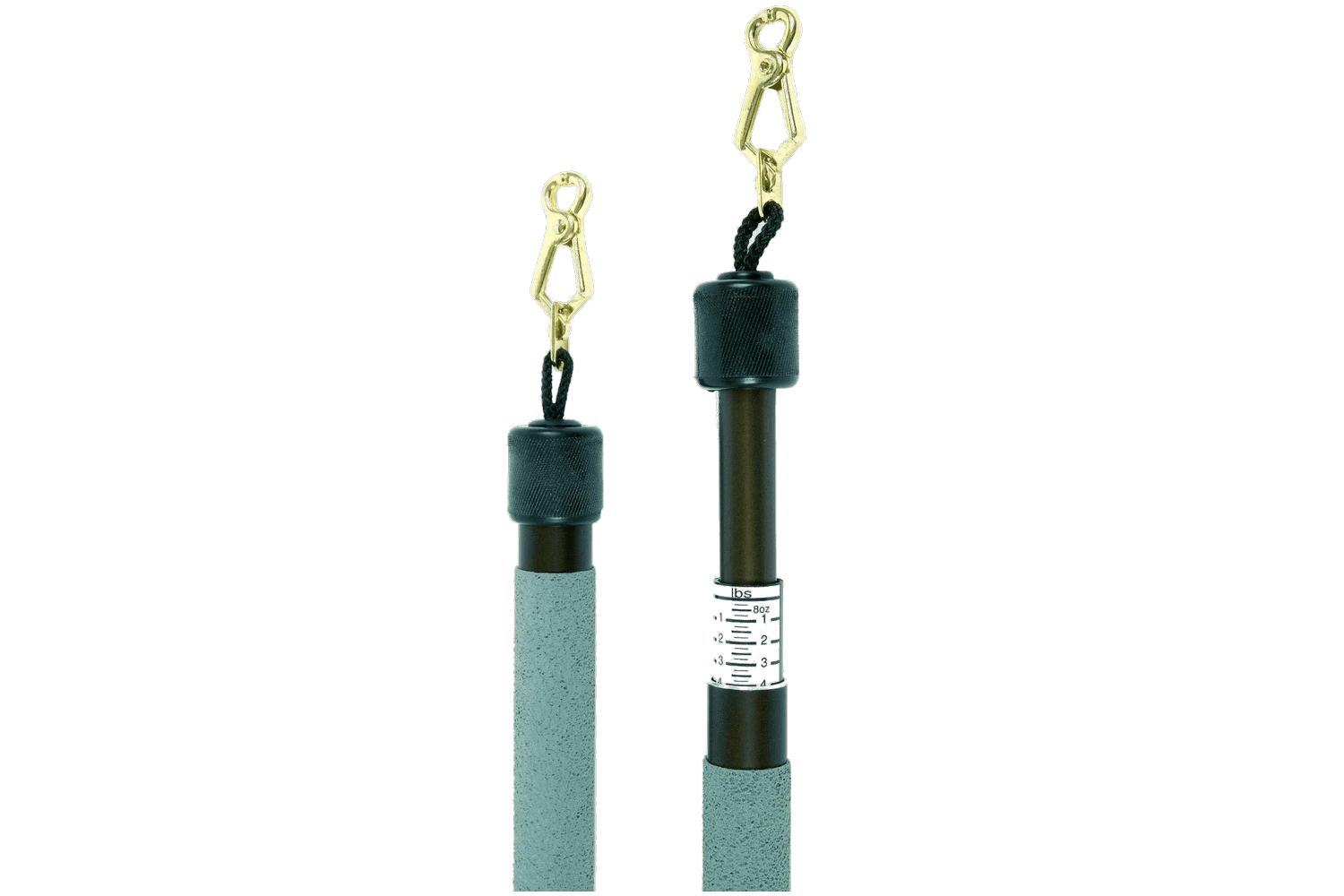
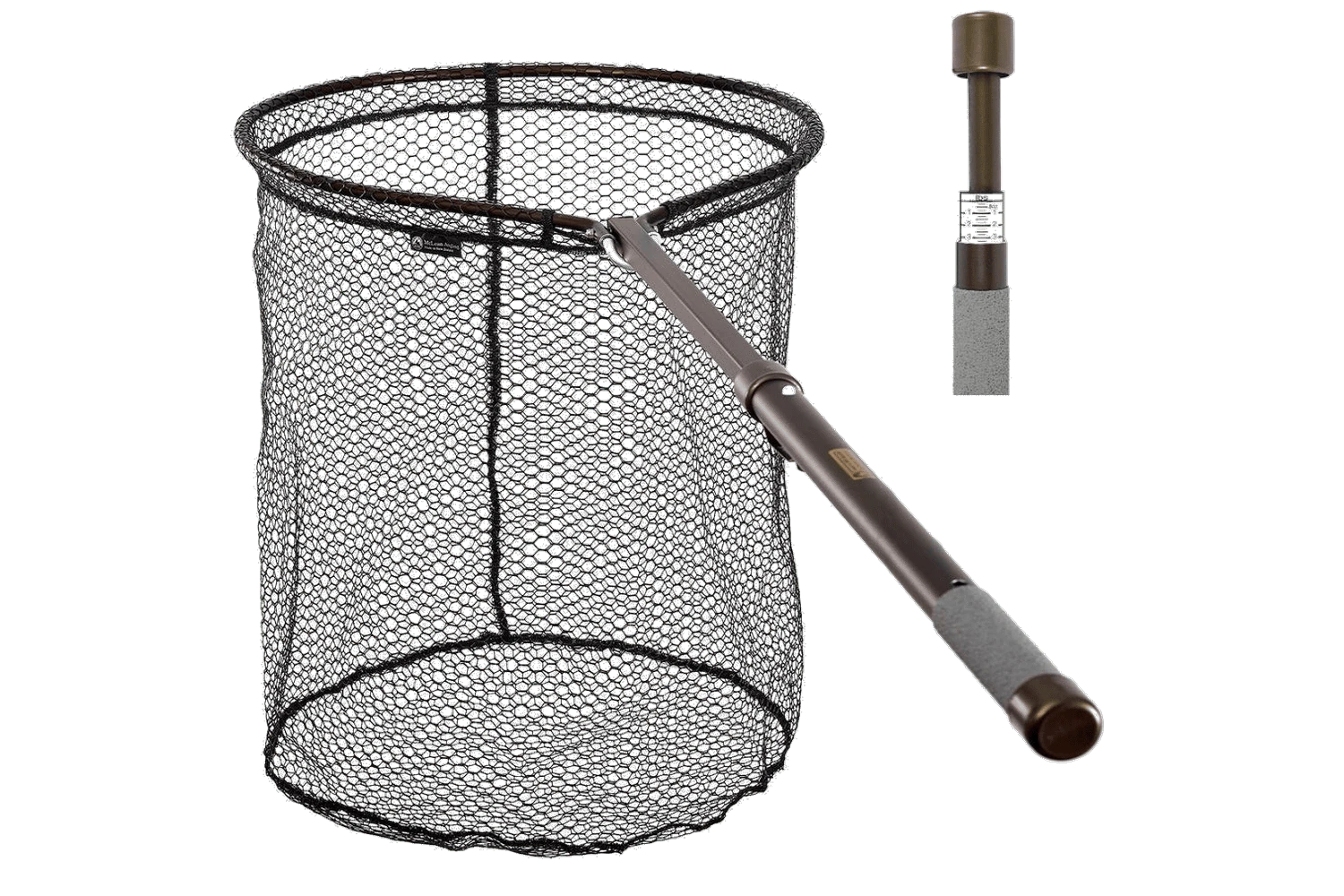
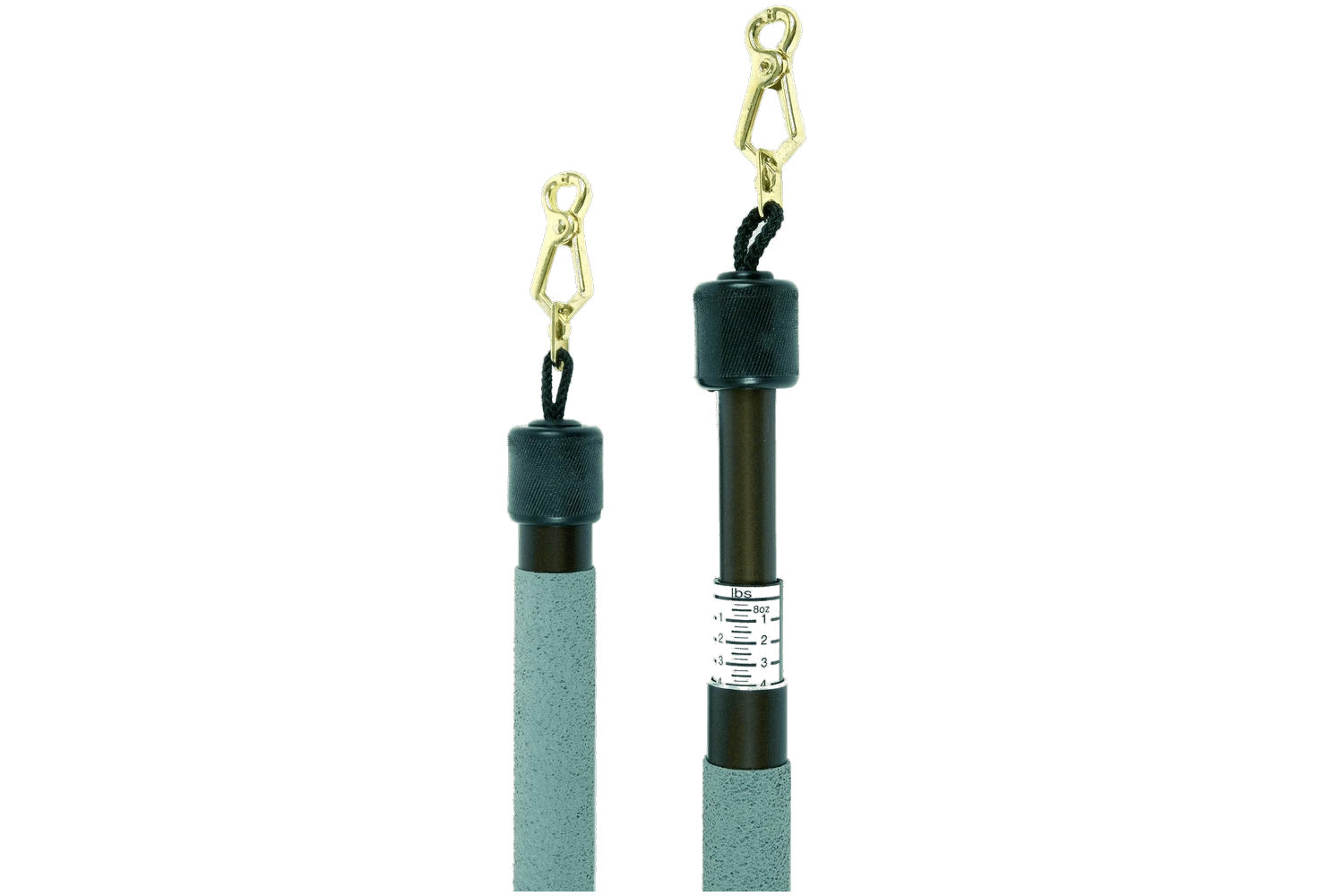
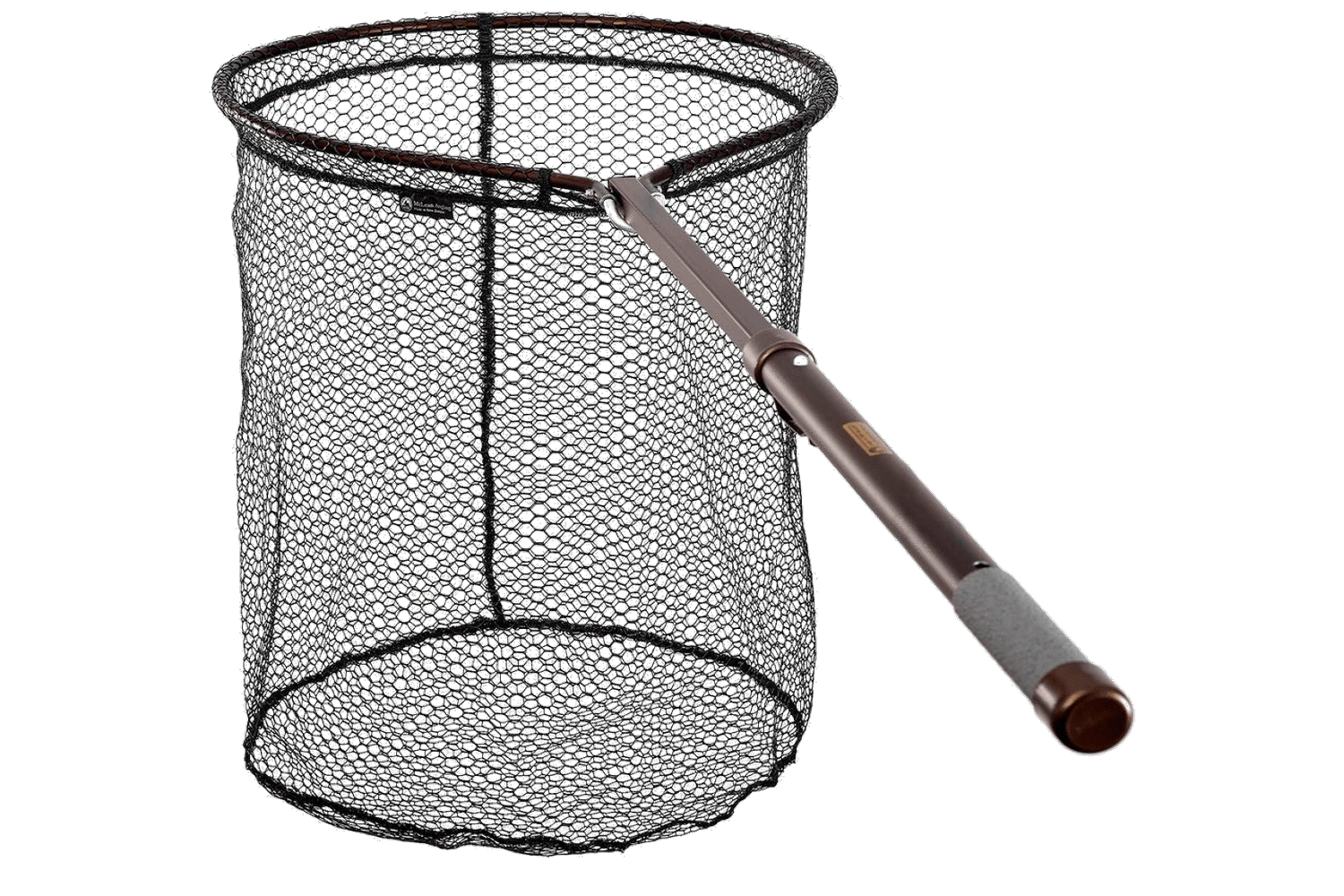
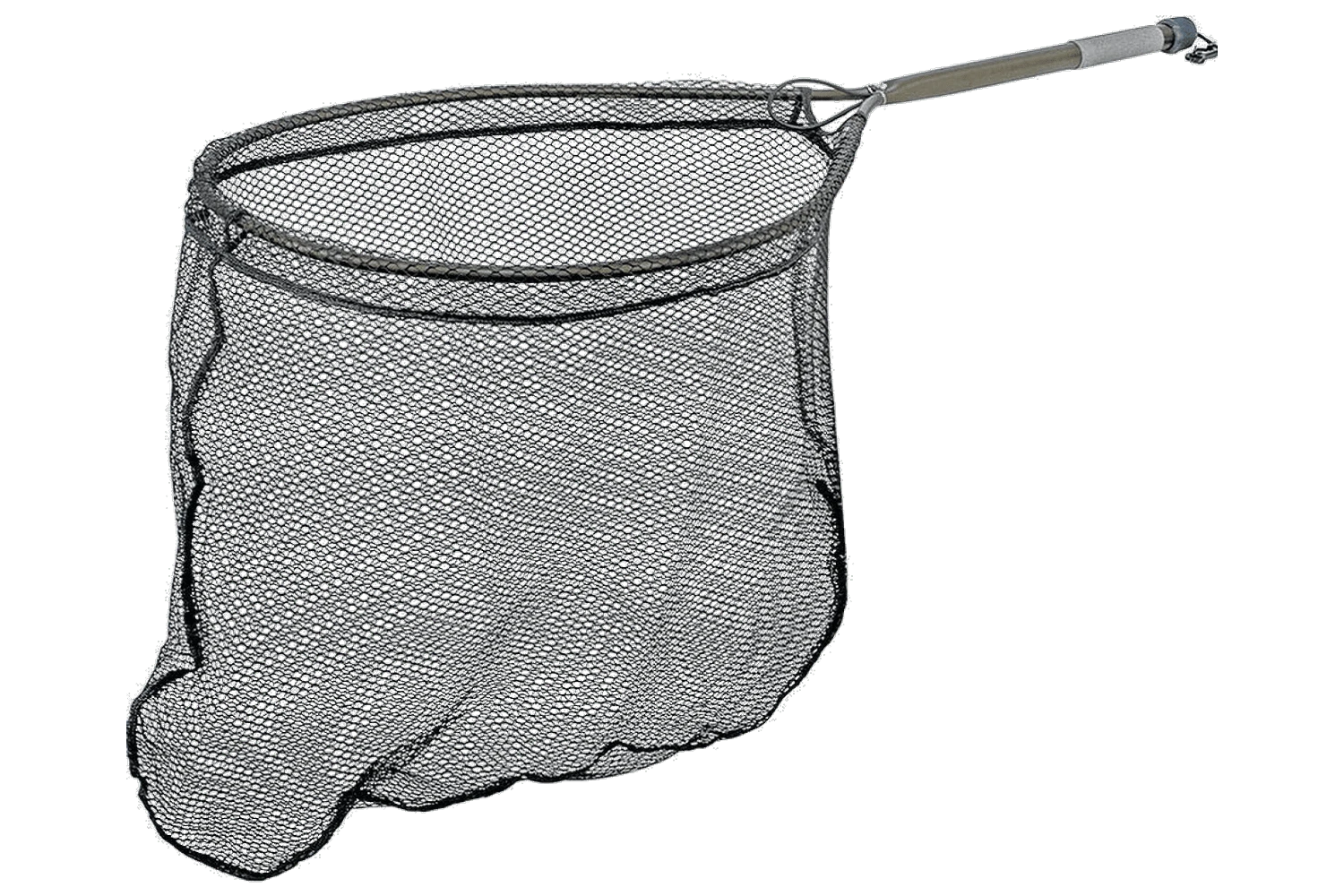
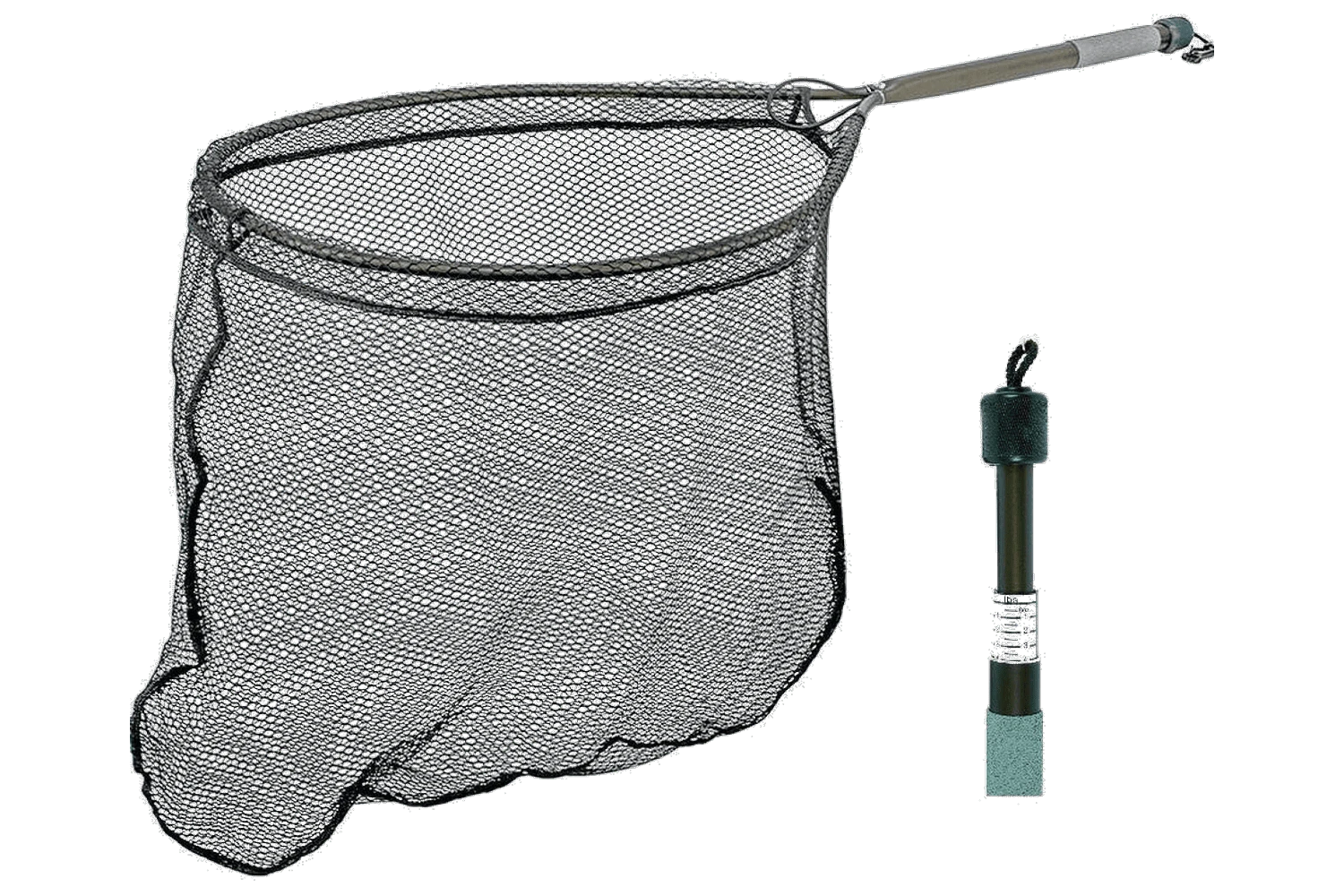
- Best for Measuring & Photos: McLean Angling Short Handle Weigh Net - For anglers who want a net that can also weigh fish without adding another tool. Built-in scale and rubber mesh bag make it a practical choice for quick documentation and release.
How to Choose Landing Nets
Hoop size & bag depth
Action: Match the hoop to the biggest fish you expect to land, not the average one. A larger hoop gives you a bigger “target” when you’re solo, while a deeper bag helps keep fish in the net without squeezing or over-handling.
Avoid if: You fish tight, brushy creeks, oversized hoops can snag branches and feel clumsy in pocket water.
Handle length (wading vs. boat)
Best for: Short handles for wading (easy to maneuver close to your body) and longer handles for drift boats, higher banks, or deep wading where reach matters. If you fish both, lean toward a “guide” style length that covers more situations.
Net bag material (rubber vs. mesh)
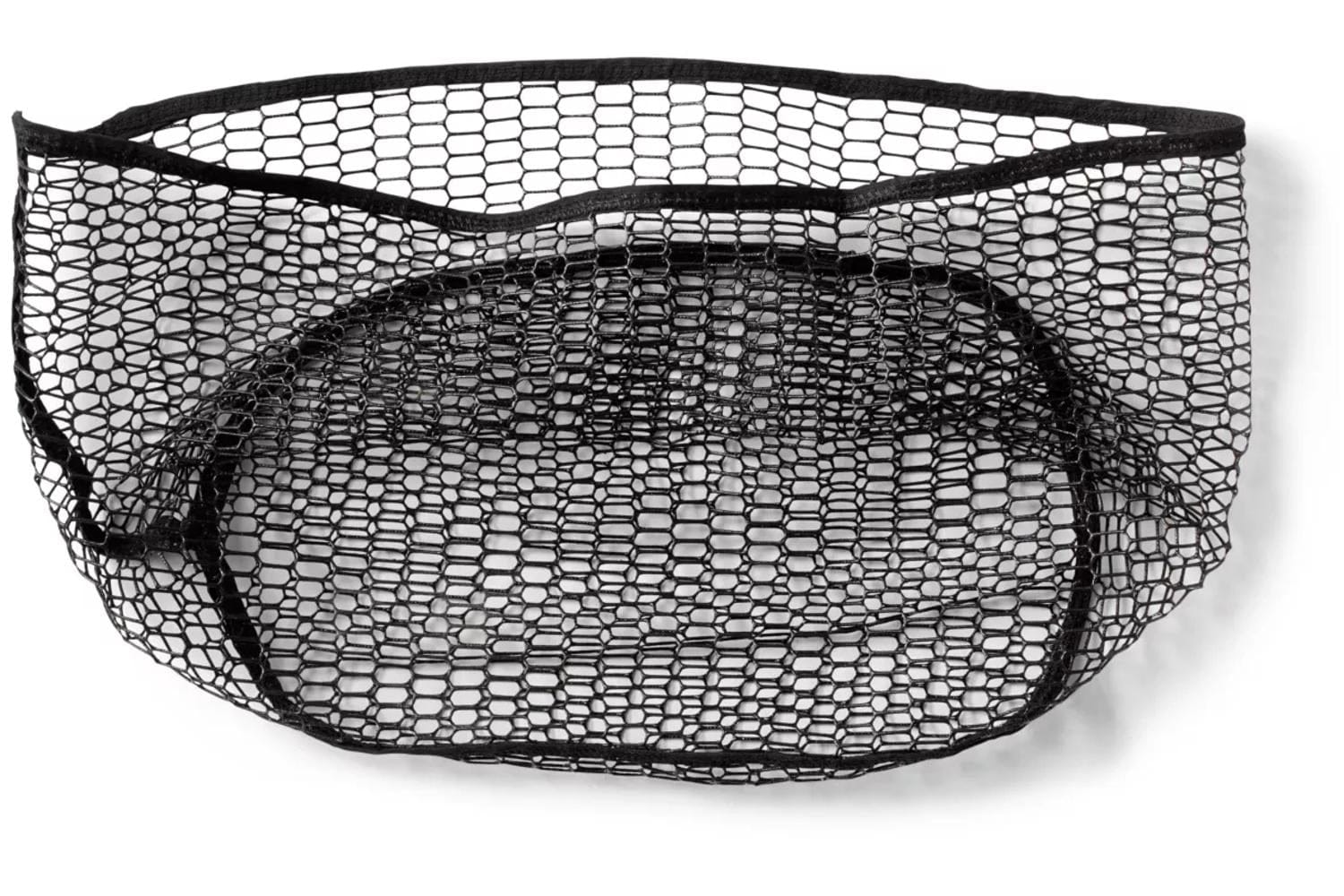
Best for: Rubber or coated, fish-friendly bags when you’re releasing fish and want fewer tangles with droppers. Rubber tends to be more hook-resistant and easier to rinse clean after a long day.
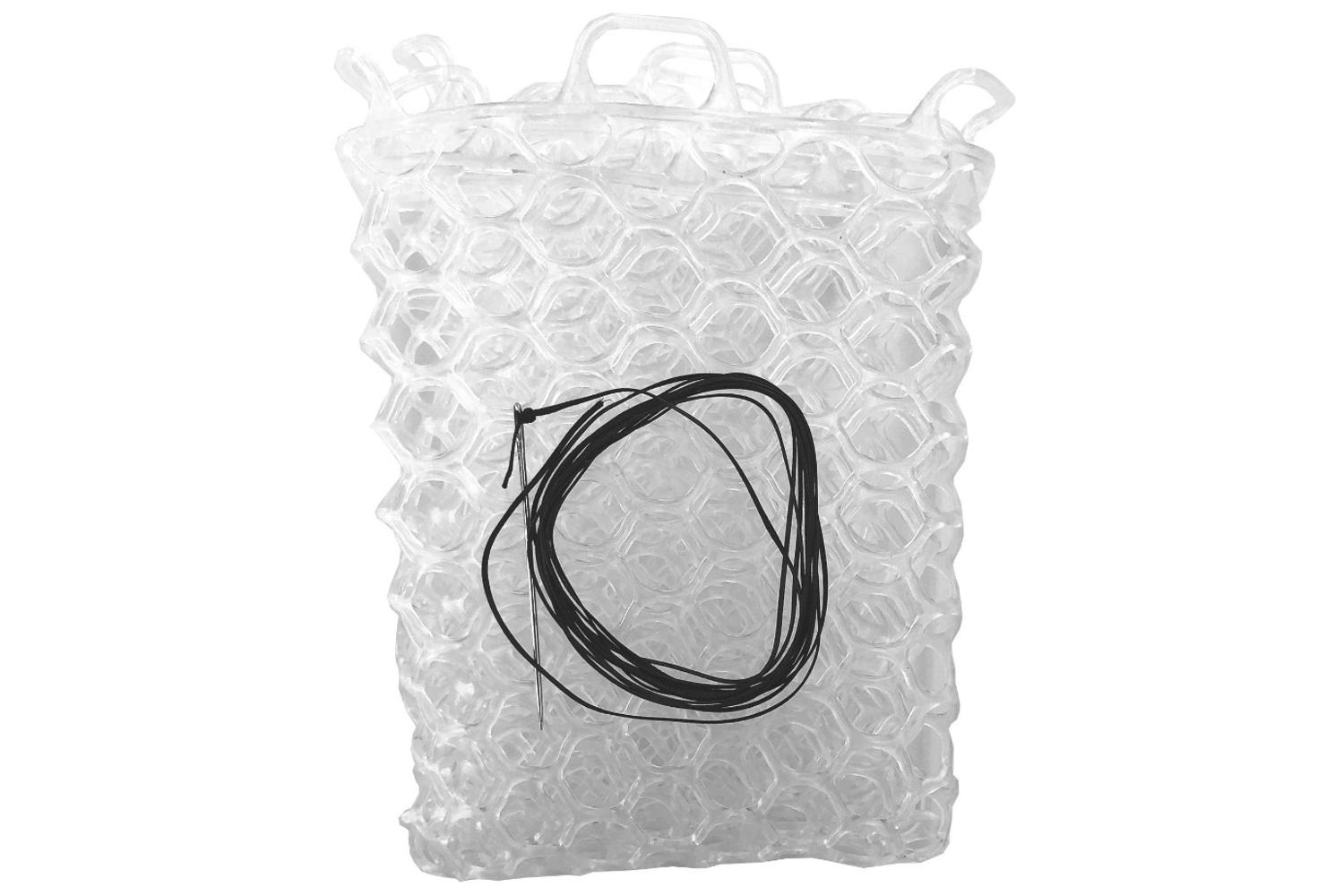
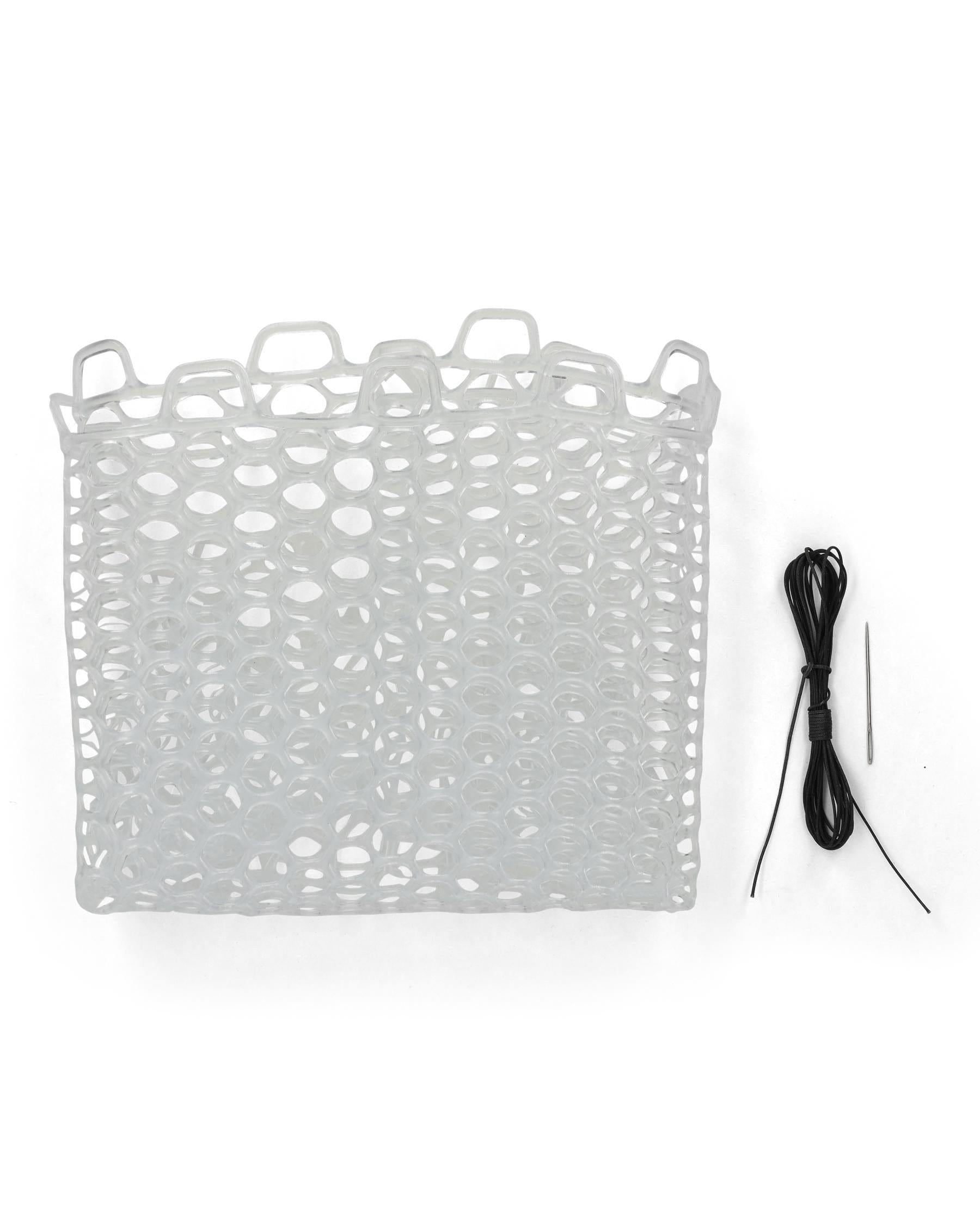
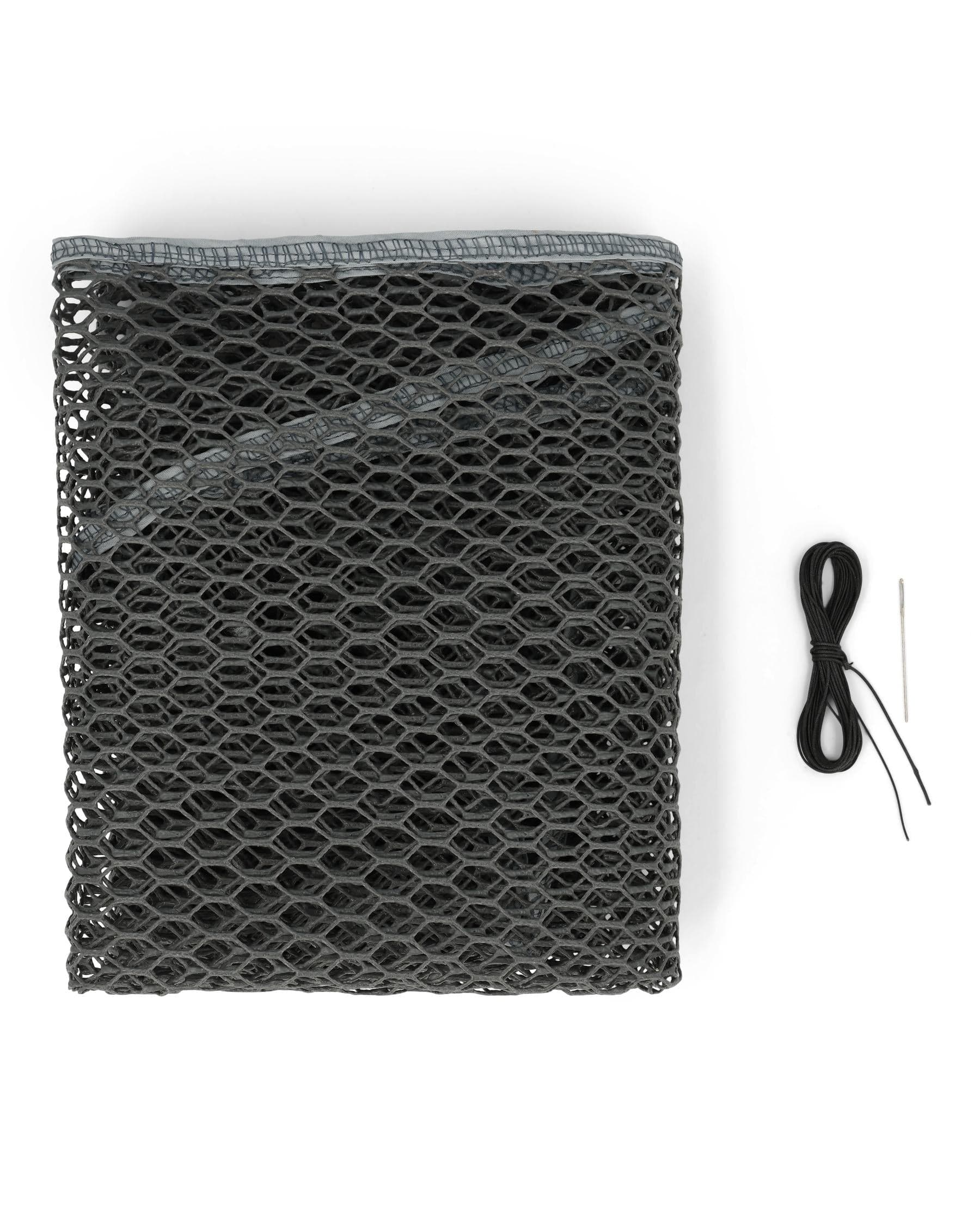
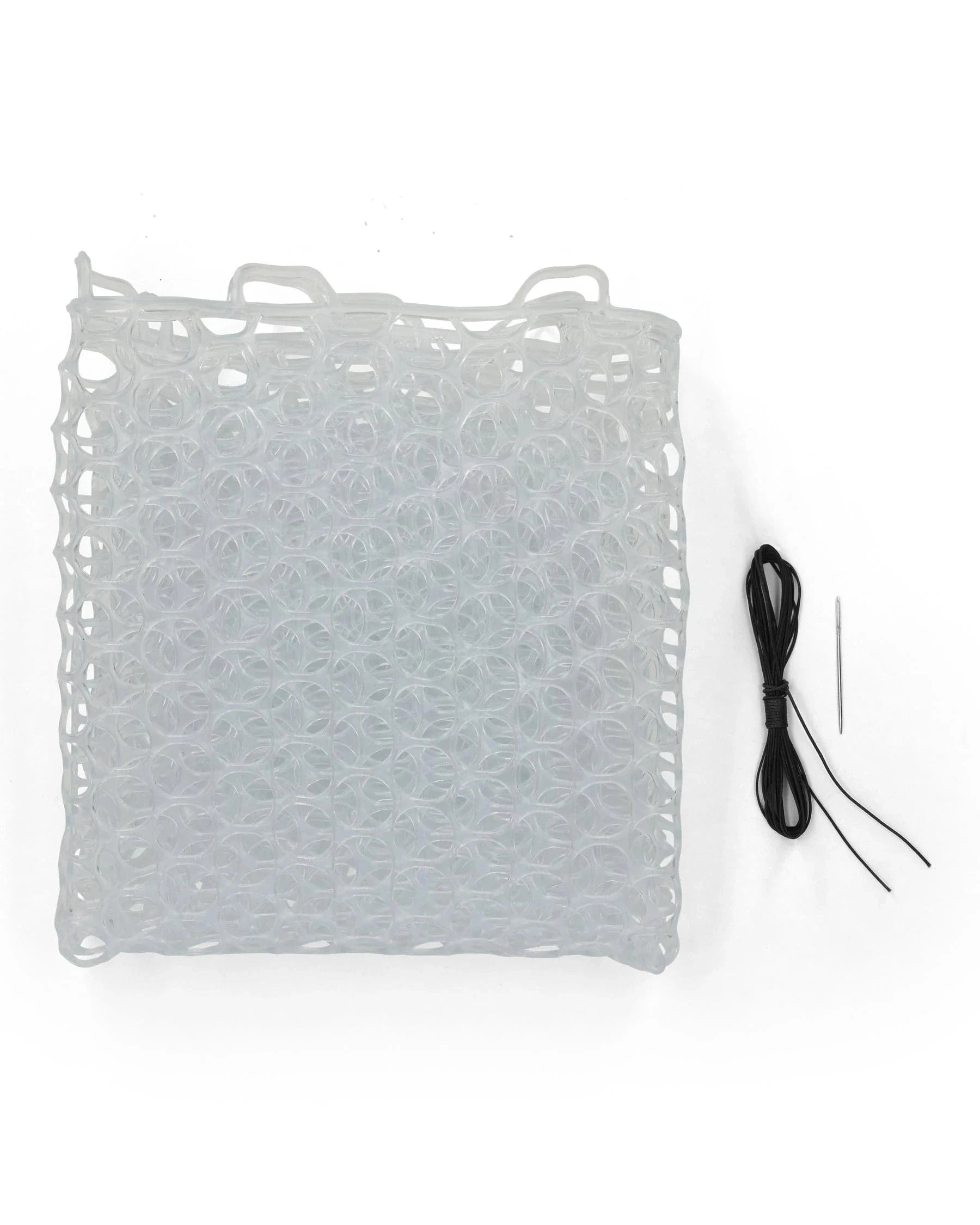
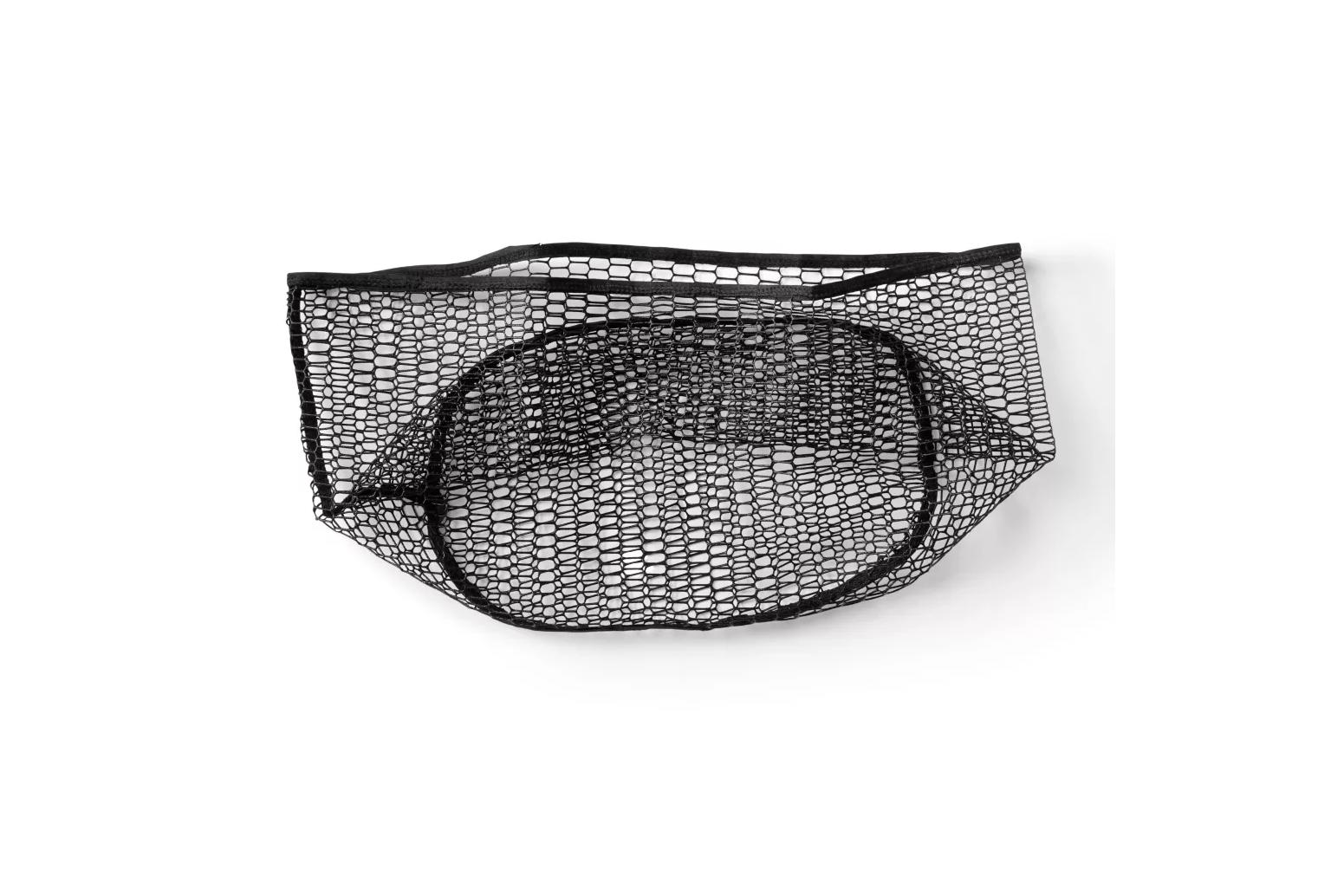
Pro tip: If you already own a frame you like, a replacement bag can be a cost-effective refresh, see Fishpond Nomad Replacement Rubber Net for an example of a retrofit option.
Carry system (don’t skip this part)
Action: Decide how you’ll carry the net before you buy. A magnet, leash, or holster keeps the net accessible and prevents the classic “net floats away” problem when you set it down in current.
Easy add-on: A simple tether like the Smith Creek Net Leash keeps things secure without much bulk.
Materials & Durability
- After each trip: Rinse or wipe down your landing net, especially after gritty shoreline landings or silty rivers.
- Keep the bag clean: Check for embedded hooks, split shot, and weeds, rubber bags are easiest to clear quickly.
- Inspect attachment points: Look over yokes, frame-to-bag lacing, and leash/magnet connection points for wear.
- Store smart: Let the net dry fully before tossing it into a sealed boat box or pack pocket to prevent odor and premature bag breakdown.
Complete Your Setup
Related Gear
- Tools & Gadgets - Add forceps, nippers, and net holsters so landing and releasing fish is quicker and cleaner.
- Nippers & Zingers - Keep cutters and hook-removal tools right where you need them when the fish is in the net.
- Packs - Many fishing packs are designed around net carry, with docking stations or attachment points for magnets and leashes.
- Landing Nets - Browse all net shapes, sizes, and accessories in one spot.
Related Guides
- Fly Fishing for Beginners: A Gear List
- Fly Fishing Holiday Gift Guide 2025
- How To Choose The Best Fly Reel
Landing Nets FAQs
Q: What does a fly fishing landing net do?
A: A landing net helps you control the fish at the end of the fight so you can unhook it efficiently. It also reduces handling time, which is especially helpful if you’re practicing catch and release.
Q: What size landing net do I need for trout?
A: For most wade-fishing trout, a hand net with a medium hoop and a reasonably deep bag is a practical choice. If you regularly fish bigger water or hook larger trout, consider stepping up to a guide-style hoop or longer handle.
Q: Are rubber landing nets better than nylon?
A: Many anglers prefer rubber or coated bags because they’re easier to clean and tend to snag hooks less, especially with droppers. They can also be a good option for minimizing fish contact and speeding up releases.
Q: Should I get a short-handle or long-handle landing net?
A: Short handles are usually easier for wading and tight quarters. Longer handles can help from a drift boat, higher banks, or deep wading where reaching the fish is harder.
Q: Do I need a net leash or magnetic net release?
A: If you’re moving a lot (or fishing current), a leash or magnet is worth it to keep the net accessible and prevent losing it. Choose a setup that matches your pack or vest layout so you can grab the net without looking.
Q: Can I replace just the net bag instead of buying a whole new net?
A: Often, yes, replacement bags can extend the life of a frame you already like. Just make sure the bag is designed to match your hoop dimensions and attachment method.
Q: Are weigh nets accurate enough for quick fish weights?
A: Built-in weigh nets are designed for fast, on-water measurements without carrying a separate scale. They’re a nice option when you want quick documentation, but you’ll still want to keep the fish in the water as much as possible.
Q: What’s the most common mistake anglers make with landing nets?
A: Buying a net that’s too small for the fish they actually hook, then having to chase or squeeze the fish at the end. A slightly larger hoop and deeper bag usually make netting smoother and shorten handling time.