

















Carpet Bug Fly Pattern | Great Tailwater Sowbug | Fly Tying Tutorial
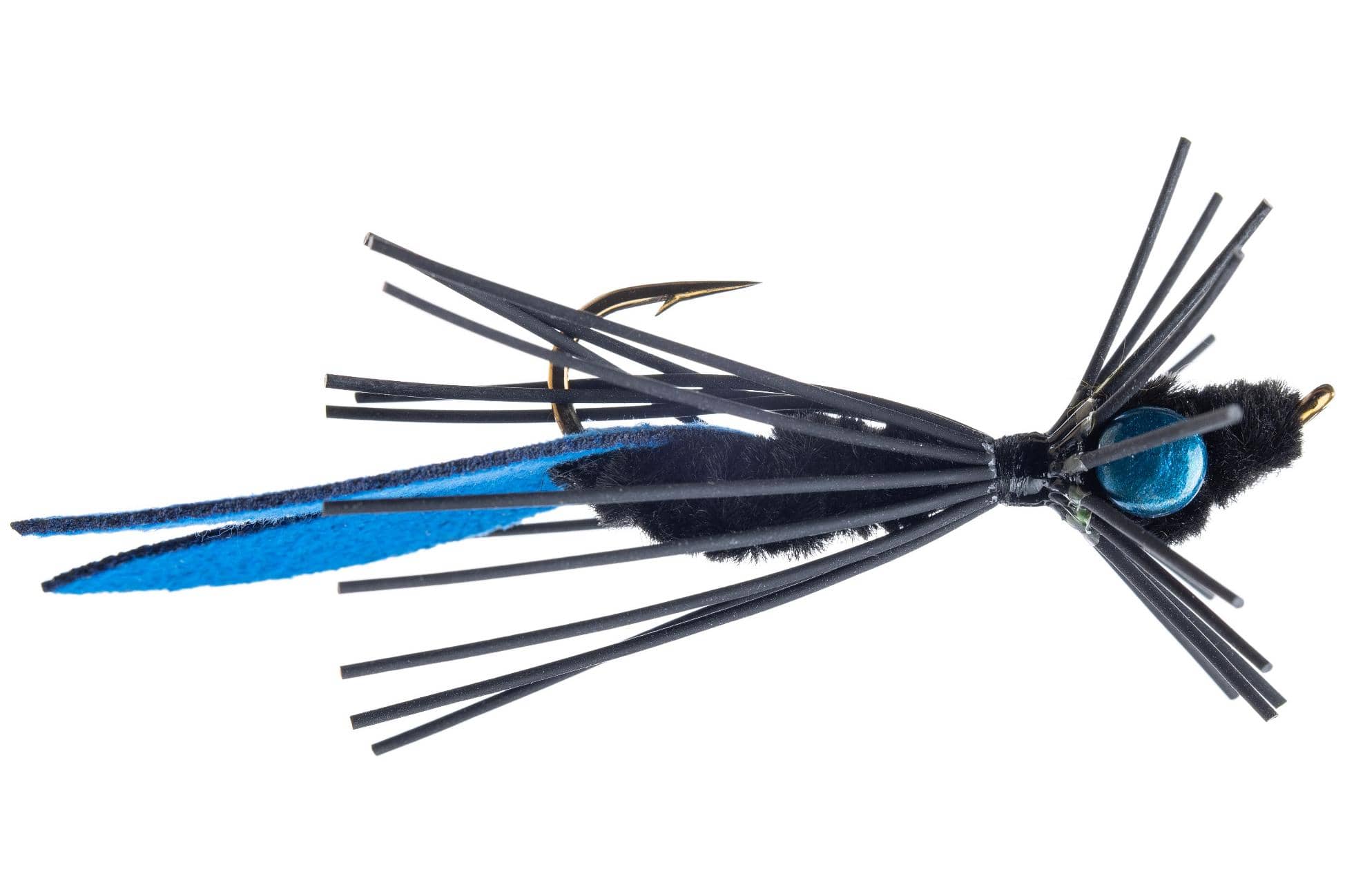


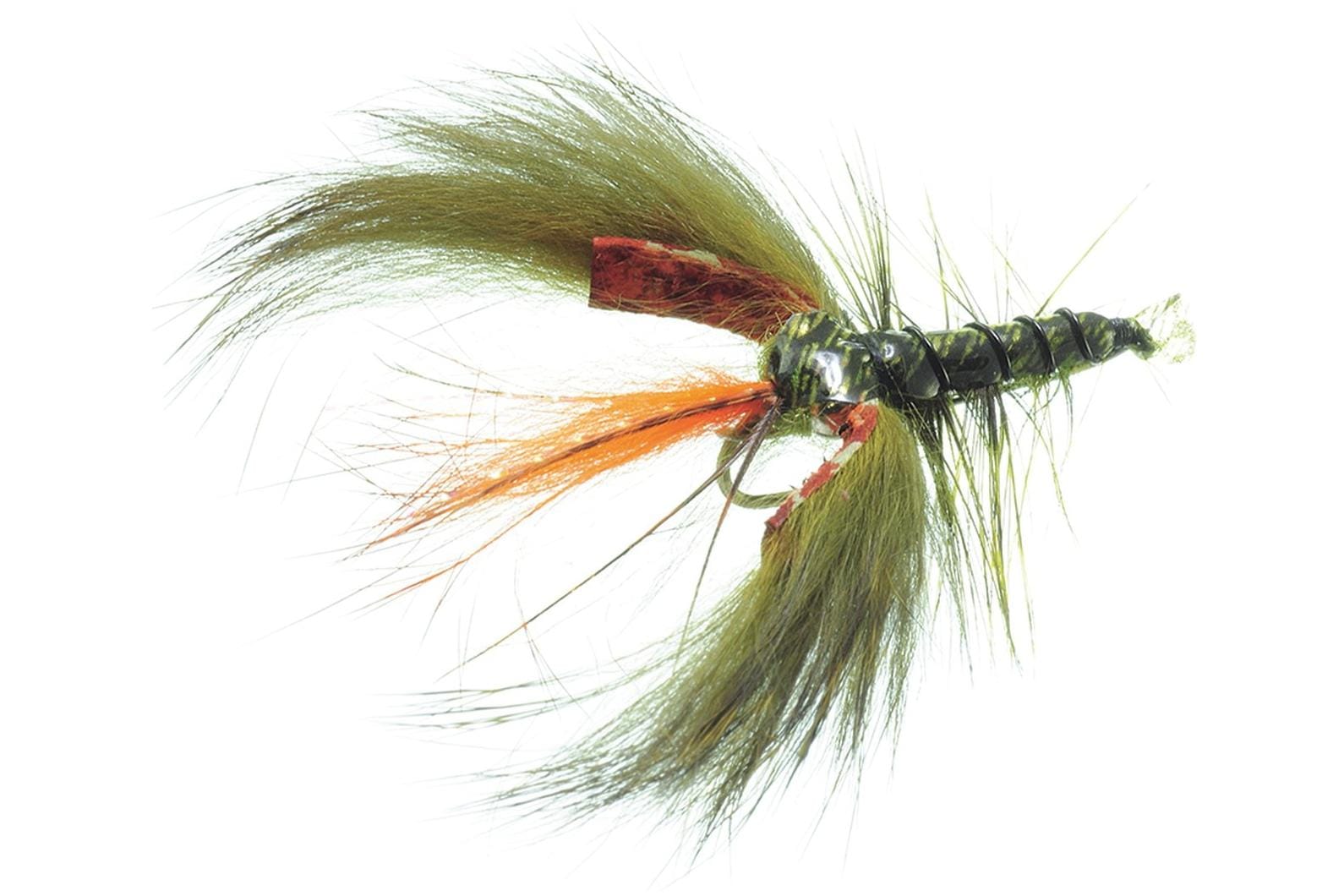
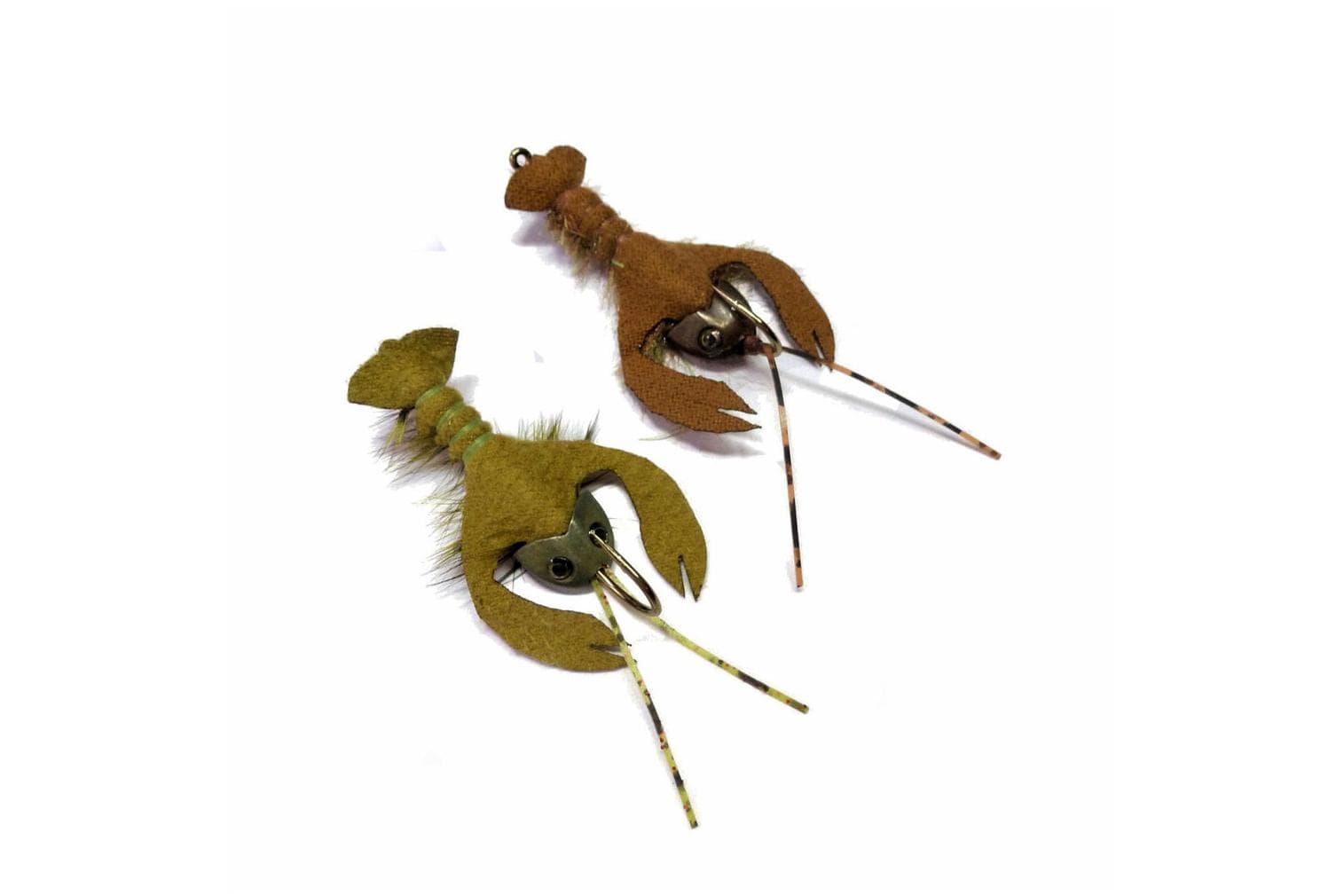
Carp Flies Quick Picks
- Best All-Around: Dead Drift Crayfish Fly - A go-to choice for carp that are rooting and feeding tight to the bottom. It’s built to fish like a natural crayfish on slow crawls and controlled drifts.
- Best for Flats & Sight Fishing: Clawdad Fly - A solid pick when you’re leading cruising carp and want a fly they can spot without a lot of commotion. The crayfish profile matches common forage and stays convincing with short, subtle strips.
- Best Surface Option: Mulberry Fly - Built for those windows when carp are willing to eat on top around berries and other floating food. It’s an easy way to cover calm water edges and turn a cautious fish into a confident eater.
How to Choose Carp Flies
Match what the carp are doing (more than what they “are”)
Action: Watch the body language before you cast. Tailing/rooting fish usually want bottom food like crayfish; cruising fish often respond better to a fly led into their path with minimal movement.
Best for: Picking a pattern that matches the feeding posture (head down vs. moving) tends to matter more than exact color.
Choose weight for the presentation window
Action: Your fly needs to get to the carp’s level quickly, but it can’t crash and spook the fish. In shallow, calm water, start lighter and rely on a longer leader and a controlled drop; in deeper or windy conditions, step up weight so you can maintain contact.
Avoid if: If fish are ultra-spooky in skinny water, avoid overly heavy flies that land hard or snag bottom instantly.
Color and profile: keep it natural, keep it readable
Action: Drab, bottom-matching colors are a safe starting point on most carp water. A defined silhouette (crayfish claws, buggy legs, compact body) helps carp find the fly without needing aggressive retrieves.
Simple retrieve rules that work
Action: Lead the fish, let the fly settle, then use short twitches or slow crawls. If a carp tips down and tracks, keep movements small; many eats happen on the pause.
Materials & Durability
- Dry them out: After fishing, open your fly box so the flies can fully dry and hooks don’t rust.
- Check the hook point: Carp mouths are tough; touch up points or swap flies if you bumped rocks or shells.
- Rinse after dirty water: Mud and fine grit can cake into materials, quick rinse and air-dry helps keep flies fishing correctly.
- Store by type: Keep crayfish-style patterns together so you can rotate sizes/weights without digging around.
Complete Your Setup
Related Gear
- Floating Fly Lines - The most common choice for sight-fishing and controlled presentations in shallow water.
- Intermediate Fly Lines - Helpful when you need to cut glare and chop and keep subsurface flies tracking level.
- Leaders - Longer leaders help soften the landing and keep wary fish from seeing the fly line.
- Tippet - Dial strength and stealth to the water clarity, cover, and fly size you’re throwing.
Related Guides
- Fly Fishing for Carp: Flies, Gear, Tactics
- How to Choose the Best Fly Rod for Carp
- How to Choose the Best Fly Line for Carp
- How to Choose the Best Fly Reel for Carp
Carp Flies FAQs
Q: What are carp flies?
A: Carp flies are patterns designed for sight-fishing and natural presentations to wary fish. Most imitate what carp commonly eat, crayfish, nymphs, worms, baitfish, or floating foods.
Q: What size flies are best for carp?
A: Start with sizes that match the forage and your water type, then adjust based on refusals and how quickly you need to get down. In general, smaller and lighter is safer in shallow, clear water; bigger and heavier helps in wind or depth.
Q: Do carp prefer crayfish flies or buggy nymphs?
A: It depends on what they’re feeding on and how they’re acting. Tailing/rooting fish often respond well to bottom food like crayfish, while cruising fish may eat smaller, subtler patterns presented in their path.
Q: Are carp flies good for beginners?
A: Yes, especially if you focus on a few confidence patterns and learn the basic “lead, let it settle, tiny twitch” presentation. Carp reward good stalking and controlled casts more than fancy retrieves.
Q: Should I fish carp flies on a floating line?
A: Most carp fishing is done with a floating line because it’s easier to control in shallow water and manage precise presentations. Intermediate lines can be useful when you need better subsurface contact in wind and chop.
Q: How do I know if a carp ate my fly?
A: Watch the fish first: a tip-down, flare, or sudden stop can be the eat. When in doubt, strip-set smoothly, lifting like a trout set can pull the fly away.
Q: What’s the best retrieve for carp?
A: Slow and subtle usually wins. Short crawls, tiny twitches, and well-timed pauses look natural and give the fish time to commit.