



























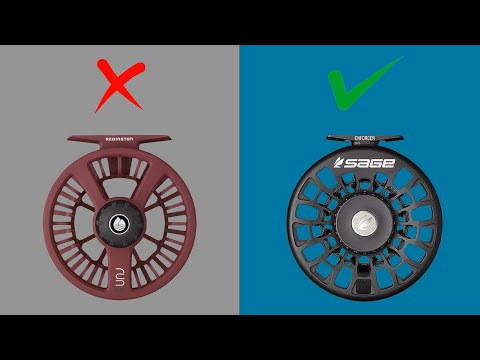
How to Choose The Best Fly Reel | WATCH Before Deciding!
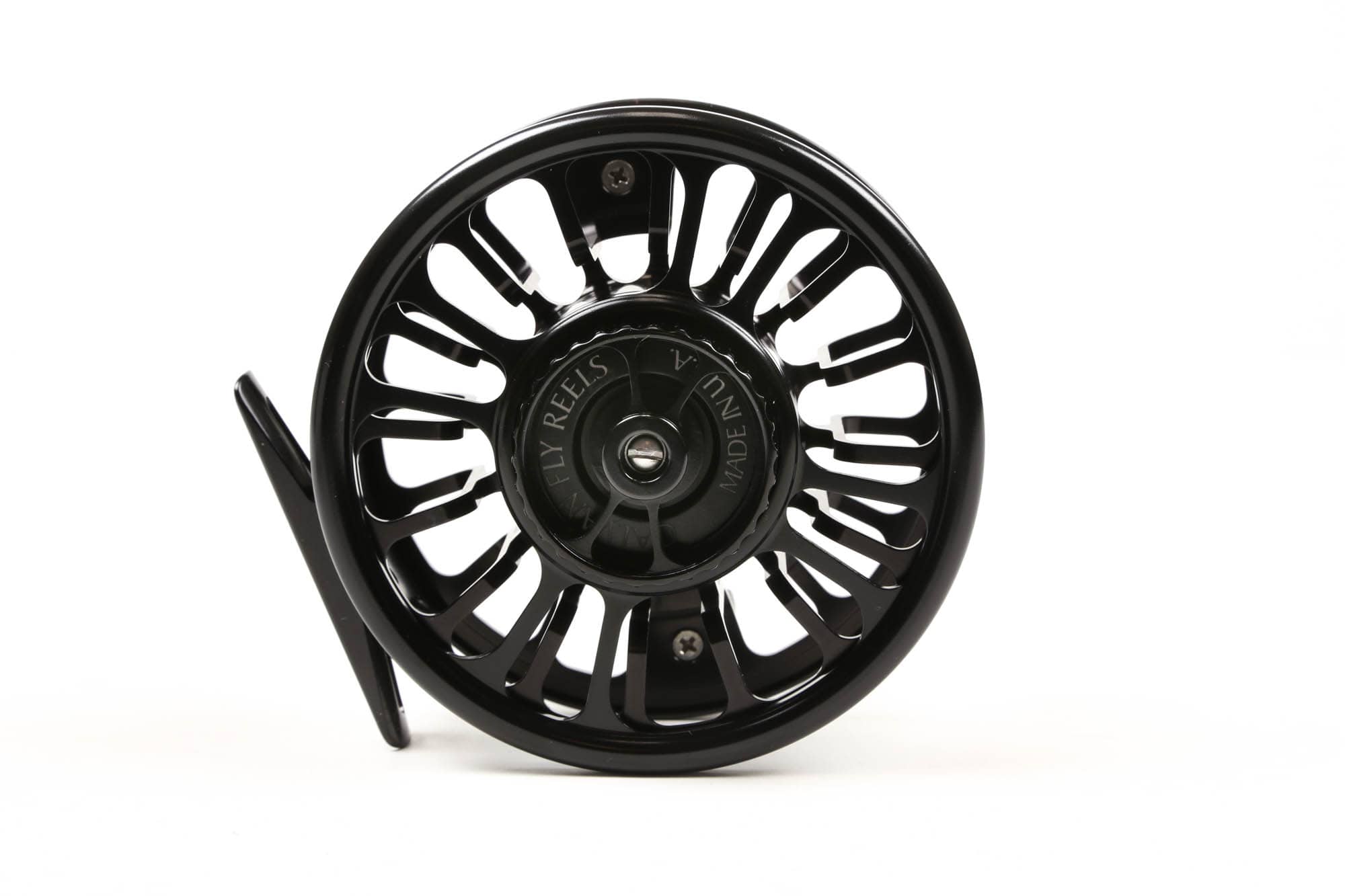

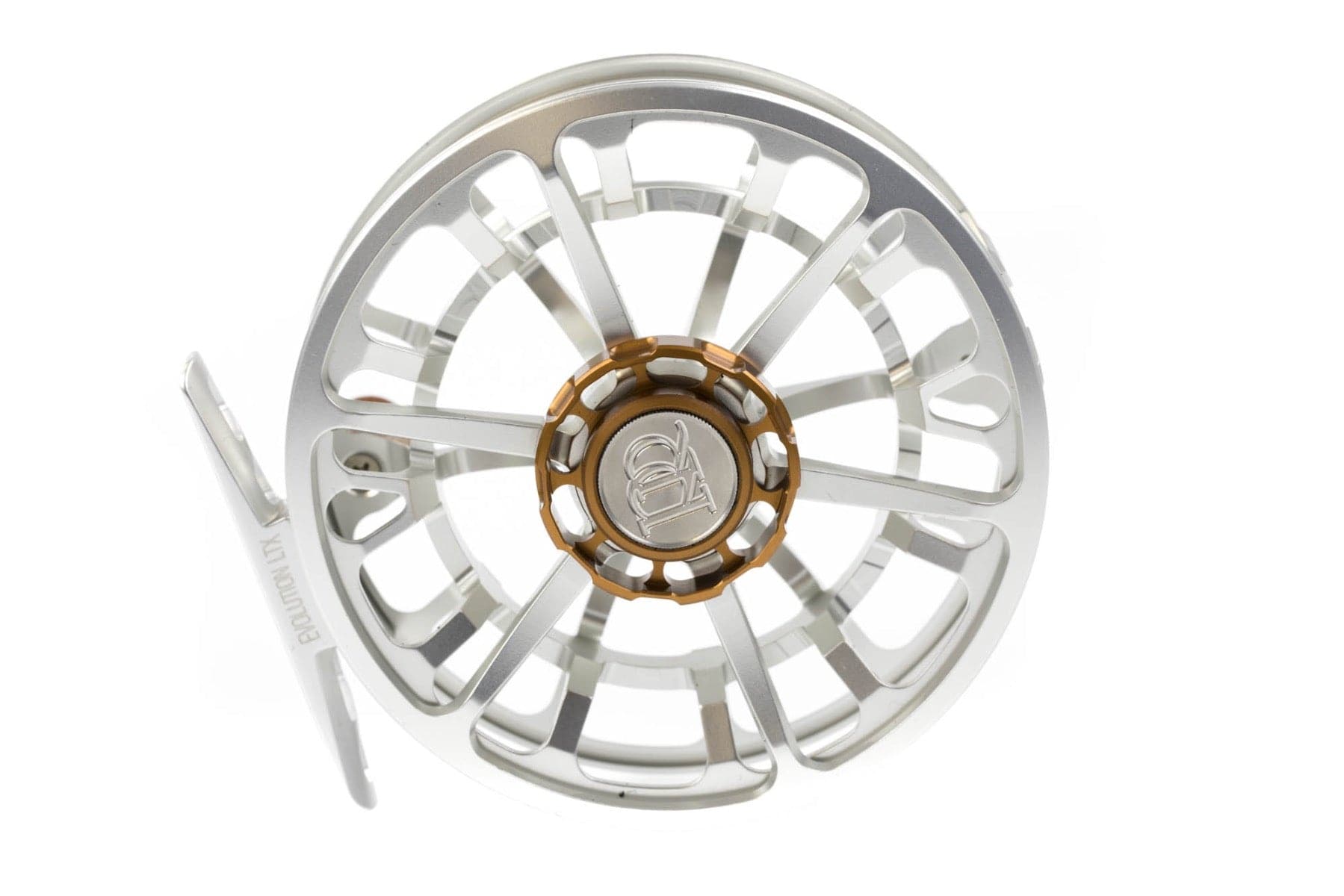
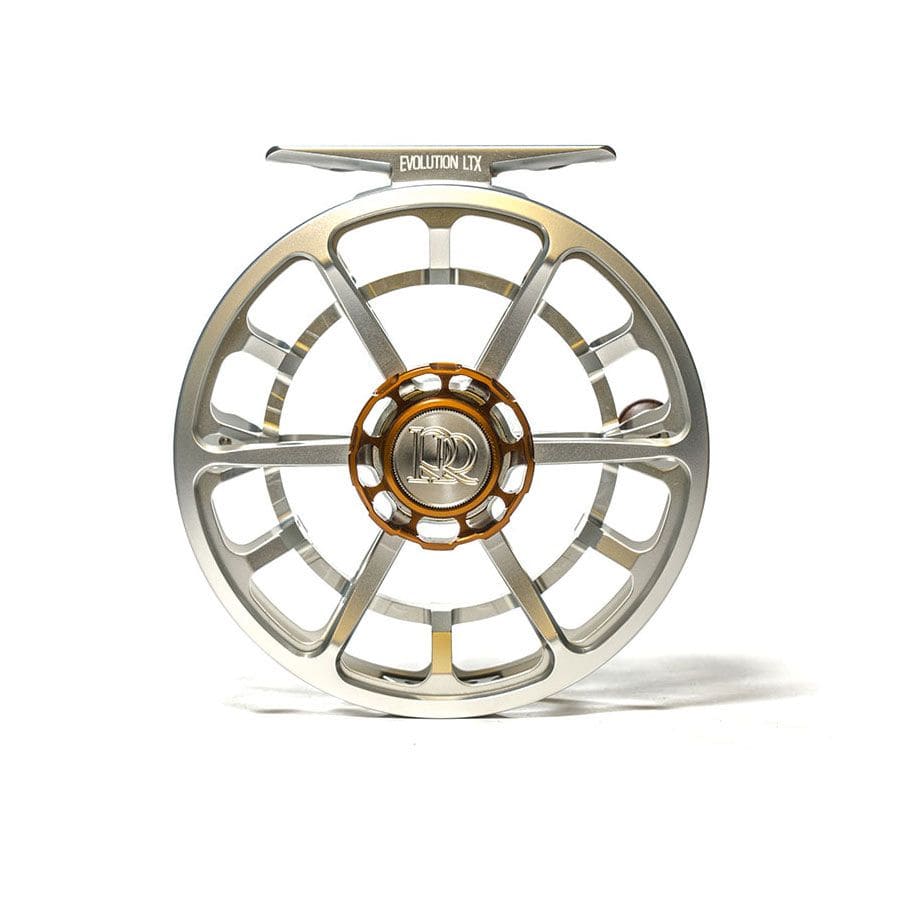


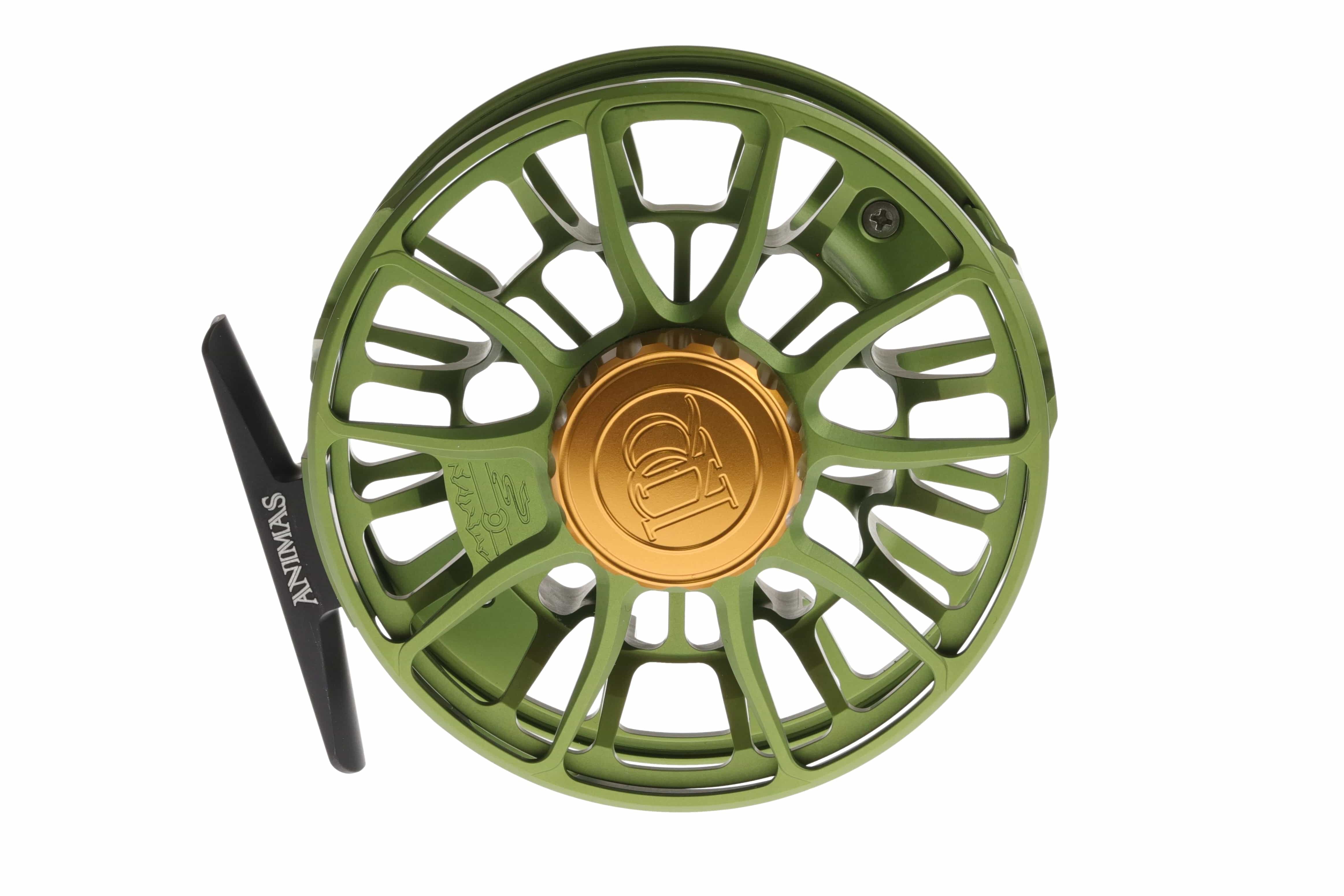
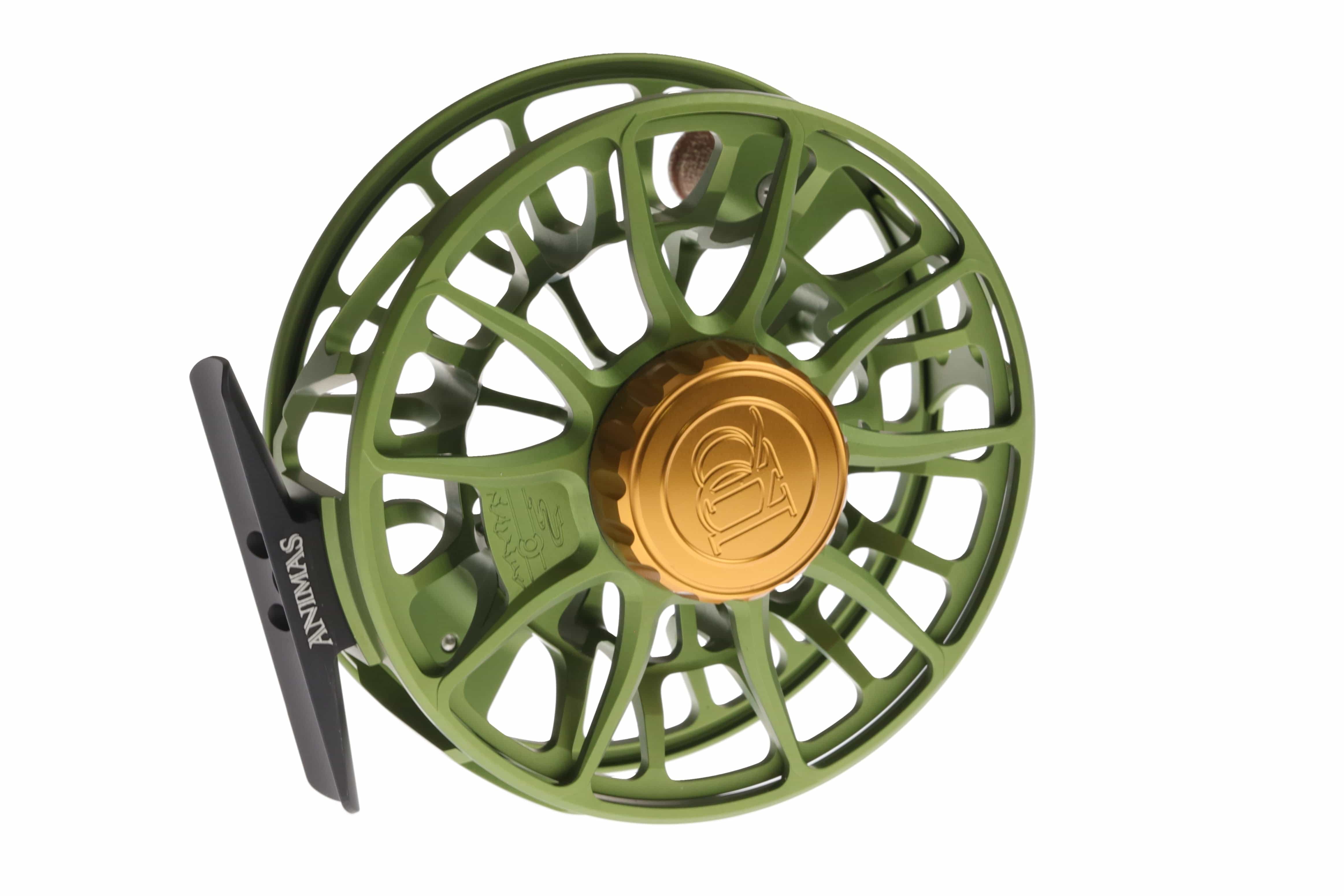
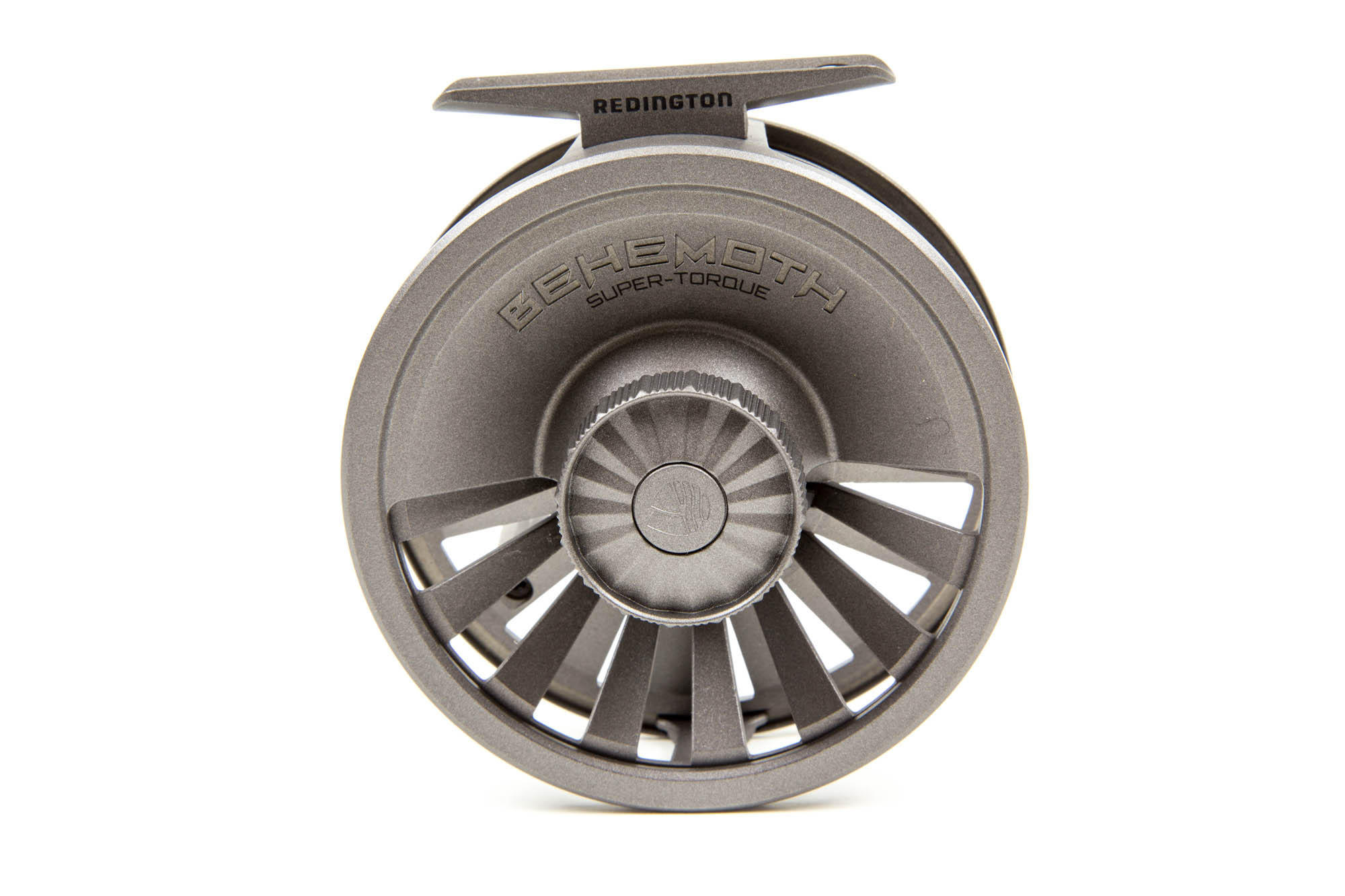
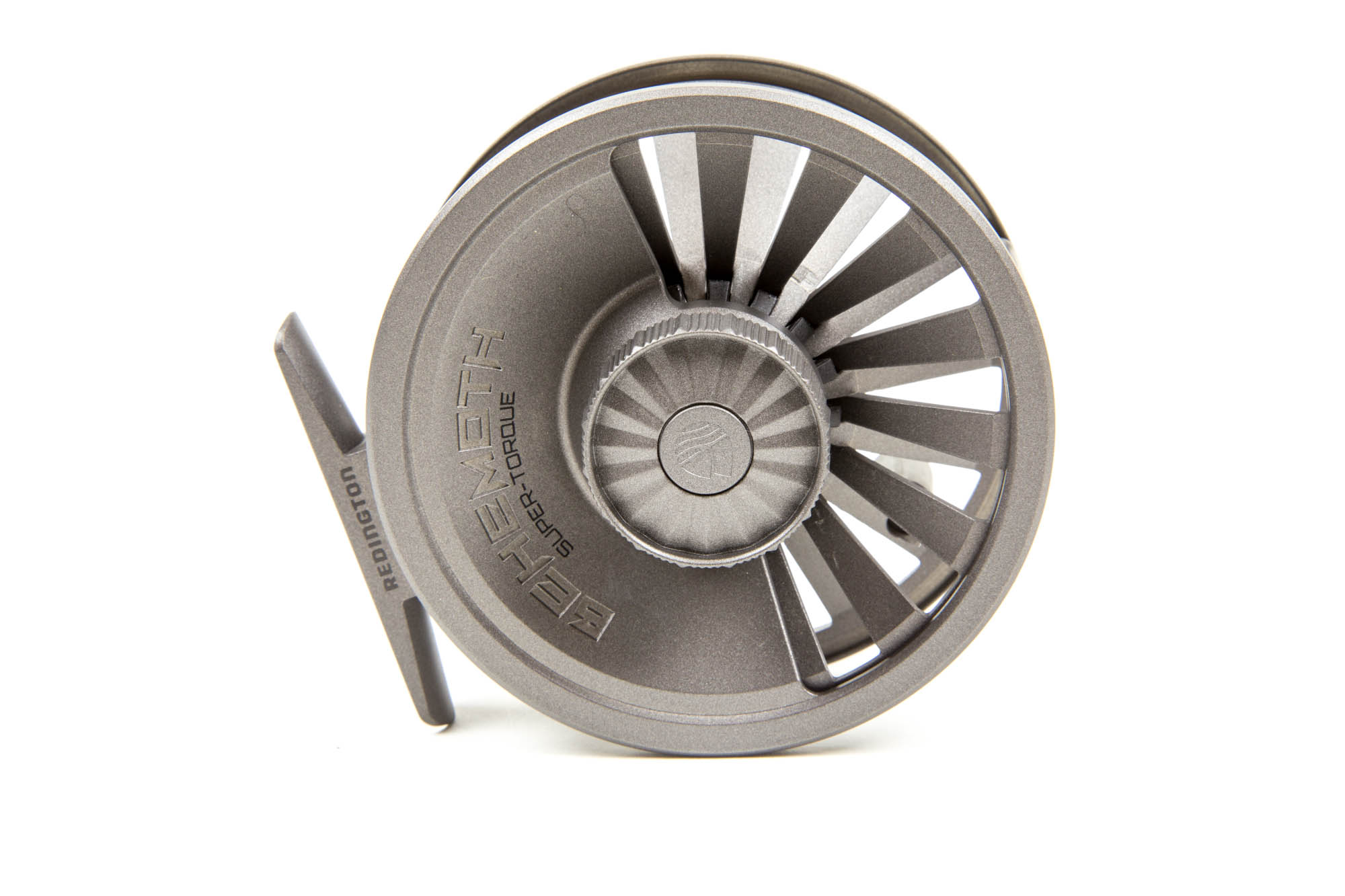
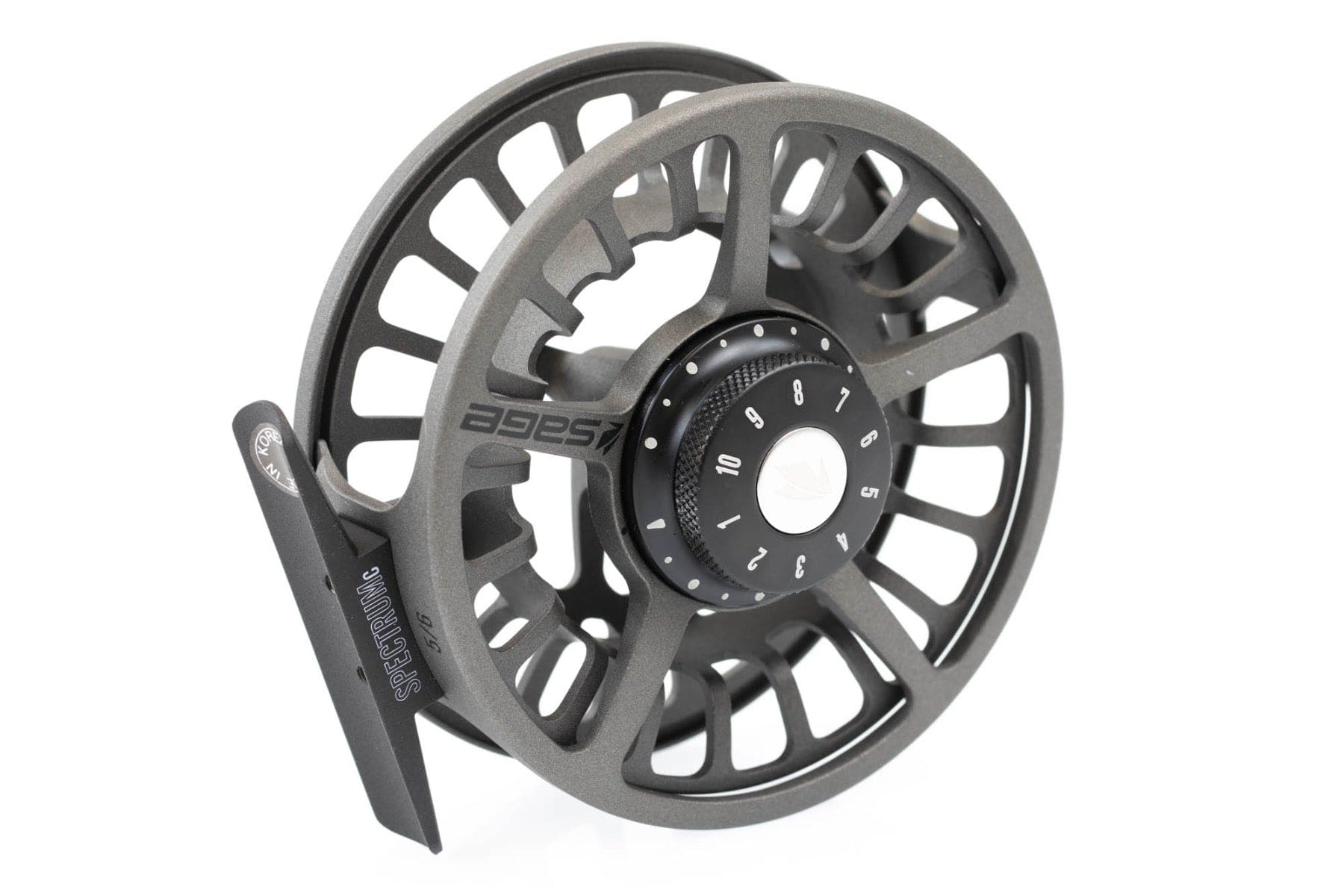
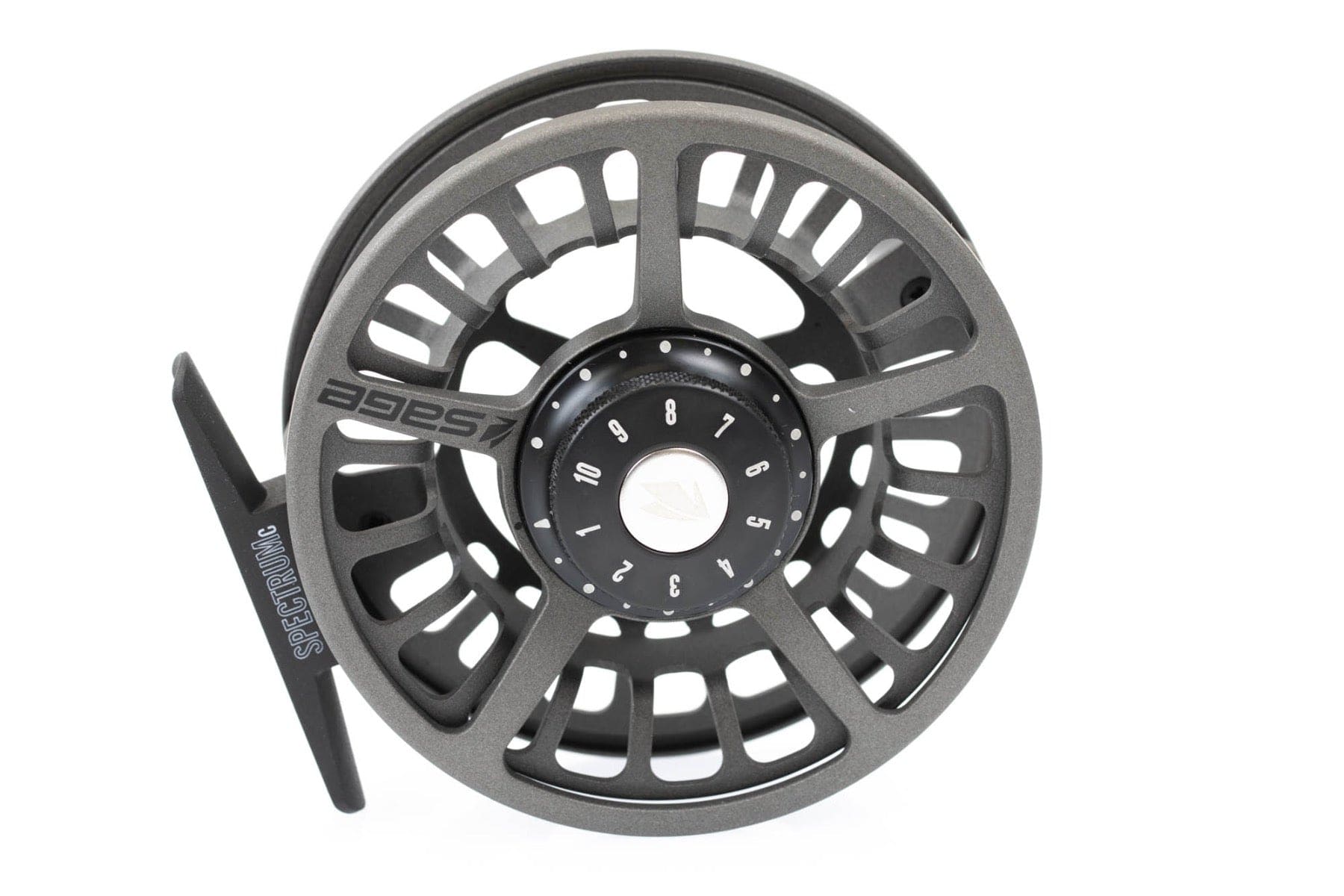
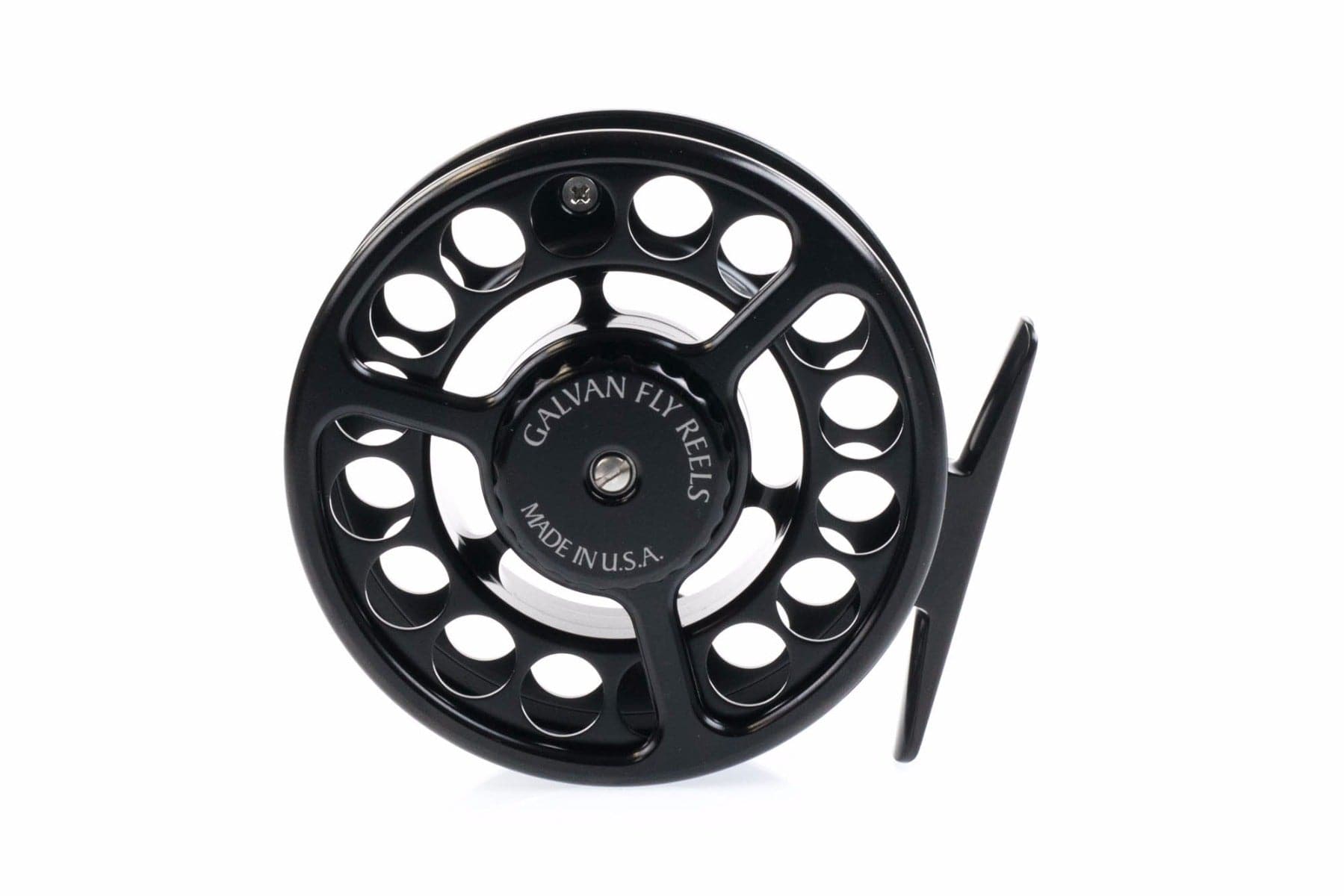
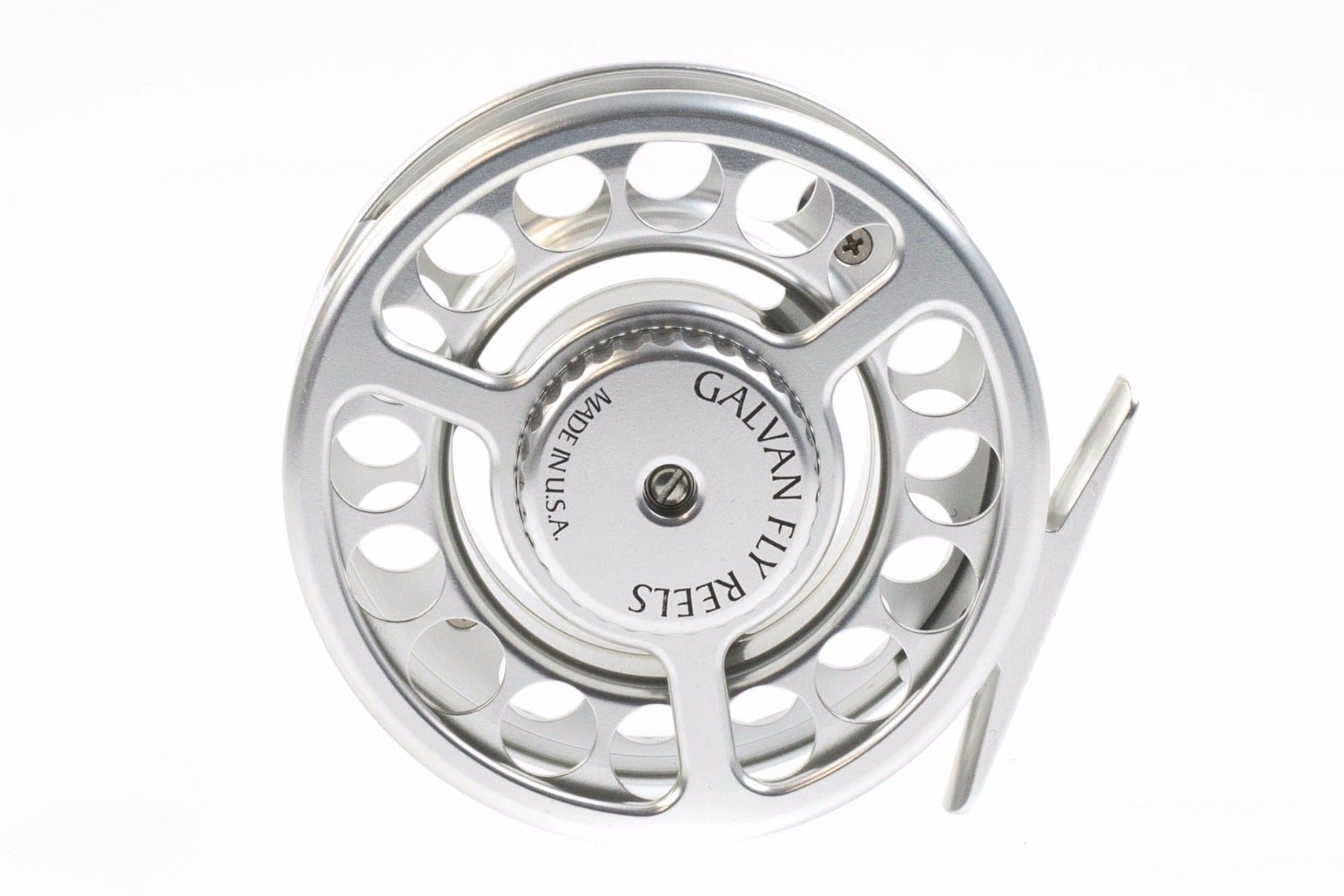
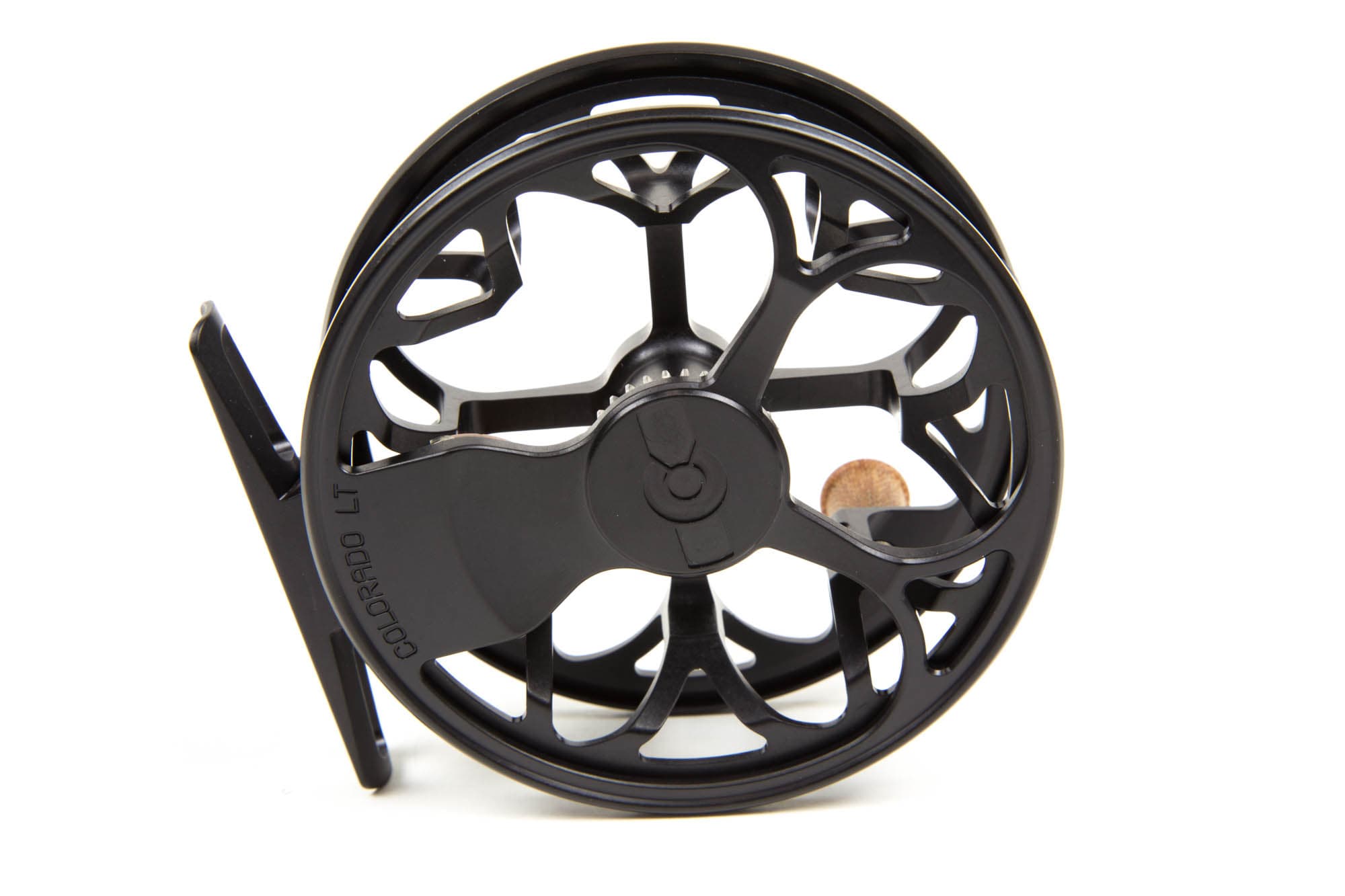
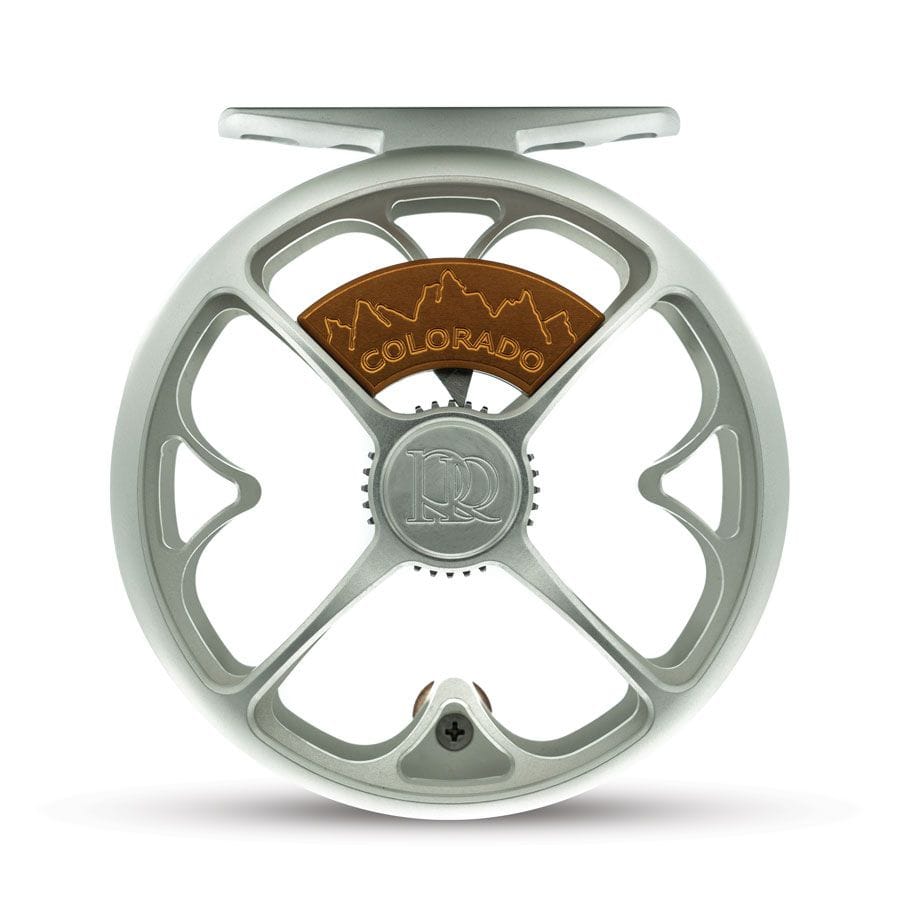
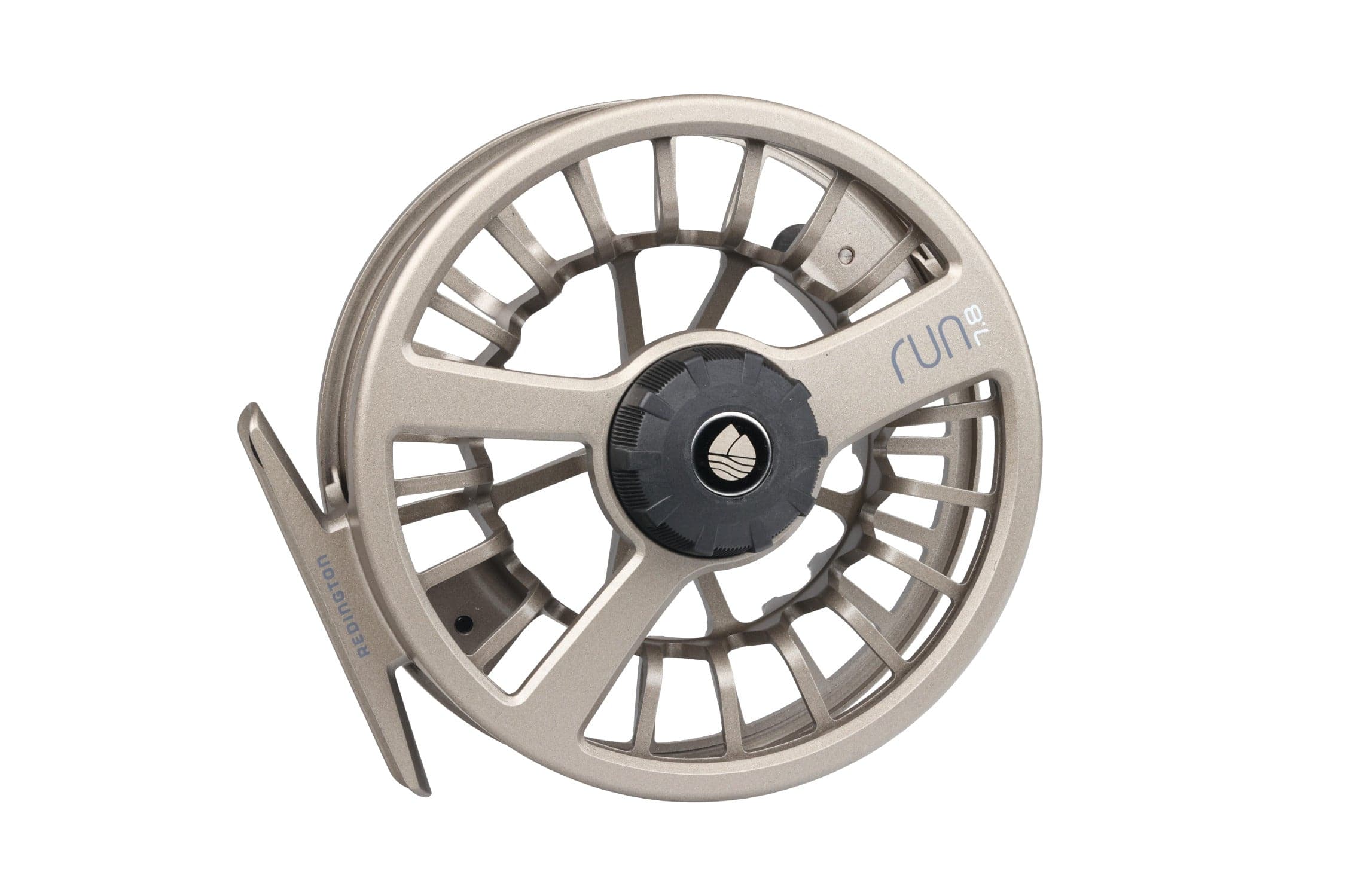
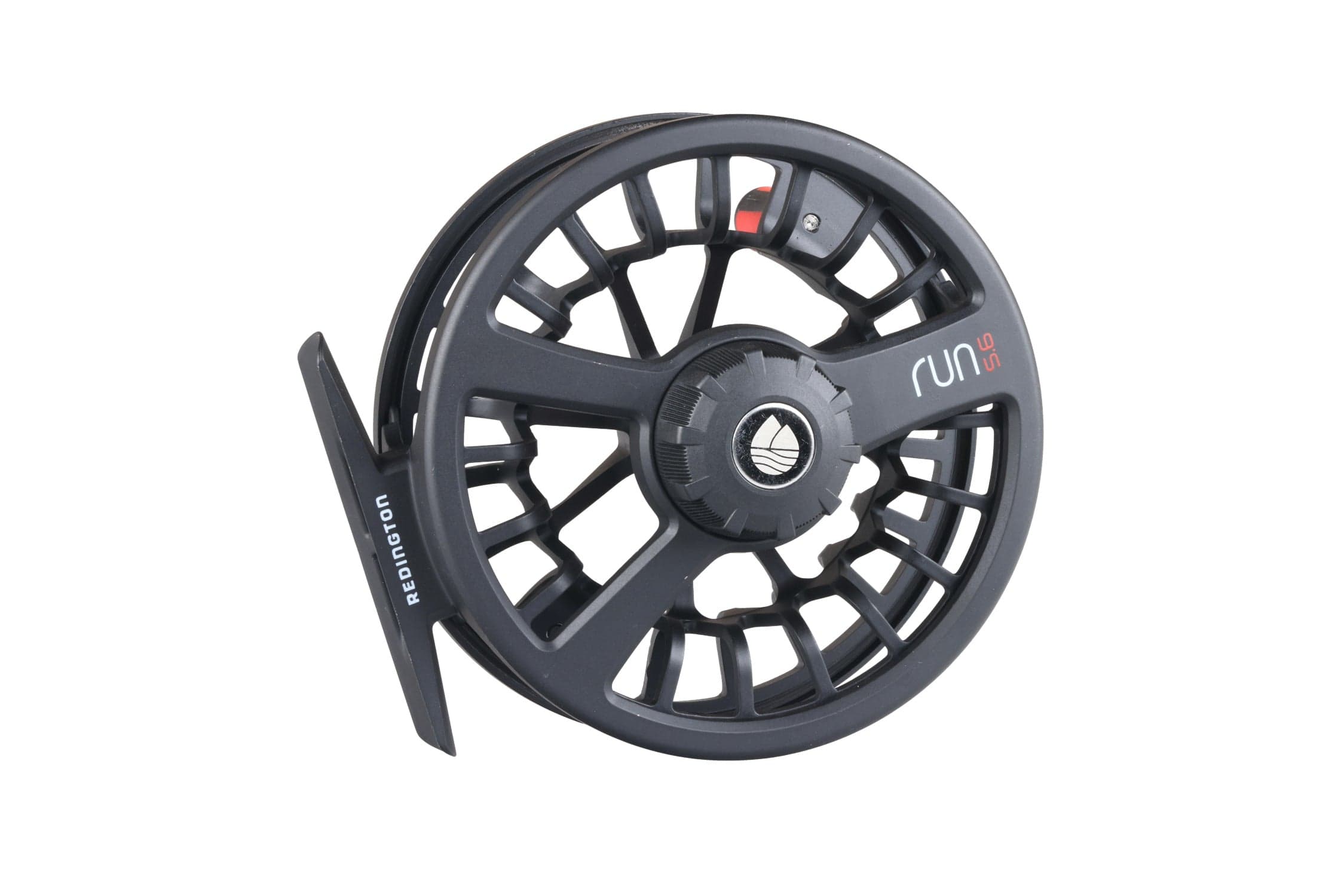
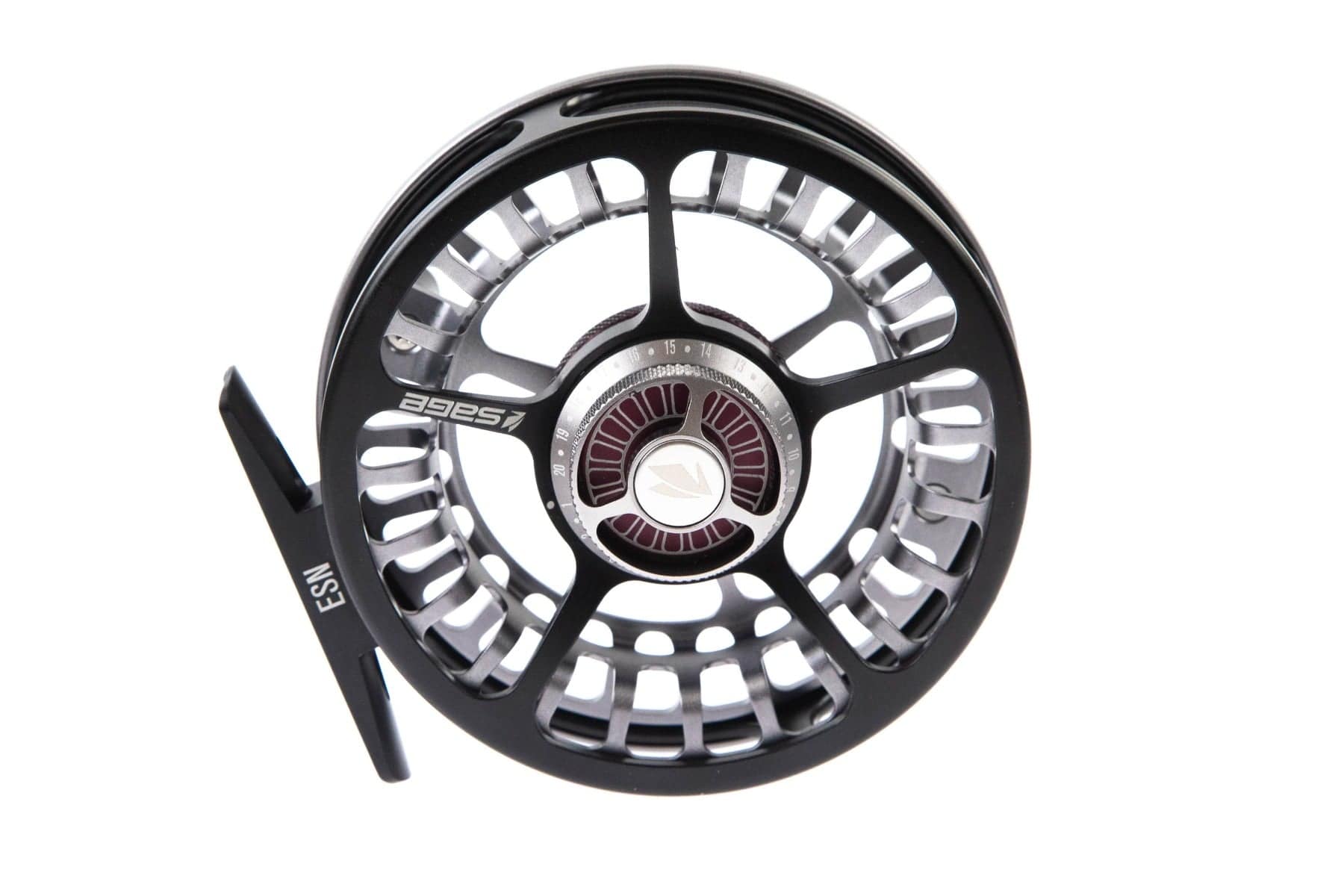
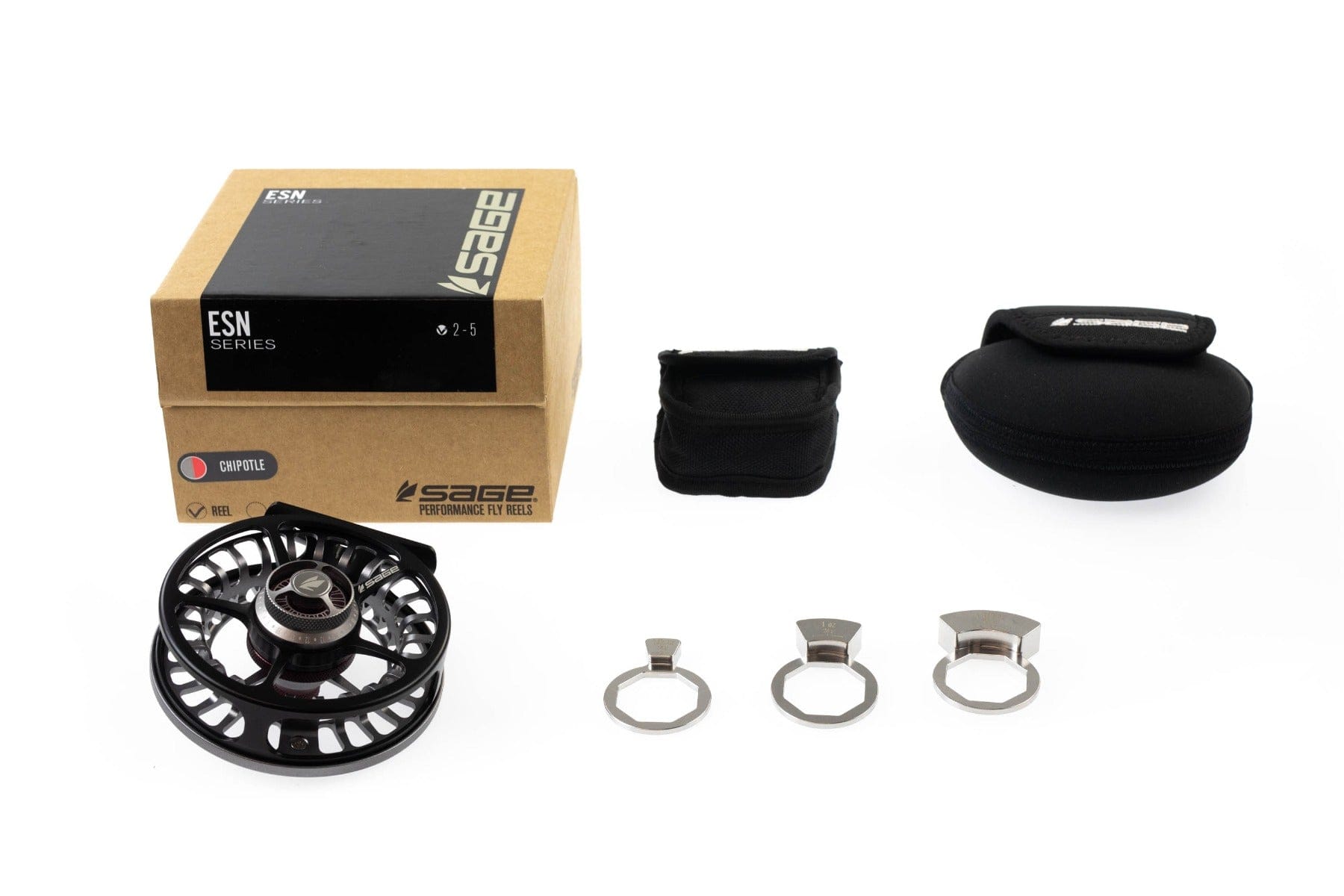
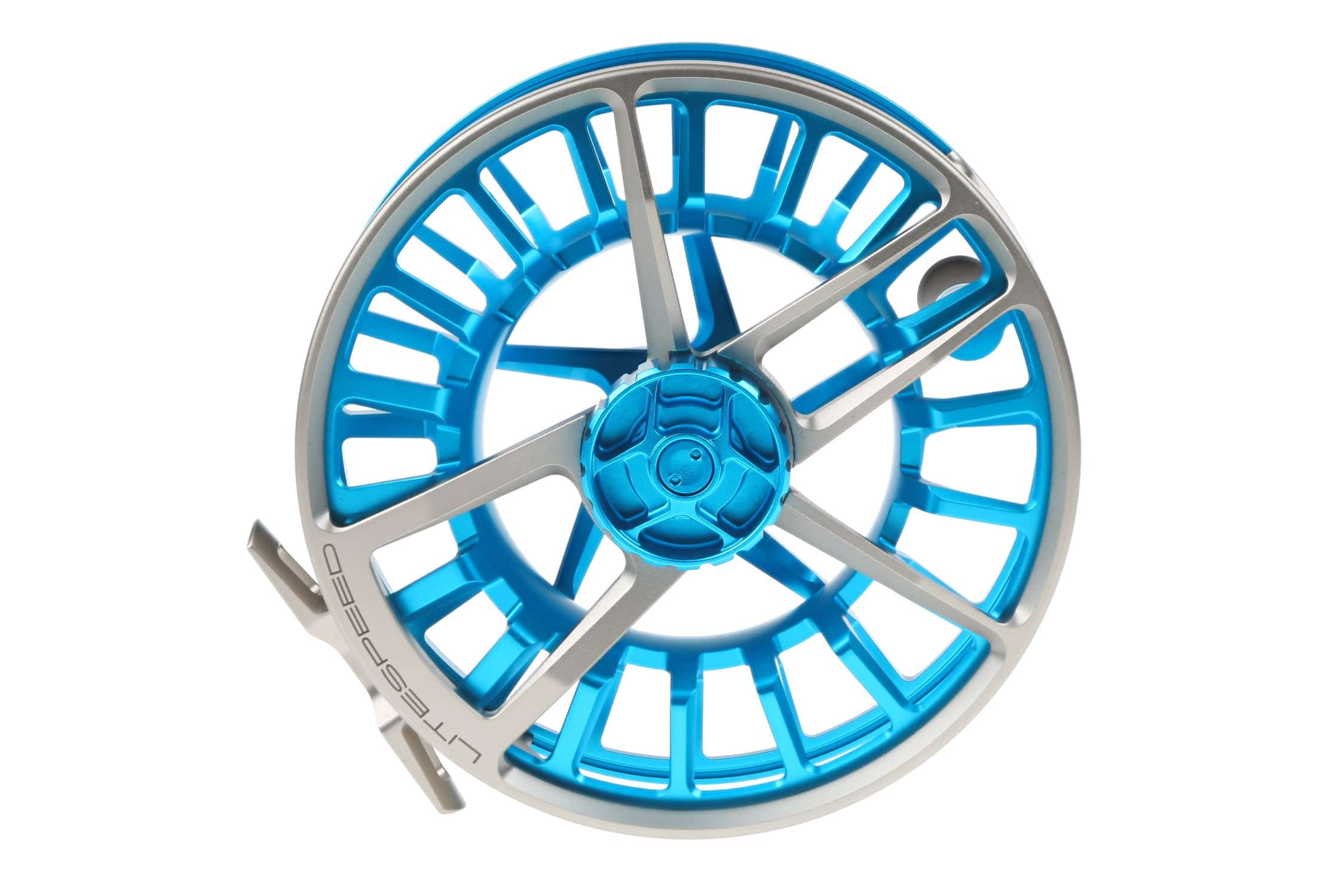
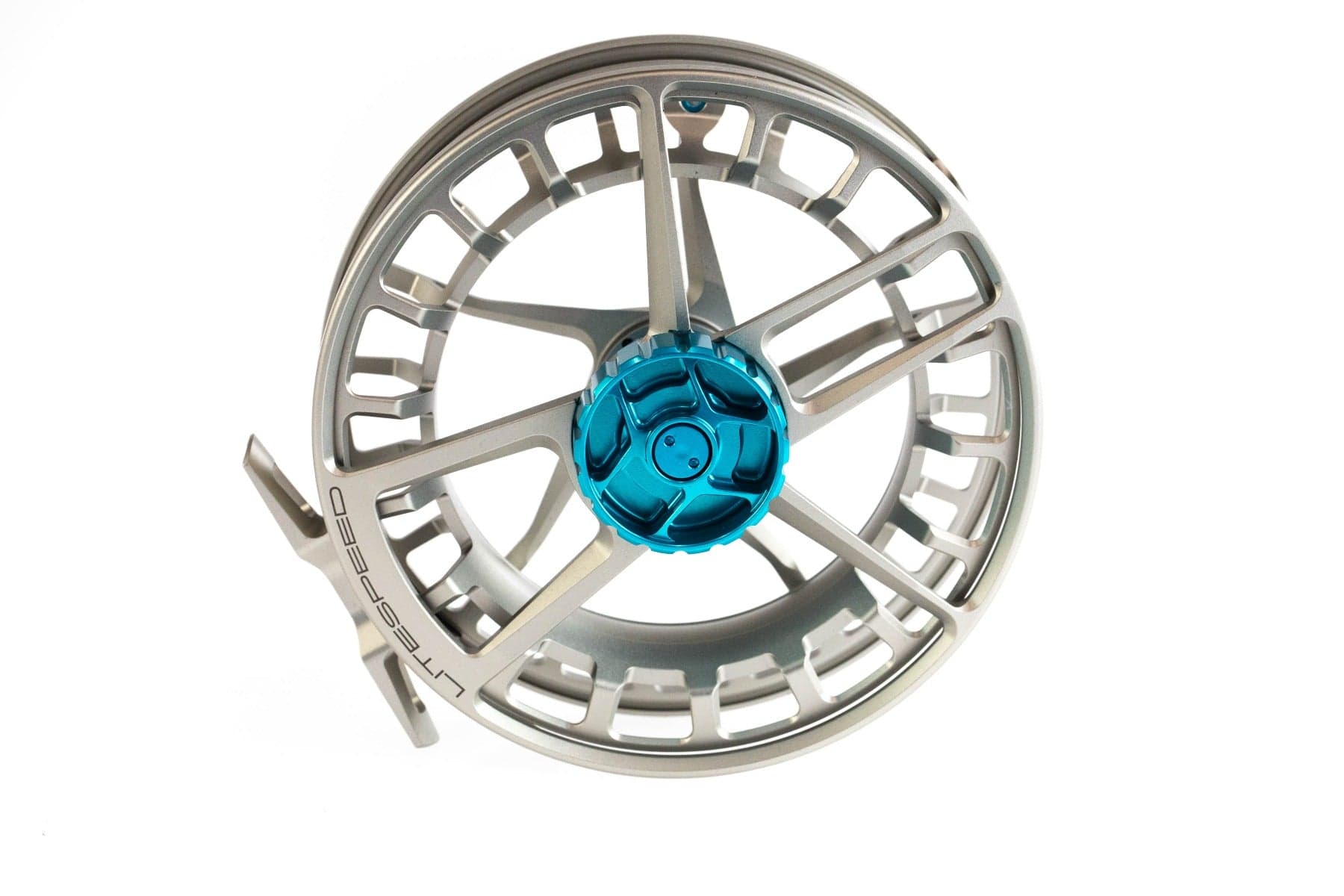
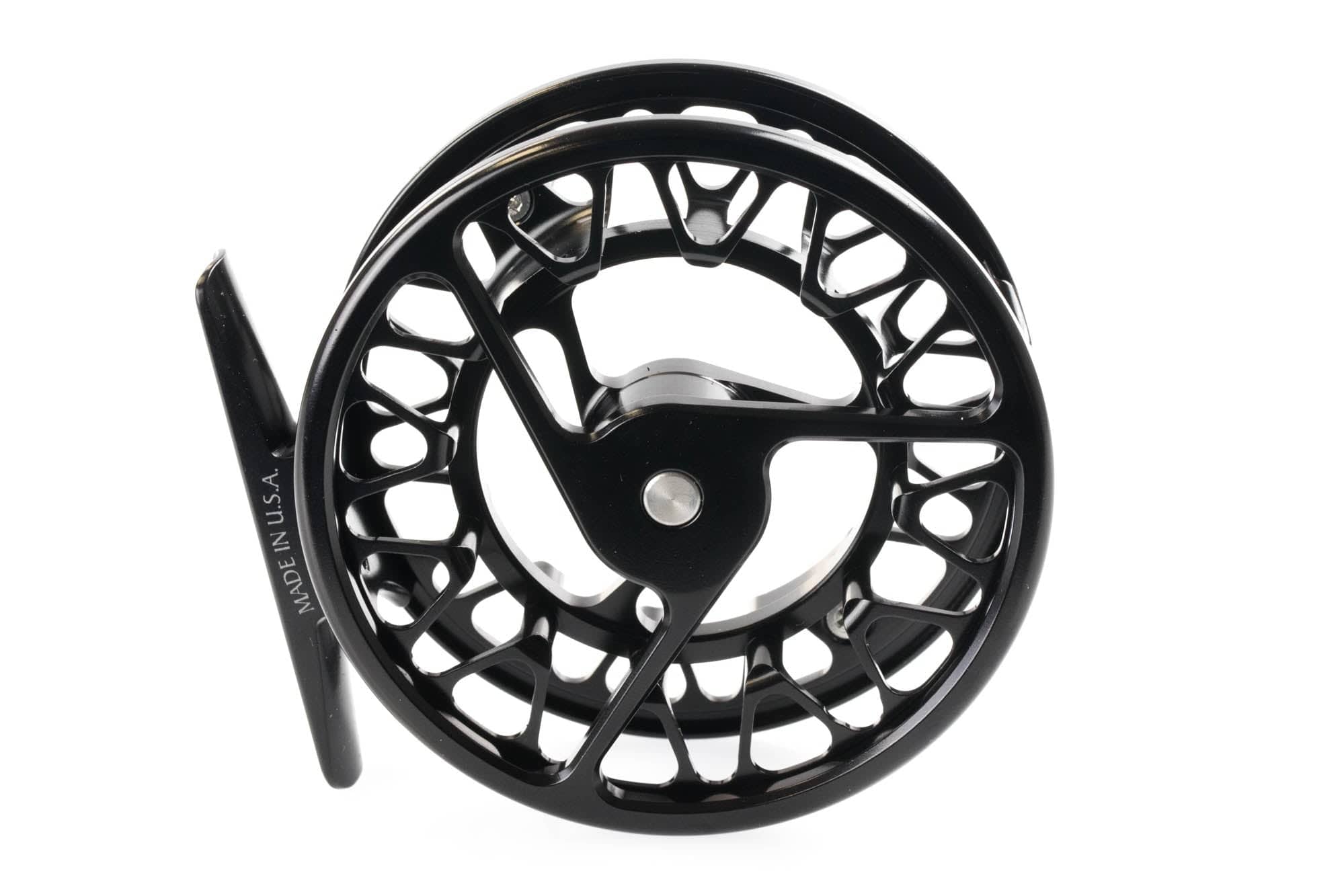
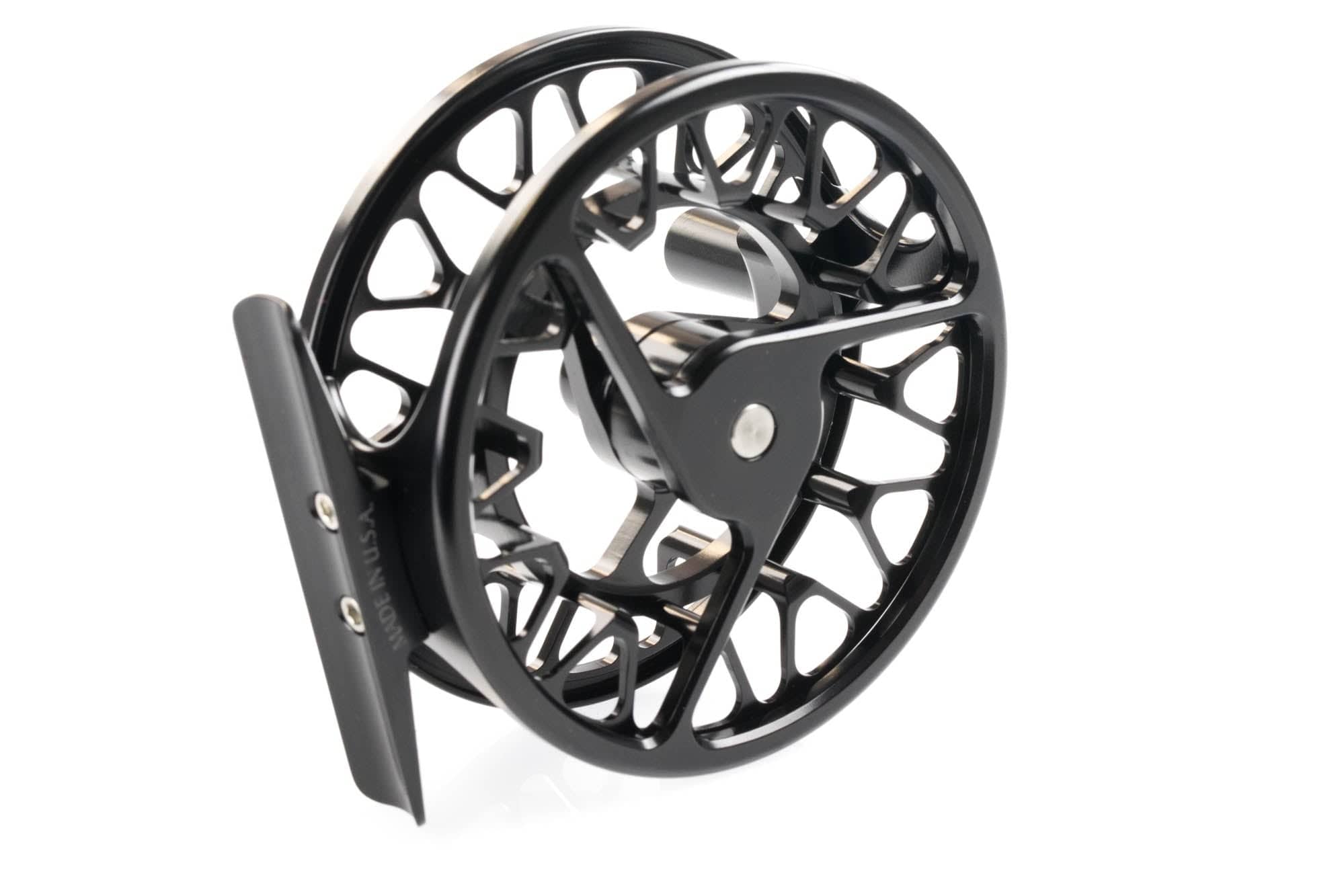
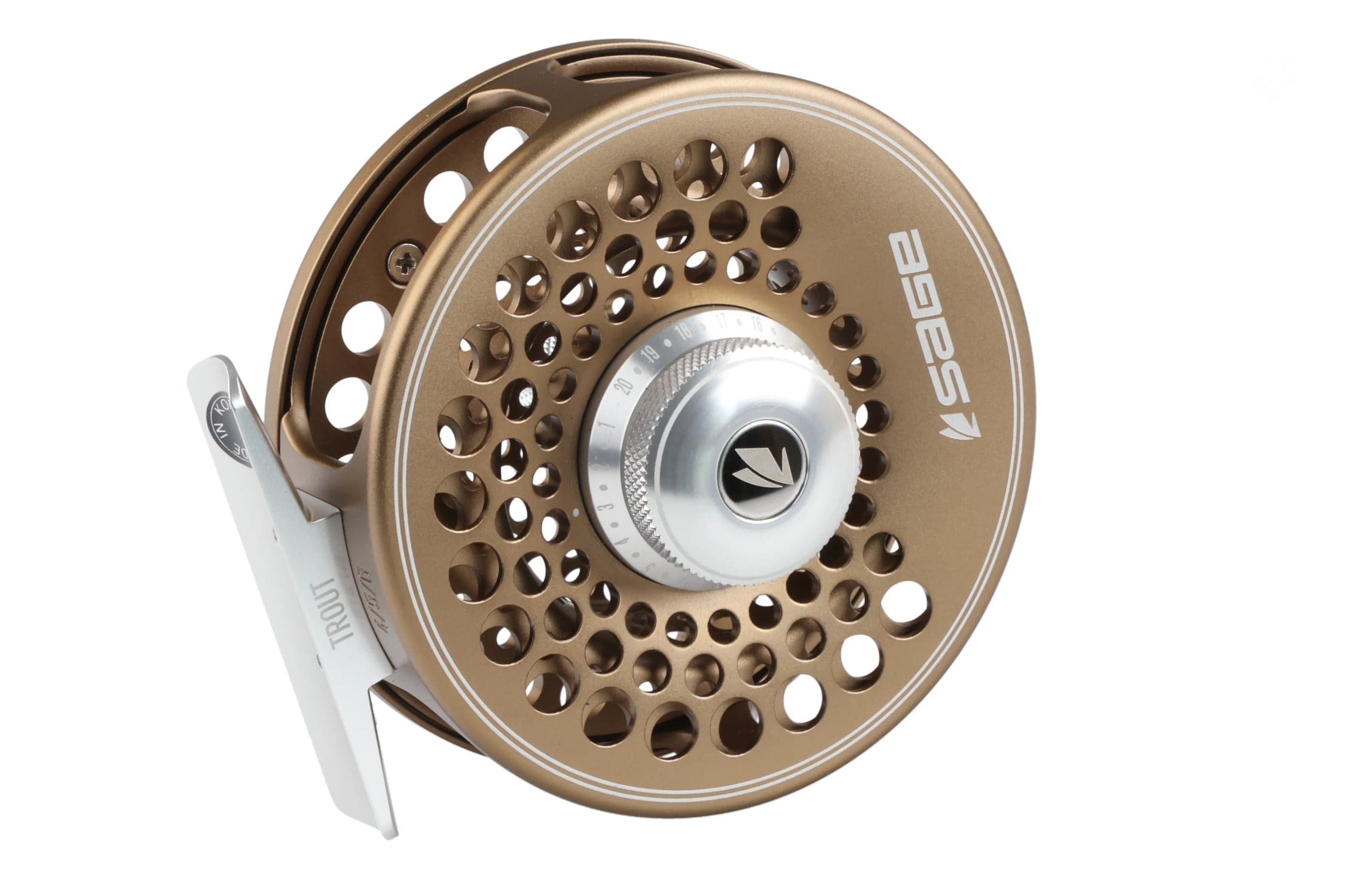
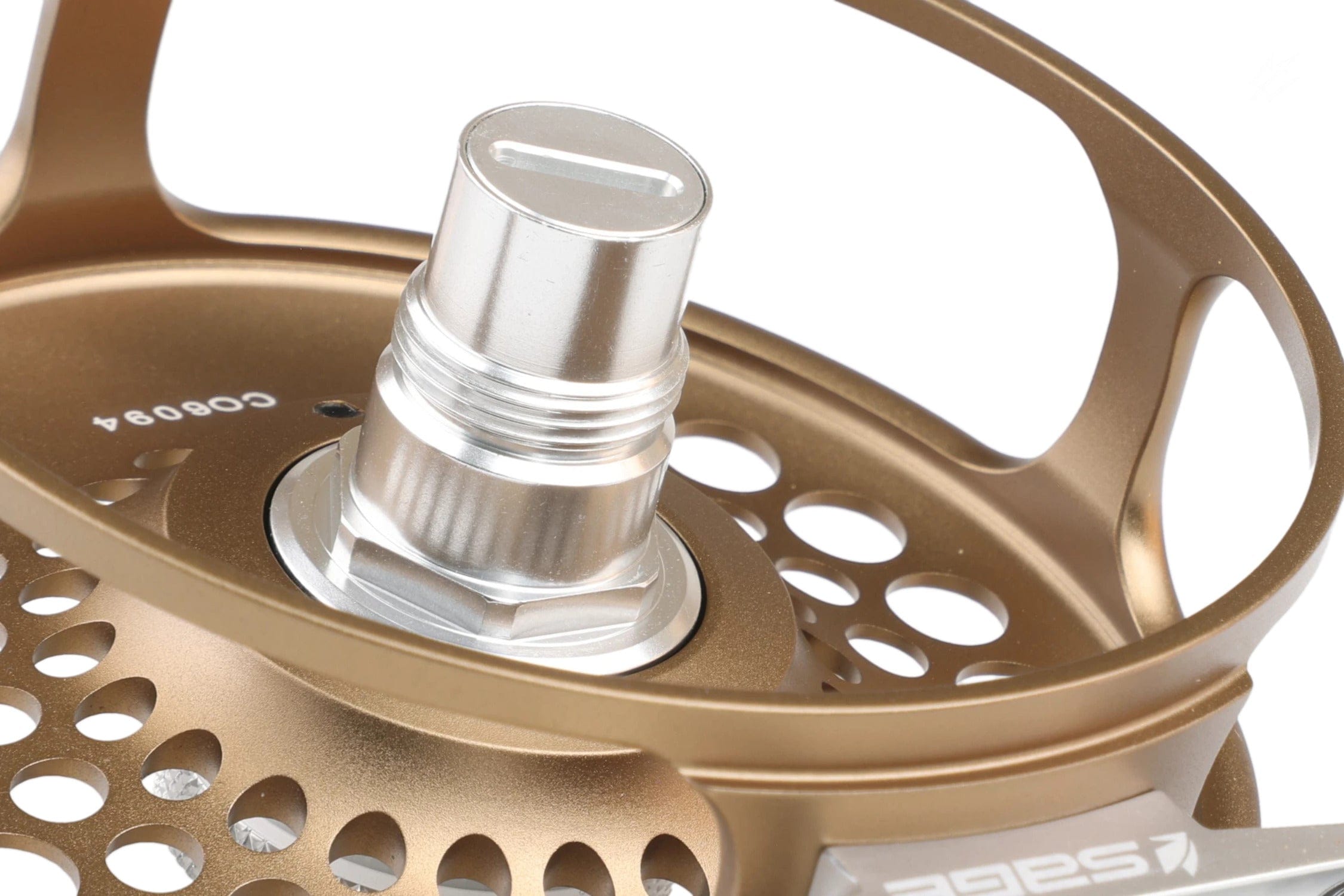
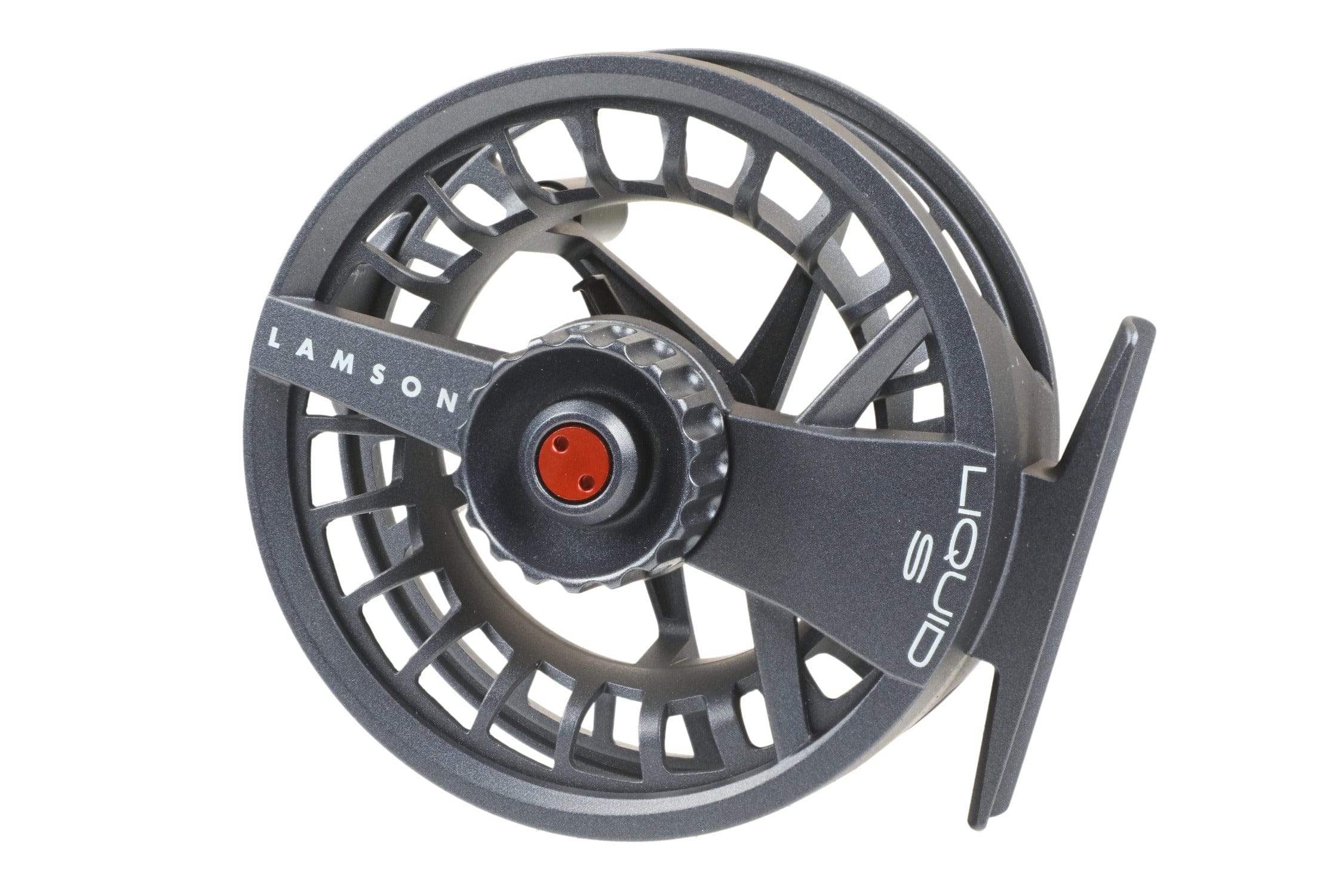
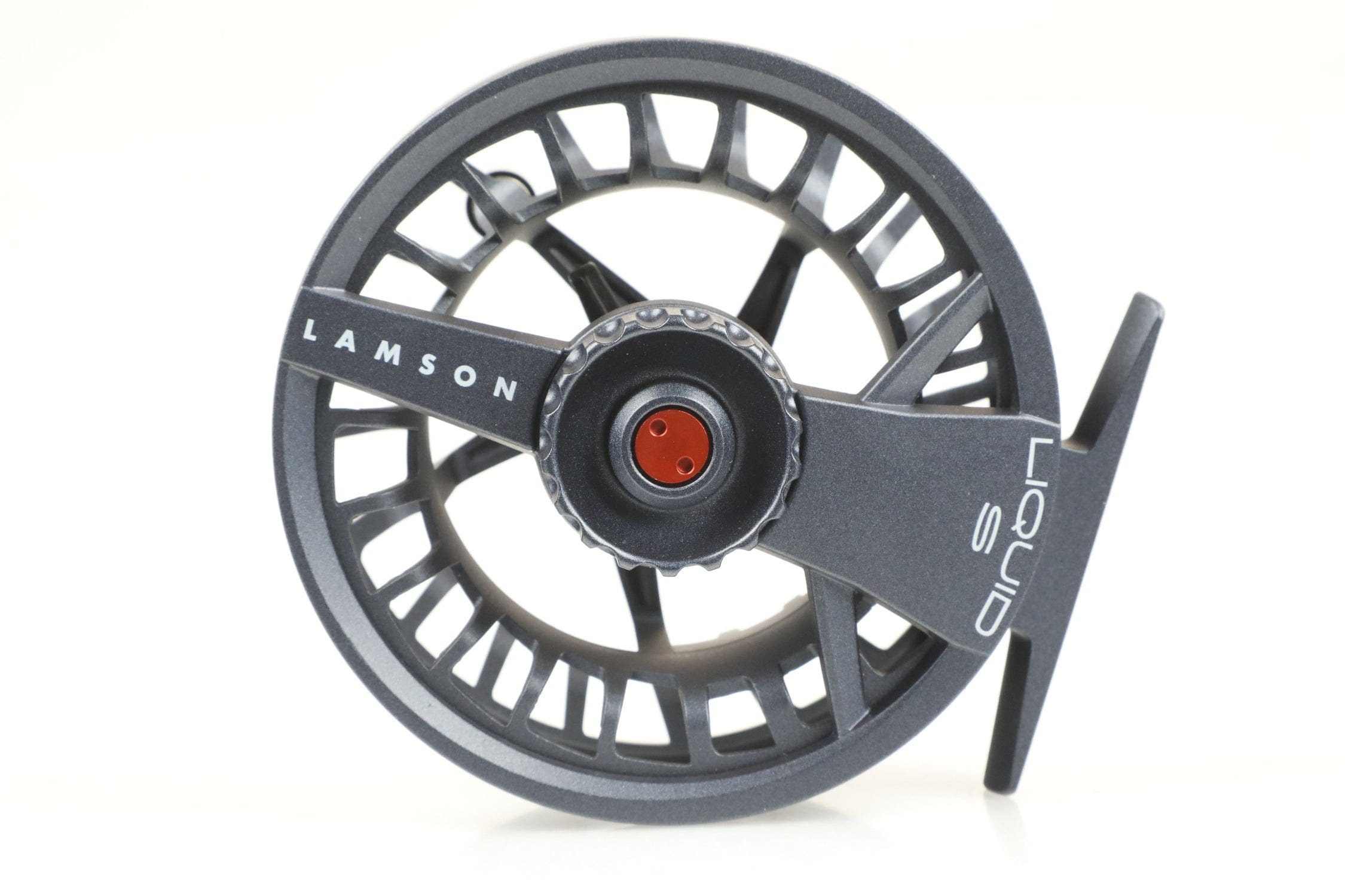
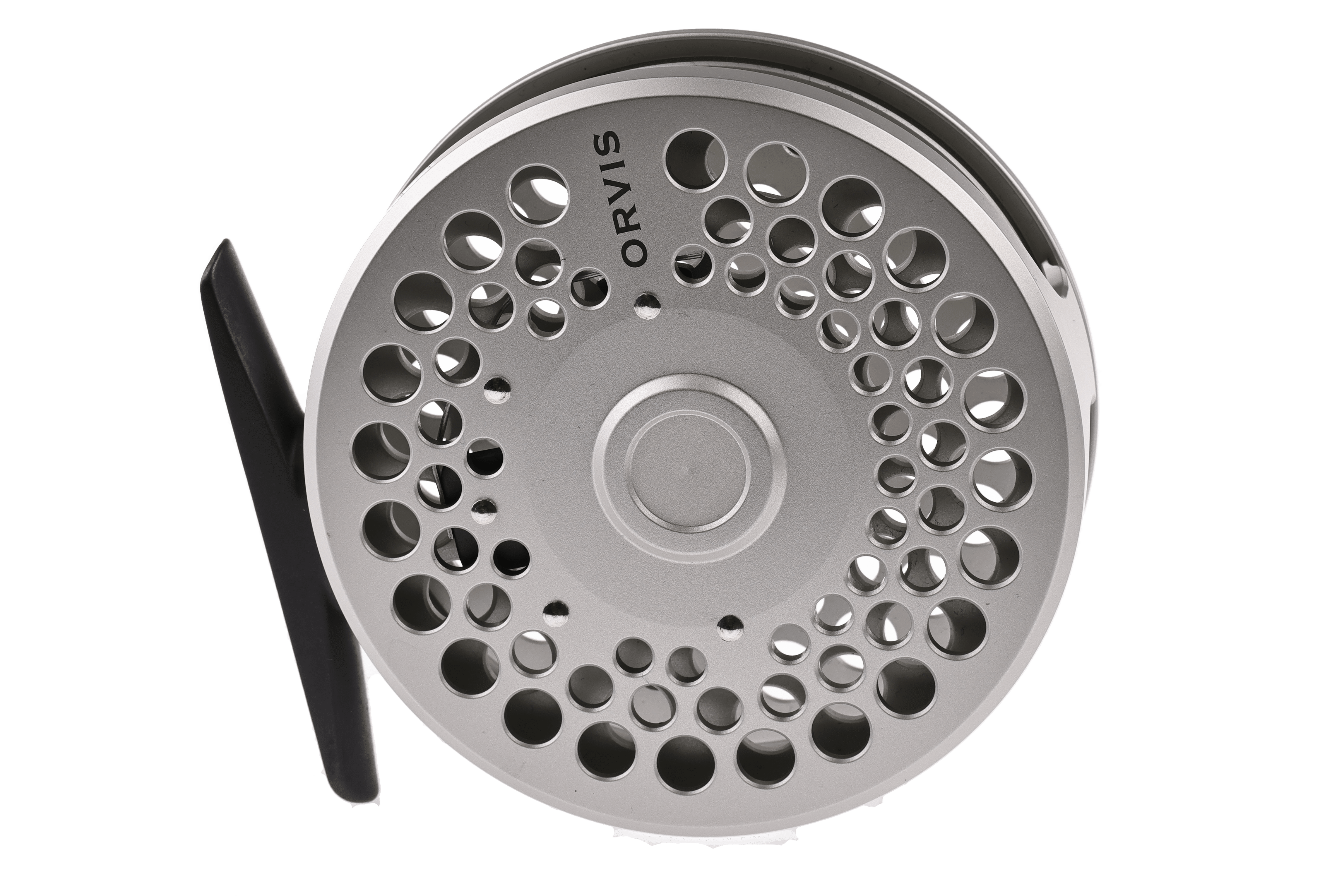
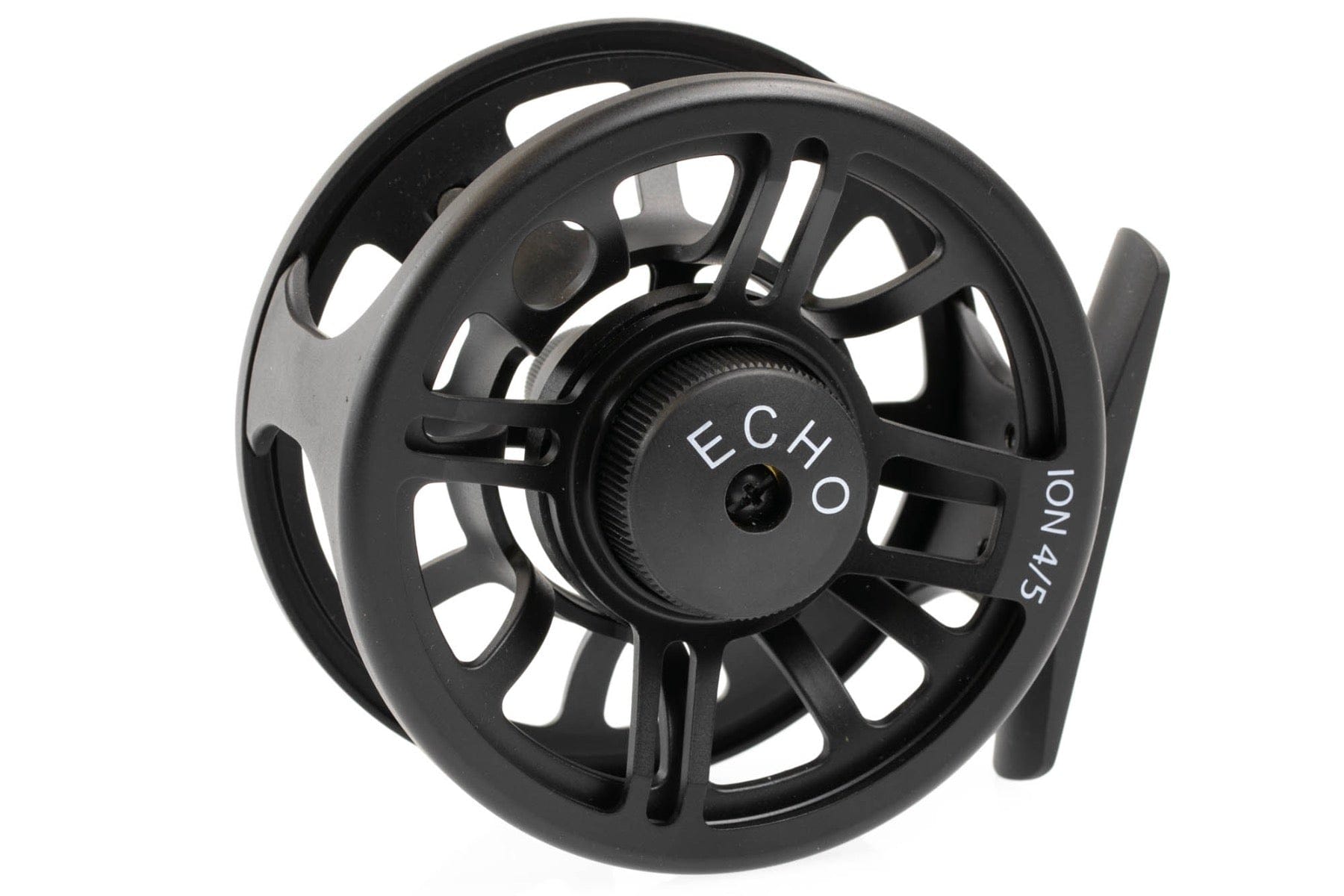
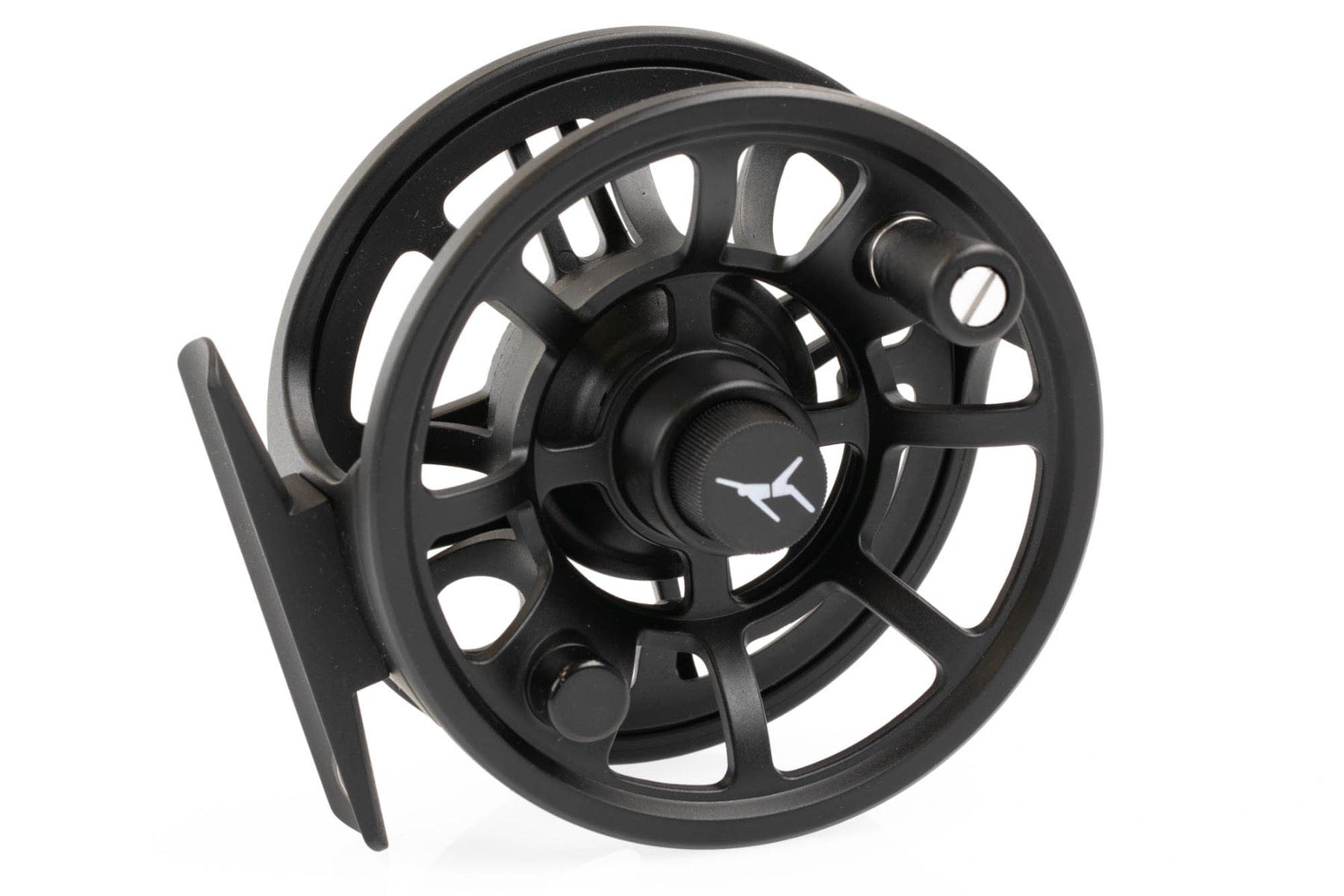


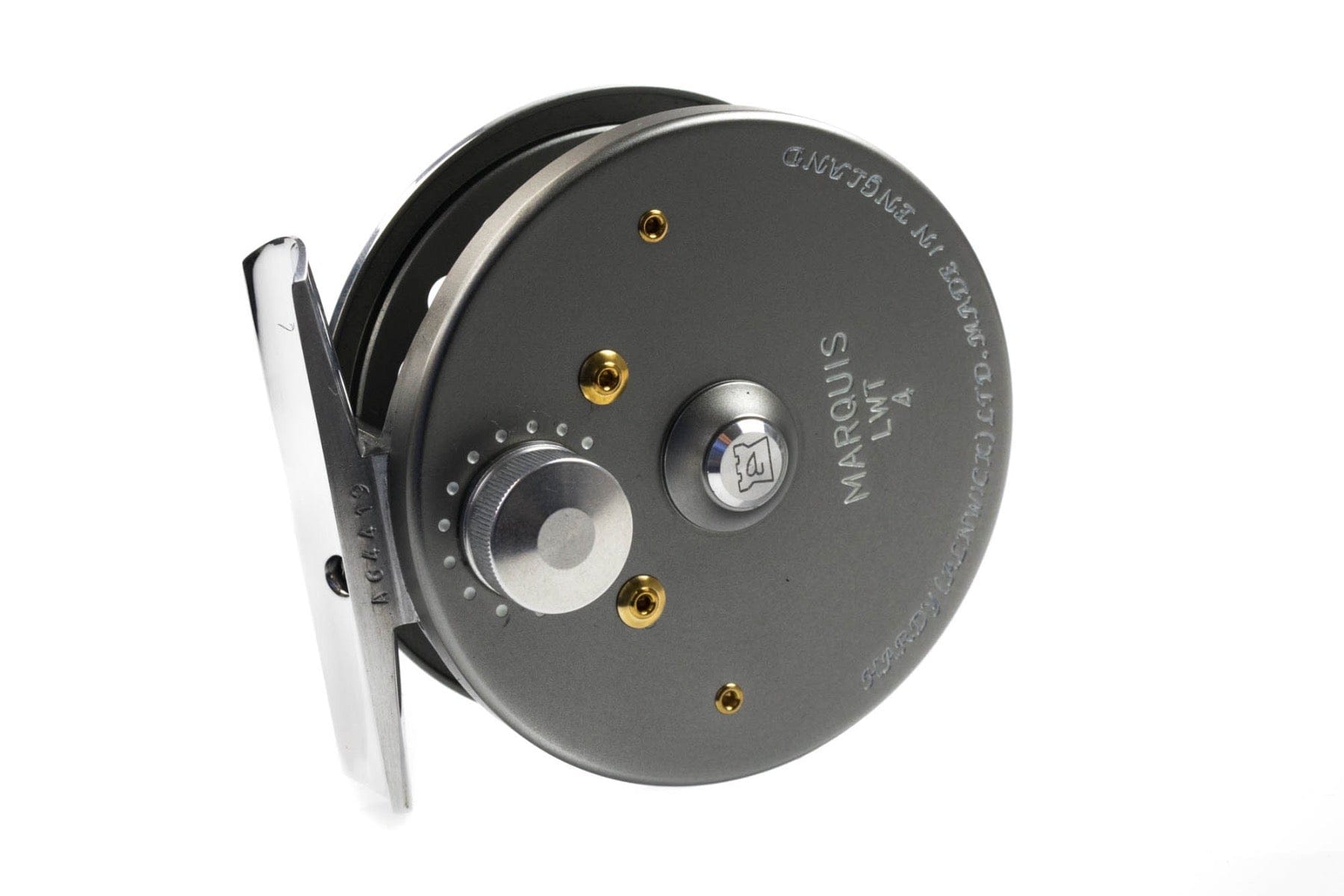
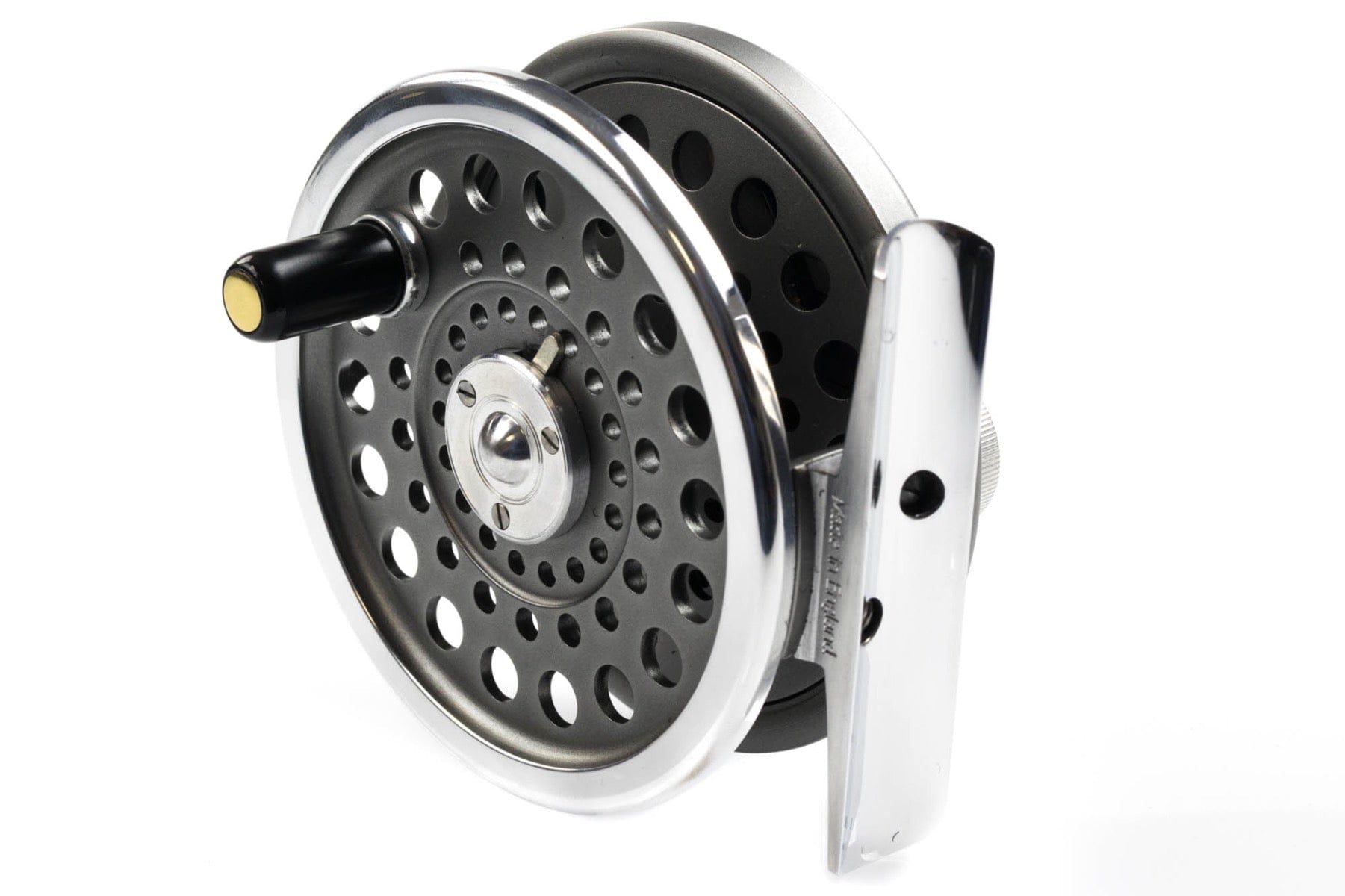
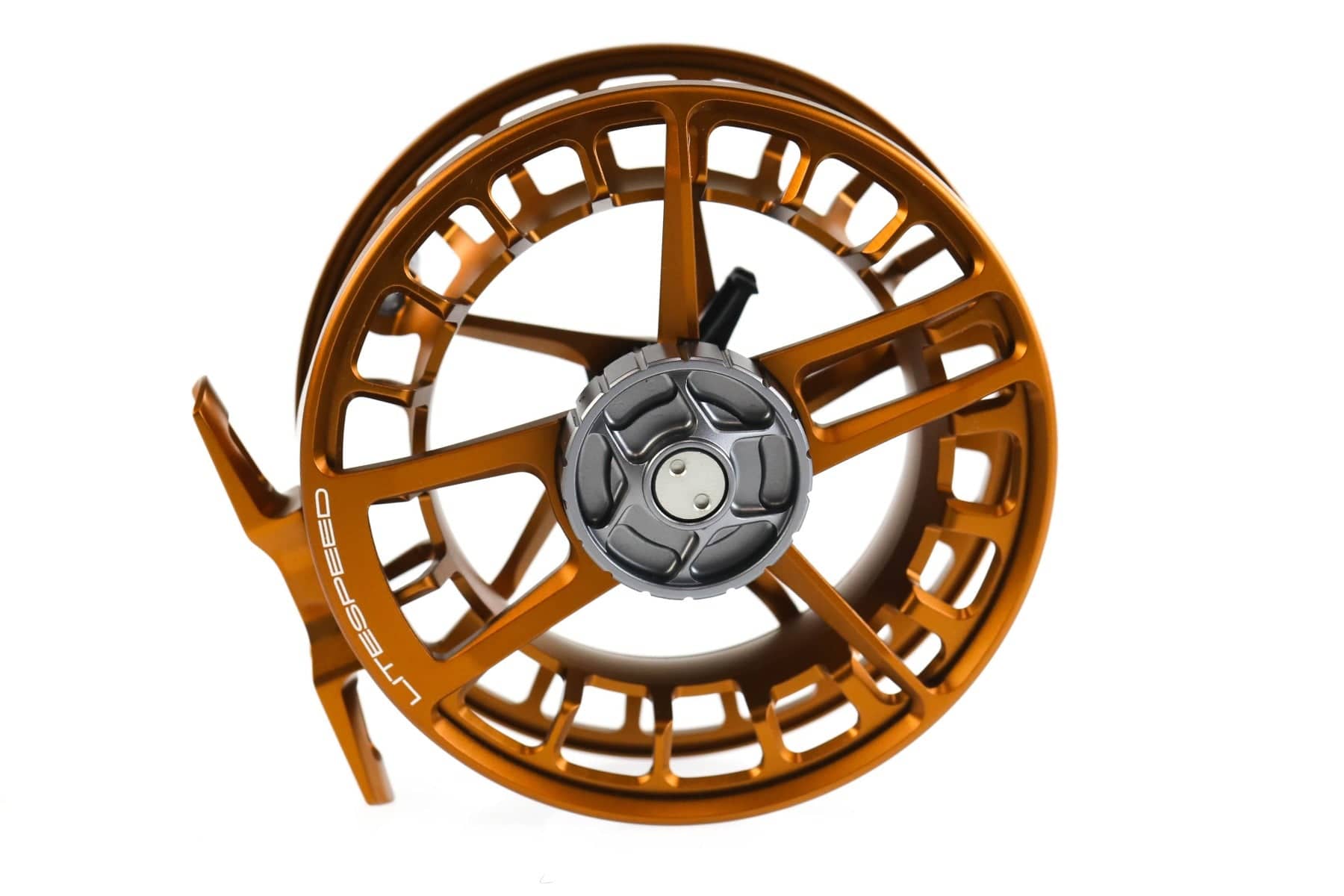
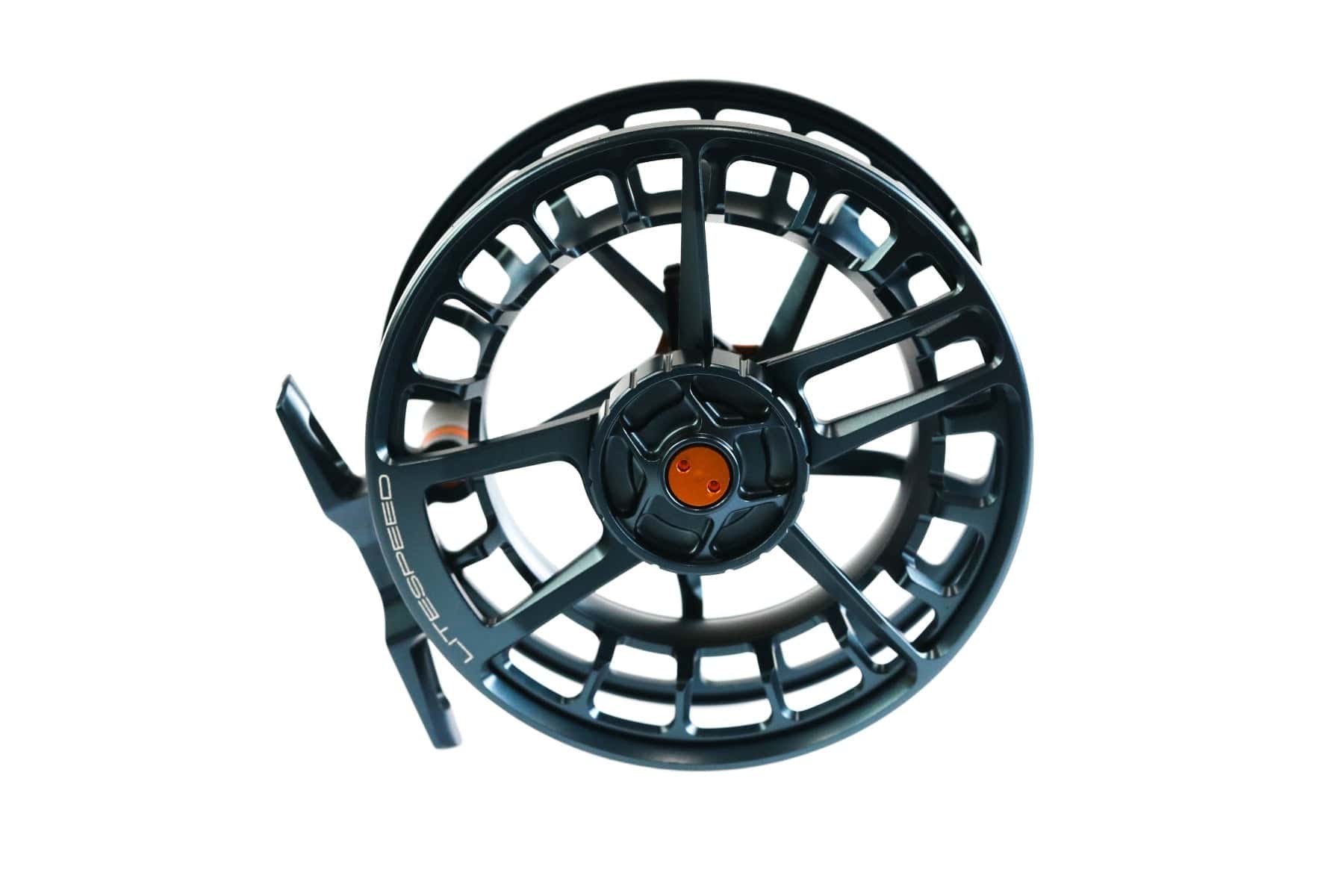
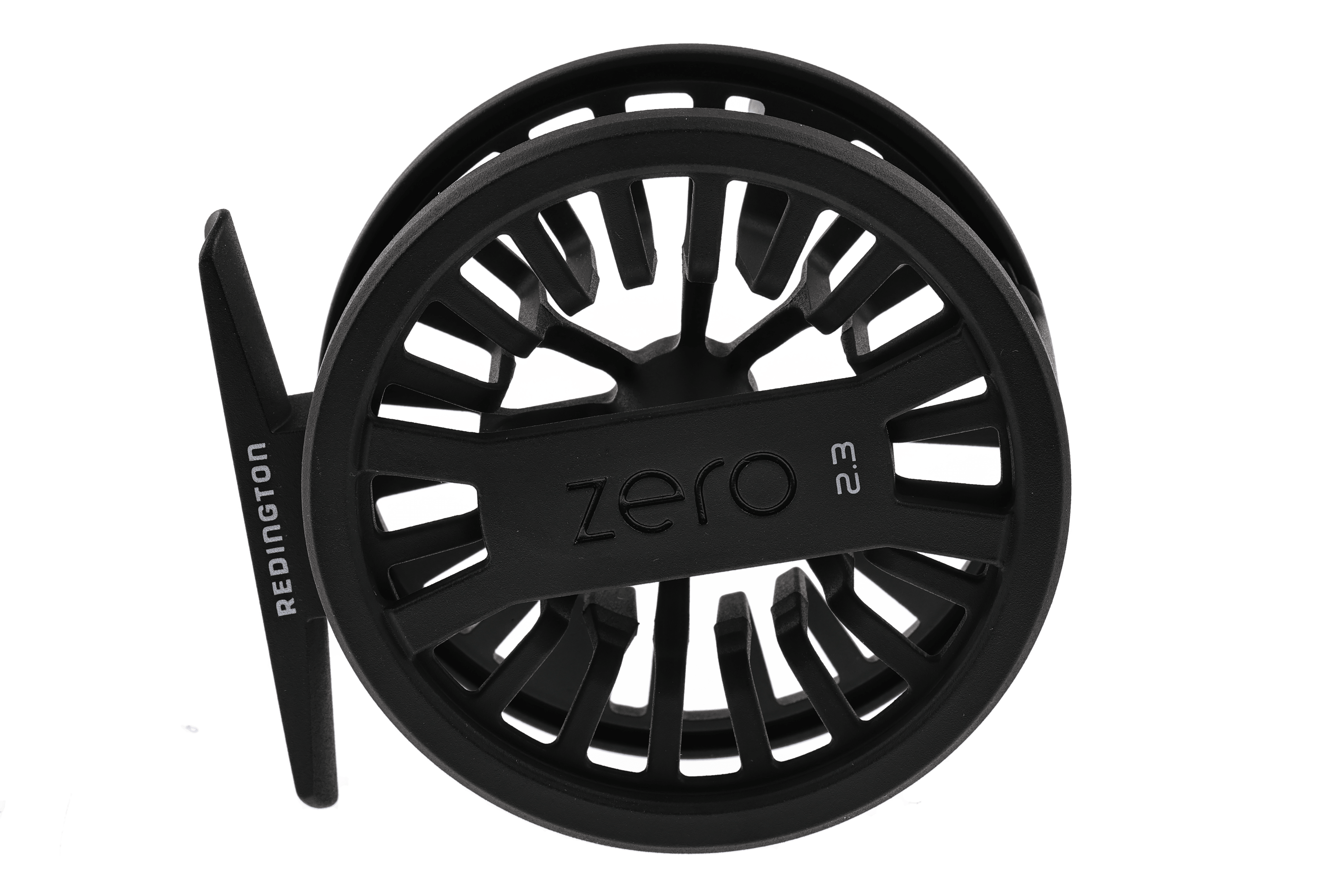
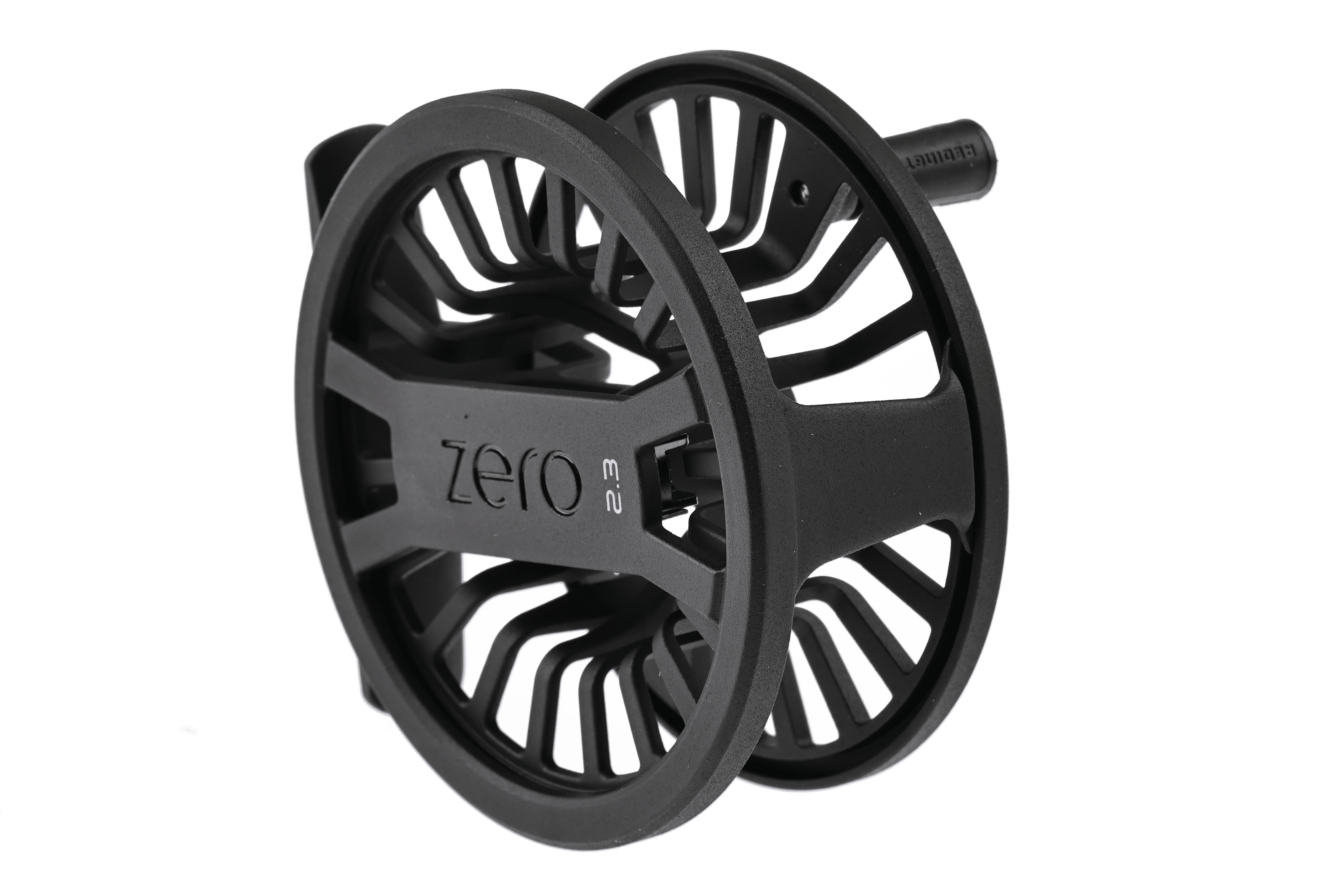
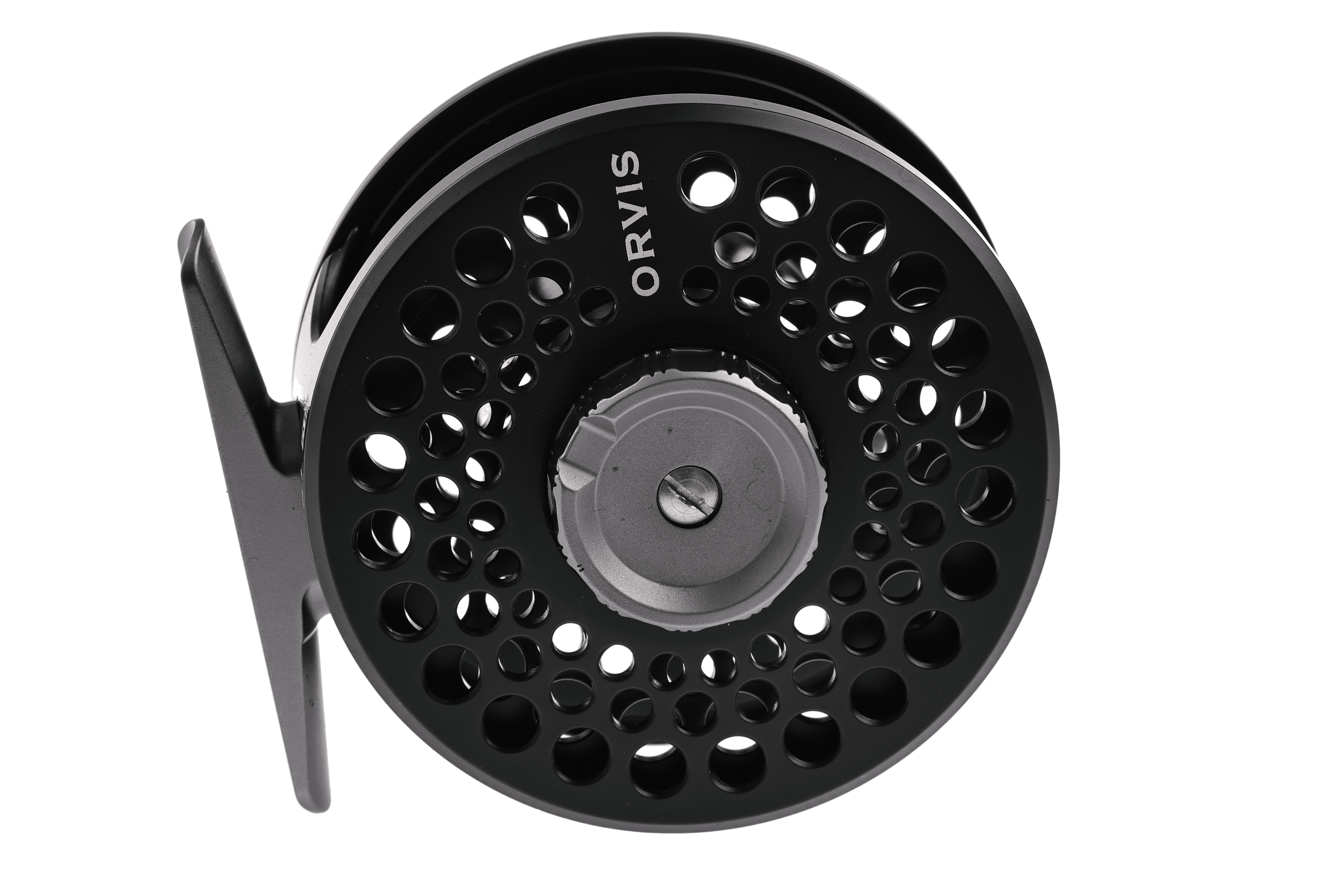

Freshwater Fly Reels Quick Picks
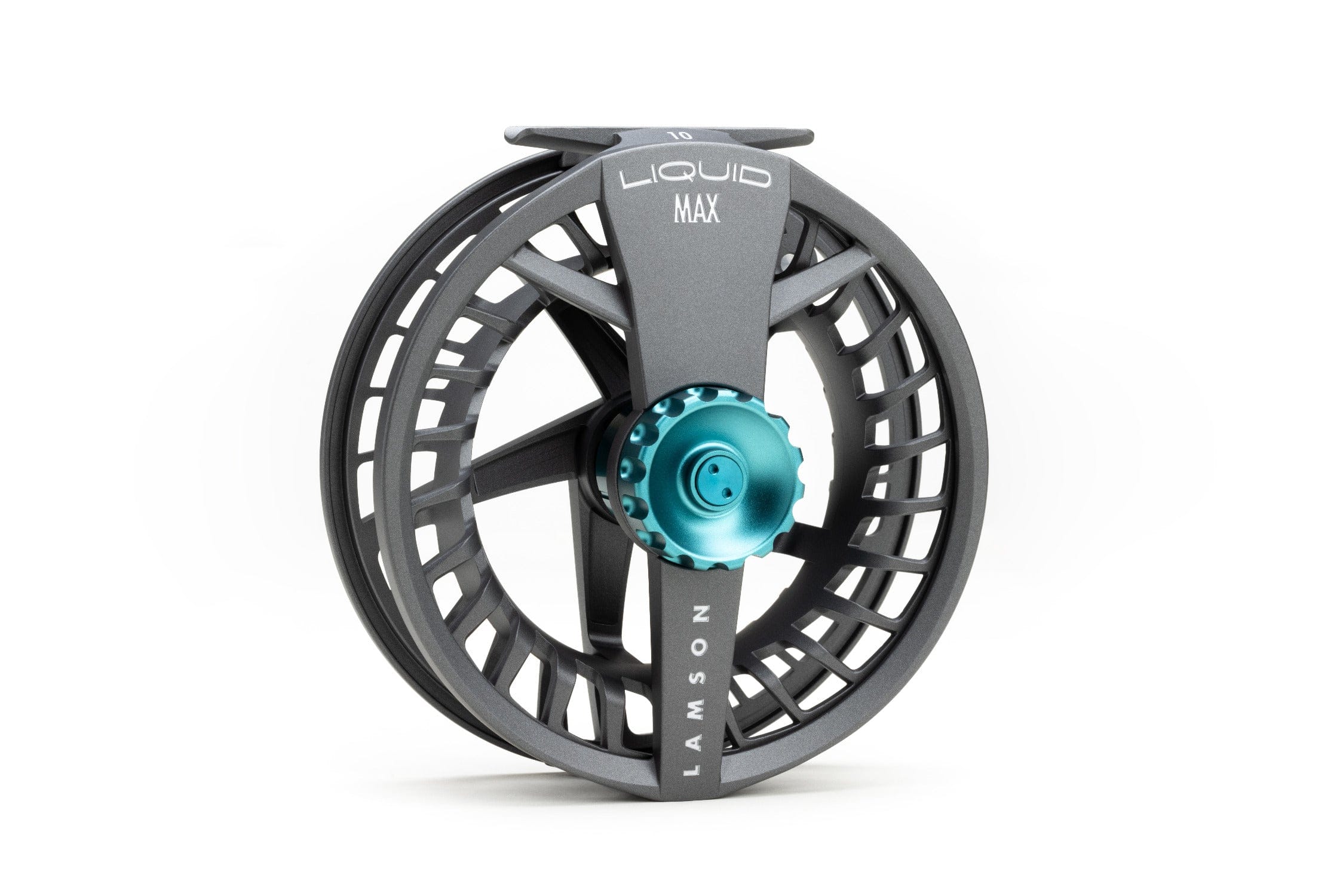
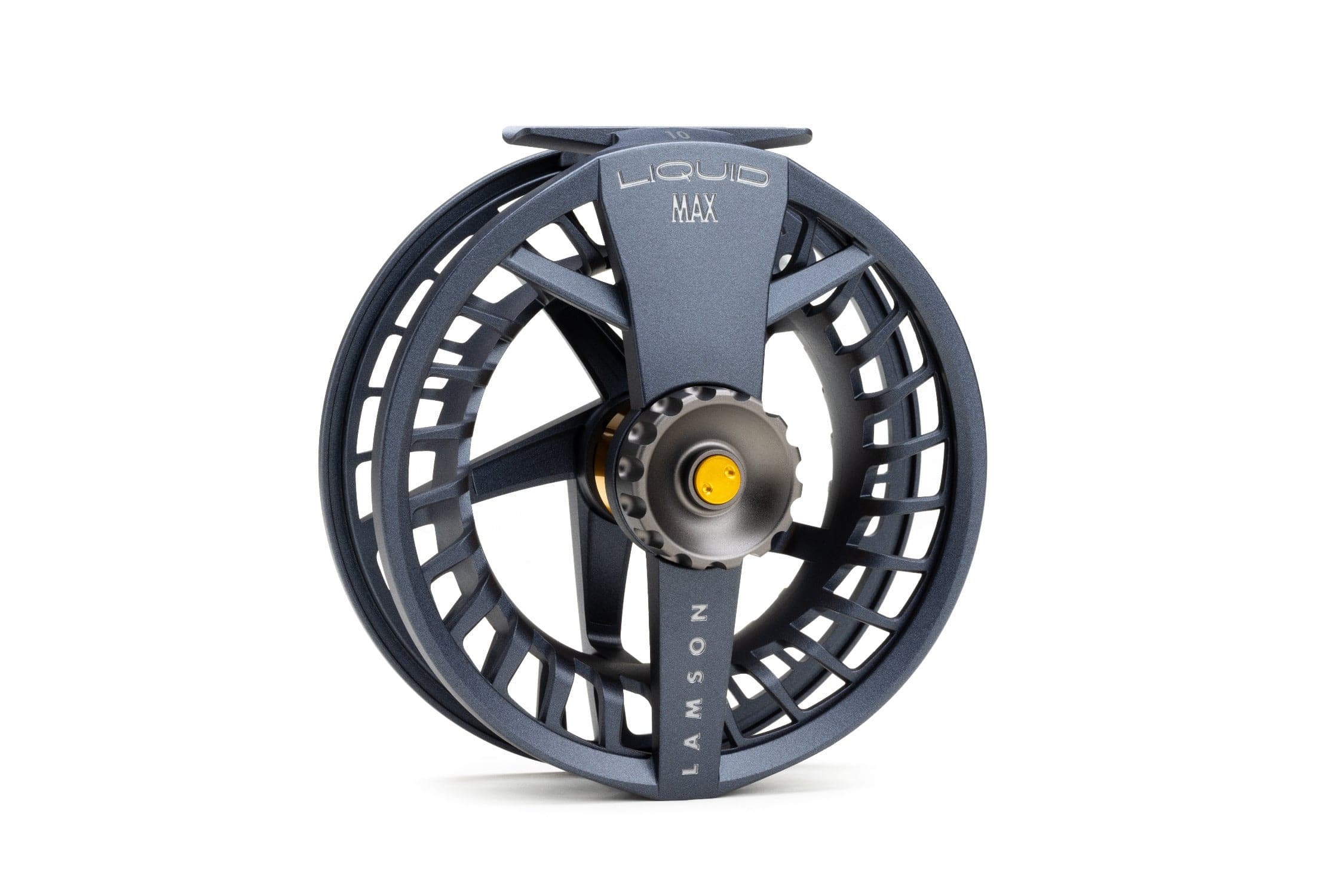
- Best for Beginners: Lamson Liquid S Fly Reel - A straightforward, budget-friendly freshwater fly reel that gets you fishing without overthinking specs. It’s a popular starting point when you want dependable function, modern features, and simple setup.
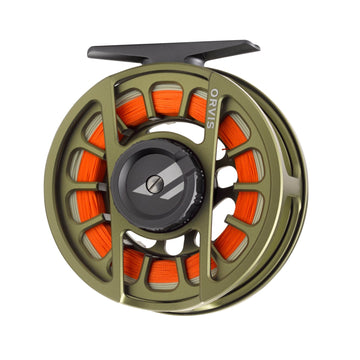
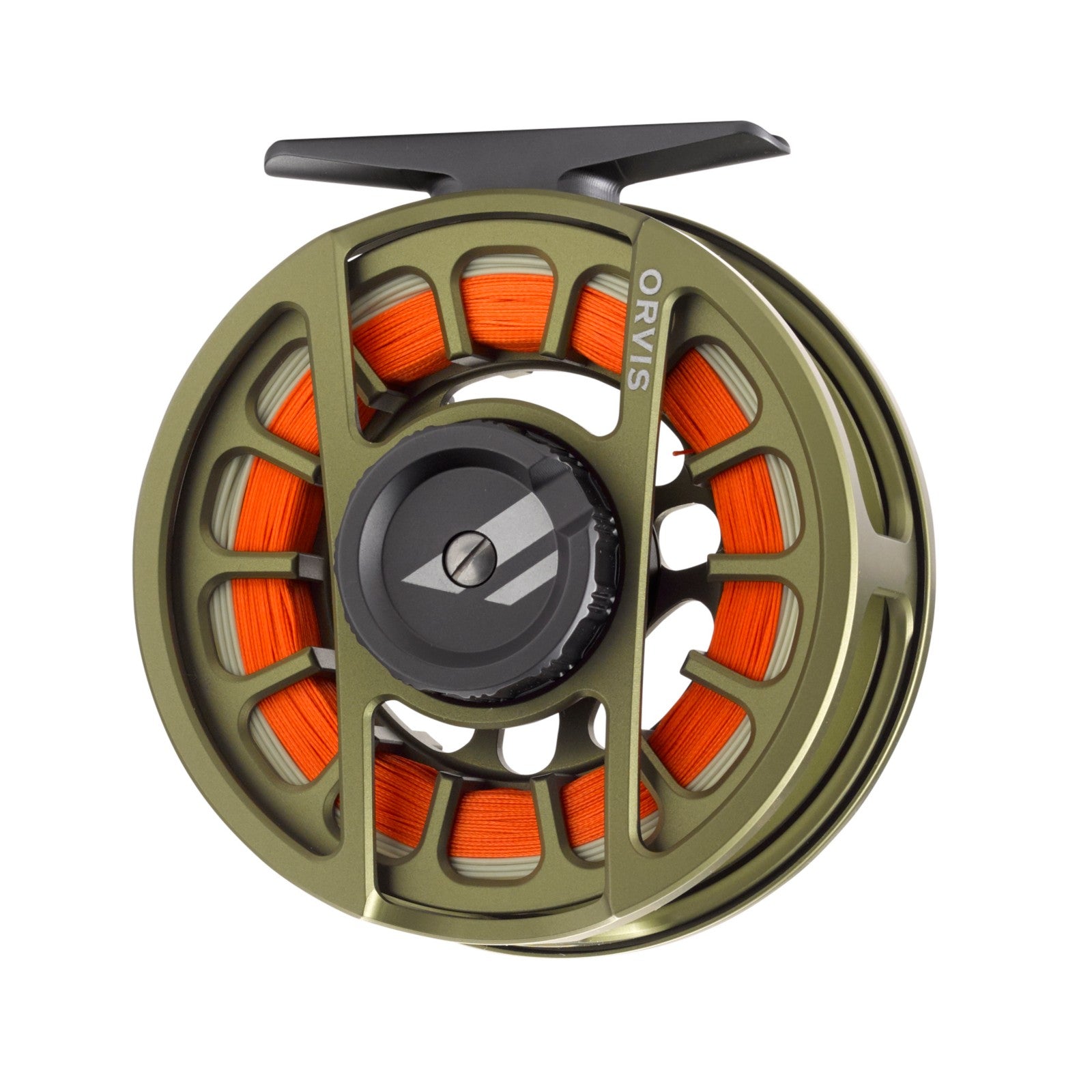
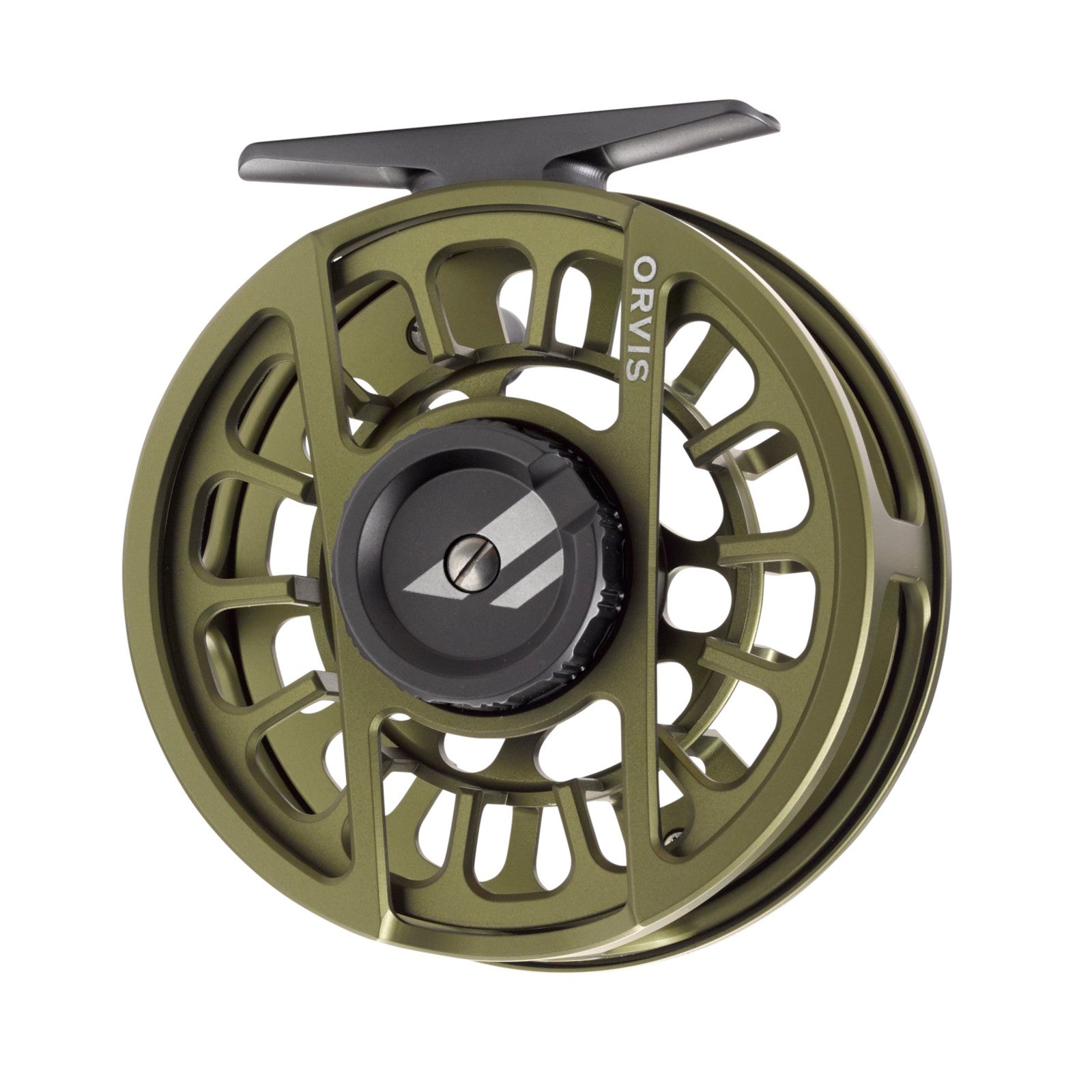
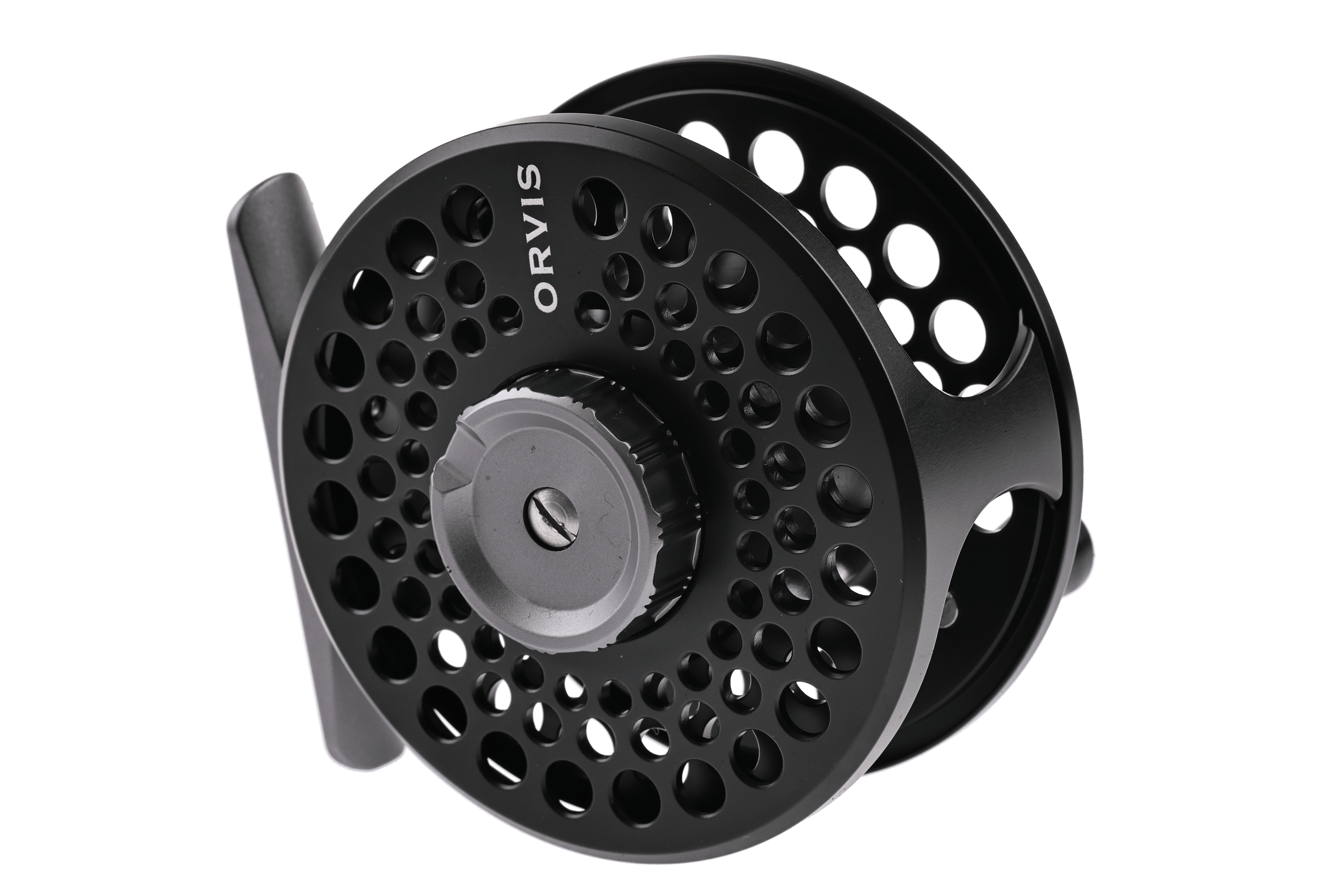
- Best Value: Orvis Hydros Fly Reel - Great for anglers who want a broad size range for everything from light trout to bigger warmwater work. It stands out as an easy “do-it-all” choice when you’re building one solid, versatile outfit.
- Best All-Around: Lamson Guru S Fly Reel - A go-to pick for anglers who fish a lot and want a refined feel without jumping to top-tier pricing. It’s a strong match for trout, light streamer work, and general freshwater use where smooth drag and quick pickup matter.
- Best for Classic Trout: Hardy Marquis LWT Fly Reel - Built for anglers who like a traditional look and the straightforward simplicity many prefer on smaller trout water. It’s especially appealing for dry fly and light nymph setups where the reel’s job is control and feel, not maximum drag.
- Best for Small Streams: Orvis Battenkill Click Fly Reel - A simple, lightweight choice for classic trout fishing where tippet protection and finesse are key. It’s different from many modern reels because it leans into a traditional click-style experience that suits lighter rods and close-range fishing.
How to Choose Freshwater Fly Reels
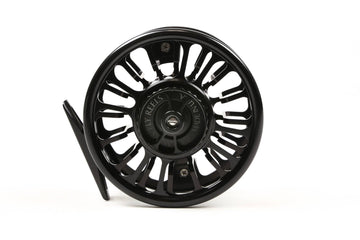
Drag: click-and-pawl vs. disc drag
Action: Start by deciding if you want traditional simplicity or modern adjustability. Click-and-pawl reels are a great fit for small-stream trout and lighter tippets, while disc drags (often sealed on some models) add smoother, more adjustable control for bigger fish and faster runs.
Arbor size and retrieve rate
Best for: Large-arbor designs when you’re stripping streamers, fishing stillwater, or chasing bass/carp and need faster line pickup. Smaller/arbor and more traditional designs are plenty for short-range trout fishing and can keep overall weight down.
Match the reel size to your rod and your fishery
Action: Use the reel’s line rating and capacity chart as your starting point, then think about how much backing you actually need. A properly matched reel balances the rod in-hand, holds the correct line/backing, and keeps drag behavior consistent as the spool empties during a fight.
Avoid if: Don’t choose purely by looks, if you under-size the reel, you can end up short on capacity or fighting poor balance, especially on longer rods or heavier lines.
Construction and day-to-day durability
Machined aluminum reels are typically chosen for strength, tighter tolerances, and long-term durability, while cast or molded options can be a smart way to save money and still fish hard. If you’re hard on gear (boat decks, rocky banks, frequent travel), prioritize robust construction and easy-to-service designs.
Care & Maintenance
- After each trip: Wipe the reel down and let it dry fully before storing, especially after sandy or muddy wading days.
- Light cleaning: Occasionally remove the spool and rinse away grit with fresh water; avoid blasting bearings/seals with high pressure.
- Drag habits: Back the drag off for storage to reduce long-term compression on drag components.
- Check fasteners: Make sure the reel foot screws/locking rings stay snug, especially after long days of hiking or boat rides.
- Line management: If you notice coiling, stretch your fly line and check for overfilling that can cause line spill.
Complete Your Setup
Related Gear
- Backing - Build proper capacity and protect your fly line connection when a fish runs far.
- Floating Fly Lines - The everyday choice for dries, indicators, and most trout/bass freshwater work.
- Leaders - Helps your fly turn over cleanly and present naturally, especially with lighter tippets.
- Tippet - Dial in stealth, abrasion resistance, and strength for your local conditions.
Related Guides
- How To Choose The Best Fly Reel
- How To Setup A Fly Reel
- Choosing a Fly Reel for a Spey or Switch Rod
Freshwater Fly Reels FAQs
Q: What does a freshwater fly reel actually do?
A: It holds fly line and backing, balances the rod, and provides controlled resistance (drag) when a fish runs. On trout water, it’s often about line management and protecting light tippet; for bass/carp, drag becomes more important.
Q: How do I choose the right size freshwater fly reel?
A: Start with your rod’s line weight (like a 5wt) and choose a reel rated for that line size. Then confirm it holds the fly line plus the amount of backing you expect to need for your fishery.
Q: Do I need a sealed drag for freshwater?
A: Not always. Many freshwater anglers do great with unsealed drags, but a sealed system can be a plus if you fish silty water, sand, or want low-maintenance performance.
Q: What’s the benefit of a large-arbor fly reel?
A: Large arbors pick up line faster and can help reduce line memory compared to smaller arbors. They’re especially helpful for streamers, stillwater, and any fishing where you’re frequently stripping and retrieving line.
Q: Is a click-and-pawl reel okay for beginners?
A: It can be, especially for small-stream trout where simplicity is a benefit. If you’re learning on bigger rivers, lakes, or warmwater species, a disc-drag reel is often easier for managing longer runs.
Q: How much backing should I put on a freshwater fly reel?
A: It depends on reel capacity and what you’re targeting, but many trout setups use enough backing to fill the spool correctly and provide insurance on a long run. Always check the reel’s capacity chart, then match backing strength and amount to the reel size and line choice.
Q: Can I swap retrieve direction (left-hand vs right-hand wind)?
A: Many modern fly reels are convertible, but the exact process varies by model. Check the reel’s instructions or product details before you buy if you plan to switch hands.
Q: Should I buy an extra spool?
A: A spare spool is handy if you want to quickly swap from a floating line to an intermediate/sinking option, or change line sizes for different rods. If you rarely change lines, you can usually skip it and put the money toward a better fly line.