



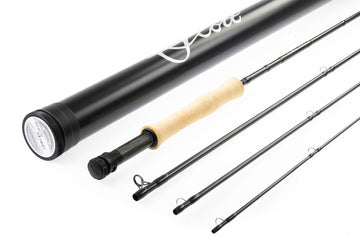
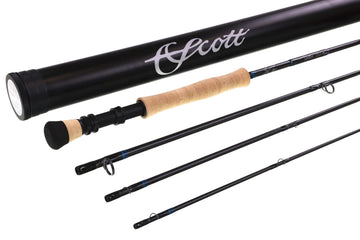
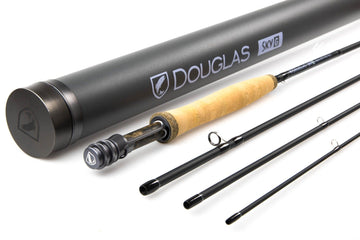
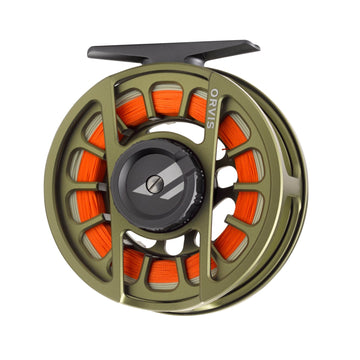
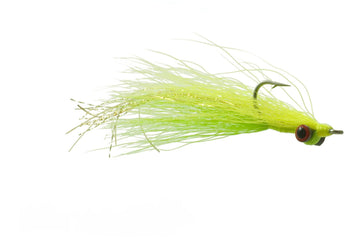

























Pike and Musky are some of the most aggressive fish in freshwater. They're tons of fun to catch on a fly rod and offer the freshwater angler a chance at a 40+ inch fish. That being said, the big ones are tough to fool. Choosing the right gear helps increase your chances of success on the water.
We've already covered how to choose the best fly rod for Pike and how to choose the best fly reel. These posts are helpful to the novice angler or the angler looking to purchase an outfit for these predatory fish. To round out our species-centered blog posts about Pike, this post will help you choose the right fly line.
Fly line choice for Pike depends on fishing technique, geographical area, and casting distance. Here's how it breaks down.
Trident Fly Fishing is a full-service fly shop. We spend a lot of time testing gear and writing reviews to give you all of the tools to make your next trip a success. We are not a blog or a review site. 100% of our funding comes from your gear purchases, so if this blog post helps you on your next fly fishing adventure, please support us by buying your gear from us.
THE BASICS

First, like we always do in our species-centered blog posts, here's some general advice. Choose a fly line that matches your rod. If you're fishing a 9' 9wt, choose a 9wt fly line.
Pike fishing is done in freshwater so choosing a freshwater fly line is the way to go. If you want to be safe, a line with 'Pike' or 'Musky' in the title is probably a good option. A line like RIO Predator Elite works well. But surely there are other times when different fly lines are a better bet.
FISHING TECHNIQUE

Choosing the right fly line for Pike/Musky depends on how you're targeting them. If you're fishing water that's 1ft deep and covered in weeds, you'll want a different fly line than if you were fishing a deep ledge in 20ft of water.
A floating line is best for Pike/Musky in shallow water conditions when you're using light flies or poppers. If you're fishing deeper water, choose an intermediate or sinking line. Plus, these fish eat big flies so choose a line with an aggressive front taper to turn over larger flies in windy conditions.
Our Favorite Floating Lines Include


Our Favorite Sinking Lines Include


GEOGRAPHICAL AREA
The area you're fishing also plays a role in which fly line works best for the job. As stated above, ponds with shallow water necessitate a floating line. Deeper lakes call for sinking lines. If you're targeting Pike/Musky in the Northeast, especially during/after the spawn, a cold water line will produce optimal performance. If you're fishing a warm water scenario mid-late summer, choose a warm water line.
In many areas, Pike/Musky fishing requires REALLY big flies. If you're fishing an area where large, predatory fish are present, chances are you're going to have to throw 6/7-inch flies. Choose a line that propels these larger flies through the wind. Typically, lines with short, aggressive front tapers are the best tools for the job.
CASTING DISTANCE

And, of course, you'll usually have to cast these larger flies long distances. If you find yourself having to repeatedly cast 50-70+ feet, choose a fly line that will make that easier. Rod choice also plays a role here. A rod with a strong, powerful butt section helps turn over bulky flies in windy conditions.
Fishing for Pike/Musky also often requires a lot of blind casting. A fly line that you can pick up off of the water quickly and easily is beneficial. Blind casting also means you'll likely be shooting line so a shooting-style fly line works best. Lines like the RIO Outbound Short and Scientific Anglers Titan Taper are the best lines for the job.
QUESTIONS?
We're here to help. Drop us an email at [email protected] or call us at (888) 413-5211.


Comments
(0)No comments yet. Be the first!